
Pests
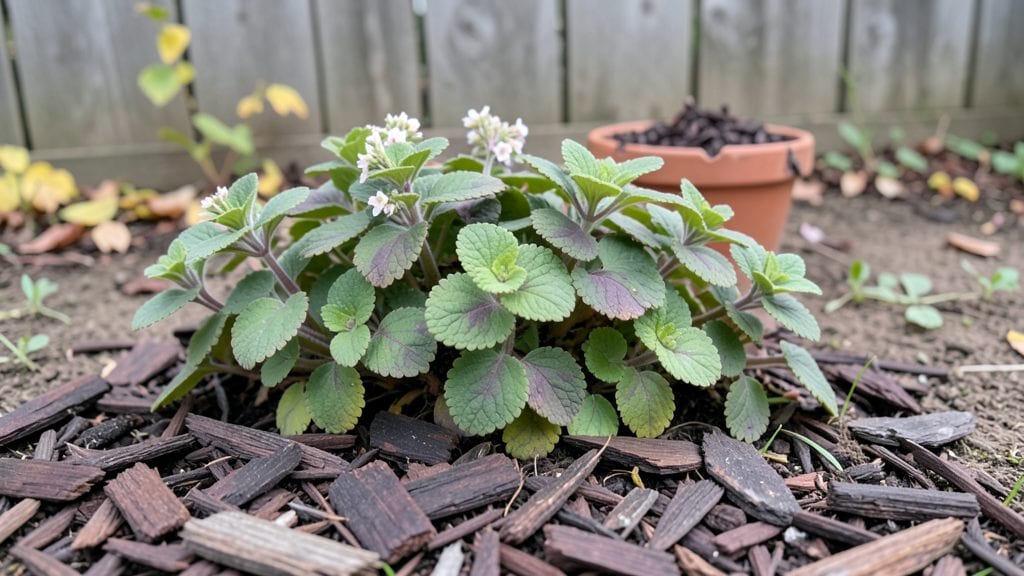
What to put in flower beds to keep cats out is the key to reclaiming your garden—here’s how to send them packing with prickly foliage, strong scents, and textures they’ll avoid. 🐾 they instinctively avoid.
My neighbor’s tabby still tries, but now he just circles the beds like they’re a minefield.
Start with coleus and lavender—cats hate the smell and the feel of their leaves. Add rosemary or thyme for extra deterrence, and sprinkle orange or lemon peels around the edges.
Physical barriers like gravel or plastic spikes (the kind designed for gardens) work too, but plants make the space look intentional, not like a war zone.
Within a week, you’ll notice fewer paw prints and more blooms. The beds stay tidy, the cats stay away, and your flowers thrive without a single harsh chemical. It’s a win-win that keeps everyone safe—including the cats, who just need a better place to dig.
Works for any yard, from small urban plots to sprawling gardens. The key is consistency: cats learn boundaries when they’re met with the same deterrents every time. Let’s make your flower beds cat-free zones without the fuss.
📚 In This Guide
- What you need
- Instructions
- Tips and common mistakes
- Wrapping up and next steps
What you need
- ● Cat-deterring plants: 5–10 plants per bed (e.g., coleus canina, geraniums, lavender, or rosemary). Choose based on your climate and sunlight.
- ● Pruning shears: 1 pair (for trimming plants to encourage fuller growth and deter digging).
- ● Garden gloves: 1 pair (to protect your hands from thorns or rough textures).
- ● Organic mulch: 2–3 inches of pine bark, straw, or gravel (helps mask cat urine smells and adds a physical barrier).
- ○ Spiky or textured barriers: (Optional) Plastic spikes, chicken wire, or landscape fabric (if cats are persistent diggers).
- ● Garden hose or spray bottle: 1 (for watering plants and rinsing off any cat deterrents like citrus sprays).
- ○ Citrus peels or coffee grounds: 1–2 cups (optional, for natural repellents—cats hate the scent!).
- ● Stakes or small flags: 5–10 (to mark boundaries if using barriers or sprays).
- ● Compost or fertilizer: 1 bag (to keep plants healthy and thriving).
How to create a cat-proof flower bed using natural deterrents
Here's my foolproof method for keeping curious cats away without harsh chemicals or fences.
🌿 Step 1: Choose Cat-Repellent Plants for Your Climate
Start with plants cats instinctively avoid—lemongrass, lavender, and coleus are top choices. I plant lemongrass in the center because its strong citrus scent deters digging, while lavender along the edges provides a fragrant barrier. For shade areas, coleus works well since its fuzzy leaves feel unpleasant to cats.
Check your USDA hardiness zone first—lemongrass thrives in zones 9-11, while lavender does best in zones 5-8. If you're outside those ranges, try rosemary or thyme instead—they're equally effective and more cold-tolerant. Space plants 12-18 inches apart to create an unbroken scent barrier.
💧 Step 2: Add Physical Deterrents for Extra Protection
Combine plants with gravel or sharp-edged mulch like cypress mulch (not pine—cats love digging through it). Spread 2-3 inches of gravel along the bed's perimeter, creating a 6-inch wide border. The texture is uncomfortable for paws and signals "keep out" to cats.
For raised beds, line the bottom with chicken wire before adding soil—cats hate the texture and will avoid it completely. Bury the wire 3 inches deep around the edges so they can't dig underneath. Water the bed thoroughly after planting to help roots establish before the cat-deterrent effects kick in.
✂️ Step 3: Maintain the Deterrent System Year-Round
Trim plants regularly to keep them dense—cats are less likely to dig through thick foliage. I prune lemongrass every 4-6 weeks to encourage bushier growth, and lavender after flowering to maintain its height. Deadhead spent blooms immediately to prevent seed spread, which attracts cats looking for new digging spots.
Refresh the gravel border annually or whenever it starts looking worn. If you notice cats testing the edges, add citrus peels (like orange or lemon) around the perimeter—the scent lingers and reinforces the deterrent. Avoid using chemical repellents near plants, as they can harm roots.
☀️ Step 4: Enhance with Sensory Tricks Cats Hate
Cats dislike moving objects and strong scents, so add wind chimes or solar-powered pinwheels near the bed. The motion startles them and makes the area feel unsafe. Place aluminum pie pans (the kind with ridges) around the perimeter—they create an unpleasant sound when cats step on them.
For extra protection, sprinkle dried citrus peels or crushed red pepper flakes (non-toxic in small amounts) lightly around the bed. Reapply every 2-3 weeks or after rain. The key is variety—cats get used to single deterrents, so rotate methods seasonally for best results.
Tips & tricks for creating cat-proof flower beds
These simple tricks will help you create a garden cats won't dare disturb—without resorting to harsh chemicals.
Plant Placement Strategy: In Step 1, when arranging your lemongrass, lavender, and coleus, create concentric circles with the strongest scents in the center. Place lemongrass at the core since its citrus scent is particularly offensive to cats, then surround it with lavender and coleus. This creates a scent gradient that pushes cats away from your prized plants.
Physical Barrier Reinforcement: For Step 2, when adding the 6-inch gravel border, don't just use regular gravel—mix in some crushed eggshells (non-toxic) for an extra deterrent. The sharp edges create an unpleasant sensation for curious paws. If you're using chicken wire in raised beds, bend the top edges outward slightly to create a physical barrier cats can't climb over.
Seasonal Rotation Tip: In Step 4, when enhancing with sensory tricks, rotate your deterrents every 2-3 months to prevent cats from becoming accustomed to them. Swap out wind chimes for bubble wrap strips (cats hate the sound) or replace citrus peels with crushed mint leaves in summer months. This keeps your feline visitors guessing and more likely to avoid the area entirely.
Maintenance Shortcut: For Step 3's regular pruning, set a reminder on your phone for every 4-6 weeks to trim your lemongrass and deadhead lavender. I keep a small pair of pruning shears in my gardening tote so I can do quick maintenance whenever I pass by. This prevents overgrowth that cats might try to dig through, and keeps your deterrent system looking neat year-round.
Pro Tips for What To Put In Flower Beds To Keep Cats Out
- These simple tricks will help you create a garden cats won't dare disturb—without resorting to harsh chemicals.
- Plant Placement Strategy: In Step 1, when arranging your lemongrass, lavender, and coleus, create concentric circles with the strongest scents in the center.
- Physical Barrier Reinforcement: For Step 2, when adding the 6-inch gravel border, don't just use regular gravel—mix in some crushed eggshells (non-toxic) for an extra deterrent.
Frequently asked questions
What are the safest plants to use around cats?
Always choose non-toxic plants like coleus, lavender, or Russian sage. Avoid lilies, foxglove, or daffodils—these are toxic if ingested. Double-check with the ASPCA’s toxic plant list to stay safe.
How long does it take for deterrents to work?
Results vary! Some cats avoid prickly textures (like oleander) immediately, while others may need time to learn. Give it 1–2 weeks of consistent exposure. If your cat ignores the deterrents, combine methods (e.g., plants + motion-activated sprinklers).
Are there affordable alternatives to pricier plants?
Yes! DIY options include:
- Citrus peels (scatter lemon/orange rinds—they dislike the scent).
- Crushed eggshells (sharp edges deter digging).
- Aluminum foil strips (cats hate the texture—place loosely around beds).
What if my cat keeps digging through the deterrents?
Try these troubleshooting steps:
- Add gravel or mulch (1–2 inches deep) to create a barrier.
- Use plastic spikes (pet-safe, like these) around the perimeter.
- Provide a cat-friendly digging box filled with sand or catnip nearby.
Will rain or weather affect the deterrents?
Most natural deterrents (like herbs or citrus) wash out in heavy rain. Reapply every 3–5 days or use permanent solutions like:
- Prickly plants (e.g., barberry bushes).
- Commercial pet-safe sprays (e.g., Grannick’s).
Wrapping up and next steps
Keeping cats out of your flower beds doesn’t have to be a battle—just a few strategic plants and textures can make all the difference! 🌿 From prickly barberry to fragrant lavender, nature offers plenty of feline-repelling solutions that also enhance your garden’s beauty.
Start small, experiment with what works best in your space, and soon you’ll have a thriving, cat-free sanctuary.
Ready to take action? Pick one or two plants from this list, plant them confidently, and watch your garden flourish—without unwanted visitors! Happy gardening! 🌸