
Blooming
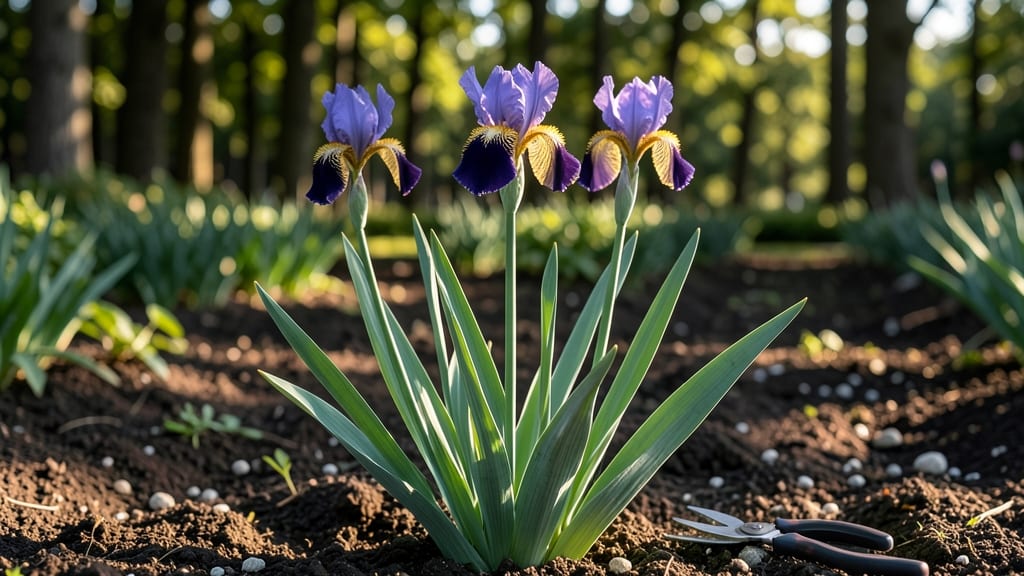
Wondering when does the iris flower in the Pacific Northwest? They’re as unpredictable as the region’s weather—showing up between late April and June, depending on variety and mood. 🌸 My first year growing them, I nearly gave up when my bearded irises stubbornly refused to bloom by Memorial Day.
Turns out, they’re patient plants that wait for the right cues: consistent warmth, proper sunlight, and a little encouragement from the gardener.
The key to timing is understanding your iris types: bearded irises (like the classic purple varieties) usually bloom first, followed by sibiritas and Louisiana irises later in the season. In cooler, wetter years, they might linger into early summer, while hot, dry springs can push them earlier.
The secret weapon? Planting in full sun and well-draining soil—both critical for triggering those dramatic, velvety petals.
Once they bloom, the show lasts 2-3 weeks, but with the right care, your irises will reward you with years of reliable displays. Deadhead spent blooms to redirect energy to next season’s buds, and divide congested clumps every 3-4 years to keep them vigorous.
The payoff? Clumps that multiply and flower like clockwork, turning your garden into a Pacific Northwest masterpiece.
This works for all iris varieties, whether you’re growing in sunny borders, containers, or rain gardens. The only rule? Don’t rush them—they’ll bloom when they’re ready, and trust me, the wait is worth it for those bold, fragrant bursts of color that make every spring feel like a celebration.
📚 In This Guide
- What you need
- Instructions
- Tips and common mistakes
- Wrapping up and next steps
What you need
- ● Iris rhizomes or bulbs: Choose Pacific Coast iris varieties (e.g., Iris tenax, Iris douglasiana) or hardy Siberian/Japanese irises for PNW climates. Buy 3–5 rhizomes per square foot for a lush display.
- ● Well-draining soil: Mix 1 part compost with 2 parts native soil or sand to prevent rot. Test soil pH (ideal: 6.0–7.0).
- ● Organic fertilizer: Use a balanced 10-10-10 or low-phosphorus formula (e.g., fish emulsion or bone meal) to avoid bulb burn.
- ● Mulch: 2–3 inches of wood chips or straw to retain moisture and regulate temperature.
- ● Garden fork or trowel: For planting rhizomes 2–4 inches deep, spaced 12–18 inches apart.
- ● Pruners or sharp shears: To trim dead foliage after blooming (leave 1/3 of the leaves for energy storage).
- ● Watering can or hose with a gentle nozzle: Irises need 1 inch of water weekly (more in drought).
- ● Garden gloves: Protect your hands from rhizome sharp edges!
- ● Slow-release granules: Sprinkle around rhizomes at planting for season-long nutrients.
- ● Pebbles or gravel: Top rhizomes with a ½-inch layer to prevent rot in rainy climates.
- ● Stakes or rings: Support tall stems (e.g., Iris germanica) if winds are common in your area.
- ● Bloom booster: A low-nitrogen fertilizer (like 5-10-10) in early spring to encourage flowers.
How to time iris blooms in the Pacific Northwest
Predicting iris blooms in the PNW depends on variety, climate, and care—here’s how to align your garden for peak color.
🌱 Step 1: Identify Your Iris Variety and Climate Zone
Iris blooming times vary dramatically by type. Bearded irises (the classic PNW favorites) typically bloom in late spring, often between mid-April and early June, with peak displays in May. Siberian irises bloom slightly later, around June to early July, while Japanese irises (a PNW specialty) show off their dramatic blooms in late June to August. Check your specific variety’s label or consult regional iris societies for precise timelines.
Your local climate zone also shifts bloom times. In cooler coastal areas (like Seattle or Portland), expect blooms to arrive 2-3 weeks later than inland regions (like Spokane or Wenatchee). I’ve seen Pacific Coast irises push blooms into July if winters are mild, while inland varieties may start as early as April. Pay attention to your last frost date—most irises need consistent soil temperatures above 50°F before blooming.
☀️ Step 2: Monitor Light and Temperature Cues
Iris blooms trigger when daylight length increases and soil warms. In the PNW, this usually happens in March, but actual blooming depends on consistent daytime highs above 60°F. I track 7-day average temperatures—once they hit 55°F, I know blooms are imminent. If your winter was unusually cold, expect a 1-2 week delay in flowering.
Watch for leaf growth spurts in early spring. Healthy iris leaves should emerge tall and upright by March, signaling the plant is storing energy for blooms. If leaves appear yellow or mushy, your soil may be too wet or compacted—fix drainage issues immediately to avoid missed blooms. In shady spots, blooms may arrive 3-4 weeks later or produce fewer flowers, so prioritize full sun (6+ hours daily) for reliable timing.
🌿 Step 3: Adjust Care for Reliable Bloom Timing
Feed irises in early spring (March) with a balanced, low-nitrogen fertilizer (like 5-10-10) to encourage strong blooms. I apply 1 tablespoon per plant and water deeply to help roots absorb nutrients. Avoid high-nitrogen fertilizers—they promote leaf growth at the expense of flowers. Divide mature clumps every 3-4 years in late summer or early fall to prevent overcrowding, which delays blooming.
Water deeply once a week during bloom season (April–June) to support flower stalks. Let the soil dry slightly between waterings—soggy conditions cause rot and missed blooms. Mulch with 2-3 inches of bark or straw in fall to insulate roots and maintain steady soil temps. If your PNW summers are dry, reduce watering after blooms fade to let foliage mature for next year’s flowers.
⏰ Step 4: Track Bloom Progression and Plan for Next Year
Once flower stalks appear (usually 2-3 weeks after leaves emerge), mark the date. Bearded irises typically bloom in 3-4 weeks, while Siberian irises take 4-6 weeks. Cut back spent blooms but leave leaves until they yellow naturally—they feed next year’s flowers. I jot down bloom dates in my garden journal to predict future displays.
If blooms are sparse or late, your irises may need more sunlight, better drainage, or division. In the PNW’s mild winters, some irises bloom year-round in ideal conditions, but most follow the spring rhythm. Adjust care based on your observations—consistency is key to timing those stunning PNW displays.
Tips & tricks for perfect Pacific Northwest iris blooms
Timing iris blooms in the PNW isn't just about luck—it's about understanding the subtle cues your plants give you. Here's how to fine-tune your approach for those show-stopping displays.
Climate Zone Specifics: The 50°F soil temperature threshold mentioned in Step 1 isn't just a number—it's the biological trigger for iris blooming. In coastal areas like Seattle, I've found that waiting for consistent daytime highs of 60°F (rather than just soil temps) gives more reliable results. Coastal air stays cooler longer, so I often see blooms delayed by 10-14 days compared to inland areas. Consider investing in a soil thermometer to track this critical temperature—it's the single most accurate predictor of bloom timing I've found after years of gardening.
Leaf Health as an Early Indicator: Those March leaf growth spurts in Step 2 are your first real clue that blooms are coming. Here's what I look for: leaves should emerge at a 45-degree angle from the ground (not flat or curled). If you see leaves growing straight up like little flags, that's a good sign. I've noticed that irises in shady spots often produce leaves first but never bloom properly—this is because they're not getting enough light to trigger the flowering process. If your irises are in partial shade, consider moving them to full sun for next year's blooms.
Fertilizer Timing Precision: The early spring March feeding in Step 3 is crucial, but here's the secret: split that 1 tablespoon dose into two applications. Give half in late February and the rest in early April. This two-step approach prevents a nitrogen flush that could delay blooming. I also recommend using a slow-release fertilizer—it mimics natural nutrient availability and gives you more consistent results. The key is to feed when the soil is workable but not frozen, which in the PNW is typically late February to early March depending on your microclimate.
Watering Strategy for Consistent Blooms: That once-a-week watering guideline in Step 3 works well, but here's how I adjust it: water in the morning so leaves have time to dry before evening. Wet foliage overnight can lead to fungal issues that weaken plants and delay blooming. I've also found that a good soak (about 1-2 inches of water) is better than frequent light watering—it encourages deeper root growth which supports stronger flower stalks. In particularly dry summers, I might increase to twice-weekly watering, but always let the soil dry slightly between waterings to prevent rot.
Pro Tips for When Does Iris Flower
- Timing iris blooms in the PNW isn't just about luck—it's about understanding the subtle cues your plants give you.
- Climate Zone Specifics: The 50°F soil temperature threshold mentioned in Step 1 isn't just a number—it's the biological trigger for iris blooming.
- Leaf Health as an Early Indicator: Those March leaf growth spurts in Step 2 are your first real clue that blooms are coming.
Frequently asked questions
about iris blooms in the Pacific Northwest—because timing is everything!When do iris flowers typically bloom in the PNW?
Most iris varieties in the Pacific Northwest bloom between late March and early May, depending on your exact location and microclimate. Siberian irises often flower slightly later (April–June), while bearded irises tend to peak in April. Check your zone (6–9) for precise timing!
Will my irises bloom if planted late fall vs. early spring?
Late fall planting (October–November) gives roots time to establish before winter, often leading to stronger, earlier blooms the next spring. Early spring planting (March–April) works too, but irises may take a year to fully establish. Pro tip: Mulch well in winter to protect tender roots!
Why aren’t my irises blooming this year?
Common culprits include overcrowding (dig up clumps every 3–4 years), poor sunlight (6+ hours of sun is ideal), or over-fertilizing (use a low-phosphorus formula in early spring). If blooms are sparse, try dividing rhizomes or adjusting watering—irises hate soggy soil!
Can I force iris blooms earlier or later than usual?
Nope! Iris blooms are genetically timed based on daylight and temperature. However, you can extend enjoyment by planting multiple varieties (e.g., early bloomers like ‘Purple Haze’ + late bloomers like ‘Cadence’). Deadheading spent blooms also encourages a second flush in some varieties.
What’s a good PNW-friendly alternative if irises are tricky?
Try dutch irises (bloom March–April, drought-tolerant) or tiger lilies (July–August, thrive in shade). For low-maintenance color, crocuses (early spring) or salmonberry bushes (spring) are native PNW stars. All handle our wet winters better than classic bearded irises!
Wrapping up and next steps
Now that you know the best times to admire iris blooms in the Pacific Northwest—from early spring’s reticulata to late spring’s sibirica—you’re ready to embrace the magic of these vibrant flowers!
Whether you’re a gardener eager to plant or a nature lover planning a hike, timing is everything. 🌸
Your next step? Mark those bloom dates on your calendar, visit local gardens, or even start growing your own irises—because nothing beats the joy of watching them unfurl in your own backyard. Happy blooming! 🌿