
Flowers
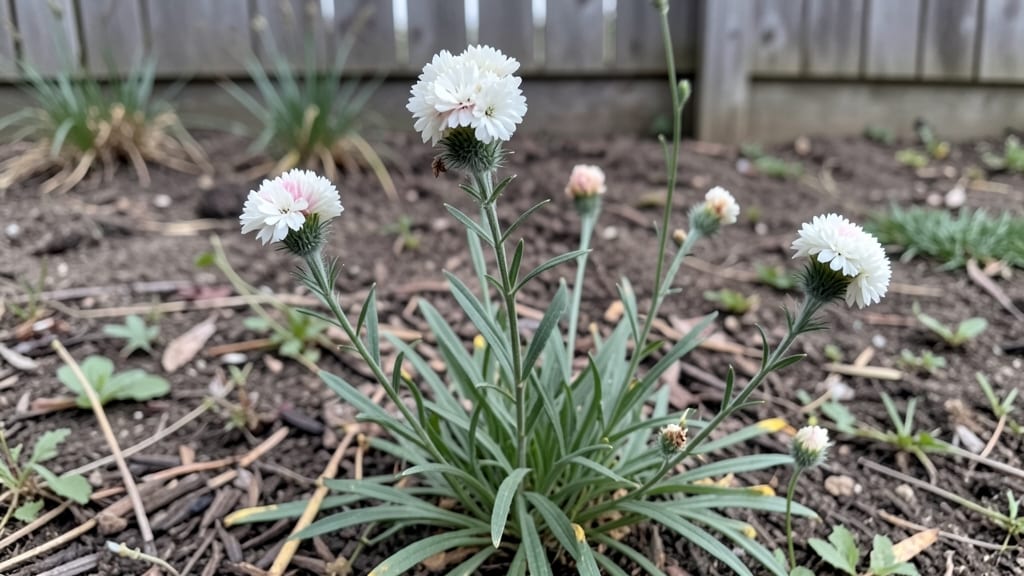
White dainty flowers transform any Pacific Northwest garden into a dreamy, ethereal retreat—especially when they bloom reliably from spring through frost. 🌿 I’ve designed borders and containers with these delicate blooms for years, and the secret lies in pairing them with the right companions.
Sweet alyssum, baby’s breath, and white roses create soft cascades that catch the light, while their fragrance lingers even on damp mornings.
These flowers thrive in the PNW’s mild climate, whether tucked into cottage-style gardens or spilling over containers. Alyssum’s tiny blossoms add texture, baby’s breath lifts vertical spaces, and roses provide structure.
The key is grouping them with greenery like ferns or ornamental grasses to balance their airy presence—think of it as layering a watercolor painting with subtle strokes.
Your garden will feel like a serene escape, with petals that shimmer in sunlight and stay fresh through rain. Pair them with lavender for contrast or dusty miller for height, and you’ll create a look that’s effortlessly elegant.
The best part? These combinations require minimal maintenance once established, so you get beauty without the fuss.
For extra impact, add white pebbles or driftwood to containers, or let them spill over stone walls. The PNW’s lush greenery makes these flowers stand out even more—proof that delicate doesn’t mean difficult. Ready to bring this dreamy aesthetic to your space?
📚 In This Guide
- What you need
- Instructions
- Tips and common mistakes
- Wrapping up and next steps
What you need
- ● White dainty flower seeds or bare-root plants: Choose from varieties like Anemone, Sweet Alyssum, Baby’s Breath, or Japanese Anemone (50–100 seeds or 5–10 plants, depending on desired coverage).
- ● Well-draining potting soil or garden soil: 5–10 gallons (adjust based on container size or garden bed).
- ● Organic compost or fertilizer: 1–2 cups (balanced 10-10-10 or slow-release option for nutrient-rich soil).
- ○ Mulch (optional but recommended): 2–3 inches of cedar chips or straw to retain moisture and suppress weeds.
- ● Fresh-cut white dainty flowers: 1–2 dozen stems (e.g., Sweet Alyssum, Baby’s Breath, or White Roses).
- ● Floral preservative: 1 packet (extends vase life by 3–5 days).
- ● Scissors or floral shears: Sharp, clean pair for clean cuts.
- ● Vase or container: Glass, ceramic, or mason jar (size depends on bouquet size).
- ○ Floral tape or chicken wire (optional): For securing stems in larger arrangements.
- ● Watering can or hose with a gentle spray nozzle: For even moisture without damaging delicate stems.
- ○ Gloves (optional): To protect hands from thorns or soil.
- ● Sunlight access: Partial shade to full sun (6+ hours/day for most varieties).
- ○ pH testing kit (optional): Ideal soil pH: 6.0–7.0 for optimal growth.
How to cultivate Pacific Northwest white dainty flowers year-round
Here’s my go-to approach for growing delicate white blooms that thrive in the PNW’s mild, damp climate.
🌱 Step 1: Select the Right Varieties for PNW Conditions
Start with cold-hardy, moisture-loving white flowers like snowdrops (Galanthus), bleeding hearts (Dicentra spectabilis), or Japanese anemones (Anemone hupehensis). These handle the region’s 40-60°F average temperatures and high humidity without fuss. Avoid tropical varieties—they’ll sulk in our cool summers.
Check each plant’s USDA hardiness zone (PNW spans zones 6-9). For example, snowdrops thrive in zones 3-9, while Japanese anemones prefer zones 5-8. I always cross-reference with local nurseries—they know which cultivars handle our acidic, well-draining soils best.
☀️ Step 2: Prepare the Planting Site for Delicate Blooms
Choose a spot with partial shade (3-6 hours of morning sun). Full sun scorches petals, while deep shade stunts growth. Test drainage first—soggy soil rots roots. Dig a hole twice as wide as the root ball but only as deep as the plant’s container.
Amend the soil with 2 inches of compost and a handful of perlite to improve aeration. White flowers often have shallow roots, so avoid heavy tilling. Gently loosen the soil around the edges of the hole—this prevents root damage when you place the plant in.
💧 Step 3: Plant and Water for Immediate Establishment
Position the plant so the top of the root ball sits level with the soil surface—burying too deep suffocates stems. Fill gaps with native soil mixed with compost (never pure mulch). Press lightly around the base to eliminate air pockets, then water deeply until moisture reaches 6 inches down.
Use a soaker hose or watering can with a rose attachment to avoid disturbing soil. Overhead watering can spread fungal spores, which white flowers (often prone to powdery mildew) despise. Mulch with 2 inches of shredded bark to retain moisture and deter weeds.
✂️ Step 4: Maintain Through Seasonal Transitions
Fertilize lightly in early spring with a balanced 10-10-10 formula (½ the recommended dose). White flowers like snowdrops and anemones prefer low-nutrient soil—too much fertilizer encourages leafy growth over blooms. Water once weekly in summer, but reduce to every 10-14 days in fall/winter when rains return.
Deadhead spent blooms immediately to encourage reblooming (except for snowdrops—their seed pods add winter interest). In late fall, trim back overgrown foliage by ⅓ to tidy the bed, but leave dried stems on perennials like anemones for winter structure.
🌿 Step 5: Protect and Extend the Blooming Season
In the PNW’s cool, damp winters, white flowers often bloom earlier or later than their color counterparts. To extend displays, cover tender varieties (like anemones) with 1-2 inches of straw mulch during hard freezes (below 20°F). Remove mulch in spring once soil thaws.
Watch for aphids or slugs—both adore delicate white petals. Handpick slugs at dusk or set beer traps (bury a shallow dish of beer nearby). For aphids, spray with neem oil in early morning to avoid harming pollinators. Aphids rarely appear on healthy plants, so consistent watering is your best defense.
Tips & tricks for perfect Pacific Northwest white flowers
These simple tricks will help you create a thriving garden of delicate white blooms that stand out in the PNW landscape.
Variety Selection: When choosing between snowdrops, bleeding hearts, and Japanese anemones, consider their blooming seasons. Snowdrops often bloom in late winter, bleeding hearts in spring, and anemones in late summer to fall. Planting a mix ensures continuous color throughout the year. For example, I always include snowdrops for early winter interest and anemones for late summer displays.
Soil Preparation: The 2 inches of compost and perlite in Step 2 is crucial for creating the ideal environment for delicate white flowers. For even better drainage, consider adding a layer of coarse sand to heavy clay soils. This prevents root rot while still maintaining moisture retention. I like to mix in a bit of worm castings too—it gives a gentle nutrient boost without overfeeding.
Watering Wisdom: The deep watering technique in Step 3 is essential, but timing matters too. Water in the early morning to allow foliage to dry before evening, which helps prevent fungal diseases like powdery mildew. I set my timer for 6 AM watering—just as the sun begins to dry the dew, but before it gets too hot.
Seasonal Care: The transition from weekly summer watering to every 10-14 days in fall is perfect for our rainy climate. However, if you notice leaves curling or wilting during dry spells, don't hesitate to water more frequently. The key is observing your plants—they'll tell you what they need through their appearance.
Pro Tips for White Dainty Flowers
- These simple tricks will help you create a thriving garden of delicate white blooms that stand out in the PNW landscape.
- Variety Selection: When choosing between snowdrops, bleeding hearts, and Japanese anemones, consider their blooming seasons.
- Soil Preparation: The 2 inches of compost and perlite in Step 2 is crucial for creating the ideal environment for delicate white flowers.
Frequently asked questions
Got questions about cultivating or enjoying white dainty flowers in the Pacific Northwest? You’re not alone! Here are some of the most common queries—and their answers—to help you grow, care for, or appreciate these delicate blooms with ease.
What are the best white dainty flowers for PNW gardens?
The Pacific Northwest’s mild, wet climate thrives with heuchera, sweet woodruff, white astilbe, or Japanese forest grass. For year-round charm, try heather (Calluna vulgaris) or white snowdrops (Galanthus), which bloom early and late. Local nurseries often carry native varieties like Pacific dogwood (Cornus nuttallii) for a bold yet dainty touch.
When is the best time to plant white dainty flowers?
For spring bloomers (like snowdrops or bleeding hearts), plant in early fall (September–October) so roots establish before winter. Summer/fall varieties (e.g., white astilbe) thrive when planted in late spring after the last frost. Evergreens like heather can go in any season, but avoid soggy soil in winter.
How often should I water white dainty flowers?
Most dainty whites prefer consistent moisture but drainage. Water 1–2 times per week (more in summer), aiming for 1 inch total. Mulch helps retain moisture—just avoid piling it against stems. Overwatering can cause root rot, so check soil moisture before watering again!
Can I grow white dainty flowers in containers?
Sweet woodruff, miniature hostas, or white impatiens thrive in pots with well-draining soil. Use containers 12+ inches deep for root space, and add perforated saucers to prevent soggy roots. Rotate pots occasionally for even sunlight—PNW’s shade-tolerant varieties love this setup!
Why are my white dainty flowers wilting or not blooming?
Common culprits:
- Too much sun: Some (like heuchera) prefer partial shade.
- Poor soil: Amend with compost for nutrients.
- Over/under-watering: Check soil moisture and adjust.
- Pests: Slugs or aphids love tender blooms—use neem oil or row covers.
Wrapping up and next steps
White dainty flowers aren’t just a fleeting beauty—they’re the Pacific Northwest’s year-round gift, bringing elegance and tranquility to any space.
Whether you’re a gardener, a floral enthusiast, or someone who simply loves nature’s soft charm, these blooms prove that delicate doesn’t mean difficult. Now’s the perfect time to embrace their magic!
Ready to bring more of this serene beauty into your life? Start by planting a few varieties in your garden or adding a bouquet to your home. Explore local nurseries or online resources to find the ideal white blooms for your climate. Happy growing! 🌸✨