
Flowers
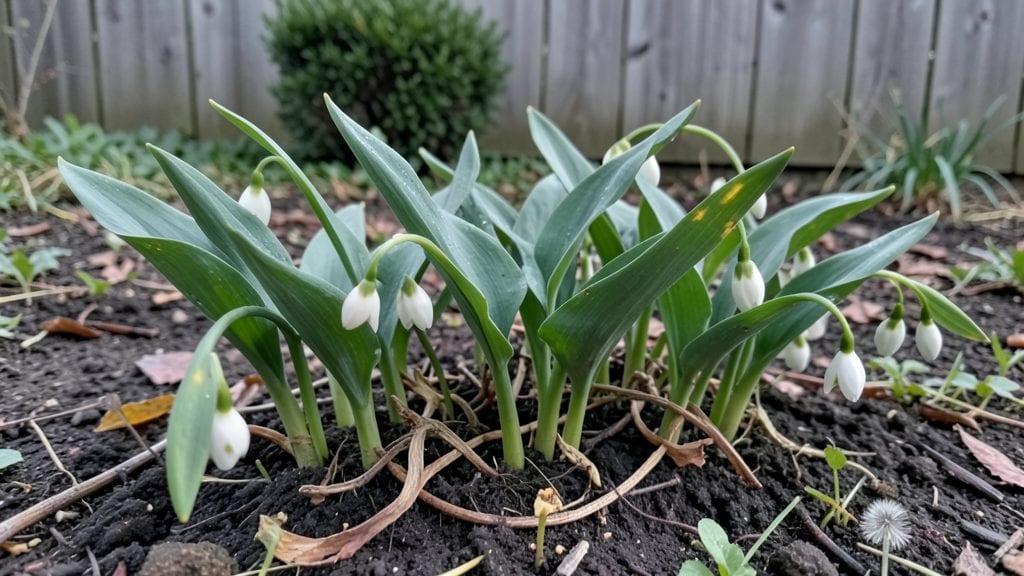
The white lily of the valley flower transforms shaded gardens into fragrant dreamlands with its delicate snow-white blooms. 🌿 I remember the first time I planted it—how the scent of honey and spring filled my morning air, even before the flowers appeared.
This shade-loving beauty thrives where most plants struggle, making it the perfect choice for woodland gardens or dim corners that need a touch of elegance.
Growing it isn’t complicated, but it does require patience and the right conditions. Plant the rhizomes in well-draining, slightly acidic soil where they’ll receive partial to full shade—think dappled sunlight filtering through trees.
Water consistently but avoid soggy soil, and you’ll see those iconic bell-shaped flowers emerge in late spring, lasting for weeks with their intoxicating fragrance.
What makes this plant special is how effortlessly it creates a lush, carpet-like effect while keeping pests at bay. Deer and rabbits usually avoid it, and its resistance to most diseases means fewer headaches for you.
By summer’s end, the foliage turns golden, adding a warm contrast before it fades for winter dormancy.
Just be mindful of its spreading habit—it can become aggressive in some climates. Contain it with barriers if needed, and you’ll enjoy its beauty without worrying about it taking over. Ready to bring this classic shade plant into your garden?
📚 In This Guide
- What you need
- Instructions
- Tips and common mistakes
- Wrapping up and next steps
What you need
- ● White lily of the valley rhizomes: 3–5 healthy, firm rhizomes (ensure they have roots and buds). Pro tip: Buy from a reputable nursery to avoid pests or diseases!
- ● Well-draining potting mix: 3–5 gallons (for containers) or enrich garden soil with compost (1–2 inches mixed into the top 6–12 inches of soil).
- ○ Containers (optional): 12–14-inch deep pots with drainage holes (if not planting in-ground). 💡 Tip: Terracotta pots help prevent root rot!
- ● Mulch: 2–3 inches of organic mulch (e.g., shredded bark or pine needles) to retain moisture and suppress weeds.
- ● Garden trowel or spade: For digging and transplanting rhizomes.
- ● Watering can or hose with a gentle spray nozzle: Lily of the valley prefers consistent moisture but hates soggy roots.
- ● Pruners or clean scissors: For trimming spent blooms or dividing overgrown clumps.
- ● Garden gloves: To protect your hands from mild irritation (some folks are sensitive to the plant’s sap).
- ● Slow-release fertilizer: 5–10-5 or 10-10-10 formula (sprinkle lightly in spring). ✨ Pro tip: Too much fertilizer can reduce fragrance!
- ● Shade cloth (30–50% coverage): If your garden gets partial sun (e.g., dappled light under trees).
- ● Peat moss or perlite: Amend heavy clay soil to improve drainage.
- ● Plant labels: Mark varieties if you’re growing multiple types.
Step-by-step instructions for planting white lily of the valley
Here’s how to grow this classic shade perennial with its signature sweet fragrance and delicate blooms.
🌱 Step 1: Choose the Perfect Planting Location
White lily of the valley thrives in partial to full shade, with 4-6 hours of morning sun at most. I always pick a spot under tall trees or along a north-facing wall where the soil stays cool and moist. The key is avoiding hot afternoon sun, which causes foliage to scorch and blooms to wilt.
Test the soil by squeezing a handful—it should feel slightly damp but not soggy. If your soil drains too quickly, mix in 2-3 inches of compost to retain moisture. This plant despises dry spells, so prioritize areas where water lingers naturally after rain.
🪴 Step 2: Prepare the Soil and Divide Crowns
Dig a hole 1-2 inches deeper than the root ball and twice as wide to encourage spreading. Lily of the valley spreads via underground rhizomes, so I plant 4-6 crowns per cluster spaced 12-18 inches apart. Each crown should sit just below soil level—burying too deep delays blooming, while planting too high risks crown rot.
Amend the soil with aged compost (about 1 gallon per plant) to improve fertility without overwhelming the plant. A light sprinkle of bone meal at planting time boosts phosphorus for stronger roots and blooms. Water deeply before backfilling to settle the soil around the roots.
💧 Step 3: Water and Mulch for Moisture Retention
Water immediately after planting to eliminate air pockets, then keep the soil consistently moist for the first 4-6 weeks. You’ll know it’s right when the top 1-2 inches of soil feel damp but not waterlogged. Overwatering smothers roots, while underwatering causes leaves to yellow.
Spread 2-3 inches of organic mulch (like shredded bark or pine needles) around the base, keeping it 2 inches away from stems to prevent rot. Mulch locks in moisture and keeps roots cool—critical for this shade-loving plant. Replenish mulch annually in early spring to maintain protection.
✂️ Step 4: Maintain and Encourage Spread
Deadhead spent blooms by snipping stems at the base to redirect energy into foliage and next year’s flowers. I also trim any yellowing leaves in early summer to keep the plant tidy and disease-free. Avoid pruning after mid-August, as new growth needs time to harden off before winter.
Divide clumps every 3-4 years in early fall or spring to control spread. Dig up sections with 3-4 crowns each, replant them, and share extras with fellow gardeners. This plant multiplies aggressively—if left unchecked, it’ll take over your shade garden in no time.
☀️ Step 5: Protect and Prepare for Winter
Lily of the valley is hardy down to USDA Zone 3, but young plants benefit from a 2-3 inch layer of straw mulch in late fall. This extra insulation prevents heaving during freeze-thaw cycles. In mild climates, no winter care is needed—just let the plant go dormant naturally.
In early spring, remove old mulch and check for slugs or snails, which adore tender new shoots. A light application of diatomaceous earth around the base deters pests without harming the plant. Once leaves emerge, resume regular watering and feeding with a balanced fertilizer in early spring for vibrant blooms.
Tips & tricks for perfect white lily of the valley planting
A few simple tricks will help you create the ideal conditions for these fragrant shade plants to thrive and multiply beautifully.
Location Intelligence: I can't stress enough how critical the morning sun is—those 4-6 hours are non-negotiable. Watch your chosen spot throughout the day to track sunlight patterns. If you notice leaves turning yellow by afternoon, you've got too much sun exposure. The ideal location should feel cool and shaded by midday, mimicking the plant's natural woodland habitat.
Soil Preparation Secret: When amending your soil with 2-3 inches of compost, I recommend mixing it into the top 6-8 inches of soil, not just spreading it on top. This creates a moisture-retaining layer that matches the plant's natural preference for damp, humus-rich forest floors. The compost should make your soil feel like a well-wrung sponge—damp but not soggy.
Planting Depth Matters: The instructions mention planting crowns just below soil level, but here's what nobody tells you—use your finger to gently press the soil around each crown after planting. This creates firm contact that prevents air pockets, which can lead to rot. Think of it like tucking in a baby: snug but not too tight. Also, if you're planting in heavy clay soil, consider adding a handful of perlite to the planting hole to improve drainage.
Mulching Strategy: That 2-3 inch mulch layer is your best friend for moisture retention, but placement is everything. Create a slight depression around the base of the plant to catch water, then mound the mulch slightly higher in the center. This creates a natural water reservoir that keeps roots consistently moist. Just remember to pull mulch back 2 inches from stems to prevent rot.
Pro Tips for White Lily Of The Valley Flower
- A few simple tricks will help you create the ideal conditions for these fragrant shade plants to thrive and multiply beautifully.
- Location Intelligence: I can't stress enough how critical the morning sun is—those 4-6 hours are non-negotiable.
- Soil Preparation Secret: When amending your soil with 2-3 inches of compost, I recommend mixing it into the top 6-8 inches of soil, not just spreading it on top.
Frequently asked questions
When is the best time to plant white lily of the valley?
The ideal time to plant Convallaria majalis is in early spring or early fall, when soil temperatures are cool (around 50–60°F). This gives roots time to establish before summer heat or winter frost. Avoid planting in extreme heat, as it can stress the delicate rhizomes. Pro tip: If you’re in a warm climate, opt for fall planting to beat the summer dryness!
How do I keep white lily of the valley from spreading too aggressively?
This beauty is a natural spreader, but you can control it! Plant in containers or buried pots to limit root expansion, or install a barrier like landscape fabric around the edges of your garden bed (bury it 6–12 inches deep). Divide and relocate clumps every 3–4 years to prevent overcrowding. Warning: It’s toxic to pets—keep it away from curious cats and dogs!
Why aren’t my white lily of the valley flowers blooming?
Several factors can delay blooms, but the most common are:
- Too much shade: While it thrives in shade, partial shade (4–6 hours of dappled light) encourages flowering.
- Overcrowding: Dig up and divide clumps if they’re dense.
- Young plants: It may take 2–3 years for established plants to bloom.
- Nutrient deficiency: Feed with balanced fertilizer (10-10-10) in early spring.
If your plant is healthy but still not flowering, it might just be taking its time—patience is key!
Can I grow white lily of the valley in containers?
Choose a wide, shallow container (at least 12 inches in diameter) with drainage holes. Use a well-draining potting mix (add perlite or sand for aeration) and plant rhizomes just below the soil surface. Place in partial shade and keep soil consistently moist. Bonus: Containers make it easy to move the plant to optimize sunlight or protect it from harsh weather.
What are some fragrant alternatives to white lily of the valley?
If you love the scent but want other shade-friendly options, try these fragrant flowers:
- Sweet woodruff (Galium odoratum): Delicate white blooms with a vanilla-like fragrance.
- Bleeding heart (Dicentra spectabilis): Pink/white flowers with a subtle, sweet aroma.
- Daffodils (Narcissus): Early bloomers with a strong, pleasant scent (tolerates partial shade).
- Lungwort (Pulmonaria): Unique spotted foliage and mild fragrance.
All are low-maintenance and thrive in similar conditions!
Wrapping up and next steps
The white lily of the valley isn’t just a fragrant beauty—it’s a low-maintenance, shade-loving gem that brings magic to any garden. 🌿 With the right soil, patience, and a dash of care, you’ll soon enjoy its iconic bell-shaped blooms and intoxicating scent.
Whether you’re a seasoned gardener or just starting, this delicate flower rewards effort with effortless elegance.
Ready to transform your shady spots into a fragrant paradise? Start small—plant a few this season—and watch your garden bloom with timeless charm! 🌸