
Flowers
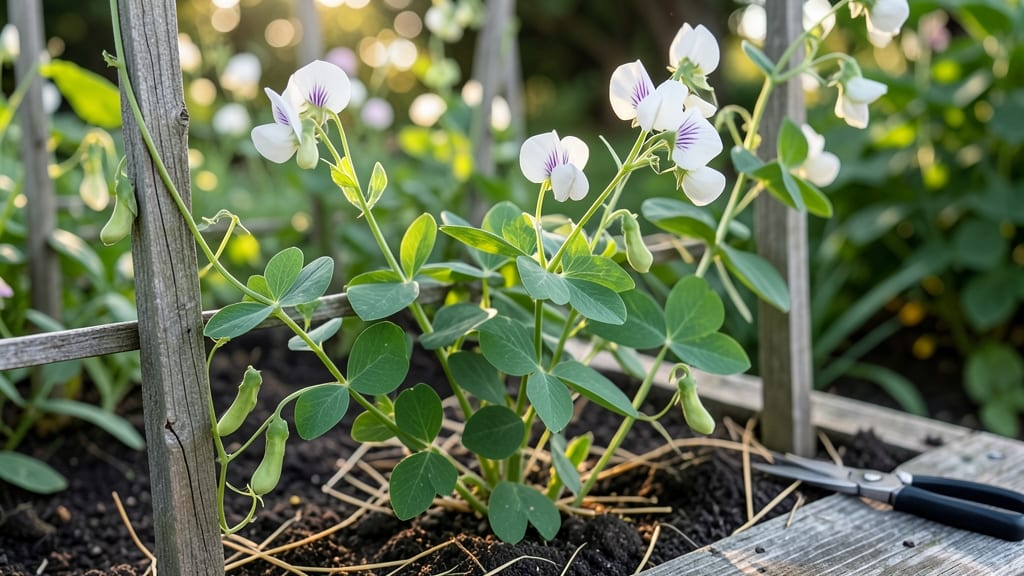
Growing white sweet pea flowers in the Pacific Northwest means fragrant blooms that defy frost and thrive where other climates struggle. 🌿 I’ve watched these delicate climbers transform my garden into a sweet-scented retreat, their silvery foliage and velvety blossoms adding texture and charm long after spring’s first flush.
The secret lies in timing—planting early enough to establish roots before summer’s heat, yet late enough to avoid winter’s harshest chill.
These frost-resistant beauties need a sturdy trellis or fence to climb, 6 hours of sunlight daily, and soil that drains well but stays moist. My trick? Mix in a handful of compost at planting time—it keeps the roots happy without smothering them.
Sweet peas also love companions like marigolds (which deter pests) and lettuce (which shares their cool-season preferences).
By late spring, you’ll be rewarded with clusters of snow-white blooms that perfume the air at dusk, their scent stronger than most roses. Prune spent flowers to encourage more blooms, and don’t let the vines get leggy—pinch back tips early to bush them up.
Even in rainy PNW summers, they keep producing until frost.
Perfect for cottage gardens, trellises, or even balcony containers with support. Here’s how to make them thrive in your space—no matter how many seasons you’ve got left to grow them.
📚 In This Guide
- What you need
- Instructions
- Tips and common mistakes
- Wrapping up and next steps
What you need
- ● White sweet pea seeds – Choose a frost-resistant variety like 'Cupani' or 'Kelvedon Wonder' (50–100 seeds, depending on desired quantity).
- ● Well-draining potting mix – A blend of peat moss, perlite, and compost (10–15 lbs, depending on pot size).
- ● Containers or garden beds – 5–7 gallon pots (with drainage holes) or a sunny garden spot with 6+ hours of light daily.
- ● Support structure – A 6–8 ft tall trellis, stake, or obelisk (sweet peas are vining plants!).
- ● Slow-release fertilizer – A balanced 10-10-10 or organic option (1–2 tbsp per plant).
- ● Watering can or hose with gentle nozzle – Sweet peas hate soggy roots!
- ● Pruning shears – For trimming dead blooms or overgrown vines.
- ● Mulch (straw or wood chips) – Helps retain moisture and protect roots in cooler PNW climates.
- ● Plant labels – To track varieties (especially if growing multiple types).
- ○ Compost tea or fish emulsion – Optional nutrient boost for faster growth.
- ● Frost cloth – Useful for early spring/fall protection in chilly PNW nights.
Step-by-Step instructions for growing white sweet peas in Pacific Northwest gardens
Sweet peas thrive in our cool, moist climate—here’s how to coax those fragrant white blooms to climb your trellis.
🌱 Step 1: Soak Seeds Overnight for Stronger Germination
Place the seeds in a bowl of lukewarm water for 12 hours—this softens the tough outer coating and speeds up sprouting. I like to use a fine mesh bag so I can hang it in the sink without losing seeds. The water should cover them completely but not be deep enough to drown them.
After soaking, drain and let them sit on a damp paper towel overnight. You’ll see them plump up slightly—this is your signal they’re ready to plant. Don’t skip this step; dry seeds can take 3-4 weeks to germinate, while soaked ones pop up in 7-10 days.
🪴 Step 2: Plant in Well-Drained Soil Along a Trellis
Choose a spot with partial shade to full sun—morning sun and afternoon shade works best in our humid summers. Dig a trench 1 inch deep along the base of your trellis, spacing seeds 2 inches apart. Plant 3-4 seeds per spot since germination rates vary.
Cover lightly with soil and water gently—no need to soak. Sweet peas love cool soil, so avoid planting until nighttime temperatures stay above 40°F. A thin layer of mulch helps retain moisture and keeps roots cool.
☀️ Step 3: Provide Support and Consistent Moisture
As seedlings emerge, guide the thinnest stems toward the trellis first—they’ll twine naturally. You’ll notice tiny tendrils curling around the supports within 2-3 weeks. Water at the base when the top 1 inch of soil feels dry, avoiding wetting the leaves to prevent fungal issues.
Sweet peas need regular watering but hate soggy roots. In our rainy climate, check drainage—containers or raised beds prevent waterlogging. Fertilizer isn’t necessary unless soil is poor; too much nitrogen reduces blooms.
✂️ Step 4: Deadhead and Encourage Continuous Blooms
Once flowers fade, pinch off spent blooms with your fingers—this redirects energy to new growth. You’ll see fresh buds forming within 1-2 weeks if the plant stays healthy. Harvest blooms in the morning for peak fragrance, and cut stems at an angle for longer vase life.
If vines look leggy, trim back by ⅓ after the first flush of blooms. This encourages bushier growth and more flowers. In fall, let some pods form for next year’s seeds—just leave a few on the plant before frost.
⏰ Step 5: Prepare for Winter and Next Season
Sweet peas are frost-tolerant, but once blooms finish, cut back vines to 6 inches above ground. Mulch heavily with 3-4 inches of straw or leaves to protect roots through winter. In early spring, remove old mulch and add compost before new growth appears.
For continuous blooms, succession plant every 2 weeks from late winter through early summer. Our cool climate lets you grow them year-round with proper care—just watch for pea aphids and treat with soapy water if needed.
Tips & tricks for perfect white sweet pea blooms
Here's what I learned after growing these fragrant beauties for years in our Pacific Northwest climate—tricks that'll make all the difference for your white sweet peas.
Soaking Secret: The 12-hour soak in lukewarm water is non-negotiable for our cool climate. I've found that using a fine mesh bag with a twist tie at the top prevents seeds from floating away while keeping them fully submerged. After soaking, place the damp paper towel in a sealed plastic bag to maintain humidity—this speeds germination to those promised 7-10 days instead of the 3-4 weeks with dry seeds.
Planting Precision: In Step 2, that 1-inch depth and 2-inch spacing is crucial for our dense soils. I like to make a shallow trench first, then place 3-4 seeds every 2 inches along the trellis base. Planting closer than 2 inches can lead to overcrowding as vines mature, while deeper planting risks rot in our wet winters. Mark your planting spots with small sticks if you're working with multiple rows.
Climate-Specific Care: Our Pacific Northwest summers demand special attention to watering. Check that top inch of soil daily during heatwaves—sweet peas wilt quickly in our humid heat. I've found that watering in the early morning gives foliage time to dry before evening moisture sets in, preventing fungal issues that are common here. The 40°F nighttime minimum is your green light to plant, but don't rush—wait for consistent warmth to avoid frost damage.
Winter Prep: That 3-4 inch mulch layer in Step 5 is your best defense against our wet winters. I use a mix of straw and fallen leaves, adding a layer of cardboard underneath to block moisture from reaching the soil. This insulation keeps roots protected down to 6 inches above ground, which is exactly where you want those roots to stay active through winter.
Pro Tips for White Sweet Pea Flower
- Here's what I learned after growing these fragrant beauties for years in our Pacific Northwest climate—tricks that'll make all the difference for your white sweet peas.
- Soaking Secret: The 12-hour soak in lukewarm water is non-negotiable for our cool climate.
- Planting Precision: In Step 2, that 1-inch depth and 2-inch spacing is crucial for our dense soils.
Frequently asked questions
Got questions about growing white sweet pea flowers?
Here are answers to the most common ones—from planting tips to troubleshooting—so you can enjoy these fragrant blooms in your Pacific Northwest garden with ease!
When is the best time to plant white sweet pea seeds?
The ideal time to plant white sweet pea seeds is in early spring (March–April) or late summer (August–September) for a fall bloom. Since they’re frost-resistant, you can even sow seeds directly into the garden as soon as the soil is workable (around 40°F). For a continuous display, stagger plantings every 2–3 weeks.
Do white sweet peas need full sun, or can they grow in partial shade?
White sweet peas thrive in partial shade (4–6 hours of sunlight daily), making them perfect for Pacific Northwest gardens where full sun can be intense. In hotter microclimates, afternoon shade helps prevent wilting. Just ensure they get morning sun for best blooming. Pro tip: Mulch around the base to retain moisture in drier spots!
Why aren’t my white sweet pea flowers opening, even though the vines are growing?
If your sweet peas are producing lots of foliage but few blooms, it’s often due to over-fertilization (too much nitrogen) or lack of support. Try these fixes:
- Switch to a low-nitrogen, high-phosphorus fertilizer (like 5-10-10) to encourage flowering.
- Ensure vines have trellis or stake support—crowded growth can stress plants.
- Check for pests like aphids, which sap energy from buds.
Can I grow white sweet peas in containers, or do they need a garden bed?
Sweet peas adapt well to containers (at least 12 inches deep) as long as they have:
- Well-draining soil with compost.
- A sturdy trellis or cage for climbing.
- Consistent moisture (containers dry out faster).
Choose large pots or window boxes for better stability, especially in windy PNW areas. Pro tip: Use a self-watering planter to reduce maintenance!
Are there any alternatives to white sweet peas for fragrant, frost-hardy flowers?
If you love sweet peas but want variety, try these fragrant, cold-tolerant PNW-friendly flowers:
- Stock (Matthiola incana) – Drought-resistant with sweet clove-like scent; blooms spring to fall.
- Lungwort (Pulmonaria) – Hardy perennial with spotted leaves and early spring blooms.
- Sweet William (Dianthus barbatus) – Clustering flowers in cool shades; thrives in partial shade.
- Violas (Viola odorata) – Delicate, edible flowers that tolerate light frost.
All are low-maintenance and add texture to your garden!
Wrapping up and next steps
Growing white sweet pea flowers in the Pacific Northwest is a rewarding journey—packed with fragrant blooms and hardy resilience! 🌸 These frost-tolerant beauties thrive with minimal fuss, offering a burst of charm to gardens year after year.
Whether you're a seasoned gardener or just starting, their easy-care nature makes them a perfect fit for your outdoor space.
Ready to transform your garden? Start by planting your seeds or seedlings this fall, and soon you’ll be enjoying their sweet scent and delicate blooms. Next step: Mark your calendar for late September to ensure you’re ready to plant before the first frost—your future garden will thank you!