Flowers
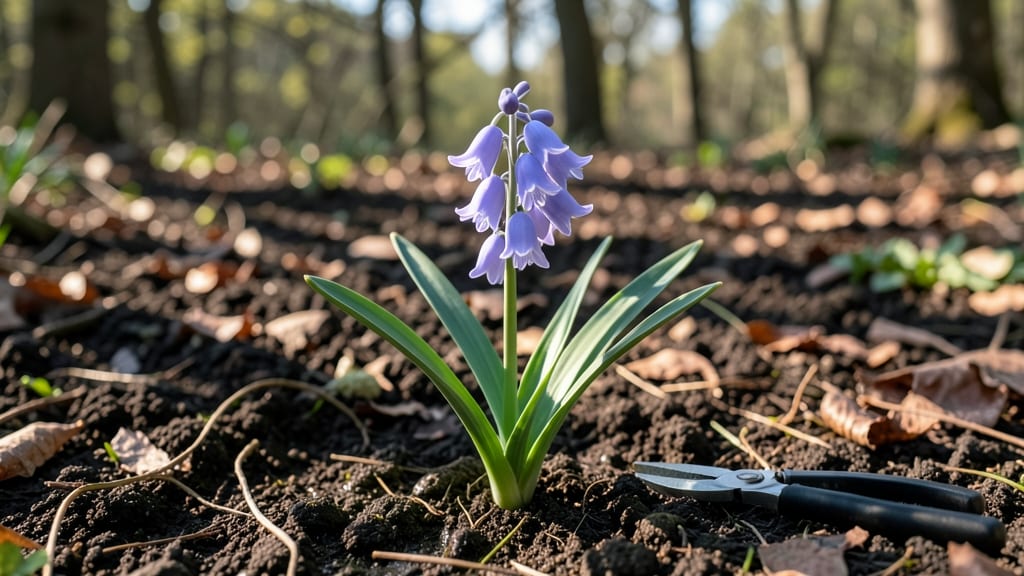
There’s nothing like the wild bluebell flower painting your garden in soft, bell-shaped blues each spring—especially when it thrives where frost can’t touch it. 🌿 These Pacific Northwest natives turn shady corners into magical woodland scenes, their delicate stalks nodding like fairy lanterns in the breeze.
I’ve seen them transform understory spaces into dreamy, dappled-light wonderlands that feel like stepping into a storybook.
The secret to their charm isn’t fuss—just the right spot. They adore dappled shade under trees or along fences where morning sun spills through leaves. Pair them with native ferns, salal, or early-blooming trilliums for a layered, ever-changing display from winter through summer.
Their fragrance, light and sweet, lingers on still mornings, making every stroll through the garden feel like a quiet discovery.
Imagine your garden in April: the first bluebells peeking through last year’s leaves, their color brightening as more join the chorus. They multiply happily over time, creating natural drifts that feel wild yet intentional.
The best part? They’re tough enough to handle our rainy winters and still burst into bloom when others lag behind.
For cottage gardens, let them spill along pathways where you can brush their petals as you pass. In woodland settings, mass them under conifers for year-round texture. And if you love pollinators, they’ll attract bees early in the season when food is scarce.
The magic is in the details—where light dances, where roots run deep, and where nature does most of the work.
📚 In This Guide
- What you need
- Instructions
- Tips and common mistakes
- Wrapping up and next steps
What you need
- ● Wild bluebell bulbs: 10-20 bulbs (choose certified organic or locally sourced for best results).
- ● Well-draining soil: A mix of 60% topsoil, 30% compost, and 10% perlite or coarse sand (pH 6.0-7.0).
- ● Mulch: 2-3 inches of leaf litter, wood chips, or shredded bark (to mimic their natural woodland habitat).
- ● Organic fertilizer: A slow-release, balanced formula (5-5-5 or similar) for planting.
- ● Garden trowel or bulb planter.
- ● Garden fork or spade (for loosening soil).
- ● Watering can or hose with a gentle spray nozzle.
- ○ Gloves (optional but recommended for handling soil and bulbs).
- ● Measuring tape or ruler (to ensure proper spacing).
- ● Drip irrigation system (for consistent moisture in dry spells).
- ● Shade cloth (if planting in overly sunny areas).
- ● Wildflower companion plants (e.g., ferns, hellebores, or native grasses for a natural look).
- ● Plant labels (to track varieties if experimenting with different bluebell types).
- ● A partially shaded spot (dappled sunlight or 4-6 hours of morning sun).
- ● Well-draining soil (bluebell bulbs hate soggy roots!).
- ● Patience! Bluebells take 2-3 years to reach full bloom.
How to grow wild bluebells in Pacific Northwest woodland gardens
Here's the natural approach I've used to bring these delicate woodland flowers into my own garden space.
🌱 Step 1: Choose the Right Location and Prepare the Soil
Wild bluebells thrive in dappled shade where they receive morning sun and afternoon shade—think under deciduous trees like maple or birch. The soil should be well-draining but consistently moist, mimicking their woodland habitat. I test the soil by pressing my finger into it; it should feel damp but not soggy.
If your soil is heavy clay, mix in a few inches of organic matter like leaf mold or compost. Bluebells hate dry conditions, so if your garden drains too quickly, add a layer of mulch to retain moisture. I spread a 2-inch layer of shredded bark mulch around the planting area to protect the soil and keep it cool.
🌿 Step 2: Plant Bluebell Bulbs at the Right Depth and Spacing
Plant bulbs in early fall, about 6-8 weeks before your first frost. Dig holes 2 inches deep—just enough to cover the bulb with a little extra soil on top. Space them 3-4 inches apart to allow room for growth. I like to plant them in small clusters of 3-5 bulbs to create natural-looking drifts.
Don't bury the bulbs too deep—they need to be shallow to push through the soil easily. If you're planting in an existing woodland garden, gently loosen the soil with a fork or your hands rather than digging up large areas. Bluebells grow best when left undisturbed, so minimal soil disruption is key.
☀️ Step 3: Provide Consistent Moisture and Light Conditions
Water the planting area thoroughly after planting, then keep the soil consistently moist but not waterlogged. Bluebells are drought-sensitive, so I check the soil weekly during dry spells. You'll know it's time to water when the top inch of soil feels dry to the touch.
Once established, bluebells are quite resilient, but they do best with some afternoon shade. If you notice the leaves turning yellow or the flowers fading early, it's a sign they're getting too much direct sun. I often plant them near taller trees or shrubs to filter the light naturally.
✂️ Step 4: Maintain and Encourage Natural Spread
Bluebells multiply over time, so you won't need to replant them often. After the flowers fade, leave the foliage in place until it turns yellow and dies back naturally. This process feeds the bulbs for next year's blooms. I resist the urge to tidy up too soon—patience pays off.
If you want to encourage more bluebells, you can gently separate and transplant small clusters in early fall. Just dig up a section of the plant, divide it into smaller groups, and replant them in new areas. Over time, your garden will fill with these charming woodland flowers.
⏰ Step 5: Enjoy and Protect for Future Seasons
Bluebells typically bloom in late spring, just as the trees begin to leaf out. The flowers last about 2-3 weeks, but their delicate blue bells create a stunning display. To prolong their beauty, I avoid cutting the flowers and instead let them fade naturally on the plant.
In late summer or early fall, you can fertilize lightly with a balanced, slow-release fertilizer to encourage strong bulb growth for next season. I use a 10-10-10 fertilizer sparingly—just a sprinkle around the base of the plants. Over-fertilizing can lead to weak blooms, so less is more with these woodland natives.
Tips & tricks for perfect wild bluebell gardens
These simple strategies will help you create thriving woodland gardens that bring out the best in your wild bluebells.
Soil Preparation Secret: Before planting, I always create a "moisture reservoir" by digging a shallow trench around the planting area. This helps maintain consistent moisture during dry spells, which is critical since bluebells hate dry conditions. Fill it with leaf mold or compost, then cover with mulch to keep it protected. This simple step mimics their natural woodland habitat perfectly.
Planting Timing: The 6-8 week window before your first frost is ideal because it gives the bulbs time to establish roots before winter. In the Pacific Northwest, this typically means planting in early to mid-October. If you miss this window, don't worry—you can plant as late as December, but the bulbs may need extra protection from winter rains. I always mark my calendar to remind myself!
Light Conditions: Bluebells will tolerate morning sun, but afternoon shade is crucial. If you notice the leaves turning yellow or flowers fading early, it's a sign they're getting too much direct sun. A simple trick is to plant them near taller trees or shrubs that will filter the light naturally. You can also use shade cloth (30-50% coverage) if you don't have natural shade options.
Fertilizer Strategy: When using the 10-10-10 fertilizer, I apply it very lightly—just a sprinkle around the base of the plants in late summer. Over-fertilizing can actually weaken the blooms, so less is more with these woodland natives. I think of it as giving them just enough to encourage strong bulb growth without overwhelming them.
Pro Tips for Wild Bluebell Flower
- These simple strategies will help you create thriving woodland gardens that bring out the best in your wild bluebells.
- Soil Preparation Secret: Before planting, I always create a "moisture reservoir" by digging a shallow trench around the planting area.
- Planting Timing: The 6-8 week window before your first frost is ideal because it gives the bulbs time to establish roots before winter.
Frequently asked questions
Got questions about the enchanting wild bluebell flower? You’re not alone! Here are answers to the most common queries—from timing to care—so you can enjoy these Pacific Northwest woodland darlings with confidence.
When is the best time to see wild bluebells in bloom?
Wild bluebells typically bloom in late winter to early spring (February–April), often peeking through snow or damp forest floors. In the Pacific Northwest, they’re one of the first signs that spring is on its way! Look for them in shady, moist woodlands—they thrive where sunlight is scarce.
Can I grow wild bluebells in my garden?
While they’re native to Europe, wild bluebells adapt well to USDA Zones 3–8 (including the PNW). Plant bulbs in fall in partial shade with well-draining, acidic soil. Mimic their woodland habitat by mulching with leaf litter. Pro tip: Avoid overwatering—they dislike soggy roots!
Are wild bluebells toxic to pets or humans?
No need to worry! Wild bluebells (Hyacinthoides non-scripta) are non-toxic to humans and pets. However, their lookalike, the autumn crocus (Colchicum autumnale), is toxic—so always confirm your ID before foraging or planting. When in doubt, admire them from afar!
Why aren’t my bluebells flowering this year?
Several factors can delay blooms: too much sunlight, poor drainage, or overcrowded bulbs. Ensure they’re in partial shade and divide bulbs every 3–4 years if growth slows. If they’re not blooming after 2 years, check for pests (like squirrels) or fungal issues (yellow leaves = overwatering). Patience pays off—they often take 2–3 years to establish!
What’s a great alternative if I can’t grow wild bluebells?
If your climate or soil isn’t ideal, try these PNW-friendly alternatives with similar charm:
- Pacific Coast Iris (Iris tenax) – Thrives in coastal gardens, blooms spring–summer.
- Dutchman’s Breeches (Dicentra cucullaria) – Native woodland beauty with unique white blooms.
- Faithful Camas (Camassia leichtlinii) – Striking blue spikes, drought-tolerant.
Wrapping up and next steps
The wild bluebell flower is a true gem of the Pacific Northwest, thriving in frost and adding a touch of enchantment to woodlands with its delicate, bell-shaped blooms.
Whether you're admiring them in the wild or cultivating your own, these resilient flowers remind us of nature’s quiet beauty and the joy of connecting with the outdoors.
Ready to embrace the magic? Start by exploring local trails to spot wild bluebells in their natural habitat—or plant a few in your garden to bring a splash of woodland charm to your space.
Every step you take brings you closer to the wonders of this frost-resistant woodland beauty! 🌿✨