Flowers
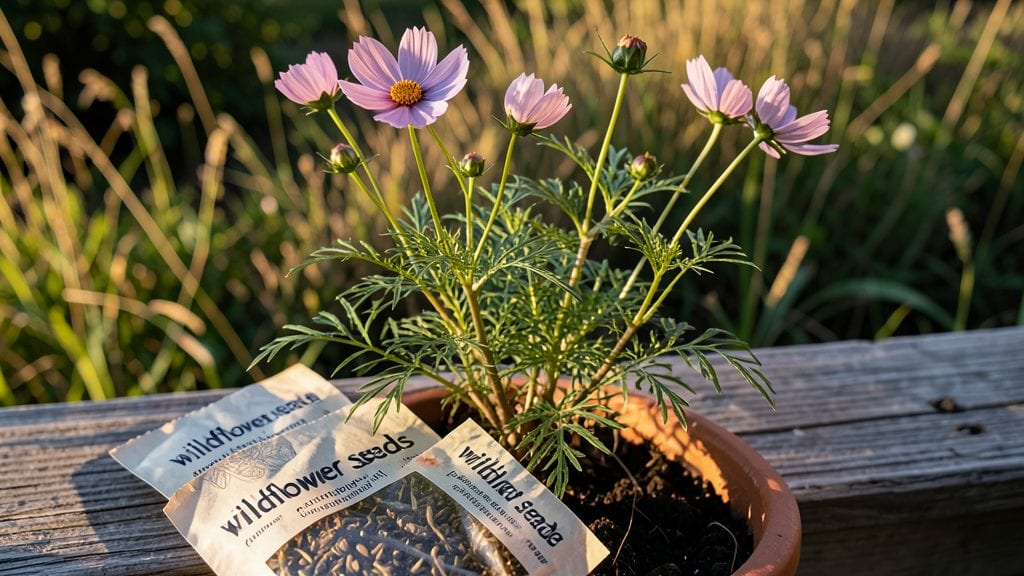
Planting wildflower seeds in the Pacific Northwest delivers year-round color without the fuss of a manicured garden. 🌸 The secret lies in choosing native varieties that thrive in our damp winters and mild summers—no green thumb required, just a patch of ground and a handful of seeds.
Most gardeners assume wildflowers mean messy, unruly patches, but the right mix stays compact and blooms from early spring through frost. I’ve tested dozens of blends, and the best perform with minimal prep: loamy soil, full sun, and occasional watering.
Even my shady corner produces cheerful blooms with the right species.
You’ll end up with a meadow that hums with bees, butterflies, and birds—no pesticides needed. The flowers attract pollinators while suppressing weeds naturally. By late summer, your space will look like a postcard, all while supporting local ecosystems.
Whether you’re sowing in fall for spring blooms or spring for summer color, the timing works around our climate. Native mixes like Pacific Giant or Willamette Valley blends handle rain and drought better than imported seeds. Let’s get those seeds in the ground!
📚 In This Guide
- What you need
- Instructions
- Tips and common mistakes
- Wrapping up and next steps
What you need
- ● Wildflower seeds (Pacific Northwest-friendly varieties): 1–5 lbs, depending on your space. Look for native mixes like Lupine, Yarrow, Columbine, or Oregon Sunshine.
- ● Well-draining soil: Native soil or a blend of topsoil + compost (60/40 ratio).
- ● Watering can or hose with a gentle spray nozzle.
- ○ Garden gloves (optional but recommended for comfort).
- ● Hand rake (for preparing soil).
- ● Garden hoe or tiller (if tilling larger areas).
- ● Measuring tape or string (for marking planting areas).
- ○ Mulch or straw (to retain moisture, optional).
- ○ Bird/nesting deterrent (like netting, optional for seed protection).
- ● A sunny to partially shaded spot (6+ hours of sunlight for most wildflowers).
- ● Well-drained soil (PNW’s wet climate means avoiding low-lying areas).
- ● Patience—some wildflowers take 1–2 years to fully bloom!
How to grow Pacific Northwest wildflowers for year-round beauty
Here’s my battle-tested method for establishing vibrant wildflower meadows that thrive in the PNW’s mild, wet climate.
🌱 Step 1: Prepare the Soil for Native Wildflowers
Wildflowers in the Pacific Northwest prefer well-draining soil with organic matter, but they’re tough enough to handle rocky or sandy conditions. Start by clearing the area of weeds, then loosen the top 6 inches of soil with a broadfork or tiller. Avoid tilling deeply—wildflowers have shallow roots and need loose surface soil.
If your soil is heavy clay, mix in 2-3 inches of compost or well-rotted leaf mold to improve drainage. Test the pH—most PNW wildflowers prefer slightly acidic to neutral (5.6-7.0). If your soil is too alkaline, add sulfur or peat moss to adjust. Water the area lightly after prepping to settle the soil before seeding.
🌿 Step 2: Choose and Scatter Seeds at the Right Time
For year-round blooms, select a mix of early, mid, and late-season wildflowers like lupine, penstemon, yarrow, and Oregon grape. Scatter seeds in early fall (September-October) for spring blooms or late winter (February-March) for summer color. Spring sowing works too, but fall gives seeds time to stratify naturally.
Spread seeds evenly by hand or with a broadcast spreader—wildflowers don’t need thick planting. Lightly rake the soil to cover seeds with no more than ¼ inch of dirt. Press the area gently with a board to ensure good seed-to-soil contact. Avoid burying seeds too deeply; most need light to germinate.
☀️ Step 3: Water and Maintain for the First Growing Season
Keep the soil consistently moist (but not soggy) for the first 4-6 weeks after sowing. Water deeply 2-3 times per week in dry spells, aiming for ½ inch of water per session. Once seedlings appear, reduce watering to once a week—wildflowers are drought-tolerant once established.
Mulch lightly with straw or wood chips to retain moisture and suppress weeds, but avoid thick layers that could smother seedlings. Thin crowded seedlings to 6-12 inches apart once they reach 2-3 inches tall to give plants room to grow. This ensures stronger stems and better blooms.
✂️ Step 4: Encourage Regrowth and Manage Weeds
After the first bloom cycle, cut back spent flowers by ⅓ of their height in early summer to encourage a second flush of blooms. Avoid removing all stems—some wildflowers self-seed prolifically, and leaving seed heads adds winter interest. Deadhead only if weeds are overwhelming the area.
Weed control is critical in the first year. Wildflowers grow slowly at first, so pull weeds by hand or spot-treat with vinegar-based herbicide (avoid chemical sprays near blooming plants). Once established, wildflowers will outcompete most weeds naturally. Fertilize lightly in spring with ½ cup of 5-10-10 fertilizer per 100 sq ft—wildflowers prefer lean soil.
Tips & tricks for perfect Pacific Northwest wildflower meadows
These battle-tested insights will help you transform your garden into a thriving PNW wildflower haven that blooms season after season.
Soil Prep Secrets: In Step 1, when loosening that top 6 inches, focus on breaking up compaction rather than turning the soil completely. Wildflowers thrive with loose surface layers—think of it like fluffing a pillow for their roots. For clay-heavy soils, mix in compost in a 2:1 soil-to-compost ratio rather than the full 2-3 inches. This prevents waterlogging while still improving drainage.
Stratification Shortcut: For the fall planting window in Step 2, you can mimic natural stratification by placing seeds in a damp paper towel, sealing them in a bag, and refrigerating for 2-3 weeks before sowing. This jumpstarts germination and gives you a head start on spring blooms. Just be sure to plant within 2 weeks of removing from the fridge.
Watering Wisdom: During that critical 4-6 week moist-but-not-soggy phase in Step 3, water in the early morning so leaves have time to dry before evening. This prevents fungal issues that can plague young seedlings. I use a gentle rain shower attachment on my hose to avoid disturbing the soil surface where seeds are just beginning to sprout.
Weed Management Strategy: In Step 4, when thinning seedlings to 6-12 inches apart, use the pulled weeds as mulch around your established plants. This creates a natural weed barrier while returning nutrients to the soil. For stubborn weeds, I've found that a thin layer of cardboard followed by straw works better than chemical treatments—it blocks light without harming your wildflowers.
Pro Tips for Wild Flowers Seeds
- These battle-tested insights will help you transform your garden into a thriving PNW wildflower haven that blooms season after season.
- Soil Prep Secrets: In Step 1, when loosening that top 6 inches, focus on breaking up compaction rather than turning the soil completely.
- Stratification Shortcut: For the fall planting window in Step 2, you can mimic natural stratification by placing seeds in a damp paper towel, sealing them in a bag, and refrigerating for 2-3 weeks before sowing.
Frequently asked questions
Got questions about growing wildflower seeds in the Pacific Northwest?
You’re not alone! Here are some of the most common queries—and straightforward answers—to help you get started with confidence.
When is the best time to plant wildflower seeds in the PNW?
The ideal window is late summer to early fall (August–October) for spring blooms. This gives seeds time to establish roots before winter. For spring planting (March–April), opt for cool-season varieties like Lupine or Blue-eyed Grass. Pro tip: Avoid planting in extreme heat or drought—seeds need moisture to germinate!
How long does it take for wildflower seeds to sprout and bloom?
Germination varies by species but typically takes 2–6 weeks in optimal conditions. Most wildflowers bloom in their first or second year, with some (like Yarrow) taking up to 3 years for full color. Patience pays off! Thin seedlings to 6–12 inches apart for healthier growth.
Do wildflower seeds need special care after planting?
Once scattered, keep the soil lightly moist (not soggy) for the first 2–3 weeks. Mulch lightly with straw to retain moisture and deter weeds. After germination, water deeply but infrequently—PNW wildflowers thrive with low maintenance. Avoid fertilizers; most prefer poor, well-drained soil!
Will wildflower seeds attract pests like bees or rodents?
Wildflowers are bees’ and butterflies’ favorite buffet—which is the goal! To deter rodents, plant in sunny, open areas and avoid thick mulch. If squirrels are a problem, try small seed packets or scatter seeds by hand. Bonus: Native varieties (like Oregon Sunshine) support local ecosystems without over-attracting pests.
Can I mix wildflower seeds with grass seed?
Yes! For a low-maintenance meadow look, mix wildflower seeds with clover or fine fescue (10–20% grass seed). This stabilizes soil and reduces erosion. Avoid tall fescue—it can outcompete wildflowers. For best results, use a pre-mixed PNW-friendly blend from local nurseries.
What if my wildflowers don’t grow?
Common issues include poor soil prep, over-watering, or shade. Try these fixes:
- Scratch the soil lightly before planting (wild seeds need light to germinate).
- Ensure 6+ hours of sun daily (most PNW natives love full sun).
- Test soil pH—acidic or alkaline conditions may hinder growth.
- Replant in fall if spring planting failed.
Wrapping up and next steps
Transforming your Pacific Northwest garden into a vibrant, year-round wildflower sanctuary is simpler than you think! By choosing the right wildflower seeds—like native varieties of Lupine, Yarrow, or Columbia Violet—you’ll create a low-maintenance, pollinator-friendly space that thrives in your region’s unique climate. 🌸
Ready to take the next step? Start small—pick a sunny or partially shaded spot, gather your supplies, and let nature do the rest. Your garden (and local bees and butterflies!) will thank you. Happy planting!