
Flowers
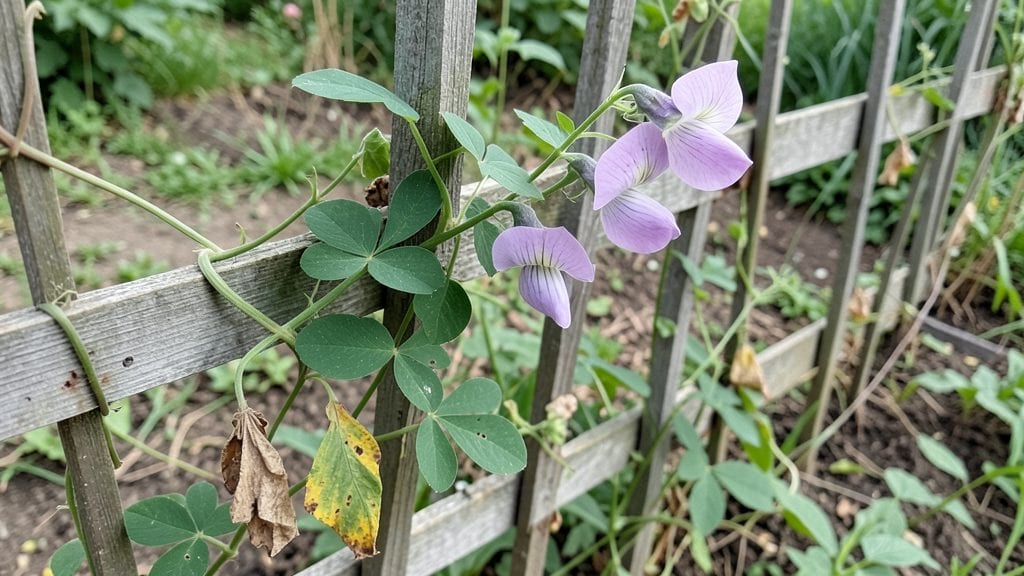
Growing wild sweet pea flowers (Lathyrus odoratus) means inviting fragrant, butterfly-loving vines into your garden that taste as good as they smell. 🌿 These hardy climbers thrive where cultivated varieties struggle—dry hillsides, poor soil, and even rocky crevices—making them perfect for wild gardens or neglected corners.
The secret to their success? Minimal fuss—they love sun but tolerate partial shade, need only moderate water, and flourish in almost any soil. Unlike fussy hybrid sweet peas, these wild cousins self-seed freely, creating fragrant meadows year after year with almost no effort from you.
You’ll end up with delicate, edible blooms that hummingbirds adore and pollinators can’t resist. The scent lingers like honey in warm air, and the seeds are a protein-rich treat for birds. Plus, they climb effortlessly on fences, trellises, or even bare branches, turning bare spaces into fragrant tunnels.
Whether you’re reviving a wild patch or adding pollinator power to your garden, these tough beauties deliver color, fragrance, and food without the fuss. Let’s get those seeds in the ground!
📚 In This Guide
- What you need
- Instructions
- Tips and common mistakes
- Wrapping up and next steps
What you need
- ● Wild Sweet Pea Seeds: 10–20 seeds (choose heirloom or organic varieties for best flavor and fragrance).
- ● Growing Containers or Garden Bed: For containers: 5–10 gallon pots with drainage holes (1–2 plants per container).
- ● For in-ground planting: Well-draining soil with a slightly alkaline pH (6.5–7.5).
- ● Potting Soil or Garden Soil: 2–3 bags of high-quality, organic soil mix (amend with compost for nutrient-rich growth).
- ● Fertilizer: Balanced, organic fertilizer (e.g., 10-10-10 or fish emulsion) or slow-release granules.
- ● Watering Can or Hose: With a gentle spray nozzle for hydration without damaging delicate blooms.
- ● Pruning Shears: Sharp, clean shears for harvesting and trimming.
- ○ Garden Gloves (Optional): To protect hands from thorns or soil.
- ● Tweezers or Small Scissors: For precise flower harvesting (avoid damaging stems).
- ● Food-Grade Storage Container: Airtight container or paper towel-lined box to keep blooms fresh for 2–3 days.
- ○ Edible Flower Syrup or Honey (Optional): For infusing sweet pea petals into syrups, teas, or garnishes.
- ● Salad Greens or Recipes: Pair with light dishes like salads, desserts, or cocktails (e.g., sweet pea flower lemonade!).
- ● Bee-Friendly Companion Plants: Marigolds, lavender, or borage to attract pollinators to your sweet pea patch.
- ● Pebbles or Mulch: To retain moisture and deter weeds around plants.
How to grow wild sweet pea flowers for fragrance and pollinator appeal
These hardy climbers bring both beauty and function to gardens with minimal fuss.
🌱 Step 1: Select the Right Location and Soil
Wild sweet peas thrive in well-draining soil with a slightly alkaline pH between 6.5-7.5. I always test my garden soil first—these plants despise soggy roots. Amend heavy clay with 2-3 inches of compost or sand to improve drainage. Choose a spot with full sun to partial shade—at least 6 hours of sunlight daily ensures robust blooms.
These vines love to climb, so position them near a trellis, fence, or obelisk. I plant mine along a 6-foot tall arbor where they can scramble upward naturally. The more vertical space they have, the more flowers they'll produce. Avoid low-lying areas where water pools after rain—root rot is their biggest enemy.
☀️ Step 2: Plant Seeds at the Right Depth and Spacing
Sow seeds ½ inch deep in early spring, 2-3 weeks before your last frost date. Wild sweet peas germinate best in soil temperatures between 60-70°F. I like to pre-soak seeds overnight in lukewarm water to soften the outer coating—this speeds up germination from 2-3 weeks to just 7-10 days. Plant 4-6 seeds per foot of trellis, spacing them 4-6 inches apart in rows 12 inches apart.
Thin seedlings to the strongest 2-3 plants per foot once they reach 3-4 inches tall. The reason? Crowded plants compete for nutrients and produce fewer blooms. You'll know which to keep—they'll have the darkest green leaves and sturdiest stems. Snip the extras at soil level with clean scissors to avoid disturbing roots.
💧 Step 3: Water and Fertilize for Continuous Blooms
Water deeply once a week during the first growing season, aiming for 1 inch of water per week. Let the top 2 inches of soil dry out between waterings—wild sweet peas are drought-tolerant once established but need consistent moisture when young. I water at the base of the plant in the morning to prevent fungal issues from evening dampness.
Feed with a balanced, organic fertilizer (10-10-10) when flowers first appear, then again 6 weeks later. I use fish emulsion for a gentle boost—these plants respond well to organic matter but hate heavy nitrogen, which promotes leafy growth at the expense of blooms. Watch for yellowing leaves as a sign of over-fertilizing; flush the soil with water if this happens.
✂️ Step 4: Prune and Deadhead for Long-Lasting Beauty
Pinch back the first set of true leaves when seedlings are 4-6 inches tall to encourage bushier growth. This simple step prevents leggy vines and produces more lateral branches with flowers. I also remove any weak or crossing stems to improve airflow—this prevents powdery mildew, a common issue with sweet peas.
Deadhead spent blooms weekly by snipping the stem just above the first set of healthy leaves. This encourages continuous flowering throughout the season. If you're growing for seed, leave 2-3 pods per plant to mature—wild sweet peas self-seed readily, so you'll likely get volunteers the following year. Harvest seeds when pods turn brown and papery, then store in a cool, dry place for next season.
🪴 Step 5: Support and Protect for Next Season
As vines mature, gently weave them through the trellis to prevent tangling. Wild sweet peas are perennial in USDA zones 5-9 but may need winter protection in colder climates. I mound 2-3 inches of mulch around the base in late fall to insulate roots. In zone 4 or colder, cut back vines to 6 inches tall after the first frost and cover with straw or burlap for winter.
These plants are self-cleaning—they rarely need pruning after the initial shaping. However, if you notice yellowing or brown leaves, it’s often a sign of aphids or spider mites. Spray with neem oil or insecticidal soap at the first sign of pests. With proper care, your wild sweet peas will reward you with fragrant blooms from early summer until frost, attracting bees and butterflies while adding a delicate touch to your garden.
Tips & tricks for perfect wild sweet pea flowers
Transforming your garden into a fragrant haven with wild sweet peas starts with these essential insights that'll make all the difference.
Soil Preparation Secret: Before planting, mix 2-3 inches of compost directly into the soil to create that ideal slightly alkaline environment (pH 6.5-7.5). I've found that adding a handful of wood ash to the planting hole gives an extra boost to that alkaline range without overdoing it. This preparation prevents the dreaded root rot that can plague these delicate climbers when soil conditions are off.
Germination Game-Changer: The overnight soak in lukewarm water for those ½-inch deep seeds isn't just helpful—it's essential for breaking through the tough seed coat. I've seen germination times cut from 2-3 weeks to just 7-10 days when using this method. For best results, use a shallow dish with just enough water to cover the seeds, then drain before planting in the morning.
Pruning Technique: When pinching back those first true leaves at 4-6 inches tall, focus on creating an open, airy structure rather than just removing growth. I make my cuts just above a leaf node where new growth will emerge, and I always leave at least two strong leaves remaining. This encourages those lush lateral branches that produce the most flowers while maintaining plant health.
Season-Long Care: The weekly deadheading routine pays off big time for continuous blooms. I've found that using clean, sharp pruning shears and making cuts at a 45-degree angle just above a healthy leaf node prevents disease entry points. This simple technique keeps your plants flowering abundantly from early summer right through to frost, making your garden a pollinator paradise.
Pro Tips for Wild Sweet Pea Flower
- Transforming your garden into a fragrant haven with wild sweet peas starts with these essential insights that'll make all the difference.
- Soil Preparation Secret: Before planting, mix 2-3 inches of compost directly into the soil to create that ideal slightly alkaline environment (pH 6.5-7.5).
- Germination Game-Changer: The overnight soak in lukewarm water for those ½-inch deep seeds isn't just helpful—it's essential for breaking through the tough seed coat.
Frequently asked questions
Got questions about growing, harvesting, or enjoying wild sweet pea flowers? You’re not alone! Here are some answers to common curiosities—from planting tips to tasty uses.
Are wild sweet pea flowers easy to grow from seed?
Yes! These hardy perennials thrive in well-draining soil with full sun to partial shade. Start seeds indoors 6–8 weeks before the last frost or sow directly in spring. Pro tip: Scratch the seed coat lightly with sandpaper to speed germination (). They self-seed readily, so expect surprises next year!
When is the best time to harvest wild sweet pea flowers for eating?
Pick blooms in the morning after dew dries but before noon for peak flavor. Use scissors to snip stems just above a leaf node. Never harvest wilted or pesticide-treated flowers! Store in a damp paper towel in the fridge for up to 3 days. Bonus: Freeze dried petals for winter teas or garnishes ().
Can I substitute wild sweet pea flowers for other edible flowers?
Their mild, slightly sweet flavor pairs well with:
- Honey or vanilla in desserts (think syrups or ice cream)
- Salads (toss with arugula and citrus)
- Garnishes for cocktails or savory dishes (try with goat cheese!)
Why aren’t bees visiting my wild sweet pea flowers?
Bees love these blooms, but a few factors might deter them:
- Lack of water nearby (bees need hydration!)
- Pesticide use (even residual spray can harm pollinators)
- Cool or rainy weather (bees are less active below 55°F)
How do I preserve wild sweet pea flowers for later use?
Preservation is easy! Try these methods:
Method
How-To
Drying
Hang small bundles upside-down in a dark, dry place for 1–2 weeks. Store petals in airtight jars ().
Freezing
Blanch petals for 30 seconds, then freeze on a tray before transferring to bags ().
Syrup
Simmer petals in equal parts sugar and water for 24 hours, then strain ().
Wrapping up and next steps
The wild sweet pea flower is a true gem—packed with delicate fragrance, edible charm, and pollinator power that brightens gardens and palates alike. Whether you’re savoring its floral notes in culinary creations or simply admiring its beauty, these blooms offer a versatile and rewarding addition to any space.
Ready to dive deeper? Start by planting a few seeds or exploring local varieties to bring their magic into your world—your garden (and taste buds!) will thank you. 🌸