
Flowers
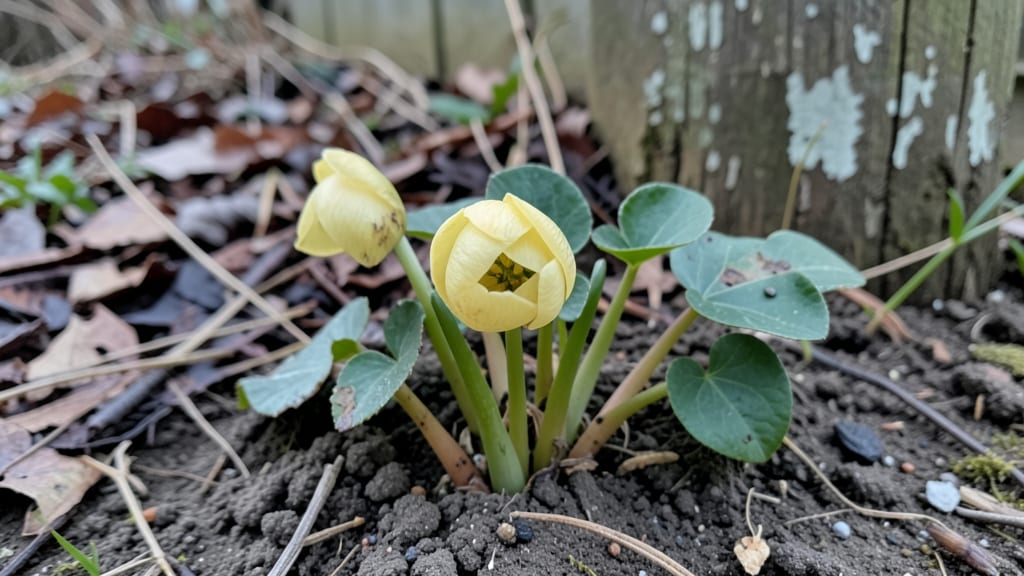
The winter aconite flower bursts through frozen soil like tiny golden stars, signaling spring’s arrival weeks before daffodils—just as I’ve watched mine push through snowpack in the Pacific Northwest, their bright yellow blooms lighting up shady corners when nothing else is awake.
This hardy little bulb thrives where most perennials falter—cold, damp winters and dappled shade become its ideal stage.
The secret to success is patience and the right conditions: well-draining soil, partial shade (they hate scorching summer sun), and planting in fall when temperatures drop below 60°F. Dig bulbs just 2 inches deep, spacing them 3 inches apart—they multiply happily over time.
Water lightly after planting, then let nature take over; winter aconite stores moisture like a champ.
By late winter, you’ll see those cheerful faces peeking through the soil, often before the snow melts completely. The blooms last 3-4 weeks, and while they’re not long-lived (3-5 years max), each bulb produces dozens of offsets—free plants for your shade garden.
Pair them with hellebores or ferns for a low-maintenance woodland effect that brightens dark corners.
Troubleshooting tip: If growth seems slow, check your soil—too much organic matter can rot bulbs. And watch for slugs in spring; a light sprinkle of diatomaceous earth keeps them at bay. With minimal effort, winter aconite delivers instant spring joy when you need it most.
📚 In This Guide
- What you need
- Instructions
- Tips and common mistakes
- Wrapping up and next steps
What you need
- ● Winter aconite bulbs: 5–10 bulbs (choose healthy, firm ones, ~2 inches in diameter).
- ● Well-draining soil: Mix of garden soil, compost, and perlite/sand (ratio: 60% soil, 30% compost, 10% perlite).
- ● Sunlight: Partial shade to full sun (4–6 hours of light daily).
- ● Watering can: With a gentle spray nozzle for moisture control.
- ● Organic mulch: 1–2 inches of shredded bark or straw to retain moisture.
- ● Garden trowel: For planting and soil prep.
- ● Gloves: To protect hands while handling soil.
- ○ Slow-release fertilizer: Balanced 10-10-10 (optional, apply lightly in early spring).
- ○ Decorative stones: For a polished garden bed (optional).
- ● Plant labels: To track varieties (helpful if testing different bulbs).
Step-by-Step guide for cultivating winter aconite in the Pacific Northwest
This cheerful early bloomer thrives with minimal fuss—here’s how to coax those bright yellow stars to appear reliably year after year.
Select the Ideal Planting Site
Winter aconite (Eranthis hyemalis) thrives in partial shade with dappled sunlight, making it perfect for woodlands or the base of deciduous trees. In the Pacific Northwest’s mild climate, choose a spot where it receives morning sun and afternoon shade—this protects the delicate blooms from harsh afternoon rays while ensuring enough light for robust growth.
Test the soil by pressing your finger 1-2 inches deep; it should feel moist but crumbly, not compacted. Winter aconite prefers well-draining, humus-rich soil with a slightly acidic to neutral pH (6.0-7.0). If your soil is heavy clay, amend it with 2-3 inches of compost mixed into the top 6 inches of soil before planting.
Plant Bulbs at the Right Depth and Spacing
Plant winter aconite bulbs in early fall (September-October), allowing them to establish roots before winter dormancy. Dig holes 2-3 inches deep—deeper planting can delay flowering as the bulb struggles to push through the soil. Space bulbs 3-4 inches apart in clusters of 5-7 bulbs to create a natural, drifts-like appearance.
Place each bulb with its nose (pointy end) facing upward—this ensures the shoot grows toward the surface. Cover the bulb with soil and water gently but thoroughly to settle the soil around the roots. Avoid disturbing the area afterward, as winter aconite dislikes being moved once established.
Provide Consistent Moisture Without Overwatering
Winter aconite is drought-tolerant once established, but young plants need consistent moisture during their first growing season. Water once a week if rainfall is below 1 inch, ensuring the soil remains evenly moist but not soggy. Overwatering can cause bulb rot, while underwatering may lead to weak or sparse blooms.
Check moisture by pressing your finger 1 inch into the soil; if it feels dry, water deeply until moisture reaches 4-6 inches down. Reduce watering in late fall and winter—the bulbs enter dormancy and require minimal moisture until spring growth resumes.
Protect from Late Frosts and Pests
The Pacific Northwest’s unpredictable late frosts can damage emerging winter aconite shoots. If frost is forecasted in early spring, cover the planting area with a lightweight frost cloth or mulch with 1-2 inches of straw. Remove the cover once temperatures stabilize above 40°F to prevent overheating.
Watch for slugs and snails, which may target the tender foliage and blooms. Apply organic slug bait (iron phosphate) around the planting area in early spring or handpick pests in the evening when they’re most active. Avoid chemical pesticides, as they can harm beneficial insects and the delicate blooms.
Enjoy and Maintain for Future Blooms
Winter aconite blooms earlier than most spring flowers, typically from late winter to early spring (February-March). Once flowering ends, allow the foliage to yellow and die back naturally—this process recharges the bulb for next year’s blooms. Avoid cutting back foliage prematurely, as it deprives the bulb of essential nutrients.
After flowering, apply a 1-inch layer of mulch around the planting area to retain moisture, suppress weeds, and regulate soil temperature. In late summer (August), fertilize lightly with a balanced, slow-release fertilizer (10-10-10) to encourage strong bulb development for the following season. With minimal care, your winter aconite will return year after year, brightening the garden with its cheerful yellow stars.
Tips & tricks for cultivating winter aconite in the Pacific Northwest
These practical tips will help you coax those bright yellow winter aconite blooms to thrive reliably in your Pacific Northwest garden.
Soil Preparation: The secret to winter aconite success lies in that well-draining, humus-rich soil mentioned in Step 1. If your soil is heavy clay, mix in 2-3 inches of compost into the top 6 inches of soil before planting. For even better results, incorporate a handful of sand to improve drainage—this mimics the woodland conditions where winter aconite naturally thrives. The goal is soil that feels moist but crumbly when pressed, not compacted.
Timing is Everything: Planting in early fall (September-October) is critical for establishing roots before winter dormancy. If you miss this window, don't panic—you can plant as late as November, but the bulbs may need an extra year to establish. The key is getting them in before the ground freezes. I've found that planting in late September gives bulbs just enough time to root before winter sets in.
Cluster Planting Strategy: Creating natural-looking drifts of winter aconite comes from planting bulbs in clusters of 5-7 bulbs spaced 3-4 inches apart as described in Step 2. This mimics their natural woodland growth patterns. For a more dramatic display, consider planting multiple clusters in a 12-inch diameter area. The bulbs will spread over time, creating a carpet of cheerful yellow flowers that brightens early spring gardens.
Frost Protection: The Pacific Northwest's unpredictable late frosts can damage emerging shoots, but there's a simple solution. Keep a lightweight frost cloth handy and drape it over the planting area when frost is forecasted in early spring. Remove it once temperatures stabilize above 40°F to prevent overheating. I've used this method successfully for years—it's the difference between sparse blooms and a vibrant display.
Pro Tips for Winter Aconite Flower
- These practical tips will help you coax those bright yellow winter aconite blooms to thrive reliably in your Pacific Northwest garden.
- Soil Preparation: The secret to winter aconite success lies in that well-draining, humus-rich soil mentioned in Step 1.
- Timing is Everything: Planting in early fall (September-October) is critical for establishing roots before winter dormancy.
Frequently asked questions
Got questions about winter aconite? You’re not alone!
This cheerful early bloomer is full of surprises—here’s what gardeners and nature lovers ask most often.
When is the best time to plant winter aconite?
Plant winter aconite in early fall (September–October) for the best results. This gives roots time to establish before winter. If you miss that window, spring planting (March–April) works too—just keep soil moist until roots settle. Avoid planting in hot summer months; the bulbs need cool conditions to thrive.
Can winter aconite survive harsh Pacific Northwest winters?
Native to Europe and Asia, winter aconite thrives in PNW winters (Zones 4–8). Its hardy bulbs tolerate light frosts and even snow, but avoid soggy soil—drainage is key. Mulch lightly with straw or leaves in extreme cold (below 10°F) for extra protection.
Why aren’t my winter aconite flowers opening?
Common culprits: too much shade (needs partial sun), overwatering (bulbs rot in soggy soil), or crowded roots. Try moving plants to a sunnier spot or dividing clumps every 3–4 years. If flowers still refuse to bloom, check for pests like slugs—they love young shoots!
Are there non-toxic alternatives to winter aconite?
Yes! If you’re wary of its mild toxicity (especially to pets), try these early bloomers:
- Crocus (Spring Crocus) – Safe for gardens and pollinators.
- Snowdrops (Galanthus) – Non-toxic and equally winter-hardy.
- Hellebores (Lenten Rose) – Shade-tolerant and pet-friendly.
Pro Tip: How do I encourage more blooms?
Winter aconite rewards low-maintenance care:
- Sunlight: 4–6 hours of morning sun (afternoon shade helps in hot summers).
- Watering: Keep soil moist but not waterlogged—bulbs hate soggy feet!
- Fertilizer: Skip heavy feeds; a light spring top-dressing with compost is enough.
- Deadheading: Remove faded blooms to redirect energy to next year’s flowers.
Wrapping up and next steps
The winter aconite flower is a true marvel of the Pacific Northwest, bringing vibrant color and life to early spring with its cheerful golden blooms.
Whether you’re admiring it in the wild, cultivating it in your garden, or simply learning about its unique charm, this flower is a reminder of nature’s resilience and beauty. 🌸
Ready to welcome more of this early spring sunshine into your life? Start by exploring local nurseries for winter aconite plants, or plan a hike to spot them in their natural habitats. Every bloom is a small victory of the season turning—so go ahead, embrace the glow! ✨