
Flowers
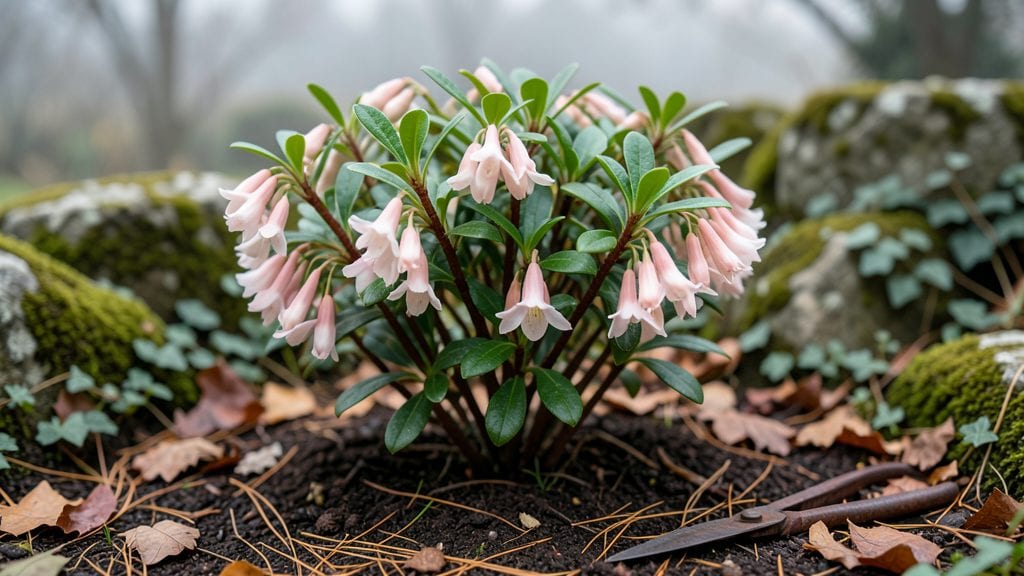
When winter daphne flowers burst into bloom, they prove frost isn’t the end of garden magic—just the beginning. 🌿 I’ve watched these fragrant stalks push through snow in my Pacific Northwest yard, their delicate clusters defying the cold with stubborn elegance.
The secret lies in their winter hardiness, but even tough plants need the right care to thrive when temperatures dip.
These evergreen shrubs handle 10-20°F without flinching, but their roots appreciate a 3-inch layer of mulch to shield them from freeze-thaw cycles. Prune right after blooming (late spring) to avoid cutting off next year’s flower buds—those little pink or white clusters form on old wood, not new.
Over the years, I’ve learned that winter daphne rewards patience: plant them now, and they’ll reward you with February fragrance when most gardens are still dormant.
What makes them special isn’t just their cold tolerance—it’s the intense, honey-like scent that fills the air before spring arrives. Pair them with hellebores or winter jasmine for a low-maintenance understory that stays lively year-round.
The key is protecting new growth in early winter with burlap wraps if your zone dips below 15°F, though most varieties bounce back even after light frost damage.
For Pacific Northwest gardeners, winter daphne is the ultimate “plant and forget” shrub—until bloom time, when their velvety foliage and intoxicating perfume become the stars of the late-winter garden. If you’ve got a shady corner begging for structure, these are your plants. Let’s get them established before the next frost.
📚 In This Guide
- What you need
- Instructions
- Tips and common mistakes
- Wrapping up and next steps
What you need
- ● Winter Daphne Plants: 1–3 mature plants (3–5 gallons per container) or 3–5 bare-root seedlings (for transplanting).
- ● Varieties: Daphne odora ‘Aureomarginata’ (gold-edged leaves), Daphne × burkwoodii (early spring blooms), or Daphne mezereum (hardy to Zone 4).
- ● Well-Draining Soil Mix: 50% native soil (sandy loam preferred).
- ● 30% peat moss or coconut coir.
- ● 20% perlite or coarse sand (critical for preventing root rot!).
- ● Container (if potted): 1–2 gallon pots with drainage holes (terracotta or fabric grow bags).
- ○ Optional: Elevate pots on feet to avoid waterlogging.
- ● Planting Tools: Trowel or small shovel.
- ● Garden gloves (daphne thorns are sharp!).
- ● Pruners (sterilized with rubbing alcohol).
- ● Mulch: 2–3 inches of organic mulch (pine bark, shredded leaves, or straw). Never use wood chips near the stem!
- ● Fertilizer: Balanced, slow-release fertilizer (10-10-10 or 20-20-20, 1 tbsp per plant).
- ○ Optional: Acid-loving plant food (e.g., Miracle-Gro Azalea/Camellia) for Daphne odora.
- ● Watering Supplies: Watering can with a rose nozzle (avoid overhead watering).
- ○ Moisture meter (optional, for tracking soil hydration).
- ● Location: Partial shade (4–6 hours of morning sun; afternoon shade in hotter microclimates like Portland).
- ● Pro Tip: Plant near evergreens (e.g., Rhododendrons) to buffer wind and frost. ✨
- ● Hardiness: Zones 5–9 (most daphnes); Daphne mezereum tolerates Zone 4.
- ● Critical: Never plant in heavy clay soil—amend with grit or gritty sand.
Step-by-Step guide to planting and caring for winter Daphne
This hardy evergreen thrives in the Pacific Northwest's cool climate—here's how to plant and nurture it for years of fragrant blooms.
🌱 Step 1: Select the Perfect Planting Site
Winter Daphne (Daphne odora) loves partial shade with morning sun and afternoon shelter from harsh winds. In the Pacific Northwest, a north or east-facing location works best—think dappled sunlight filtering through mature trees. The soil should be well-draining but consistently moist; amend heavy clay with 2-3 inches of compost mixed into the top 12 inches of soil.
Dig a hole twice as wide as the root ball but no deeper. The plant's crown (where roots meet stems) should sit just 1 inch above ground level—burying it too deep suffocates the roots. Gently loosen the root ball if it's tightly bound, encouraging outward growth rather than circling roots.
🪴 Step 2: Plant and Establish for Long-Term Health
Place the Daphne in the hole and backfill with native soil mixed with 1 part peat moss to improve moisture retention. Water deeply immediately after planting to eliminate air pockets, then create a 3-inch mulch ring around the base using shredded bark or pine needles. Mulch keeps roots cool in summer and insulated in winter—critical for Pacific Northwest's wet winters.
Water 2-3 times per week for the first month, keeping the soil evenly moist but never soggy. You'll know it's right when the top 2 inches of soil feel damp but not waterlogged. Avoid overhead watering; drip irrigation or soaker hoses prevent fungal diseases that thrive in damp foliage.
☀️ Step 3: Prune and Fertilize for Optimal Blooms
Winter Daphne blooms on old wood, so prune immediately after flowering in early spring. Remove only dead, diseased, or crossing branches—never cut back more than 1/3 of the plant's height in a single season. Use sharp, sterilized pruners to make clean cuts just above a leaf node.
Fertilize lightly in early spring with a 10-10-10 balanced fertilizer applied at half-strength. Over-fertilizing encourages leafy growth at the expense of fragrant flowers. Pacific Northwest's acidic soils often need a boost—test your soil and amend with sulfur if pH exceeds 6.5. Daphne thrives in 5.5-6.5 pH.
✂️ Step 4: Winterize for Frost Resistance
While Winter Daphne handles 10-15°F temperatures, young plants benefit from extra protection. In the first two winters, mound 4-6 inches of mulch around the base to insulate roots. Avoid heavy mulch that compacts—opt for loose, airy materials like straw or wood chips.
Prune any winter-damaged branches in early spring, but never cut back into old wood. The plant's fragrance comes from these mature stems. If a branch dies completely, remove it at the base—new growth emerges from the root collar within 2-3 years.
🌿 Step 5: Maintain Through the Seasons
Water once weekly during dry summer months, increasing to 2 times weekly if temperatures exceed 85°F. Daphne's glossy leaves wilt slightly in heat—this is normal and indicates it's time to water. Never let the soil dry out completely; the plant's shallow roots need consistent moisture.
Monitor for aphids, which occasionally infest new growth. Spray with a soapy water solution (1 tsp mild soap per gallon) on a calm day. Avoid chemical pesticides—they harm beneficial insects and can damage the plant's delicate foliage. With proper care, your Winter Daphne will reward you with 2-3 weeks of intoxicating fragrance each winter.
Tips & tricks for perfect winter Daphne flower planting
Here's what nobody tells you about getting your Winter Daphne to thrive in Pacific Northwest conditions for years of fragrant blooms.
Soil Preparation Secret: Before planting, I always test the soil pH—Winter Daphne thrives in that 5.5-6.5 range mentioned in Step 3. If your soil is too alkaline, mix in elemental sulfur at planting time (about 1 pound per 100 square feet) to lower the pH gradually. This prevents the need for constant amendments later. The plant's shallow roots will thank you for the right foundation!
Planting Depth Matters: That 1-inch crown placement in Step 1 is critical—burying deeper suffocates the plant while planting too shallow exposes roots to temperature swings. I use a small wooden stake to mark the correct depth before backfilling. For container planting, ensure the container has drainage holes and the crown sits just above the soil line.
Watering Wisdom: The 2-3 times per week watering in Step 2 is a guideline, not a rule. In Pacific Northwest's rainy winters, you might reduce to once weekly unless your soil is sandy. Check moisture by pushing your finger 2 inches deep—if it's dry, water; if damp, wait. Overwatering in winter can lead to root rot, especially in heavy clay soils.
Mulching Magic: That 3-inch mulch ring in Step 2 should be renewed annually—mulch breaks down over time. I use a mix of shredded bark and pine needles for acidity control and insulation. In particularly cold winters (below 10°F), add an extra 2 inches of mulch around young plants. This creates a protective blanket that mimics the plant's natural woodland habitat.
Pro Tips for Winter Daphne Flower
- Here's what nobody tells you about getting your Winter Daphne to thrive in Pacific Northwest conditions for years of fragrant blooms.
- Soil Preparation Secret: Before planting, I always test the soil pH—Winter Daphne thrives in that 5.5-6.5 range mentioned in Step 3.
- Planting Depth Matters: That 1-inch crown placement in Step 1 is critical—burying deeper suffocates the plant while planting too shallow exposes roots to temperature swings.
Frequently asked questions
Got questions about growing Winter Daphne flowers in your Pacific Northwest garden? Here are some common ones—and their answers!
When is the best time to plant Winter Daphne?
Plant Winter Daphne in early fall or late winter (before new growth starts). This timing helps roots establish before summer heat arrives. If you’re in a cooler PNW microclimate, late winter (February–March) works well, while milder zones may prefer fall planting.
How cold can Winter Daphne tolerate?
This hardy beauty thrives in USDA Zones 5–9, handling temperatures as low as -20°F (-29°C). In the PNW, it’s perfect for frost-prone areas—just ensure it’s planted in well-draining soil to prevent root rot from winter moisture.
Why isn’t my Winter Daphne flowering?
Lack of blooms often stems from over-fertilizing (too much nitrogen) or poor sunlight. Ensure it gets full sun to partial shade and use a balanced, low-nitrogen fertilizer in early spring. Prune spent blooms but avoid heavy pruning—this shrub flowers on old wood!
Can I grow Winter Daphne in containers?
Yes! Choose a large container (15+ gallons) with drainage holes and use well-draining potting mix. Place it in a sheltered spot (like a patio) and water regularly. Just remember: Containers dry out faster, so monitor soil moisture closely in winter.
Are Winter Daphne flowers fragrant?
These flowers release a sweet, intoxicating fragrance—especially in early spring. The scent attracts pollinators like bees and butterflies, making your garden a lively hub. Pro tip: Plant near seating areas or entryways to enjoy the aroma up close!
What pests should I watch for?
Winter Daphne is generally pest-resistant, but keep an eye out for aphids or scale insects on new growth. Spray with neem oil or introduce ladybugs for natural control. If leaves yellow, check for overwatering—this shrub prefers slightly dry conditions in winter.
Wrapping up and next steps
The winter daphne flower is a stunning, frost-resistant gem that brings color and fragrance to Pacific Northwest gardens—even in the coldest months! 🌸 With its low-maintenance care and hardy nature, it’s the perfect choice for gardeners who love resilience and beauty.
Whether you’re a seasoned gardener or just starting out, adding this elegant plant to your landscape will reward you with years of effortless charm.
Ready to transform your garden? Start by selecting your preferred variety—like Daphne odora or Daphne x transatlantica—and follow the planting tips above. Before you know it, your winter garden will be a fragrant, frost-kissed paradise! 🌿