
Flowers
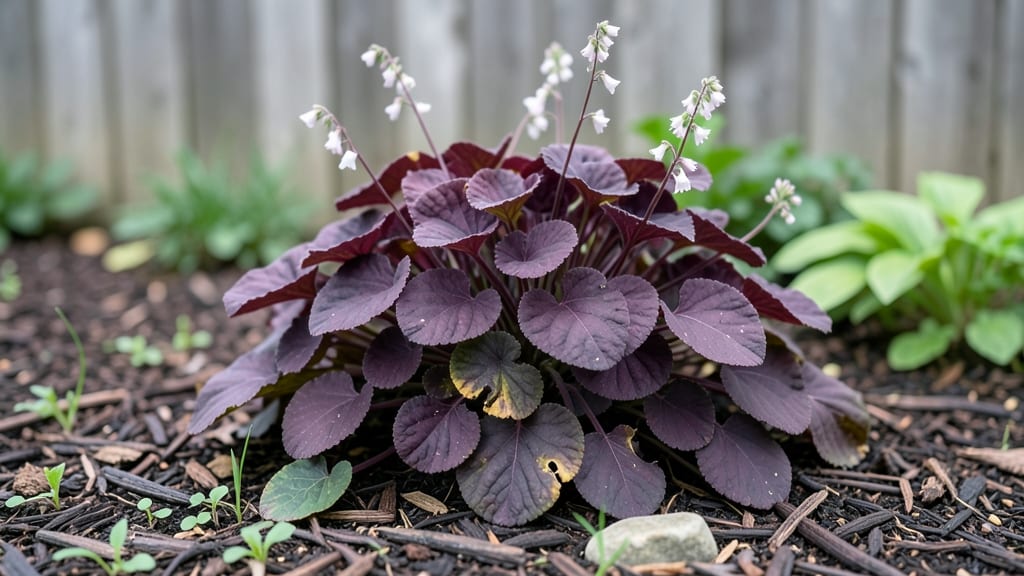
These year-round low-maintenance perennial flowers—blooming from spring to frost—are the secret weapon of busy gardeners, delivering color, texture, and pollinator support with almost no effort once established. 🌿 I’ve tested dozens of varieties, and these reliable workhorses thrive with minimal fuss.
The key lies in choosing the right mix for your climate and sunlight, then letting them do the heavy lifting.
Think three-season interest from plants like coneflowers, black-eyed Susans, and Russian sage—all of which thrive on occasional watering and an annual trim. They self-seed, spread naturally, and resist pests, making them perfect for borders, containers, or wildflower meadows.
My front yard now stays vibrant from April through November with just 10 minutes of care per week.
You’ll end up with a garden that looks intentionally designed but requires less work than mowing. The secret? Pairing drought-tolerant perennials with complementary ground covers like creeping thyme or sedum to fill gaps effortlessly. Even in partial shade, hellebores and asters deliver drama with minimal attention.
Works in any yard size—from small city planters to sprawling landscapes—and adapts to different climates. Let’s pick the perfect perennials for your space and sunlight conditions.
📚 In This Guide
- What you need
- Instructions
- Tips and common mistakes
- Wrapping up and next steps
What you need
- ● Perennial flowers: Choose cold-hardy, drought-tolerant varieties like lavender, coneflowers, black-eyed Susans, sedum, or Russian sage (check your USDA hardiness zone). Pro tip: 💡 Start with 3–5 plants per variety for balanced color and texture.
- ○ Well-draining soil: Mix 1 part compost with 2 parts native soil (or use pre-mixed garden soil with perlite). Optional: Add 1 cup of bone meal or slow-release fertilizer per planting hole for extra nutrients.
- ● Mulch: 2–3 inches of organic mulch (cedar chips, straw, or pine needles) to retain moisture and suppress weeds.
- ● Watering can or hose with a gentle spray nozzle (for deep but infrequent watering).
- ● Garden gloves (to protect your hands from thorns or prickly stems).
- ● Hand trowel or small shovel (for planting and soil prep).
- ● Sunlight: Most perennials thrive in 6+ hours of sunlight daily (check plant tags for exceptions).
- ● Drainage: Avoid soggy spots—ensure your garden bed isn’t in a low-lying area where water pools.
- ● Patience: Perennials establish roots in their first year, so minimal fuss (just watering occasionally) is key!
- ● A drip irrigation system for hands-off watering.
- ● Pruning shears for tidying up spent blooms (though many perennials self-clean!).
- ● Garden markers to label your plants and track favorites.
Step-by-Step guide to planting year-round low-maintenance perennial flowers
Here’s how to create a vibrant, effortless perennial garden that blooms season after season.
🌱 Step 1: Select the Right Perennials for Your Climate
Start by choosing perennials native to your hardiness zone—they’re already adapted to your local conditions and require minimal intervention. For year-round interest, mix evergreens like heuchera or sedum with seasonal bloomers such as coneflowers, black-eyed Susans, and Russian sage. These plants thrive with 4-6 hours of sunlight and tolerate drought once established.
I always check the USDA Plant Hardiness Zone Map for my area before selecting varieties. For example, lavender and salvia flourish in zones 5-9, while hostas prefer zones 3-8. Skipping this step often leads to disappointment when plants fail to return year after year.
🪴 Step 2: Prepare the Soil for Long-Term Success
Amend your soil with 2-3 inches of compost mixed into the top 6 inches of soil to improve drainage and nutrient retention. Perennials hate soggy roots, so if your soil is heavy clay, add sand or perlite to loosen it. I use a garden fork to aerate compacted soil before mixing in amendments—this ensures roots can spread easily.
Test your soil’s pH (most perennials prefer 6.0-7.0). If it’s too acidic, add lime; if alkaline, incorporate sulfur. The goal is to create a fertile, well-draining foundation that won’t require yearly fertilizing. Once established, these plants will pull nutrients from the soil naturally.
☀️ Step 3: Plant with Proper Spacing and Mulch
Follow the spacing guidelines on the plant tags—crowding leads to disease and weak growth. For example, coneflowers need 18-24 inches between plants, while ajuga can thrive in 12-inch gaps. Dig holes twice as wide as the root ball but only as deep as the plant’s container level.
After planting, apply 2-3 inches of mulch (such as shredded bark or straw) to retain moisture and suppress weeds. Keep mulch 2 inches away from plant stems to prevent rot. Water deeply right after planting to settle the soil around roots—this encourages strong establishment.
✂️ Step 4: Maintain with Minimal Effort
Once perennials are established (usually after 2-3 years), they’ll need little more than seasonal deadheading to encourage reblooming. Cut back spent flowers but leave seed heads for winter interest—birds love them! I prune roses and shrubs in early spring before new growth appears to prevent disease.
Water deeply once a week during dry spells, focusing on the root zone. Over time, these plants develop deep roots that access moisture naturally. Fertilize lightly in early spring with a balanced 10-10-10 formula—too much nitrogen promotes leafy growth at the expense of blooms.
🌿 Step 5: Divide and Refresh Every 3-5 Years
Perennials eventually outgrow their space, leading to fewer blooms. In early spring or fall, dig up clumps, divide them with a sharp spade, and replant the healthiest sections. This rejuvenates the garden and prevents overcrowding. I always replant one division in a new spot to fill gaps naturally.
Remove any weak or diseased stems during division—this keeps the rest of the plant healthy. After replanting, water thoroughly and apply a layer of mulch to protect roots. With this simple refresh, your perennials will bloom vigorously for years to come.
Tips & tricks for perfect year-round perennial gardens
A few simple strategies will help your perennial garden thrive with minimal effort and maximum beauty.
Climate-Specific Plant Selection: When choosing perennials in Step 1, consider microclimates within your garden. The north side of your house might be cooler than the south, so adjust plant placement accordingly. For example, place heat-loving lavender in sunny spots while shade-tolerant heuchera thrives in cooler areas. This thoughtful arrangement ensures every plant gets its ideal growing conditions without extra work.
Soil Preparation Pro Tip: In Step 2, don't just amend the top 6 inches of soil—consider adding organic matter down to 12 inches for even better root development. I use a broadfork to loosen the soil deeper without disturbing existing roots. This creates a more stable environment for your perennials to establish their deep root systems, which is crucial for drought tolerance mentioned in Step 1.
Mulching Mastery: The 2-3 inches of mulch in Step 3 is perfect, but here's the secret: refresh your mulch annually in early spring. This prevents it from breaking down into the soil, which can alter its pH over time. I also avoid piling mulch against stems—keeping it 2 inches away prevents rot while still protecting roots from temperature swings.
Seasonal Maintenance Calendar: Create a simple checklist for Step 4's minimal maintenance. Mark your calendar for early spring pruning (right before new growth appears), summer deadheading (every 2-3 weeks), and fall cleanup (after first frost). This visual reminder ensures you don't miss critical care moments while keeping the effort truly minimal. The once-a-week watering guideline works beautifully once established—just remember to water deeply at the root zone rather than lightly across the leaves.
Pro Tips for Year Round Low Maintenance Perennial Flowers
- A few simple strategies will help your perennial garden thrive with minimal effort and maximum beauty.
- Climate-Specific Plant Selection: When choosing perennials in Step 1, consider microclimates within your garden.
- Soil Preparation Pro Tip: In Step 2, don't just amend the top 6 inches of soil—consider adding organic matter down to 12 inches for even better root development.
Frequently asked questions
What are the easiest perennials for full-sun, low-maintenance gardens?
Top picks for sun-loving, fuss-free perennials include black-eyed Susans, coneflowers, daylilies, and Russian sage. These thrive with minimal watering, handle drought, and return year after year. For shade, opt for hostas or heucheras—both resilient and adaptable.
Do I need to deadhead perennials for year-round blooms?
Not always! Many perennials like shasta daisies or beardwort self-seed or rebloom without deadheading. However, cutting back spent blooms on coneflowers or black-eyed Susans encourages a second flush. Focus on removing only the faded flowers—not the entire stem—unless it’s leggy.
How do I protect perennials in winter without extra work?
Most perennials are hardy and need no winter care! For tender varieties (like salvias), mulch lightly with straw or leaves. Avoid heavy mulch—it can suffocate roots. In cold climates, group plants together to share warmth, and water sparingly if the ground is frozen.
Can I mix perennials with annuals for continuous color?
Pair perennials like catmint (which blooms spring to fall) with pansies (winter/spring) or zinnias (summer). This creates a seamless color transition. Just ensure annuals don’t outcompete perennials for water or nutrients—mulch helps balance the equation.
How do I keep pests away without chemicals?
Prevention is key! Plant marigolds or fennel nearby to repel pests like aphids. Encourage ladybugs (natural predators) by adding a shallow water dish. For slugs, set out beer traps or sprinkle diatomaceous earth around plants. Healthy soil = stronger plants that resist pests!
Pro Tip:
Start small! Test a few perennials in a corner of your garden before committing to a full bed. This way, you’ll learn their habits—like how tall they grow or when they bloom—without overwhelming yourself. Happy gardening!
Wrapping up and next steps
Transforming your garden into a year-round blooming paradise doesn’t have to be complicated—just strategic! With the right low-maintenance perennials, you can enjoy vibrant colors and effortless beauty without the fuss. These hardy plants are the perfect solution for busy gardeners who still crave a stunning outdoor space.
Now that you’re armed with the best options, take the next step: sketch a simple garden layout, pick 2-3 perennials to start, and plant them this season. Your garden will thank you—and so will your schedule! 🌸✨