
Watering
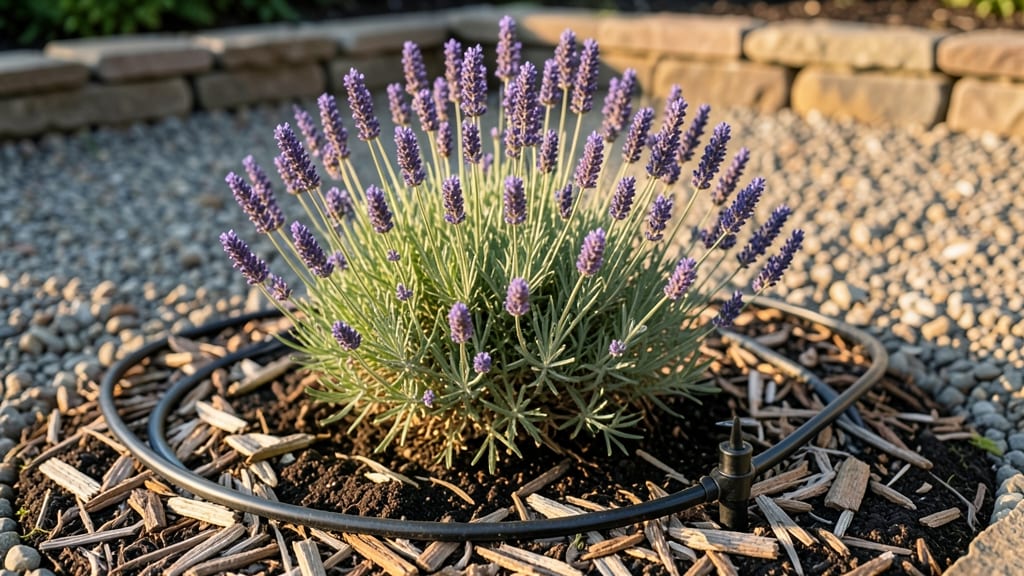
These full sun drought-tolerant flowers turned my cracked, thirsty patch into a lush, low-maintenance paradise that drinks from the sky alone—no sprinklers, no fuss. The secret lies in choosing the right plants that store water in their roots and leaves while still packing a punch with color and texture.
Think lavender with its silvery foliage and purple spikes, blanket flower that pops in fiery orange, or coneflower with its long-lasting daisy-like blooms. These aren't just survivors—they're showstoppers that attract bees and butterflies while keeping your water bill low.
The best part? They spread over time, reducing the need to replant and creating a self-sustaining display.
You'll end up with a garden that stays lush and colorful even in summer's heat, with minimal effort. The key is layering plants by height—tall coneflowers in back, mid-height lavender in the middle, and low-growing sedum at the front—for a polished look that never wilts.
Plus, these plants handle poor soil too, making them perfect for slopes or rocky areas.
Whether you're designing a full xeriscape or just adding a few tough beauties to your border, these flowers deliver year after year with almost no maintenance. Let's dive into the specific varieties that work best in your region and how to arrange them for maximum impact.
📚 In This Guide
- What you need
- Instructions
- Tips and common mistakes
- Wrapping up and next steps
What you need
- ● Drought-tolerant flower seeds or plants: Choose from succulents like Echeveria, Sedum, or Agave, or hardy perennials like Lavender, Yarrow, or Blanket Flower. (Quantity: 5–10 plants/seeds per square foot)
- ● Well-draining soil: Mix cactus/succulent soil with perlite or coarse sand (ratio: 60% soil, 40% amendments). (1 bag per 4 sq ft)
- ● Mulch: Gravel, bark chips, or straw (3–4 inches deep) to retain moisture and regulate soil temperature.
- ○ Drip irrigation or soaker hose: (Optional but recommended) For precise, deep watering without waste.
- ● Garden gloves (1 pair) – Protect your hands from prickly plants!
- ● Hand trowel or transplant spade – For digging and planting.
- ● Watering can or hose with adjustable nozzle – For initial watering.
- ● Pruning shears – To shape plants and remove dead blooms.
- ○ pH testing kit (optional) – Ensure soil pH is ideal (6.0–7.0 for most drought-tolerant flowers).
- ● Full sun location: At least 6–8 hours of direct sunlight daily.
- ● Drainage check: Test your soil—if it stays soggy after watering, amend with sand or plant in raised beds.
- ● Weather awareness: Plant after the last frost in your zone (check local frost dates).
Step-by-Step guide to planting full sun drought-tolerant flowers
Here's how to create a stunning, water-wise garden that thrives under the sun with minimal effort.
Choose the Right Drought-Tolerant Varieties
Select flowers proven to handle full sun and dry conditions like lantana, black-eyed Susan, coneflower, and lavender. These varieties store water in their leaves and roots, making them perfect for low-maintenance gardens. I always check the USDA hardiness zone for my area to ensure the plants I choose will thrive long-term.
Look for plants labeled as "drought-tolerant" or "xeric" on seed packets or nursery tags. These plants have adapted to survive with less water, but they still need well-draining soil to prevent root rot. Avoid annuals that require frequent watering—stick to perennials or native species that establish deep root systems.
Prepare the Soil for Optimal Drainage
Test your soil's drainage by digging a 6-inch hole and filling it with water. If the water drains within 30 minutes, your soil is suitable. If it takes longer, amend the soil with 2-3 inches of coarse sand or perlite mixed into the top 12 inches of soil. This improves aeration and prevents waterlogging.
Add a 2-inch layer of organic mulch (like gravel or decomposed granite) around plants but keep it 2-3 inches away from stems to prevent moisture buildup. Mulch helps retain whatever moisture is available while reducing weed competition. I always water the soil thoroughly before adding mulch to ensure it settles properly.
Plant at the Correct Depth and Spacing
Dig holes twice as wide as the plant’s root ball but only as deep as the container it came in. This prevents burying stems too deeply, which can cause rot. Gently loosen the roots if they’re circling in the container—this encourages outward growth into the surrounding soil.
Space plants according to their mature size. For example, coneflowers need 2-3 feet apart, while lavender thrives with 18-24 inches between plants. Overcrowding leads to competition for water, so follow the spacing guidelines on the plant tags. Water each plant deeply after planting to help settle the soil around the roots.
Water Deeply and Infrequently After Planting
Water newly planted flowers deeply once a week for the first 4-6 weeks to encourage deep root growth. Use a soaker hose or drip irrigation to deliver water slowly at the base of the plant. Avoid overhead watering, which can promote fungal diseases and evaporation.
After the initial establishment period, reduce watering to once every 2-3 weeks, depending on rainfall. Let the soil dry out completely between waterings—this teaches plants to develop drought-resistant root systems. You’ll know your garden is thriving when flowers bloom vigorously without wilting, even during dry spells.
Maintain with Minimal Care
Fertilize only once a year in early spring with a balanced, slow-release fertilizer (like 10-10-10) to avoid encouraging lush, water-dependent growth. Deadhead spent blooms regularly to encourage more flowers and prevent self-seeding where you don’t want it.
Monitor for pests like aphids or spider mites, which thrive in dry conditions. If you spot them, spray plants with a soapy water solution (1 tablespoon mild dish soap per gallon of water) in the early morning or evening to avoid harming beneficial insects. Most drought-tolerant flowers are naturally resistant to pests, so intervention is rare.
Tips & tricks for perfect full sun drought-tolerant gardens
Let me share the secrets that'll help your sun-loving flowers thrive with practically zero fuss once they're established.
Selection Tip: When choosing between varieties, prioritize native plants or those labeled "heat-tolerant" on the tag. For example, black-eyed Susan and coneflower handle heat better than lantana in extreme climates over 95°F. I've found that native varieties often need even less water once established because they've evolved with your local conditions.
Soil Test Hack: For that 30-minute drainage test in Step 2, use a trowel to create your hole in the area where you'll actually plant. If water pools at the bottom after 30 minutes, you'll know exactly where to add your sand or perlite mix. This targeted approach saves you from amending soil unnecessarily in areas that already drain well.
Planting Depth Secret: The "as deep as the container" rule in Step 3 is crucial—burying stems too deeply suffocates them, while planting too shallowly exposes roots to drying winds. For container-grown plants, gently squeeze the root ball to check if it's compacted before planting; if it's rock-hard, loosen the outer edges with your fingers to encourage spreading.
Watering Wisdom: That initial 4-6 week watering schedule in Step 4 is non-negotiable for root establishment, but here's a pro move: water in the early morning (before 8 AM) to give foliage time to dry completely. This prevents fungal issues while still giving roots the moisture they need to establish. After that period, let the soil dry completely between waterings—your plants will actually tell you when they're ready for more by wilting slightly.
Pro Tips for Full Sun Drought Tolerant Flowers
- Let me share the secrets that'll help your sun-loving flowers thrive with practically zero fuss once they're established.
- Selection Tip: When choosing between varieties, prioritize native plants or those labeled "heat-tolerant" on the tag.
- Soil Test Hack: For that 30-minute drainage test in Step 2, use a trowel to create your hole in the area where you'll actually plant.
Frequently asked questions
What are the best full-sun drought-tolerant flowers for beginners?
Start with easy-care winners like Lavender, Russian Sage, or Black-Eyed Susan. These thrive in heat, need minimal water, and handle poor soil. For instant color, try Portulaca (Moss Rose)—it’s succulent-like and practically indestructible!
How often should I water drought-tolerant flowers in full sun?
Once established (after 2–3 weeks), water deeply 1–2 times per week during dry spells. Early morning is best to reduce evaporation. Pro tip: Let soil dry out between waterings—most drought-tolerant plants hate soggy roots!
Can I plant these flowers in containers or just garden beds?
Containers work great for Succulents (like Sedum) or Salvias. Use well-draining soil and pots with drainage holes. Just monitor soil moisture more closely—containers dry out faster than garden beds.
Why are my drought-tolerant flowers wilting even with little water?
Wilting can signal root stress, often from overwatering or poor drainage. Check soil moisture with your finger—if it’s damp, hold off. Also, ensure full sun (6+ hours/day) and improve soil with compost to boost resilience.
Are there any drought-tolerant flowers that attract pollinators?
Yes! Bee Balm, Coneflower, and Blanket Flower are pollinator magnets. Plant them in clusters for maximum buzzing activity. Bonus: Their deep roots help conserve water while supporting local ecosystems.
Still stumped? Drop your specific flower or issue in the comments—we’re happy to help!
Wrapping up and next steps
Transforming your garden into a vibrant, water-wise oasis is easier than you think! With full sun drought-tolerant flowers, you can enjoy stunning blooms while conserving water and reducing maintenance.
These hardy plants prove that beauty and sustainability go hand in hand—just pick the right varieties, prep your soil, and let nature do the rest.
Ready to dive in? Start small—plant a few favorites in a sunny spot and watch your garden flourish with zero guilt over water waste. Happy gardening! 🌸💦