
Planting
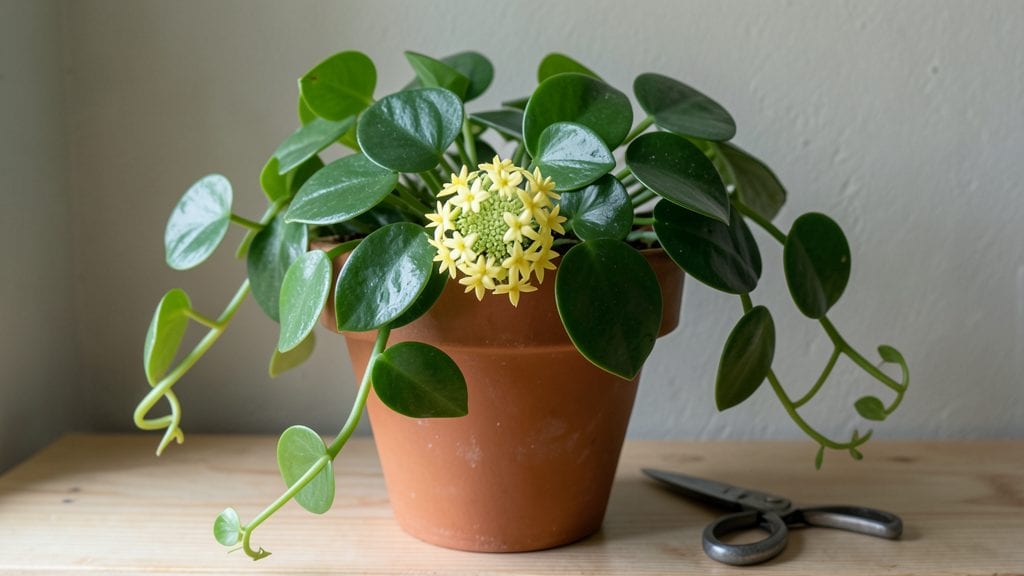
Sunlight-loving yellow flower house plants bring instant cheer to any room—just look at how my golden pothos brightened my dim living room within weeks. These cheerful bloomers don't just survive indoors; they thrive, turning dull corners into vibrant spaces with minimal effort.
The key is matching their light needs (most prefer bright, indirect light) and keeping soil just damp—not soggy. My spider plant now sports yellow-edged leaves year-round because I finally learned that "damp" means sticking my finger in the soil before watering.
You'll find these plants in a range of sizes and care levels, from the easygoing African marigold (great for beginners) to the bold canna lily (perfect for statement pots). They all share one trait: their cheerful blooms lift moods instantly.
Place them near windows where they'll get morning sun, or use grow lights for deeper color. The citronella geranium even doubles as a natural bug repellent—talk about a two-for-one win. Most grow 12-24 inches tall, making them ideal for tables, shelves, or as mid-height accents in plant collections.
Imagine waking up to sunlight-yellow blooms on your windowsill or a pop of color against your bookshelf. These plants deliver exactly that—vibrant, long-lasting blooms that outshine artificial decor. The secret to keeping them flowering is simple: feed them every 4-6 weeks during growing season and deadhead spent blooms.
My butterfly ginger now blooms nonstop because I trimmed back old flowers before they turned brown. The payoff? A kitchen or living room that feels like a sunlit garden, even on cloudy days.
For design inspiration, pair yellow bloomers with deep greens (like snake plants) or purples (like African violets) to make colors pop. The yellow bird of paradise works as a dramatic centerpiece, while miniature yellow roses add romance to any room.
Rotate plants seasonally to keep your space feeling fresh—just like my spring swap of winter jasmine for summer marigolds. The best part? These plants grow slower than weeds but pack a visual punch that lasts months.
📚 In This Guide
- What you need
- Instructions
- Tips and common mistakes
- Wrapping up and next steps
What you need
- ● Yellow Flower House Plant: 1 sun-loving variety (e.g., Marigold, Golden Barrel Cactus, or Lemon Button Fern—check its care needs!)
- ● Pot: 1 drainage-friendly pot (6–12 inches wide, depending on plant size; terracotta or ceramic with holes at the bottom).
- ● Potting Soil: 1 bag well-draining, nutrient-rich soil (mix with perlite or sand for aeration if needed).
- ○ Tools: 1 pair gardening gloves (optional but handy!).
- ● 1 small trowel or spoon for planting.
- ● 1 watering can or spray bottle (avoid overwatering!).
- ● 1 self-watering planter (for forgetful waterers!).
- ● 1 plant food or fertilizer (balanced liquid or slow-release pellets).
- ● 1 humidity tray or pebble tray (if your plant loves moisture).
- ● 1 plant label (to track sunlight needs and watering schedule).
- ● 1 grow light (if natural light is limited).
Step-by-Step guide to cultivating a thriving yellow flower house plant
Sun-loving yellow blooms bring instant cheer to any home—here’s how to keep yours vibrant and healthy.
Select the Right Yellow Flowering House Plant
Start with a plant known for its bright yellow blooms and adaptability to indoor conditions. Gerbera daisies, golden pothos, or African marigolds are excellent choices. Check the plant’s care label for its specific light and water needs—some thrive in bright, indirect light, while others need direct sunlight for those bold yellow flowers.
If you’re buying a young plant, look for one with sturdy stems and vibrant foliage. Avoid plants with yellowing leaves or brown spots, as these can indicate underlying health issues. The key is choosing a plant that’s already strong, so it can focus energy on producing those cheerful yellow blooms.
Position Your Plant for Optimal Sunlight
Most yellow-flowering house plants crave sunlight, but the type matters. Place your plant near a south- or west-facing window where it can receive at least 6 hours of direct sunlight daily. If your home lacks natural light, supplement with a grow light positioned 12-18 inches away for 12-14 hours a day. Without enough light, leaves will stretch and flowers may fail to bloom.
Rotate the plant a quarter turn weekly so it grows evenly. You’ll notice new growth leaning toward the light—this is your plant’s way of reaching for more energy. If the leaves start turning pale or the stems elongate too much, it’s a sign you need to move it closer to the light source.
Water and Maintain Soil Moisture
Water your yellow-flowering house plant when the top inch of soil feels dry to the touch. Overwatering is the fastest way to kill a plant, so always check moisture before adding more. Use room-temperature water and pour it slowly at the base of the plant, avoiding the leaves to prevent fungal issues. Empty the saucer underneath after 15-20 minutes to prevent root rot.
Most yellow-flowering plants prefer slightly dry conditions between waterings. If the soil stays soggy, roots suffocate, and the plant may drop buds or flowers. A well-draining potting mix with perlite or sand helps keep moisture balanced. In winter, reduce watering since plants grow slower and need less moisture.
Fertilize for Continuous Blooms
Feed your plant with a balanced, water-soluble fertilizer every 4-6 weeks during the growing season (spring and summer). Look for a 10-10-10 or 20-20-20 ratio to encourage both foliage and flower growth. Follow the package instructions for dilution—over-fertilizing can burn roots and cause yellowing leaves.
Stop fertilizing in fall and winter, as the plant enters a resting phase. You’ll notice fewer flowers during this time, but that’s normal. Resume feeding in early spring when you see new growth. If your plant isn’t blooming, it might need more light or a higher-phosphorus fertilizer to encourage flowering.
Prune and Encourage New Growth
Deadhead spent flowers by pinching or cutting them off just above a set of leaves. This redirects the plant’s energy toward producing new blooms instead of seeding. Use clean, sharp scissors to avoid damaging the stems. Prune leggy stems to encourage bushier growth—cut back to a leaf node or joint to promote branching.
If your plant becomes too large for its container, consider repotting it into a slightly larger pot with fresh potting mix. This gives roots more room to grow and improves nutrient uptake. Prune any yellow or damaged leaves to keep the plant healthy and encourage new, vibrant growth. With proper care, your yellow-flowering house plant will reward you with continuous color and cheer.
Tips & tricks for perfect yellow flower house plant care
Here's what I've learned from years of keeping yellow blooms thriving indoors—these tricks make all the difference.
Light Strategy: In Step 2, when positioning your plant, remember that morning sun is gentler than afternoon sun. If you notice leaves turning pale or stems stretching toward the light, it's time to move closer to the window. For north-facing windows, supplement with a grow light for those critical 12-14 hours daily—just keep it 12-18 inches away to avoid leaf burn. I've seen plants go from sad to vibrant just by adjusting their light source!
Watering Wisdom: The top inch soil test in Step 3 is your best friend. I recommend using a wooden skewer to check moisture—it gives you a more accurate read than just sticking your finger in. And here's a pro move: water in the morning so any excess drains away by evening, preventing those pesky fungal issues. That 15-20 minute saucer emptying time is crucial—don't skip it!
Fertilizer Timing: When you're fertilizing every 4-6 weeks in Step 4, I've found that early spring is the perfect time to start. Look for that 10-10-10 ratio—it gives balanced nutrition without overwhelming your plant. And if you notice yellowing leaves after fertilizing, you're probably overdoing it. Always dilute to half-strength for the first application after repotting.
Pruning Payoff: In Step 5, when deadheading those spent flowers, make your cuts just above a leaf node. This little detail encourages new growth from that exact spot. I also recommend pruning leggy stems in early spring—it gives your plant a fresh start and promotes that bushy growth we all love. Just remember to sterilize your scissors with rubbing alcohol between cuts to prevent spreading any potential diseases.
Pro Tips for Yellow Flower House Plant
- Here's what I've learned from years of keeping yellow blooms thriving indoors—these tricks make all the difference.
- Light Strategy: In Step 2, when positioning your plant, remember that morning sun is gentler than afternoon sun.
- Watering Wisdom: The top inch soil test in Step 3 is your best friend.
Frequently asked questions
Got questions about keeping your yellow flower house plant happy and blooming? You’re not alone! Here are some of the most common queries—plus straightforward answers to help you avoid common pitfalls.
What’s the best light for a yellow-flowering house plant?
Most yellow-flowering house plants, like Primula obconica or Calendula officinalis, thrive in bright, indirect light. Place them near an east- or west-facing window for gentle morning/afternoon sun. Avoid harsh midday rays, which can scorch delicate petals. If leaves fade or stretch, it’s a sign they need more light!
How often should I water my yellow-flowering house plant?
Watering depends on the plant, but most yellow bloomers prefer moderately moist soil. Stick your finger 1-2 inches into the soil—if it’s dry, give it a drink. Overwatering is riskier than underwatering, so let the top layer dry out between waterings. Calendula and Marigolds are drought-tolerant once established!
Why aren’t my yellow flowers blooming?
Lack of blooms often means your plant isn’t getting enough light or nutrients. Move it to a sunnier spot and fertilize lightly with a balanced houseplant food every 4-6 weeks during growing season (spring-fall). Deadheading spent blooms also encourages new flowers. If it’s winter, blooming may slow—be patient!
What pests should I watch for on yellow-flowering plants?
Common culprits include aphids, spider mites, and whiteflies, which love tender new growth. Check undersides of leaves for sticky residue or tiny webs. Treat infestations early with neem oil or insecticidal soap. Isolate the plant to prevent spreading, and wipe leaves with a damp cloth to remove pests manually.
Can I grow yellow flowers indoors year-round?
Many yellow-flowering plants, like African Marigolds, are annuals and may fade after a season. However, Primulas and Calendulas can rebloom with proper care. In winter, reduce watering and provide supplemental grow lights if natural light is scarce. Some varieties, like Golden Pothos (with variegated leaves), offer year-round foliage interest!
Wrapping up and next steps
Bringing a yellow flower house plant into your home isn’t just about adding a pop of sunshine—it’s about nurturing a low-maintenance, cheerful companion that thrives with minimal effort.
Whether you’ve chosen a vibrant Marigold, a delicate Golden Pothos, or a bold Bird of Paradise, these sun-loving beauties reward your care with stunning blooms and lush growth. 🌞
Ready to level up your indoor garden? Start small—pick one plant, gather your supplies, and give it the love it deserves. Before you know it, your space will be bursting with natural, joyful energy that brightens every day! 🌱