
Flowers
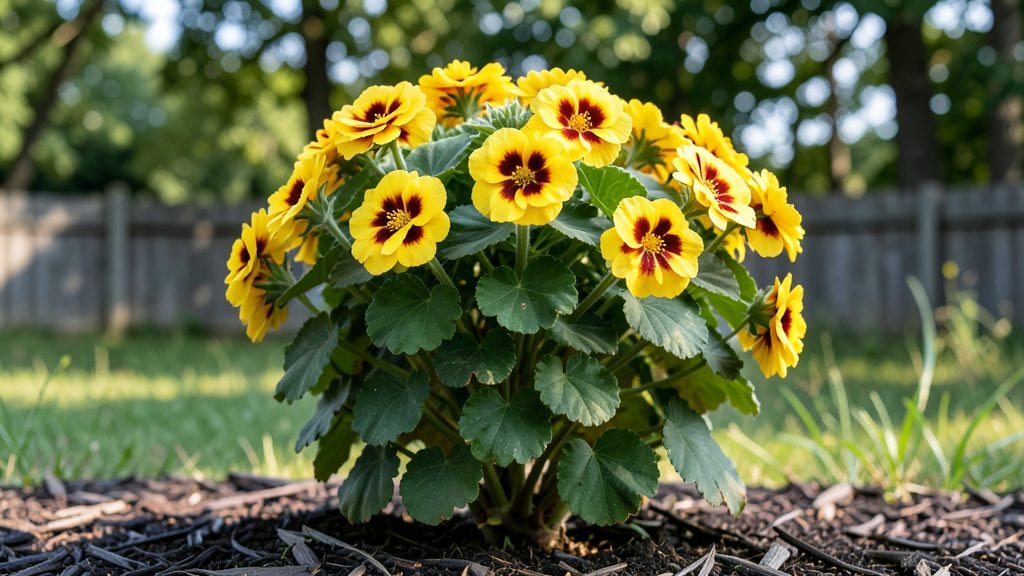
Nothing brightens a Pacific Northwest garden like yellow geranium flowers buzzing with bees and butterflies. 🌻 These cheerful blooms aren’t just pretty—they’re pollinator magnets that turn any space into a thriving ecosystem. I’ve seen them transform dull corners into sunlit havens where hummingbirds hover and bees dart between petals.
The secret to their magic lies in placement and companions. Pair them with lavender for a cottage-garden feel or contrast them against deep purple salvias for a modern edge.
They thrive in full sun, so edge them along patios, borders, or even in containers where their cascading habit adds movement. The key is keeping them company with other pollinator favorites like coneflowers or yarrow.
By mid-summer, your garden will explode with golden-yellow blooms that never fade to brown. The scent is subtle but inviting, and the nonstop activity makes every visit feel alive.
Whether you’re going for rustic charm or clean lines, these flowers deliver effortless beauty with zero fuss. Let’s make your garden their home.
Bonus: They handle our region’s damp summers better than most annuals, so you’ll enjoy them longer than you’d expect. Start with just a few pots or a single border, and watch how quickly they become the heart of your outdoor space.
📚 In This Guide
- What you need
- Instructions
- Tips and common mistakes
- Wrapping up and next steps
What you need
- ● Yellow Geranium Seeds or Plants: Seeds: 10–20 seeds (for a small patch) or 50+ for larger plantings. Look for Pelargonium x hortorum varieties like 'Butterfly' or 'Lemon Scented'.
- ● Plants: 3–5 nursery starts (6-inch pots) for a vibrant display.
- ● Well-Draining Soil: 5–10 bags (1 cubic foot each) of potting mix or garden soil amended with compost (70% soil, 30% compost).
- ● Containers or Garden Bed: Containers: 5–10 pots (8–12 inches wide) with drainage holes.
- ● Garden Bed: A sunny spot (6+ hours of light) with loose, fertile soil.
- ● Fertilizer: 1 bag of balanced, slow-release fertilizer (10-10-10 or 20-20-20) or organic options like fish emulsion.
- ● Mulch: 2–3 bags of straw, pine needles, or shredded bark to retain moisture.
- ● Basic Tools: Trowel or hand shovel
- ○ Gloves (optional but recommended)
- ● Watering can or hose with a gentle spray nozzle
- ● Pruning shears (for trimming)
- ○ Optional (But Helpful!): Seed-starting trays and grow lights (if starting indoors)
- ● Epsom salt (1 tbsp/month for magnesium boost)
- ● Pest control: Neem oil or insecticidal soap (for aphids/spider mites)
- ● Best Planting Time: Start seeds indoors 8–10 weeks before last frost (March–April) or transplant nursery starts after May 15 (when soil warms to 60°F+).
- ● Hardiness: Yellow geraniums are tender perennials—treat as annuals in the PNW (USDA Zones 7–10).
- ● Sunlight: Full sun (6+ hours/day) is a must! Partial shade may reduce blooms.
Step-by-step guide to cultivating thriving yellow geraniums in the Pacific Northwest
Here's how to grow these vibrant pollinator magnets with minimal fuss—perfect for PNW gardens.
🌱 Step 1: Select and Prepare Your Planting Site
Yellow geraniums (Geranium psilostemon) thrive in full sun to partial shade, making them ideal for PNW gardens where direct sunlight can be limited. Choose a spot with at least 4-6 hours of morning sun—afternoon shade helps prevent leaf scorch in hotter microclimates. I always test the soil first by squeezing a handful; if it stays clumped, it's too dense for geraniums' delicate roots.
Amend the soil with 2-3 inches of compost and a handful of perlite or coarse sand to improve drainage. Geraniums hate soggy roots, and PNW's frequent rain can lead to root rot if the soil doesn't breathe. Work the amendments into the top 6-8 inches of soil, loosening it gently with a fork to encourage root penetration. If your soil is particularly heavy clay, mix in a 5-gallon bucket of peat moss to lighten the texture.
☀️ Step 2: Plant at the Right Depth and Spacing
Dig holes twice as wide as the geranium's root ball but only as deep—planting too deep buries the crown and invites rot. Gently remove the plant from its container and tease the roots outward if they're circling. I like to dip the roots in a bucket of water for 10 minutes before planting to help them establish faster in our often-dry PNW summers.
Space plants 18-24 inches apart—this gives them room to spread without competing for nutrients. In containers, use one geranium per 5-gallon pot with drainage holes. Fill the hole halfway with soil, place the plant, then backfill while pressing gently to eliminate air pockets. Water deeply right after planting to settle the soil and remove any air gaps around the roots.
💧 Step 3: Water and Fertilize for Optimal Growth
Water geraniums deeply once a week during the first growing season, aiming for 1 inch of water per week. Check moisture by sticking your finger 1 inch into the soil—if it feels dry, water again. In the PNW's cooler, wetter months, you may need to adjust to every 10-14 days, as overwatering is a bigger risk than underwatering. Always water at the base of the plant to avoid wetting the leaves, which can lead to fungal issues.
Feed with a balanced, water-soluble fertilizer (10-10-10) every 4-6 weeks during the growing season. I dilute it to half-strength to avoid burning the roots—a common mistake that stunts growth. Stop fertilizing in late summer to encourage flowering and prepare for dormancy. Mulch with 2 inches of organic mulch (like shredded bark) to retain moisture and suppress weeds, but keep it 2 inches away from the stem to prevent rot.
✂️ Step 4: Prune and Deadhead for Continuous Blooms
Prune geraniums after the first flush of flowers in early summer to encourage bushier growth. Cut back one-third of the plant's height, focusing on leggy stems and crossing branches. Use clean, sharp pruners and make cuts just above a leaf node to promote new growth. This step is crucial—geraniums left unpruned become woody and produce fewer flowers.
Deadhead spent blooms weekly by pinching off the flower heads with your fingers or snipping them with pruners. This redirects the plant's energy into producing more vibrant yellow blooms instead of setting seed. In the PNW, where summers can be short, consistent deadheading keeps the plant flowering until early fall. Avoid heavy pruning in late summer, as it can reduce hardiness for winter.
🪴 Step 5: Overwinter for Next Year's Blooms
In the PNW's mild winters, geraniums can often survive outdoors with light protection. Cut back the foliage by half in late fall and mound 3-4 inches of mulch around the base to insulate the roots. If temperatures dip below 20°F, move potted geraniums to a garage or unheated shed where they'll stay dormant but alive. Keep them slightly moist (not soggy) and bring them back outdoors in early spring once frost risk has passed.
If you're growing geraniums in containers, reduce watering significantly in winter—every 3-4 weeks is plenty. Resume regular care in late winter, when you'll see new growth emerge. This is the moment that matters: a well-overwintered geranium will burst into bloom earlier and more vigorously than one that struggled through the cold. With this approach, your yellow geraniums will become a reliable pollinator magnet for years to come.
Tips & tricks for perfect yellow geranium cultivation in the PNW
These insider strategies will help your yellow geraniums thrive in the Pacific Northwest's unique climate.
Soil Preparation Secret: When amending your soil with the 2-3 inches of compost, mix in a handful of worm castings too—this adds beneficial microbes that help geraniums absorb nutrients more efficiently. The PNW's cool, wet climate can wash away beneficial bacteria, so this extra boost makes a noticeable difference in root health and flowering. I find that plants established with worm castings bloom about two weeks earlier than those without.
Root Establishment Hack: That 10-minute root soak before planting is your secret weapon for overcoming PNW's inconsistent summer rainfall. Fill a bucket with room-temperature water and let the roots soak while you prepare the hole. This pre-hydration helps them establish faster in our often-dry summer months, reducing transplant shock. For container plants, I even add a pinch of seaweed extract to the soaking water for extra growth hormones.
Watering Wisdom: The once-weekly watering guideline works best when you check soil moisture at that 1-inch depth—this is where geranium roots actively seek water. In the PNW's cooler months, I've found that morning watering works best to prevent fungal issues from evening moisture. If you notice wilting despite your watering schedule, it's often a sign the roots need more oxygen—amend with another handful of perlite to improve aeration.
Pruning Precision: When you're cutting back that one-third of the plant's height in Step 4, focus on making clean cuts just above leaf nodes where new growth emerges. I use sterilized pruners (dipped in rubbing alcohol) to prevent spreading any potential diseases. The key is to prune after the first flush of flowers—this encourages bushier growth that will produce more blooms throughout the season, especially important in our shorter PNW summers.
Pro Tips for Yellow Geranium Flowers
- These insider strategies will help your yellow geraniums thrive in the Pacific Northwest's unique climate.
- Soil Preparation Secret: When amending your soil with the 2-3 inches of compost, mix in a handful of worm castings too—this adds beneficial microbes that help geraniums absorb nutrients more efficiently.
- Root Establishment Hack: That 10-minute root soak before planting is your secret weapon for overcoming PNW's inconsistent summer rainfall.
Frequently asked questions
Are yellow geraniums easy to grow in the PNW’s rainy climate?
Yes! While they prefer well-draining soil, yellow geraniums (like Geranium macrorrhizum) are surprisingly resilient. Plant them in raised beds or slopes to prevent root rot, and they’ll thrive in partial shade—ideal for the PNW’s damp, cooler summers. Mulch lightly to protect roots while keeping soil breathable.
When is the best time to plant yellow geraniums in Washington or Oregon?
For spring planting, wait until after the last frost (typically late April–May). If starting from seed, sow indoors 8–10 weeks before the last frost. In milder coastal areas, you can plant in early fall (September) for blooms the following year. Avoid winter planting—they’re not frost-hardy.
Do yellow geraniums attract bees and butterflies like red geraniums?
While red geraniums are classic bee magnets, yellow varieties (especially Geranium pratense) are equally enticing to pollinators, including bumblebees, honeybees, and swallowtail butterflies. Their bright blooms signal nectar-rich flowers, making them a PNW pollinator favorite. Pair them with lavender or salvia for extra buzz!
What’s the best alternative if yellow geraniums don’t thrive in my garden?
Try these PNW-friendly pollinator plants with similar charm:
- Lupinus polyphyllus (Lupine) – Drought-tolerant, nitrogen-fixing, and loved by bees.
- Achillea millefolium (Yarrow) – Tough, long-blooming, and attracts hoverflies.
- Eschscholzia californica (California Poppy) – Bright yellow, drought-resistant, and self-seeding.
- Symphyotrichum ericoides (Asters) – Late-season nectar for migrating monarchs.
Why are my yellow geranium leaves turning yellow or spotted?
Common culprits include:
- Overwatering: Yellow leaves = soggy roots. Let soil dry slightly between waterings.
- Powdery mildew: White spots? Improve airflow and spray with neem oil.
- Spider mites: Tiny webs + speckled leaves? Blast leaves with water or use insecticidal soap.
- Nutrient deficiency: Pale yellow leaves? Feed with a balanced fertilizer in spring.
Wrapping up and next steps
Yellow geranium flowers aren’t just a vibrant splash of color for your Pacific Northwest garden—they’re pollinator powerhouses that support bees, butterflies, and hummingbirds while adding charm to any space. 🌸 From their low-maintenance care to their ability to thrive in diverse climates, these cheerful blooms prove that beauty and biodiversity go hand in hand.
Ready to transform your garden? Start small—plant a few yellow geraniums this season and watch your outdoor space buzz with life! For even more impact, share your blooms with neighbors or local community gardens to spread the pollinator love. 🌿