
Flowers
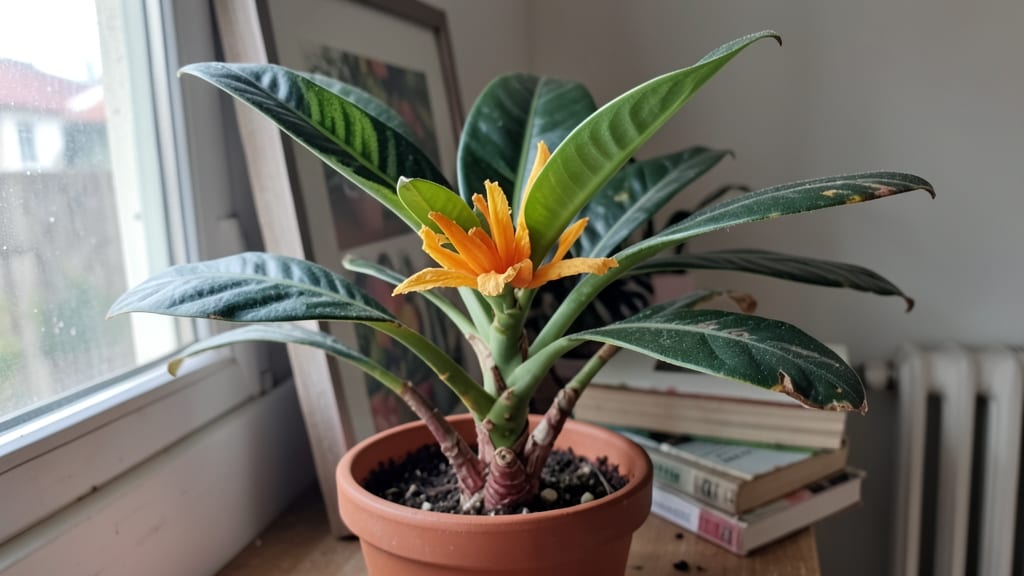
Growing zebra lilies delivers those jaw-dropping striped blooms that look like nature painted them with a fine-tipped brush. ✨ These shade-loving beauties thrive where most flowers struggle, and once established, they multiply like wildfire—though I’ve learned patience pays off when planting from seed.
The key is cool-season timing, rich soil, and a spot where their dramatic foliage can shine without competing with harsh sunlight.
You’ll need a moist, well-draining soil mix that mimics their woodland roots, along with a partial-shade location in zones 4-9. Bulbs go in 3-4 inches deep in early fall or spring, spaced about 6 inches apart—close enough for a lush clump, but not so tight they choke each other.
My first batch took two years to bloom, but now they’re a reliable spring showstopper that spreads effortlessly.
The payoff comes in late spring or early summer when those bold purple-and-white striped blooms emerge, each one a conversation starter. The foliage stays striking even after flowering, and deer—unlike me—rarely bother them.
With minimal care, you’ll have a low-maintenance perennial that outshines annuals every year. Here’s how to get started without the guesswork.
Fair warning: Zebra lilies can be picky about watering—too much and they rot, too little and they sulk. But once they’re happy, they’ll reward you with decades of blooms and the kind of neighbor envy that makes gardening worth the effort. Let’s get those bulbs in the ground!
📚 In This Guide
- What you need
- Instructions
- Tips and common mistakes
- Wrapping up and next steps
What you need
- ● Zebra lily bulbs or tubers: 3–5 healthy tubers (choose firm, pest-free ones with visible "eyes" or growth points).
- ● Well-draining potting mix or garden soil: 2–3 cubic feet (for in-ground planting) or a 10–12 inch pot (for containers). Mix in compost (1 part compost to 3 parts soil) for nutrients.
- ● Organic mulch: 2–3 inches of shredded bark, leaves, or straw to retain moisture and regulate temperature.
- ○ Slow-release fertilizer (optional but recommended): A balanced 10-10-10 or bulb-specific fertilizer (1 tbsp per plant).
- ● Garden trowel or small shovel (for digging).
- ● Gloves (to protect hands from soil and sharp tuber edges).
- ● Watering can or hose with a gentle spray nozzle.
- ● Measuring tape or ruler (to ensure proper spacing).
- ○ Container (optional): A pot with drainage holes (12+ inches deep) if growing indoors or in cooler microclimates.
- ● Climate: USDA Zones 3–9 (prefers partial to full shade; tolerates cool, moist environments).
- ● Planting time: Early spring (March–April) or fall (September–October) for best root establishment.
- ● Water access: Consistent moisture (but avoid waterlogged soil—zebra lilies hate soggy roots!).
- ● Patience: Tubers may take 1–2 years to bloom, but they’re worth the wait for those show-stopping stripes! 🎨
- ● Test your soil’s pH (ideal range: 6.0–7.0). Adjust with lime or sulfur if needed.
- ● For containers, use a mix of 50% peat moss and 50% perlite to improve drainage.
- ● If planting in fall, cover tubers with a thick layer of mulch (4–6 inches) to protect from freezing.
Step-by-step instructions for growing zebra lilies in cool climates
Here's how to coax those striking striped blooms from this shade-loving perennial.
🌱 Step 1: Select and Prepare Planting Sites
Zebra lilies (Arisaema triphyllum) thrive in partial to full shade with 60-80% shade coverage—think dappled light under trees or east-facing beds. I always choose spots where morning sun warms the soil but afternoon shade prevents wilting. The soil must be moist but well-draining, so amend heavy clay with 2-3 inches of compost mixed into the top 12 inches of soil.
Dig a hole twice as wide as the root ball but only as deep as the container's root base. Zebra lilies resent being buried too deep, which can rot their delicate tubers. Gently loosen the roots if they're circling in the pot before placing them in the hole. Water thoroughly after planting to eliminate air pockets around the roots.
💧 Step 2: Plant and Water for Establishment
Space plants 12-18 inches apart—they'll spread slowly but steadily over time. I like to plant them in small clusters of three for a naturalistic look, as their foliage has an interesting, almost tropical appearance. Cover the roots with soil, leaving the crown (where roots meet stems) at soil level—burying it too deep smothers the plant.
Water deeply immediately after planting, then maintain consistent moisture for the first 4-6 weeks. Zebra lilies are drought-tolerant once established, but young plants need steady water to develop strong roots. You'll know moisture is right when the soil feels like a wrung-out sponge—damp but not soggy. Mulch with 2 inches of shredded bark to retain moisture and suppress weeds.
☀️ Step 3: Provide Shade and Monitor Growth
Zebra lilies bloom best in cool, shady conditions—they're one of the few perennials that actually prefer the 65-75°F range over hot summers. If your summers run hotter, provide afternoon shade or plant them near deciduous trees that leaf out in spring. Their arrowhead-shaped leaves emerge in early spring, followed by unique, striped spathe flowers in late spring to early summer.
Watch for new growth in early spring—it's your cue that winter dormancy is over. Fertilize lightly with a balanced 10-10-10 formula in early spring, but avoid heavy feeding. Too much nitrogen encourages leafy growth at the expense of blooms. Deadhead spent flowers to encourage a second flush of blooms in late summer, but leave some seed pods if you want to naturalize the area.
✂️ Step 4: Divide and Maintain for Long-Term Health
Every 3-4 years, divide clumps in early spring before new growth appears. Zebra lilies spread slowly, so you won't need to divide often, but it keeps plants vigorous. Dig up the entire clump, separate the tubers gently with your hands, and replant the largest, healthiest divisions. This is also a good time to refresh the soil—amend with another 1-2 inches of compost if the area looks depleted.
In fall, reduce watering as temperatures drop below 50°F, but don’t let the soil dry out completely. Zebra lilies are hardy to Zone 3, so they’ll survive winter with minimal protection. A 3-inch layer of mulch over the crown in late fall insulates the tubers from extreme cold. You’ll see new shoots emerge in late winter or early spring, signaling the cycle begins again.
Tips & tricks for perfect zebra lily flower growth
These shade-loving beauties reward patience with striking striped blooms—here's how to set them up for success.
Site Selection Secret: Look for that sweet spot with morning sun and afternoon shade—this mimics their natural woodland habitat. I've found east-facing beds work best in my climate, where they get gentle morning warmth without afternoon heat stress. The 60-80% shade coverage is critical: too much sun scorches the leaves, while too little shade reduces bloom production.
Soil Preparation: The 2-3 inches of compost mixed into the top 12 inches of soil isn't just about nutrients—it's about creating that perfect moisture balance. For heavy clay soils, I recommend adding perlite to improve drainage while maintaining moisture retention. Test your soil's pH too: zebra lilies prefer slightly acidic to neutral soil (6.1-7.3).
Planting Precision: That crown sitting exactly at soil level is non-negotiable—burying it too deep smothers the plant while planting too shallow exposes it to temperature fluctuations. I like to make a small mound of soil to create a natural depression around the crown to catch water during those critical first 4-6 weeks. This helps maintain that wrung-out sponge moisture level without overwatering.
Seasonal Care: The 65-75°F range is ideal for blooming, but don't panic if your summers run hotter. Provide afternoon shade with shade cloth (30-50%) if needed, and water deeply in the morning to let foliage dry before evening. In fall, that 3-inch mulch layer isn't just for insulation—it also protects tubers from freeze-thaw cycles that can damage delicate roots.
Pro Tips for Zebra Lily Flower
- These shade-loving beauties reward patience with striking striped blooms—here's how to set them up for success.
- Site Selection Secret: Look for that sweet spot with morning sun and afternoon shade—this mimics their natural woodland habitat.
- Soil Preparation: The 2-3 inches of compost mixed into the top 12 inches of soil isn't just about nutrients—it's about creating that perfect moisture balance.
Frequently asked questions
Got questions about growing zebra lilies? You’re not alone—these striking flowers can be a bit mysterious! Here are some of the most common queries (and answers) to help you cultivate confidence in your garden.
How cold can zebra lilies tolerate?
Zebra lilies (Arisaema triphyllum) thrive in USDA Zones 3–8 and are hardy to -30°F (-34°C). They love cool, shaded spots and even handle light frost—just protect them from severe winter winds by adding a layer of mulch. Their natural woodland habitat makes them perfect for early spring or fall planting!
When do zebra lilies bloom, and how long do the flowers last?
Blooms typically appear in late spring to early summer (May–June), lasting 2–4 weeks. The hooded, striped flowers are short-lived but highly dramatic—think of them as nature’s pop-up art! For longer enjoyment, plant multiple bulbs to stagger flowering times.
How often should I water zebra lilies?
Keep soil moist but not soggy—water deeply once a week (more in drought or sandy soil). Once established, they’re drought-tolerant, but avoid waterlogging, which can rot the rhizomes. Pro tip: Mulch with leaf litter to retain moisture and mimic their forest floor home!
Can zebra lilies grow in containers, or do they need garden beds?
Yes! They adapt well to containers (12+ inches deep) with well-draining soil and partial shade. Use a mix of peat moss, perlite, and compost. Just ensure the pot has drainage holes and overwinter it indoors if temps drop below 20°F (-7°C). Bonus: They’re great for shady balconies!
Why aren’t my zebra lilies blooming?
Common culprits include:
- Too much sunlight (they prefer dappled shade or morning sun).
- Over-fertilizing (they’re low-maintenance—use balanced fertilizer sparingly in early spring).
- Disturbed rhizomes (they need 3–5 years to mature; avoid moving them once planted).
- Poor drainage (root rot kills blooms—amend soil with sand or grit if needed).
Patience is key—these divas reward consistent care with show-stopping stripes!
Wrapping up and next steps
The zebra lily flower is a stunning, low-maintenance gem that thrives in cool climates and adds bold, striped beauty to any garden. With the right soil, shade, and occasional care, you’ll enjoy its striking blooms year after year—and—even attract pollinators like hummingbirds!
Whether you’re a beginner or a seasoned gardener, these easy-to-follow steps make growing zebra lilies a rewarding experience.
Ready to transform your garden? Start by gathering your supplies, then plant your first bulb this season. Before you know it, you’ll be showcasing these showstopping blooms with confidence! 🌱✨