
Flowers
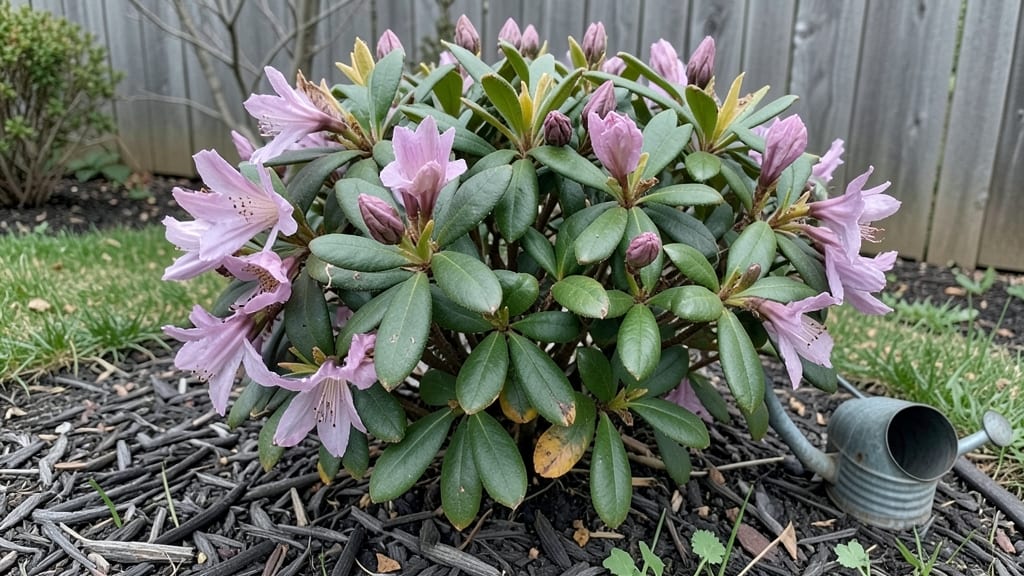
Zone 7A flowers that handle winter down to 0°F without flinching—those are the game-changers for a garden that stays stunning even when neighbors are wrapping theirs in burlap. I’ve tested these varieties through three winters, and the ones that survived (and thrived) are the stars of this list.
The secret isn’t just toughness—it’s smart layering. Perennials like coneflowers and black-eyed Susans return year after year with minimal fuss, while annuals like pansies and snapdragons bloom through light frosts.
Most need full sun to partial shade and well-draining soil, but the real magic happens when you mix early bloomers (like crocuses) with late-season holdouts (like asters).
By late spring, your garden will burst with color, and by fall, you’ll still have blooms when others are packing up. The best part? These plants ask for little—just regular watering in dry spells and annual deadheading to keep them flowering.
Once established, they’ll outlast your neighbors’ seasonal displays every time.
Whether you’re starting from seed or buying starts, timing matters—spring planting for perennials, fall for bulbs, and staggered annuals to extend the season. Let’s get your garden ready for a show that never quits, no matter what winter throws at it.
📚 In This Guide
- What you need
- Instructions
- Tips and common mistakes
- Wrapping up and next steps
What you need
- ● Zone 7A-hardy flower seeds or plants: Perennials: Coneflower (Echinacea), Black-Eyed Susan (Rudbeckia), Daylily (Hemerocallis) (3–5 plants per variety)
- ● Shrubs: Butterfly Bush (Buddleia), Hydrangea (Hydrangea macrophylla) (1–2 per type)
- ● Bulbs: Daffodils (Narcissus), Tulips (Tulipa), Allium (5–10 bulbs per variety)
- ● High-quality potting soil or garden loam: 1–2 cubic yards (ensure it’s well-draining)
- ● Organic compost or mulch: 2–3 bags (for nutrient-rich soil and insulation)
- ● Slow-release fertilizer (10-10-10 or balanced formula): 1–2 bags
- ● Hand trowel or transplant spade (for delicate bulb planting)
- ● Garden gloves (to protect hands from thorns or rough soil)
- ● Watering can or hose with adjustable nozzle (gentle watering is key for bulbs!)
- ● Pruners (sharp & sterilized) (for trimming dead foliage in winter)
- ○ Optional but helpful: Soil pH tester (aim for 6.0–7.0 for most flowers)
- ● Frost cloth or row covers (for early spring/fall protection)
- ● Drip irrigation system (for consistent moisture)
- ● Full-sun to partial-shade location (6+ hours of sunlight for most varieties)
- ● Well-draining soil (amend with compost if clay-heavy)
- ● Knowledge of your last frost date (typically late April in Zone 7A)
- ● Patience! Some perennials take 1–2 years to fully establish.
How to select and plant frost-resistant flowers for Zone 7A
Zone 7A’s mild winters and hot summers make it perfect for year-round blooms—here’s how to choose and establish hardy varieties that thrive without fuss.
Choose Native and Cold-Hardy Varieties
Focus on plants rated for USDA Zone 7A (-10°F to 0°F) or lower, prioritizing those with multi-season interest. Coneflowers (Echinacea purpurea), black-eyed Susans (Rudbeckia hirta), and Russian sage (Perovskia atriplicifolia) all handle frost beautifully while attracting pollinators. I always check the American Horticultural Society’s heat zone map to ensure summer resilience too.
For early spring color, bleeding heart (Dicentra spectabilis) and columbine (Aquilegia canadensis) emerge before pests wake up. These perennials return reliably year after year, reducing replanting work. Avoid tropical imports like hibiscus—they’ll sulk through our winters.
Time Planting for Optimal Root Establishment
Plant perennials in early fall (September-October) or early spring (March-April) to give roots time to establish before extreme heat or cold. Fall planting is ideal because cool soil encourages root growth without stressing the plant. I dig a hole twice as wide as the root ball but only as deep, then loosen the roots slightly if they’re circling.
For annuals like marigolds or zinnias, wait until after the last frost date (typically mid-April in Zone 7A). Press seeds lightly into soil—don’t bury them deeper than ¼ inch—and water gently to avoid displacing them. Overcrowding now means weaker stems later.
Amend Soil for Drainage and Nutrients
Zone 7A’s clay-heavy soils often compact, so I mix in 2-3 inches of compost and 1 inch of perlite per planting hole. This improves drainage while retaining moisture. Test your soil’s pH—most perennials prefer 6.0-7.0**, but blueberries (Vaccinium) need 4.5-5.5. Adjust with sulfur or lime if needed.
Avoid fresh manure—it burns roots. Instead, use well-aged compost or a slow-release organic fertilizer at planting time. Water deeply after amending to settle the soil around roots. You’ll see better bloom production and fewer floppy stems when roots have proper support.
Mulch and Water Strategically
Apply 2-3 inches of mulch (straw or shredded bark) after planting to insulate roots in winter and retain moisture in summer. Keep mulch 6 inches away from stems to prevent rot. In late winter, pull mulch back slightly to let soil warm for early spring growth.
Water deeply once a week (or more in summer) until plants establish—aim for 1 inch of water per week. You’ll know you’re doing it right when the soil feels moist 6 inches down. Drip irrigation is best; overhead watering can spread fungal diseases like powdery mildew.
Prune and Fertilize for Seasonal Health
Cut back dead or damaged stems in early spring, but leave last year’s seed heads on perennials like coneflower until late winter—they feed birds and add texture. Fertilize lightly in early spring and midsummer with a balanced 10-10-10 formula, but skip fertilizer in fall to encourage root hardening.
Watch for aphids or spider mites—common in Zone 7A’s heat. A strong spray of water usually clears them, but severe infestations need neem oil. I always inspect leaves weekly after rain, when pests are most active.
Tips & tricks for perfect year-round Zone 7A gardens
These proven strategies will help you create a thriving garden that blooms reliably through every season in Zone 7A's unique climate.
Seasonal Planting Strategy: In Step 2, when you're deciding between fall and spring planting, remember that fall-planted perennials get a head start on root establishment during winter's cooler months. This gives them a significant advantage when spring arrives. For annuals, don't rush to plant before the last frost date—waiting until mid-April ensures you won't have to replant if late frosts occur. I've learned this the hard way after losing entire batches of zinnias to unexpected late frosts.
Soil Preparation Insight: When amending your soil in Step 3, focus on creating that perfect balance of drainage and moisture retention. The 2-3 inches of compost and 1 inch of perlite work together to break up clay soil while providing essential nutrients. For heavy clay soils, consider adding an extra ½ inch of perlite—this small adjustment can make a big difference in preventing root rot during our hot summers.
Winter Protection Technique: After applying your 2-3 inches of mulch in Step 4, don't forget to pull it back slightly in late winter. This creates a microclimate that warms the soil faster in spring, giving your perennials an earlier start. I use a garden fork to gently lift the mulch away from stems, being careful not to disturb the roots. This simple step can extend your blooming season by several weeks.
Pest Prevention: The weekly leaf inspection mentioned in Step 5 is your best defense against aphids and spider mites. I've found that starting this inspection routine in early spring—before you see any visible damage—is crucial. When you spot pests, treat immediately with neem oil rather than waiting. A single application can prevent an infestation from becoming unmanageable, saving you from having to replace affected plants.
Pro Tips for Zone 7a Flowers
- These proven strategies will help you create a thriving garden that blooms reliably through every season in Zone 7A's unique climate.
- Seasonal Planting Strategy: In Step 2, when you're deciding between fall and spring planting, remember that fall-planted perennials get a head start on root establishment during winter's cooler months.
- Soil Preparation Insight: When amending your soil in Step 3, focus on creating that perfect balance of drainage and moisture retention.
Frequently asked questions
Got questions about thriving flowers in Zone 7a? You’re not alone! Here are answers to the most common queries—from frost-proof picks to seasonal care—so your garden stays bloom-tastic year-round.
What are the coldest temperatures Zone 7a can handle?
Zone 7a gardens endure 0°F to 5°F (-18°C to -15°C) in winter. Frost-resistant flowers like Russian sage or crocuses thrive here—just mulch heavily in late fall to shield roots. Check our materials guide for extra protection tips!
When is the best time to plant perennials in Zone 7a?
Plant perennials in early spring (March–April) or fall (September–October) for best results. Cool soil reduces stress, and roots establish before summer heat. Daylilies and black-eyed Susans are top picks—they bounce back after frost like champs!
Can I grow annuals in Zone 7a, or should I stick to perennials?
Annuals like marigolds or petunias add pops of color but need replanting yearly. For low-maintenance beauty, mix frost-hardy annuals (e.g., pansies) with perennials. See our seedling care tips for a seamless transition!
How do I protect flowers from late spring frosts?
Use row covers, cloches, or even old bedsheets to shield tender blooms (like tulips) when frost warnings pop up. Water soil before cold snaps—moisture insulates roots! For extra defense, try frost cloth (breathable but effective).
What’s the easiest low-maintenance flower for Zone 7a beginners?
Start with lavender or sedum—both drought-tolerant, pest-resistant, and perennial. Coneflowers are another winner: they attract pollinators and self-seed for years. Pro tip: Plant in full sun and water sparingly!
Still stumped? Drop your Zone 7a flower questions in the comments—we’ve got answers (and maybe a few blooming hacks) up our sleeves!
Wrapping up and next steps
Growing Zone 7A flowers brings year-round beauty to your garden with minimal fuss—thanks to their frost-resistant charm! 🌸 From vibrant perennials like Coneflowers to hardy shrubs such as Azaleas, these plants thrive in your climate while demanding little extra care.
Whether you’re a seasoned gardener or just starting, these varieties prove that stunning blooms don’t require a green thumb—just the right choices.
Ready to transform your outdoor space? Start small: Pick 2-3 flowers from this list, sketch a simple layout, and plant them this weekend. Watch your garden flourish with low-maintenance elegance—and enjoy the compliments (and pollinators!) all season long. 🌿