
Flowers
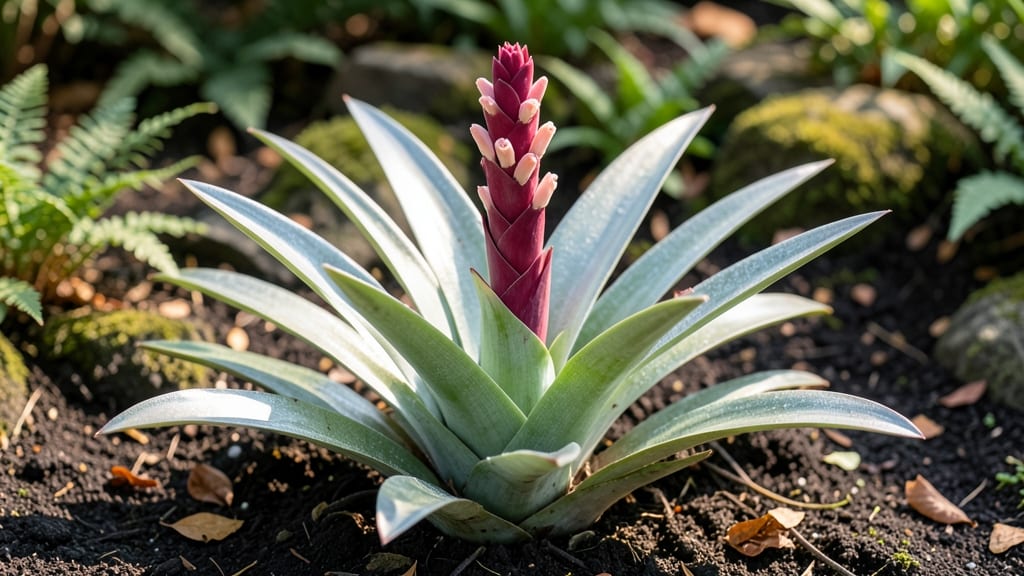
Growing acca sellowiana—that stunning pineapple-guava with its fragrant white flowers—finally became possible in my Pacific Northwest garden after years of trial and error. The key? Understanding its frost tolerance and pruning quirks to keep it thriving through our damp, chilly winters.
This isn’t just another tropical plant struggling to survive; with the right approach, it becomes a hardy, low-maintenance beauty that rewards patience with vibrant blooms and glossy foliage.
The secret lies in mimicking its natural Brazilian habitat without going overboard. Well-draining soil mixed with compost, bright indirect light (or morning sun in containers), and consistent moisture—without soggy roots—sets the foundation.
My plants now push out new growth even when temps dip into the 30s, thanks to strategic pruning after each flush of flowers. The first year was a learning curve, but now I harvest fruit that tastes like a cross between pineapple and guava—worth every bit of effort.
What you’ll end up with is a plant that stays compact, blooms reliably twice a year, and even handles light frosts if you protect it right. The glossy leaves develop a reddish tint in cooler weather, adding seasonal interest, while the flowers attract pollinators like bees and hummingbirds.
Best of all? It’s one of the few tropicals that actually thrives in our climate with minimal fuss—once you crack the pruning code.
Whether you’re growing it in containers on a patio or tucked into a sheltered garden bed, the same principles apply. The biggest mistake I see is over-pruning or letting it get waterlogged—both kill that tropical vibe fast. Let’s fix that and get yours blooming like a pro.
📚 In This Guide
- What you need
- Instructions
- Tips and common mistakes
- Wrapping up and next steps
What you need
- ● Acca sellowiana plant: 1–3 potted seedlings (3–5 ft tall, ~$25–$50 each) OR
- ● Seeds (harvested fresh or purchased, ~$10–$20 for 10 seeds)
- ● Hardwood cuttings (6–12 inches long, taken in late winter)
- ● Well-draining soil: Mix 50% native soil + 30% compost + 20% perlite/pumice (for PNW’s acidic, clay-heavy soils).
- ● Mulch: 2–3 inches of wood chips or pine bark to retain moisture and protect roots from frost.
- ● Fertilizer: Balanced 10-10-10 fertilizer (1 tbsp per plant, applied in early spring)
- ● Acid-loving plant food (e.g., cottonseed meal, ½ cup per plant in summer)
- ● Hand trowel (for transplanting seedlings)
- ● Pruning shears (sterilized with rubbing alcohol)
- ● Garden fork (to loosen soil before planting)
- ● Watering can (with a rose nozzle for gentle watering)
- ○ pH testing kit (optional but helpful—ideal range: 5.5–6.5)
- ● Frost cloth (for young plants in Zone 7–8 winters)
- ● Sunlight: Full sun (6+ hours/day) or partial shade (afternoon shade in hot summers).
- ● Climate: Hardy to USDA Zones 7–10; protect from below 10°F with mulch/cloth.
- ● Space: Mature trees reach 15–20 ft tall; plant 10–15 ft apart.
- ● Water access: Drip irrigation or hose for deep watering 2x/week (more in drought).
Step-by-step guide to growing and pruning Acca sellowiana in the Pacific Northwest
This hardy tropical relative thrives in PNW climates—here's how to nurture its striking flowers through frost and pruning.
Select the Right Location for Cold-Hardy Growth
Choose a spot with partial shade during summer afternoons to prevent leaf scorch, but ensure 6+ hours of morning sun for flowering. Acca Sellowiana tolerates 10°F temperatures but prefers sheltered sites where cold air settles last. In the Pacific Northwest, a south-facing wall or large evergreen windbreak works best.
Amend the soil with 3-4 inches of organic compost before planting to improve drainage—this plant despises soggy roots. Test your soil's pH; aim for 6.0-6.5. If your yard's native soil is heavy clay, consider planting in a large raised bed (at least 2 feet wide and deep) to mimic its natural well-draining forest floor habitat.
Plant and Establish with Winter Protection
Plant your Acca Sellowiana in spring after last frost (typically mid-April in the PNW) when soil temperatures reach 55°F. Dig a hole twice as wide as the root ball but only as deep—planting too deep suffocates the roots. Water thoroughly after planting to eliminate air pockets, then mulch with 3-4 inches of wood chips to insulate roots during winter.
For the first two winters, wrap the trunk with burlap or frost cloth and loosely pile 6-8 inches of straw mulch around the base once temperatures drop below 20°F. Remove the straw in early spring to prevent rot. Young plants benefit from a light winter blanket of evergreen boughs if your zone dips below 15°F.
Prune for Frost Resistance and Flowering
Prune late winter to early spring (February-March) before new growth begins. Remove any dead, damaged, or crossing branches first—these compete with healthy growth. Cut back one-third of the oldest stems to encourage new, more cold-resistant shoots from the base. Use clean, sharp pruners and make cuts just above a leaf node at a 45-degree angle.
Shape the plant into an open vase form to allow sunlight and air circulation—this prevents fungal issues common in dense growth. Avoid heavy pruning in fall, as new growth won't harden off before winter. If your plant shows signs of frost damage (blackened leaves or stem cracks), prune out only the damaged portions in early spring rather than the entire branch.
Maintain Through Seasons for Long-Term Health
Water deeply once weekly during the first growing season to establish roots, then every 10-14 days once established, allowing the top 2-3 inches of soil to dry between waterings. Overwatering causes root rot, especially in winter when growth slows. Fertilize lightly in early spring with a balanced 10-10-10 fertilizer—too much nitrogen reduces flowering.
Watch for scale insects on new growth, which are common in Pacific Northwest climates. Treat infestations immediately with horticultural oil. In late summer, reduce watering slightly to encourage dormancy before winter. Mature plants develop natural cold resistance after 3-4 years in the ground, requiring minimal winter protection.
Tips & tricks for growing Acca sellowiana flowers in the Pacific Northwest
These practical tips will help you nurture your Acca Sellowiana through PNW winters and maximize those stunning flowers.
Location is Everything: When selecting your planting site, pay special attention to the microclimate. The 10°F tolerance is impressive, but cold air pools in low spots. Avoid frost pockets where temperatures can dip below 10°F—these are the spots where cold air settles last. A south-facing wall or evergreen windbreak creates a natural barrier against winter winds that can stress young plants. I've seen plants in exposed locations struggle even when nearby plants thrive.
Soil Prep Matters More Than You Think: That 3-4 inches of organic compost isn't just about nutrients—it's about creating the perfect drainage. Acca Sellowiana hates soggy roots, and PNW clay soils can be particularly problematic. If you're planting in heavy clay, don't skip the raised bed option. I've had plants in raised beds with 2 feet depth survive winters that killed container plants nearby. The key is mimicking its natural forest floor habitat where water drains quickly.
Winter Protection Strategy: The 6-8 inches of straw mulch around young plants is crucial when temperatures drop below 20°F. I've learned this the hard way—skipping this step can lead to root damage even when the plant appears fine above ground. For the first two winters, don't forget to wrap the trunk with burlap or frost cloth. This simple step can mean the difference between a thriving plant and one that struggles to recover. And if your zone dips below 15°F, that evergreen bough blanket can save your plant from severe frost damage.
Pruning Timing is Critical: That late winter to early spring pruning window (February-March) is non-negotiable. Pruning too early can stimulate new growth that won't harden off before winter. I've seen plants pruned in January put out tender new shoots that get nipped by late winter frosts. When you cut back one-third of the oldest stems, you're not just shaping the plant—you're encouraging new, more cold-resistant growth from the base. Make those cuts at a 45-degree angle just above a leaf node for the best healing response.
Pro Tips for Acca Sellowiana Flower
- These practical tips will help you nurture your Acca Sellowiana through PNW winters and maximize those stunning flowers.
- Location is Everything: When selecting your planting site, pay special attention to the microclimate.
- Soil Prep Matters More Than You Think: That 3-4 inches of organic compost isn't just about nutrients—it's about creating the perfect drainage.
Frequently asked questions
Got questions about growing Acca sellowiana (Pineapple Guava) in the Pacific Northwest? We’ve got answers! Here are the most common queries—plus practical tips to keep your frost-resistant beauty thriving.
How cold can Acca sellowiana tolerate?
Acca sellowiana is one of the hardiest tropical fruits, surviving brief dips to 10–15°F (-12 to -9°C). However, prolonged exposure below 20°F (-7°C) may damage leaves or flowers. In the PNW, mulching (3–4 inches of wood chips) and winter wraps for young plants are key. Older trees often bounce back with minimal pruning after frost.
When do Acca sellowiana flowers bloom, and how long do they last?
Flowers typically appear in late spring to early summer (May–June) in the PNW, triggered by warm days and cool nights. Each bloom lasts 2–3 days, but the tree produces waves of flowers over 4–6 weeks. For consistent blooms, ensure 6+ hours of sunlight and well-draining soil (pH 5.5–6.5).
Can I grow Acca sellowiana in containers?
Yes! Use a 15+ gallon pot with drainage holes and a mix of 60% potting soil + 30% compost + 10% perlite. Containers allow you to move the plant indoors if temps drop below 20°F (-7°C). Just ensure it gets full sun (6+ hours) and deep watering (1–2 inches per week). Dwarf varieties like ‘Goldfinger’ are ideal for small spaces.
Why aren’t my Acca sellowiana flowers opening?
Common culprits include:
- Insufficient sunlight: Needs 6+ hours of direct sun daily.
- Overwatering: Yellow leaves or root rot can stress the plant. Water when the top 2 inches of soil are dry.
- Nutrient deficiency: Feed with a balanced fertilizer (10-10-10) in early spring.
- Young age: Trees under 3–5 years may focus on growth over flowering.
Try hand-pollinating flowers with a soft brush if bees are scarce!
What’s a frost-resistant alternative if Acca sellowiana struggles in my zone?
If your PNW microclimate is Zone 7 or colder, consider:
- Arbutus ‘Marina’ (Madrona): Hardy to 0°F (-18°C), with fragrant white flowers.
- Viburnum ‘Bodnantense’ (Winter Flowering): Blooms in late winter, tolerates 5°F (-15°C).
- Camellia ‘Winter’s Star’: Thrives in Zones 7–9, with winter flowers.
For edible options, Crabapples (Malus spp.) or Honeyberries (Lonicera caerulea) are tougher choices.
Wrapping up and next steps
The Acca sellowiana—or Pineapple Guava—is a stunning, frost-resistant gem that thrives in the Pacific Northwest’s climate. With the right care, pruning, and patience, you can cultivate its vibrant flowers and delicious fruit while keeping your plant healthy and lush.
Whether you're a beginner or a seasoned gardener, this resilient beauty rewards your efforts with year-round interest and edible bounty!
Ready to take the next step? Start by observing your plant’s growth and adjust your pruning schedule as needed. Share your progress with fellow gardeners, or even graft cuttings to expand your collection—happy planting! 🌱✨