
Flowers
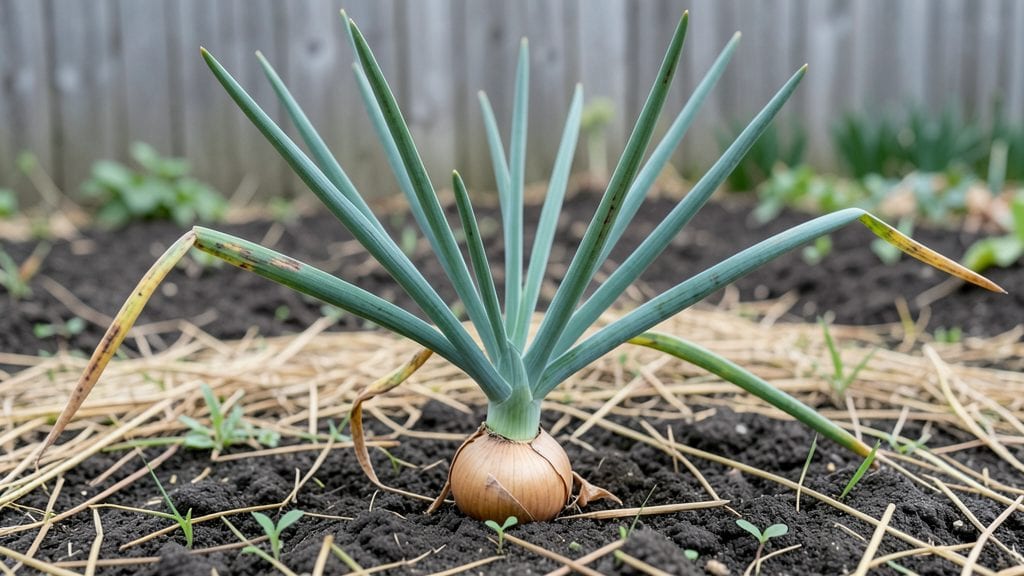
Growing allium flower onions transforms your garden into a dramatic springtime spectacle with almost no effort. 🌸 These globe-shaped blooms—ranging from lavender to deep purple—stand out against any backdrop, and they thrive where other flowers fail.
My first batch popped up through last winter’s snow, proving they’re tougher than they look.
You’ll need a sunny spot with well-draining soil (they hate soggy feet) and minimal fuss after planting. Space bulbs 6–12 inches apart, and they’ll reward you with bold, long-lasting blooms that last from late spring to early summer.
The best part? They’re drought-tolerant once established, so forget the watering schedule—just enjoy the show.
By late summer, the foliage will fade, but don’t dig up the bulbs unless you want to relocate them. Left in the ground, they’ll naturalize and return year after year, creating a low-maintenance perennial display.
Cut back the stems after flowering to keep things tidy, and watch as your garden becomes the talk of the neighborhood.
Perfect for borders, cutting gardens, or even containers—these alliums play well with others. Whether you’re a beginner or a seasoned gardener, they’re the foolproof way to add height and drama without the hassle. Let’s get those bulbs in the ground!
📚 In This Guide
- What you need
- Instructions
- Tips and common mistakes
- Wrapping up and next steps
What you need
- ● Allium flower onion bulbs: Choose varieties like Allium giganteum, Allium schubertii, or Allium sphaerocephalon (10–20 bulbs per plant, depending on desired density).
- ● Certified disease-free bulbs for best results.
- ● Well-draining soil: Mix 1 part compost with 2 parts garden soil (or use pre-mixed potting soil for containers).
- ● pH range: 6.0–7.5 (slightly acidic to neutral).
- ● Sunlight access: 6+ hours of full sun daily (partial shade tolerates in hot climates).
- ● Watering can or hose with a gentle spray nozzle.
- ● Organic mulch: 2–3 inches of straw, wood chips, or shredded leaves to retain moisture.
- ● Garden trowel or bulb planter (for digging holes).
- ● Gloves (to protect hands from sharp bulb edges).
- ● Fertilizer: Balanced 10-10-10 or low-nitrogen fertilizer (apply sparingly—too much promotes foliage over flowers!).
- ● Container pots: Minimum 6-inch diameter per bulb (if growing in pots).
- ● Drainage holes are a must to prevent rot!
- ● Pruners or shears (for deadheading spent blooms).
- ● Plant labels (to track varieties and planting dates).
How to grow allium flower onions for stunning year-round color
Here's my go-to method for growing these bold, low-maintenance blooms that thrive with almost no fuss.
🌱 Step 1: Choose the Right Variety and Planting Time
Allium flower onions come in two main types: hardneck (like 'Globemaster' or 'Purple Sensation') and softneck (like 'Everlasting'). For year-round blooms, I recommend hardneck varieties—they produce dramatic spherical flowers and edible bulbs. Plant them in early fall (6-8 weeks before first frost) for spring blooms, or in late winter (just as new growth begins) for summer flowers.
Here's the thing—these plants hate soggy soil. Pick a spot with full sun (6+ hours daily) and well-draining soil. If your garden stays damp, raise beds with compost or plant on a slight mound. I always test soil pH first—aim for 6.0-7.0. If yours is off, add 1-2 pounds of lime per 100 square feet for acidic soil or sulfur for alkaline before planting.
🪴 Step 2: Prepare the Soil and Plant Bulbs
Loosen the soil to a depth of 12 inches with a garden fork, breaking up any compacted layers. Mix in 2-3 inches of compost to improve drainage and fertility. Alliums need room to spread, so space bulbs 6-12 inches apart—closer for smaller varieties, farther for giant blooms like 'Globemaster'.
Plant bulbs with the pointy end up at a depth of 4-6 inches—deeper in heavy clay, shallower in sandy soil. I like to plant in groups of 3-5 for maximum impact. Water deeply right after planting to settle the soil around the bulbs. You won't need to water again until shoots appear in spring—these bulbs store moisture well.
☀️ Step 3: Provide Minimal Care for Dramatic Results
Alliums are drought-tolerant once established, but they'll reward you with bigger blooms if you water during dry spells (about 1 inch per week). I check soil moisture by pushing my finger 2 inches deep—if it feels dry, that's your cue. Fertilize lightly in early spring with a balanced 10-10-10 fertilizer (about 1/2 pound per 100 square feet) to encourage strong growth.
Here's where it gets fun—these plants need almost no pruning. Cut back faded flower stalks after blooms die back to keep the garden tidy, but leave the foliage until it turns yellow naturally. This returns nutrients to the bulb for next year's blooms. I deadhead only the most ragged stalks to maintain clean lines in my garden beds.
✂️ Step 4: Extend Blooms Through the Seasons
For year-round color, stagger your planting times. Start with fall-planted bulbs for spring blooms, then add late winter plantings for summer flowers. In mild climates, you can even get fall blooms by planting in late summer. I've had 'Purple Sensation' bloom from May through October in my Zone 7 garden.
To encourage repeat blooming, fertilize again after the first flush of flowers with a low-nitrogen, high-phosphorus fertilizer (like 5-10-10). This promotes bulb development and sets up next year's blooms. Mulch with 2-3 inches of straw in winter to protect bulbs from freezing temperatures—just remove it in early spring before new growth appears.
🌿 Step 5: Divide and Multiply for More Blooms
Every 3-4 years, allium bulbs multiply and need dividing. In late summer (after foliage dies back), dig up clumps and separate the bulbs. Discard any that are soft or shriveled, and replant the healthy ones. This keeps your plants vigorous and prevents overcrowding. I always replant some of the offsets immediately for next year's blooms.
You'll know it's time to divide when you see fewer flowers or when foliage becomes sparse. Alliums are tough—they'll bounce back quickly after division. Just be gentle with the bulbs and give them a few weeks to settle in before expecting blooms again. With this approach, you'll have more flowers than you know what to do with in just a few seasons.
Tips & tricks for perfect allium flower onion growth
These simple tricks will help you grow stunning allium flower onions with minimal effort and maximum impact.
Variety Selection: Hardneck varieties like 'Globemaster' or 'Purple Sensation' are your best bet for dramatic blooms and edible bulbs. I've found that these varieties not only produce those iconic spherical flowers but also multiply quickly, giving you more plants for free over time. The key is to choose bulbs that are firm and free of soft spots—this ensures vigorous growth right from the start.
Soil Preparation: The secret to happy alliums lies in well-draining soil. If your garden tends to stay damp, consider creating raised beds with compost or planting on a slight mound. I've learned this the hard way—waterlogged soil leads to rotten bulbs. After loosening the soil to 12 inches deep, mix in 2-3 inches of compost. This improves drainage while providing essential nutrients for strong root development.
Planting Strategy: Planting in groups of 3-5 bulbs creates that wow factor in your garden. I recommend spacing them 6-12 inches apart, depending on the variety. For giant blooms like 'Globemaster', give them that extra space—they'll reward you with impressive flower heads. And here's a pro tip: plant bulbs with the pointy end up at a depth of 4-6 inches, adjusting slightly based on your soil type. This ensures they have enough room to grow without being buried too deep.
Seasonal Staggering: To achieve year-round blooms, stagger your planting times. Start with fall plantings for spring blooms, then add late winter plantings for summer flowers. In my Zone 7 garden, I've successfully extended the bloom season from May through October with just these two planting times. This technique creates a continuous display of color that keeps your garden looking vibrant all season long.
Pro Tips for Allium Flower Onion
- These simple tricks will help you grow stunning allium flower onions with minimal effort and maximum impact.
- Variety Selection: Hardneck varieties like 'Globemaster' or 'Purple Sensation' are your best bet for dramatic blooms and edible bulbs.
- Soil Preparation: The secret to happy alliums lies in well-draining soil.
Frequently asked questions
Got questions about growing allium flower onions? You’re not alone! Here are answers to the most common queries to help you cultivate stunning blooms with ease—no green thumb required.
Do allium flower onions need full sun to thrive?
Most allium varieties thrive in full sun (6+ hours daily), but they’re surprisingly adaptable. In hot climates, partial shade (4–6 hours) prevents bolting (premature flowering). Just expect slightly smaller blooms. Test your spot: if other perennials struggle, your alliums will too!
How long does it take for allium flower onions to bloom after planting?
Patience pays off! First-year bulbs often focus on rooting and may skip blooming. Most alliums bloom in 2–3 years from bulb planting, with spring-planted bulbs flowering the following year. Pro tip: Use larger bulbs (1.5"+ diameter) for faster, showier blooms!
Can I grow allium flower onions in containers? Yes—but with a twist!
Absolutely!
Alliums love containers if you follow these rules:
- Use a well-draining mix (add perlite or sand).
- Choose a wide, shallow pot (12"+ diameter) for 3–5 bulbs.
- Place in sunny spots (balconies, patios) and water only when soil is dry.
What pests or diseases should I watch for with allium flower onions?
Alliums are low-maintenance, but keep an eye out for:
- Onion flies/maggot: Tiny white eggs in soil? Prevent with diatomaceous earth or row covers.
- Fungal rot: Yellowing leaves + mushy bulbs? Improve drainage and avoid overhead watering.
- Deer/squirrels: They love digging up bulbs. Deter with mesh cages or repellents.
Can I cut allium flowers for bouquets without harming the plant?
Yes! Cut stems when blooms are fully open (but before they fade). Leave 2–3 lower leaves to feed the bulb. Pro tip: Harvest early morning for longest vase life (lasts 10–14 days). Avoid cutting all stems—balance is key!
Do allium flower onions survive winter?
Most alliums are hardy perennials (zones 3–9), but tender varieties (like Allium christophii) may need winter protection. Mulch bulbs with 2–3" of straw or leaves in cold climates. Spring surprise: Some alliums re-bloom if left undisturbed!
Wrapping up and next steps
Growing allium flower onions is a rewarding way to add drama, color, and low-maintenance beauty to your garden. Whether you're a seasoned gardener or just starting out, these hardy plants thrive with minimal effort—just a sunny spot, well-draining soil, and a little patience. 🌸
Ready to transform your outdoor space? Start by planting a few bulbs this season and watch as they burst into stunning blooms year after year. Happy gardening!