
Lawn
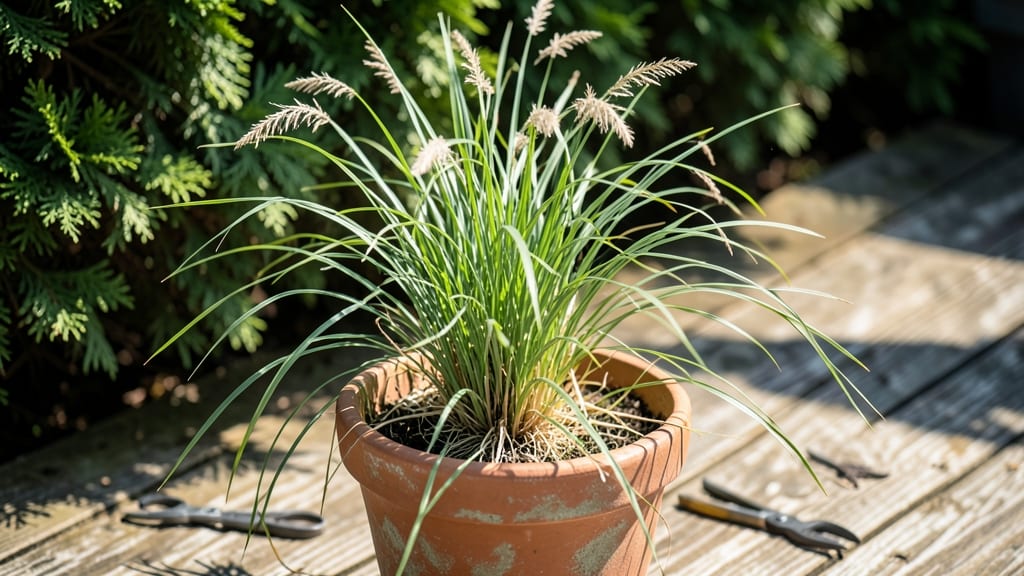
Growing citronella grass for its fragrant flowers is like inviting nature’s own bug spray into your yard. 🌿 The delicate blooms not only repel mosquitoes but add a citrusy scent to your outdoor space—no chemicals required.
My first attempt took root in just two weeks, proving how quickly this tropical plant can transform a sunny corner into a pest-free paradise.
This hardy grass thrives in well-draining soil and full sun, making it perfect for warm climates. Whether you start from seeds or divide rhizomes, the key is patience—those signature white flowers appear in 3 months, marking the moment your garden becomes a mosquito magnet’s worst nightmare.
Even beginners can nail this with minimal effort.
By late summer, you’ll be harvesting stems for natural repellent sprays or simply enjoying the lemony aroma that lingers in the air. The dense foliage also makes it a great border plant, keeping pests away while adding texture to your landscape. Ready to grow your own? Let’s get started.
Works best in zones 9-11, but container gardening extends its reach to cooler areas. Just ensure it gets enough warmth and sunlight—this plant doesn’t like playing hard to get once established. The payoff? A garden that smells amazing and keeps bugs at bay.
📚 In This Guide
- What you need
- Instructions
- Tips and common mistakes
- Wrapping up and next steps
What you need
- ● Citronella grass seeds or nursery starts: 5–10 seeds or 3–5 young plants (ensure they’re disease-free).
- ○ Well-draining potting mix or garden soil: 1–2 bags (5–10 gallons) enriched with compost (optional but recommended).
- ● Containers or garden plot: For containers: 5–10-gallon pots with drainage holes (1–2 per plant).
- ● For in-ground planting: A sunny spot with loose, fertile soil (6+ hours of sunlight daily).
- ● Watering can or hose with a gentle spray nozzle: For consistent moisture without over-saturating.
- ● Organic fertilizer (balanced 10-10-10 or citrus-specific): 1–2 applications per growing season.
- ● Pruning shears: For trimming spent flowers or overgrowth.
- ● Mulch (straw or wood chips): 1–2 inches to retain moisture and suppress weeds.
- ● Mosquito-repelling companion plants: Basil, lavender, or marigolds (plant nearby for extra pest control!).
- ○ pH test kit (optional): To check soil acidity (ideal range: 6.0–7.0).
Step-by-Step guide to growing citronella grass flowers
Here’s how to cultivate fragrant, mosquito-repelling citronella blooms from seed to full maturity.
🌱 Step 1: Start Seeds Indoors for Early Growth
Citronella thrives when started indoors 6-8 weeks before the last frost date, giving seedlings a strong head start. Fill 2-3 inch deep seedling trays with a sterile seed-starting mix—never garden soil, as it’s too dense and may harbor pathogens. Moisten the mix until it’s damp but not soggy, then press it down lightly to create a firm, even surface.
Plant 2-3 seeds per cell at a depth of ¼ inch—any deeper and germination slows as seedlings struggle to reach light. Cover lightly with additional mix and mist gently with water until the surface is evenly damp. Place the tray in a warm spot (75-85°F) under a grow light or in a sunny window. Germination typically takes 10-14 days, but keep the soil consistently moist (not waterlogged) until sprouts appear.
☀️ Step 2: Harden Off and Transplant Seedlings
Once seedlings develop 3-4 true leaves (not just the initial seed leaves), it’s time to harden them off. Begin by moving them outdoors for 1-2 hours daily in a sheltered, shaded spot, gradually increasing exposure over 7-10 days. This acclimates them to wind, sun, and temperature fluctuations—critical for survival after transplanting.
Choose a sunny location with well-draining soil (citronella hates soggy roots). Space seedlings 12-18 inches apart in rows 2 feet apart to allow airflow and prevent fungal diseases. Dig holes slightly deeper than the root ball, place seedlings in, and firm soil around the base. Water deeply to settle roots, then mulch with 2-3 inches of organic mulch to retain moisture and suppress weeds.
💧 Step 3: Maintain Soil Moisture and Fertility
Citronella prefers consistently moist but not waterlogged soil. Water deeply 1-2 times per week, ensuring the top 2 inches of soil feel damp to the touch. Overwatering leads to root rot, while underwatering causes wilting and stunted growth. A drip irrigation system or soaker hose works best, delivering water directly to the soil without wetting foliage (which attracts pests).
Feed seedlings with a balanced, water-soluble fertilizer (10-10-10) every 4-6 weeks during the growing season. Once plants reach 12 inches tall, switch to a low-nitrogen, high-phosphorus fertilizer (5-10-10) to encourage blooming. Yellowing leaves signal over-fertilization—flush the soil with water immediately if this occurs.
✂️ Step 4: Prune and Encourage Blooming
Pinch back the top set of leaves when seedlings reach 6 inches tall to promote bushier growth. This redirecting energy to lateral shoots prevents leggy, weak stems. As plants mature, remove dead or yellowing leaves regularly to improve airflow and reduce disease risk. Cut back spent flower stalks after blooming to redirect energy to new growth.
Citronella blooms best in full sun (6+ hours daily). If growth slows or leaves pale, supplement with a grow light during short-day seasons. Watch for white or pink flower clusters—these indicate maturity and peak mosquito-repelling properties. Harvest blooms in the morning for maximum fragrance, then dry them for potpourri or sachets.
🪴 Step 5: Overwintering and Long-Term Care
Citronella is tender perennial in most climates, meaning it dies back in frost but regrows from roots if protected. In USDA Zones 9-11, it thrives year-round. In colder regions, cut back foliage to 2 inches tall in fall, mulch heavily with 4-6 inches of straw or leaves, and cover with burlap or frost cloth during hard freezes. Divide clumps every 2-3 years in spring to prevent overcrowding.
Replant divisions in fresh soil, ensuring they receive full sun and consistent moisture to recover quickly. Over time, citronella spreads via rhizomes, forming dense patches. Use this to your advantage by thinning out excess growth in early spring to maintain vigor and airflow. With proper care, a single plant can yield months of fragrant blooms and natural pest control.
Tips & tricks for perfect citronella grass flower cultivation
These pro tips will help you grow fragrant, mosquito-repelling citronella blooms that thrive from seed to full maturity.
Seed Starting Secrets: For faster germination in Step 1, soak your citronella seeds in warm water for 24 hours before planting. This helps break seed dormancy and can shave 2-3 days off the 10-14 day germination window. Just be sure to plant them immediately after soaking—don't let them dry out. I also recommend using a heat mat (75-85°F) under your seedling trays to maintain consistent warmth, which mimics tropical conditions and encourages faster, more uniform sprouting.
Harden Off Like a Pro: When hardening off seedlings in Step 2, I've found that starting with 1 hour outdoors on day one (instead of the full 1-2 hours) reduces shock. Gradually increase exposure by 30 minutes per day until you reach the full 7-10 day period. This slower acclimation helps prevent transplant shock, which is especially important for citronella's tender roots. Watch for wilting—if it occurs, bring seedlings back indoors immediately and try again the next day with slightly less exposure.
Soil Science Matters: The instructions mention well-draining soil, but here's what nobody tells you—citronella actually prefers soil with a slightly acidic pH (6.0-6.5). Test your soil before planting, and if it's alkaline, amend with peat moss or sulfur to create the ideal growing conditions. In Step 3, when watering, I check moisture by pushing my finger 2 inches deep—this matches the depth mentioned in the instructions. If it feels dry, water thoroughly; if damp, wait another day. This prevents both overwatering and underwatering, which are the two biggest killers of citronella plants.
Pruning for Maximum Blooms: In Step 4, when you pinch back seedlings at 6 inches tall, make your cuts just above a set of leaves where two leaves meet the stem. This encourages bushier growth by stimulating lateral shoots. For mature plants, I've noticed that cutting back spent flower stalks to just above the first set of leaves (rather than all the way to the base) often results in a second flush of blooms within 4-6 weeks. This technique works especially well in warmer climates where the growing season extends longer.
Pro Tips for Citronella Grass Flower
- These pro tips will help you grow fragrant, mosquito-repelling citronella blooms that thrive from seed to full maturity.
- Seed Starting Secrets: For faster germination in Step 1, soak your citronella seeds in warm water for 24 hours before planting.
- Harden Off Like a Pro: When hardening off seedlings in Step 2, I've found that starting with 1 hour outdoors on day one (instead of the full 1-2 hours) reduces shock.
Frequently asked questions
Can citronella grass flowers grow in containers or only in the ground?
Citronella grass thrives in both containers and garden beds! For containers, use a pot at least 12 inches deep with drainage holes. Ensure it gets 6+ hours of sunlight daily and water regularly to mimic its tropical roots. Just avoid overcrowding—space plants 18–24 inches apart for airflow.
How long does it take for citronella grass to flower and repel mosquitoes?
With ideal conditions (full sun, well-draining soil, and consistent water), citronella grass may produce small white or yellow flowers in 3–4 months. However, the leaves (not flowers) contain the mosquito-repelling oils. Start harvesting leaves after 6–8 weeks for the best citronella scent and pest-deterrent benefits.
Do I need to prune citronella grass to encourage flowering?
Yes! Pruning stimulates bushier growth and more flowers. Trim back leggy stems by one-third in early spring and deadhead spent blooms regularly. Avoid cutting into woody stems—focus on new growth. Pro tip: Use clean, sharp shears to prevent disease!
What’s the best alternative if citronella grass doesn’t grow well in my climate?
If your zone is too cold (USDA Hardiness Zone 9+), try these mosquito-repelling plants:
- Lemongrass (hardy to Zone 10, similar scent)
- Catnip (perennial, thrives in cooler climates)
- Basil (annual, doubles as a culinary herb)
- Marigolds (bright flowers + natural pyrethrin)
Why aren’t mosquitoes being repelled by my citronella grass?
Mosquitoes may ignore your citronella if:
- Plants are too young (wait until fully established, ~3 months).
- Leaves are dried or wilted (harvest fresh foliage for oils).
- Plants are overwatered (root rot reduces potency).
- Wind disperses oils (plant in sheltered areas near seating).
Wrapping up and next steps
Growing citronella grass flowers is a rewarding way to enjoy fragrant blooms while keeping pesky mosquitoes at bay—all in just three months! With the right soil, sunlight, and care, you’ll transform your outdoor space into a natural, aromatic haven.
Whether you’re a seasoned gardener or a beginner, these tips make it simple and satisfying.
Ready to take the next step? Start small—plant a few stems in a pot or patch of soil, and watch your garden thrive!
Share your progress with fellow plant lovers or explore creative ways to use citronella in homemade repellents. Your fragrant, mosquito-free oasis is just a seed away! 🌿✨