
Flowers
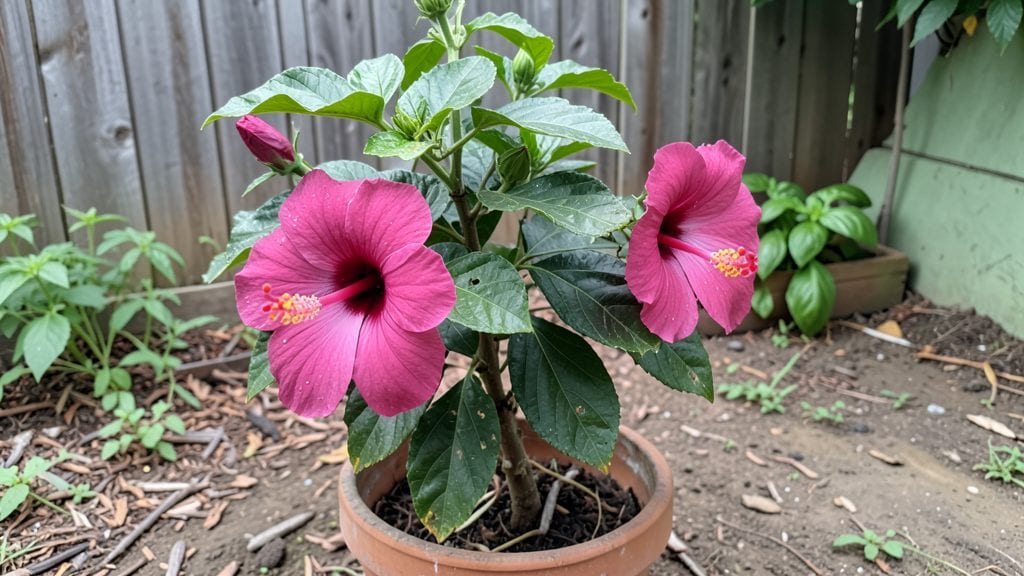
The beautiful hibiscus flowers bursting with color—deep reds, fiery oranges, and velvety pinks—make every garden feel like a tropical escape. 🌺 These showstoppers aren’t just pretty; they’re the kind of drama that turns a simple yard into a postcard-worthy scene.
The secret to making them shine? Placing them where they’ll be the star—whether as a bold centerpiece in a flower bed or paired with contrasting foliage like coleus or bromeliads.
Here’s the thing—hibiscus don’t just bloom in summer. With the right care, they’ll reward you with fresh flowers from spring through fall, and even into winter in warmer climates.
I’ve seen them transform a plain patio into a lush retreat just by positioning them near seating areas, where their petals catch the breeze and their scent lingers.
The key is giving them space to stretch (they’re not shy plants) and pairing them with plants that complement their vibrancy—think silver foliage or deep purples to make them pop even more.
Imagine this: a sunset where the sky mirrors your hibiscus’ colors, and your garden becomes the backdrop for every summer memory. You’ll create a space that feels alive, intentional, and effortlessly stunning—no fancy tricks, just strategic placement and a little love.
The best part? They’re tough enough to handle a little neglect but elegant enough to feel like a luxury. Let’s make your garden the talk of the neighborhood.
Whether you’re working with a small balcony or a sprawling backyard, hibiscus adapt beautifully. In containers, they become portable art; in beds, they anchor the whole design. And don’t worry about the technical stuff—just focus on where they’ll shine brightest. That’s where the real magic happens.
📚 In This Guide
- What you need
- Instructions
- Tips and common mistakes
- Wrapping up and next steps
What you need
- ● Hibiscus plants: Choose between tropical hibiscus (Hibiscus rosa-sinensis) or hardy hibiscus (Hibiscus moscheutos). Buy 1–3 mature plants (1–2 ft tall) or seeds for DIY growing.
- ● Well-draining potting mix: 5–10 gallons, blended with perlite or sand (for tropical varieties) or regular garden soil (for hardy types).
- ● Containers (if potted): 1–2 large pots (12–18 inches in diameter) with drainage holes, or a raised bed for outdoor planting.
- ● Fertilizer: Balanced 10-10-10 or slow-release granular fertilizer (1 lb per plant) for nutrient-rich soil.
- ● Mulch: 2–3 inches of organic mulch (e.g., pine bark or compost) to retain moisture and regulate temperature.
- ● Gloves & pruning shears: For handling plants and trimming dead growth.
- ● Watering can or hose: With a gentle spray nozzle for hydration.
- ● Sunlight access: Full sun (6+ hours/day) for tropical hibiscus; partial shade (4–6 hours) for hardy types in hot climates.
- ○ pH test kit (optional): Hibiscus thrives in slightly acidic soil (pH 6.0–6.5). Adjust with lime (to raise pH) or sulfur (to lower pH) if needed.
- ○ Stakes or supports (optional): For tall varieties to prevent flopping in windy areas.
Instructions for growing stunning hibiscus in any climate
Here's how to coax those bold, dinner-plate blooms year-round—no green thumb required.
🪴 Step 1: Choose the Right Variety and Container
Hibiscus thrive in containers if you pick the right type. Tropical hibiscus (Hibiscus rosa-sinensis) delivers those showstopping blooms, while hardy hibiscus (Hibiscus moscheutos) handles cooler climates. For containers, use a 5-gallon pot minimum—smaller pots dry out too fast and stress the plant.
I always select pots with drainage holes and fill the bottom with 2-3 inches of gravel or broken pottery to prevent root rot. The key is matching the plant's needs: tropical varieties crave warmth, while hardy types tolerate brief chills. Check your local frost dates—if you're in Zone 9+, tropical hibiscus can stay outside year-round.
☀️ Step 2: Plant in Well-Draining Soil with Full Sun
Fill your pot with a mix of equal parts potting soil, perlite, and compost—this ensures drainage while feeding the plant. Hibiscus roots hate soggy feet, so avoid garden soil unless you're planting in-ground where drainage is excellent. I press the soil down lightly after planting to remove air pockets, then water deeply until it drains from the bottom.
Position your hibiscus in full sun (6+ hours daily)—partial shade leads to fewer blooms. If you're in a hot climate, provide afternoon shade to prevent leaf scorch. Watch for leaves turning yellow or wilting; this signals either overwatering or insufficient light. Adjust your spot if growth slows or flowers fail to open.
💧 Step 3: Water Deeply and Fertilize for Continuous Blooms
Water when the top 2 inches of soil feel dry—this keeps roots healthy without drowning them. I use a slow-release fertilizer at planting time, then switch to liquid fertilizer every 2-4 weeks during bloom season. Too much nitrogen makes leaves lush but flowers sparse, so choose a high-phosphorus formula (like 10-30-20) to encourage blooming.
Here's the trick: pinch off spent blooms regularly. This redirects energy to new flowers instead of seed production. I also rotate the pot a quarter turn weekly so the plant grows evenly toward the light. Over time, you'll see a bushier, more compact plant with nonstop blooms—just like the ones in tropical resorts.
✂️ Step 4: Prune for Shape and Encourage More Flowers
Prune in early spring before new growth starts. Cut back leggy stems by one-third to encourage bushier growth. I also remove any dead or crossing branches—this improves airflow and reduces disease risk. For tropical hibiscus, a light pruning after each flush of blooms keeps the plant compact and flowering.
Don't skip winter pruning for hardy varieties. After the first frost, trim back half the plant to encourage fresh growth in spring. Even tropical hibiscus benefit from a light trim in winter to remove any damaged growth. Watch for new buds forming at the base—this is your sign the plant is ready for another blooming season.
⏰ Step 5: Overwinter for Year-Round Color
If you're in a cooler climate, bring tropical hibiscus indoors before temperatures drop below 40°F. Place it near a south-facing window or under grow lights for 12-14 hours daily. Reduce watering but keep soil lightly moist—overwatering in winter is a common mistake that leads to root rot.
Hardy hibiscus handle winter better but still need protection. Mulch the base with 2-3 inches of straw and wrap the pot in burlap if temperatures dip below 20°F. In spring, resume regular care, and you'll see fresh growth within 4-6 weeks. The key is consistency—hibiscus reward patience with bold, long-lasting blooms.
Tips & tricks for growing stunning hibiscus
Here's what I've learned after years of growing hibiscus—these simple tricks will help you avoid common pitfalls and get those showstopping blooms.
The Container Size Matters: That 5-gallon pot minimum isn't arbitrary—it gives roots enough space to establish before the next watering. I've seen hibiscus in 3-gallon pots struggle through summer heat, wilting by afternoon. If you're growing multiple plants, space them at least 3 feet apart for proper airflow, which prevents fungal issues and encourages more blooms.
Soil Mix Secrets: The equal parts potting soil, perlite, and compost blend is non-negotiable for drainage, but here's the pro move: add a handful of worm castings to that mix. The microbial activity boosts nutrient uptake, and I've noticed my hibiscus blooms open faster and last longer. For tropical varieties, add a cup of coarse sand to improve aeration in the dense root zone.
Light Positioning Trick: In Step 2, when positioning for full sun, pay attention to the direction. East-facing windows get gentle morning light that's perfect for hibiscus, while west-facing spots can scorch leaves in afternoon heat. If you're using grow lights for indoor plants, place them 12-18 inches above the plant for those critical 12-14 hours of light mentioned in overwintering.
Fertilizer Timing: That 2-4 week liquid fertilizer schedule works, but here's what nobody tells you—switch to half-strength fertilizer after the first frost if you're overwintering. The plant's growth slows dramatically in cooler months, and concentrated fertilizer can burn roots. I also add a sprinkle of Epsom salt (1 tablespoon per gallon of water) monthly during bloom season for that signature hibiscus pink intensity.
Pro Tips for Beautiful Hibiscus Flowers
- Here's what I've learned after years of growing hibiscus—these simple tricks will help you avoid common pitfalls and get those showstopping blooms.
- The Container Size Matters: That 5-gallon pot minimum isn't arbitrary—it gives roots enough space to establish before the next watering.
- Soil Mix Secrets: The equal parts potting soil, perlite, and compost blend is non-negotiable for drainage, but here's the pro move: add a handful of worm castings to that mix.
Frequently asked questions
Got questions about growing and enjoying beautiful hibiscus flowers? You’re not alone!
Here are answers to the most common queries—from planting to care—so you can keep those vibrant blooms thriving all year.
How do I keep my hibiscus flowers blooming year-round?
Hibiscus thrive in warm climates, but with the right care, they can bloom continuously in USDA Zones 9–11. Prune lightly after each flush of flowers, fertilize monthly with a balanced, acidic fertilizer (like 10-10-10 or hibiscus-specific food), and ensure they get 6+ hours of sunlight daily. In cooler zones, grow them as annuals or overwinter indoors near a sunny window.
Can hibiscus survive frost or cold weather?
Most hibiscus varieties are tender perennials and die back in temps below 30°F (-1°C). If frost is forecast, cover young plants with frost cloth or move potted hibiscus indoors. In Zone 8 or colder, grow them in containers for easy winter relocation. Hardy hibiscus (Hibiscus moscheutos) is an exception—it tolerates light frost but may need winter mulch.
Why aren’t my hibiscus flowers opening?
Bud drop or unopened flowers usually signal stress. Check for underwatering (they love moist but well-draining soil) or overcrowding (prune to improve airflow). Low light or sudden temperature swings can also halt blooming. Pro tip: A gentle shake of the plant can encourage buds to open if they’re stuck!
What’s the best way to propagate hibiscus flowers?
Propagating hibiscus is easy! Take 4–6 inch cuttings from healthy stems in spring or early summer, just below a leaf node. Remove lower leaves, dip in rooting hormone (optional), and plant in moist perlite or sand. Keep humid (use a plastic bag) and in bright, indirect light. Roots form in 4–6 weeks—then transplant to soil!
Are there low-maintenance hibiscus alternatives?
If hibiscus seem high-maintenance, try these drought-tolerant, low-fuss bloomers:
- Plumbago (Plumbago auriculata): Thrives in heat, blooms blue/purple, and resists pests.
- Bougainvillea: Drought-proof, vibrant, and perfect for containers or trellises.
- Lantana: Fast-growing, butterfly-magnet, and tolerates poor soil.
Wrapping up and next steps
From their vibrant hues to their year-round blooming potential, beautiful hibiscus flowers bring unmatched tropical drama to any garden or home. Whether you’re growing them for their striking beauty, their hardiness, or even their edible benefits, these flowers are a rewarding addition to any space.
Now that you’re armed with the right knowledge—from soil prep to pest control—it’s time to let your creativity bloom!
🌺 Next steps:
- Pick your favorite hibiscus variety and start planting!
- Share your progress with fellow plant lovers online.
- Experiment with colors, shapes, and even hybrid varieties for unique displays.