
Advice
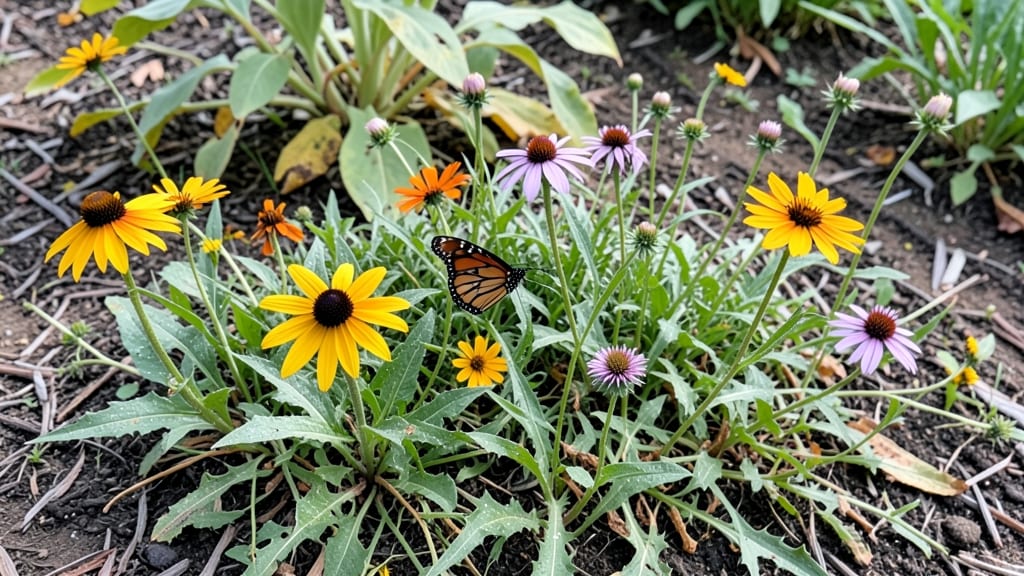
Creating a bird and butterfly wildflower blend in the Pacific Northwest turns your garden into a buzzing, fluttering sanctuary. I remember the first time I saw monarchs sipping from my native lupines—it felt like hosting a secret party for wildlife.
These blends aren’t just pretty; they’re lifelines for pollinators struggling to find food in urban sprawl.
The magic starts with the right mix: native wildflowers like yarrow, checkermallow, and penstemon provide nectar, while milkweed hosts monarch caterpillars. Layer them with shrubs like red twig dogwood for year-round interest, and you’ve got a four-season buffet. Even small spaces work—just a 5-foot-wide border can make a difference.
What you’ll end up with is a garden that hums with activity—hummingbirds darting between blooms, butterflies flitting from flower to flower, and birds nesting in the dense foliage. The colors shift with the seasons: purple in spring, gold in summer, and deep reds in fall.
It’s not just about looks; it’s about creating a thriving ecosystem right outside your door.
This blend thrives with minimal fuss—just occasional deadheading and avoiding pesticides. The Pacific Northwest’s mild climate means you can plant in early spring or fall, and once established, these wildflowers need little more than rain. Perfect for gardeners who want beauty and purpose.
📚 In This Guide
- What you need
- Instructions
- Tips and common mistakes
- Wrapping up and next steps
What you need
- ● Wildflower seeds: A pre-mixed blend (1 lb) specifically for pollinators, or individual species like Lupine, Yarrow, Vetch, Blanket Flower, and Oregon Sunshine (adjust quantities to taste).
- ● Native wildflower seed mix: At least 50% native PNW species (e.g., Checkerbloom, Farewell-to-Spring, Pacific Dogwood seeds).
- ● Soil: Well-draining native soil or a mix of 60% topsoil + 30% compost + 10% sand (for rocky areas).
- ● Watering can or hose: With a gentle spray nozzle (avoid high pressure).
- ● Garden gloves (to protect hands from prickly plants).
- ● Rake or hoe (for loosening soil).
- ○ Garden twine or stakes (optional, for marking rows).
- ● Sunlight access: A full-sun to part-shade spot (6+ hours of sunlight daily).
- ● Patience! Some wildflowers (like Lupine) take 2-3 years to fully establish.
- ● Mulch (straw or wood chips) to retain moisture.
- ● Pollinator-friendly companion plants (e.g., Mint, Basil, or Goldenrod).
- ● Bird feeders or baths (to attract birds while flowers establish).
Step-by-Step guide to planting a Pacific Northwest pollinator garden
This blend thrives in our region’s mild, wet winters and dry summers—here’s how to create a magnet for birds and butterflies.
Select and Prepare the Planting Site
Choose a location with at least 6 hours of sunlight daily, preferably in a spot where you can enjoy the visitors. Native pollinators love open, sunny areas with good air circulation, so avoid dense shade or poorly drained spots. Clear any existing vegetation, removing weeds and debris down to the soil. I like to mark the area with stakes to visualize the space before digging.
Test your soil’s drainage by digging a 6-inch deep hole and filling it with water. If it drains completely within 2 hours, your soil is suitable. If not, amend with 2-3 inches of compost mixed into the top 6 inches of soil. This improves both drainage and nutrient retention—critical for wildflowers that thrive in lean, well-drained conditions.
Mix and Spread the Wildflower Blend
Using the bird and butterfly wildflower blend, spread seeds evenly across the prepared area. For a 4-foot by 4-foot plot, aim for about 1/4 pound of seed—this ensures good coverage without overcrowding. I scatter seeds by hand, walking in a grid pattern to avoid gaps. Lightly rake the area with a fine-toothed rake, pressing seeds into the soil just enough to make contact without burying them.
Cover the seeds with a thin layer of soil or compost, no more than 1/4 inch deep. Seeds need light to germinate, so avoid heavy coverage. Water gently but thoroughly to settle the soil and seeds. Use a fine mist setting on your hose to avoid dislodging seeds. Keep the area consistently moist until germination, which typically occurs in 10-24 days depending on temperature and moisture.
Maintain Moisture and Monitor Growth
After planting, water the area once or twice daily for the first 2 weeks, keeping the soil evenly moist but not soggy. Once seedlings emerge, reduce watering to 2-3 times weekly, allowing the top 1-2 inches of soil to dry slightly between waterings. Overwatering can lead to fungal issues, while underwatering stresses young plants. You’ll notice true leaves appear within 3-4 weeks—this is your cue to taper back on watering.
As the plants grow, avoid fertilizing unless your soil test indicates a deficiency. Native wildflowers thrive in low-nutrient conditions, and excess fertilizer can weaken their natural resilience. Instead, focus on weed control—pull any invasive plants by hand to give your wildflowers space to establish. Mulch lightly with straw or wood chips to retain moisture and suppress weeds without smothering the seedlings.
Encourage Pollinator Visits Through Seasonal Care
Once flowers bloom, resist the urge to deadhead spent blooms unless they look unsightly. Many native pollinators rely on seed heads for food and shelter over winter. Leave some flowers to mature and provide seed sources for birds like goldfinches and chickadees. However, remove any diseased or damaged foliage promptly to prevent spread.
To maximize pollinator appeal, plant in clusters of 3-5 plants per species to create visual cues for butterflies and bees. Grouping also ensures cross-pollination, which boosts seed production. By late summer, you’ll see butterflies like monarchs and swallowtails nectaring, while hummingbirds and finches feed on insects attracted to the flowers. This is the payoff—your garden becomes a thriving ecosystem!
Tips & tricks for perfect Pacific Northwest pollinator gardens
Creating a thriving pollinator haven requires attention to detail—here are the secrets that turn good gardens into pollinator paradises.
Site Selection Savvy: The 6 hours of sunlight requirement is non-negotiable for native pollinators. In our region's partial shade climate, position your garden where it gets morning sun and afternoon light—this mimics natural forest edges where wildflowers thrive. I've found that south-facing slopes get the most consistent sunlight, while north-facing areas often need supplemental light to meet the 6-hour minimum.
Soil Test Timing: That 2-hour drainage test in Step 1 is your most important diagnostic tool. If water pools after 2 hours, you're dealing with heavy clay soil common in our region. The 2-3 inches of compost amendment creates perfect conditions for wildflowers, but don't overdo it—native plants prefer lean soil. I recommend testing soil pH too; most Pacific Northwest wildflowers prefer slightly acidic to neutral conditions (pH 6.0-7.0).
Seed Spreading Strategy: For the 1/4 pound of seed in a 4x4 plot, use a simple grid method: divide your plot into 16 equal squares and scatter seeds within each square. This ensures even coverage and prevents gaps. I've learned that walking in a diagonal pattern rather than straight lines helps distribute seeds more naturally. The 1/4-inch deep coverage is crucial—any deeper and seeds won't germinate, but any shallower risks them blowing away.
Watering Wisdom: The 10-24 day germination window gives you flexibility, but consistency is key. I've found that watering in the early morning (before 9 AM) prevents fungal issues that plague afternoon watering. Use a rain gauge to track 1-2 inches of water per week—this matches our region's natural rainfall patterns and prevents both overwatering and underwatering. Once seedlings appear, let the topsoil dry slightly between waterings to build root strength.
Pro Tips for Bird And Butterfly Wildflower Blend
- Creating a thriving pollinator haven requires attention to detail—here are the secrets that turn good gardens into pollinator paradises.
- Site Selection Savvy: The 6 hours of sunlight requirement is non-negotiable for native pollinators.
- Soil Test Timing: That 2-hour drainage test in Step 1 is your most important diagnostic tool.
Frequently asked questions
Got questions about creating your own bird and butterfly wildflower blend in the Pacific Northwest? You’re not alone! Here are some of the most common queries—and their answers—to help you get started with confidence.
When is the best time to plant this blend?
The ideal planting window for wildflowers in the PNW is early spring (March–April) or late summer/early fall (August–September). Spring planting gives seeds time to establish roots before summer heat, while fall planting avoids drought stress. For best results, aim for mild, rainy weather—just like Mother Nature intended!
Will this blend attract bees or other unwanted pests?
Not to worry! A well-balanced wildflower blend like this one is pollinator-focused, meaning it’s designed to support beneficial insects (like bees and butterflies) while minimizing invasive species. Avoid pesticides, and you’ll create a haven for wildlife—not a pest magnet. Plus, native flowers are naturally resistant to many garden pests.
Can I mix this with other plants or grasses?
Wildflowers thrive in native grass mixes (like bluegrass or fescue) or alongside shrubs like ceanothus or salal. For a low-maintenance meadow, try seeding wildflowers alongside clover or creeping thyme—they’ll fill gaps and suppress weeds. Just avoid overcrowding; aim for 30–50% wildflower coverage for optimal pollinator appeal.
How long until I see flowers and pollinators?
Patience is key! Most wildflower seeds take 6–12 months to bloom, with some varieties (like lupines) showing color in their first year. Once established, you’ll see a pollinator explosion by late spring or early summer. For faster results, opt for pre-grown plugs or transplant wildflower starts.
What if my soil is rocky or poor-quality?
Wildflowers are tough survivors! They adapt to poor, rocky, or sandy soil with ease—just loosen the top 2–3 inches of soil and scatter seeds evenly. For extra help, add a thin layer of compost or use a mulch blanket to protect seeds from erosion. PNW natives like yarrow and checkermallow thrive in challenging conditions, so don’t stress!
How do I maintain this blend year after year?
Once established, wildflowers are low-maintenance champions. Mow once a year in late winter (before new growth) to prevent overgrowth, and avoid fertilizers—they’re not needed! Water deeply once a week during the first growing season, then let nature take over. Deadheading spent blooms can encourage longer flowering seasons.
Wrapping up and next steps
Creating a bird and butterfly wildflower blend in your Pacific Northwest garden is a rewarding way to support local ecosystems while adding beauty to your space. 🌸 With the right mix of native plants, you’ll attract pollinators, boost biodiversity, and enjoy vibrant blooms year after year.
The key is starting small—whether it’s a window box or a full meadow—and letting nature do the rest!
Ready to take the next step? Pick a sunny spot, gather your seeds, and plant with confidence! Your garden—and the pollinators—will thank you. 🐝✨