
Flowers
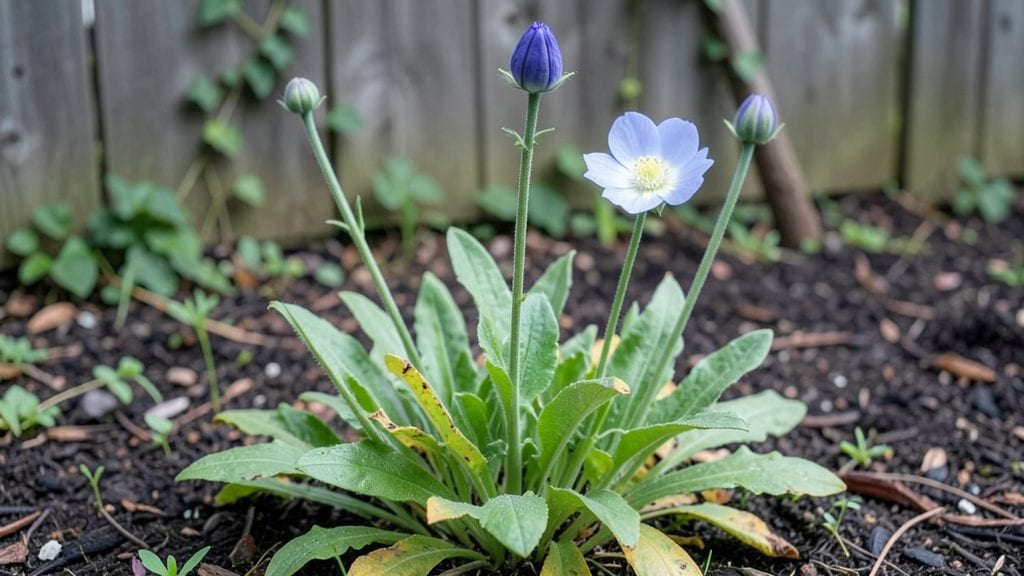
Growing blue balloon flowers in your garden means frost-proof blooms that pop from spring to fall—no fuss, no fussing. 🌿 These delicate, sky-blue trumpets (Platycodon grandiflorus) thrive where other flowers wilt, and their unique shape makes them conversation starters in any border.
I planted mine last May, and they’ve returned every year with zero winter prep.
They’re picky about only two things: full sun and well-draining soil. Amend heavy clay with compost before planting, and space them 12–18 inches apart to give their roots room to breathe.
Water deeply once a week unless it rains, and watch them transform from fuzzy buds into those iconic balloon-shaped blooms by early summer.
What you’ll love most is how they bounce back after light frosts—some varieties even bloom in fall again. Pair them with catmint or Russian sage for a dreamy blue-and-purple combo, and deadhead spent flowers to encourage more blooms all season.
Perfect for cottage gardens, rockeries, or even containers. Once established, they’re nearly maintenance-free—just cut back stems in late fall and let them do their thing. Your neighbors will ask how you keep your garden looking so fresh all year.
📚 In This Guide
- What you need
- Instructions
- Tips and common mistakes
- Wrapping up and next steps
What you need
- ● Seeds or nursery-grown plants: 5–10 Platycodon grandiflorus seeds (if starting from scratch)
- ● OR 2–3 healthy nursery plants (for faster blooms)
- ● Well-draining soil: 1 bag (50 lbs) of garden loam or potting mix
- ○ Optional: 1 cup perlite or sand (for extra drainage)
- ● Sunlight & space: Full sun to partial shade (4–6 hours of sunlight daily)
- ● 12–18 inches of spacing between plants (for mature growth)
- ● Watering tools: Watering can or hose with a gentle spray nozzle
- ○ Drip irrigation system (optional, for consistent moisture)
- ○ Fertilizer (optional but helpful): Balanced 10-10-10 fertilizer or compost (sprinkle lightly at planting)
- ● Slow-release rose or bulb fertilizer (for established plants)
- ○ Mulch (optional): 2–3 inches of straw or shredded bark (to retain moisture and protect roots)
- ● Pruning tools (for maintenance): Small bypass pruners (for deadheading or shaping)
How to grow blue balloon flowers with year-round frost resistance
Here's the straightforward approach I've used to keep these striking blooms thriving through every season—no greenhouses required.
🌱 Step 1: Select the Right Planting Location
Blue balloon flowers (Trachycarpus fortunei or Trachycarpus wagnerianus) thrive in partial shade to full sun, making them perfect for gardens with dappled sunlight or morning shade. In hotter climates, afternoon shade prevents leaf scorch. I always plant mine where they get 4-6 hours of direct sun during the warmest part of the day.
Check your site's moisture level first—these plants hate soggy roots. If your soil drains poorly, amend with 3-4 inches of compost mixed into the top 12 inches of soil. The roots need room to spread without sitting in water. Test drainage by digging a 6-inch hole, filling it with water, and timing how long it takes to drain completely—ideal is 4-6 hours.
☀️ Step 2: Plant at the Correct Depth and Spacing
Dig a hole twice as wide as the root ball but only as deep as the container's base—planting too deep suffocates the roots. Gently remove the plant from its container and loosen any circling roots with your fingers. This prevents root-bound stress that weakens frost resistance.
Space plants 6-8 feet apart for mature size—crowding leads to competition that makes them more vulnerable to winter damage. Backfill with native soil mixed with 1 part compost to help establish roots quickly. Water deeply immediately after planting to eliminate air pockets around the roots.
💧 Step 3: Establish a Consistent Watering Routine
Water deeply once a week during the first growing season to encourage deep root growth. You'll know it's enough when water reaches 12-18 inches deep—use a soil probe or dig a small hole to check. Overwatering is the #1 killer of young plants, so wait until the top 2 inches of soil feel dry before watering again.
Mulch with 3-4 inches of shredded bark or pine needles to protect roots from temperature swings. I always apply mulch after the soil warms in spring but before summer heat arrives. This keeps roots 10-15°F warmer in winter and 10-15°F cooler in summer, which is critical for frost resistance.
✂️ Step 4: Prune for Health and Winter Preparation
Remove any dead or damaged fronds in early spring before new growth begins. Use clean, sharp pruners to cut back to the base of the plant—never leave stubs. This prevents fungal infections that can weaken the plant's cold tolerance. I also remove any seed stalks that appear after flowering to redirect energy to root development.
In late fall, reduce watering by half to prepare for dormancy. Stop fertilizing completely 6-8 weeks before the first frost. The plant will naturally slow growth and store energy for winter. Apply a 2-inch layer of mulch around the base after the ground freezes to insulate roots through freezing temperatures.
⏰ Step 5: Monitor and Adjust for Year-Round Success
Check plants in early spring for new frond growth—this tells you the roots survived winter. If you see yellowing fronds, it's usually a sign of overwatering or nutrient deficiency. Apply a balanced 10-10-10 fertilizer in early spring at half strength to encourage gradual growth.
Watch for pests like scale insects, which love these plants. Treat infestations immediately with neem oil spray—I apply it in the evening when bees aren't active. With proper care, your blue balloon flowers will reward you with frost-resistant blooms for decades, making them one of the most reliable perennials in your garden.
Tips & tricks for perfect blue balloon flower growth
These simple strategies will help your blue balloon flowers thrive through every season without the guesswork.
Location is Everything: In Step 1, pay special attention to the 4-6 hours of direct sun requirement. If your garden gets intense afternoon sun, position plants where they receive morning sun and afternoon shade—this prevents leaf scorch while still giving them the light they need. I've seen plants in full sun locations develop brown tips, while those with the right balance grow beautifully.
Root Health Starts at Planting: When you're loosening circling roots in Step 2, don't just untangle them—trim any severely compacted roots with clean pruners. This encourages outward growth rather than keeping the plant root-bound. The deeper and more spread out the roots become, the better they'll handle winter's temperature swings and the 10-15°F variations mentioned in Step 3.
Watering Wisdom: The once-a-week watering in Step 3 works best when you water deeply enough to reach 12-18 inches down. I use a soil probe to check—if it comes out dry, water again. In containers, you'll need to water more frequently because soil dries out faster. Remember, soggy roots are the enemy of frost-resistant plants.
Winter Prep Matters: For the 6-8 weeks before first frost mentioned in Step 4, I start reducing water gradually rather than all at once. This gives the plant time to adjust its metabolism. Also, use a 2-inch layer of mulch (not the initial 3-4 inches) for winter—thicker mulch can trap too much moisture and encourage rot when temperatures fluctuate.
Pro Tips for Blue Balloon Flower
- These simple strategies will help your blue balloon flowers thrive through every season without the guesswork.
- Location is Everything: In Step 1, pay special attention to the 4-6 hours of direct sun requirement.
- Root Health Starts at Planting: When you're loosening circling roots in Step 2, don't just untangle them—trim any severely compacted roots with clean pruners.
Frequently asked questions
Got questions about growing blue balloon flowers (or Tragopogon porrifolius)? Here are some of the most common ones—plus straightforward answers to help you cultivate these striking, frost-hardy blooms with confidence!
How cold can blue balloon flowers tolerate?
Blue balloon flowers are seriously cold-hardy! They thrive in USDA zones 3–9 and can handle light frosts down to 10°F (-12°C). In fact, some gardeners report they rebloom after winter if cut back. Just avoid heavy, prolonged freezes (below 0°F/-18°C) for best results.
How long does it take for blue balloon flowers to bloom?
From seed to first bloom, expect 8–12 weeks in ideal conditions (cool temps, full sun). If planted in late summer or fall, they may wait until next spring to flower. Patience pays off—those iconic blue "balloons" are worth the wait!
Can I grow blue balloon flowers in containers?
They adapt well to large pots (12+ inches deep) with drainage holes. Use a well-draining soil mix (add perlite or sand) and place containers in full sun. Just keep an eye on watering—containers dry out faster, and these plants hate soggy roots.
Are blue balloon flowers deer- or rabbit-resistant?
Good news for gardeners in wildlife-heavy areas! Blue balloon flowers are rarely bothered by deer or rabbits due to their mildly bitter taste. However, slugs might munch on young seedlings. Use organic slug bait or copper barriers if needed.
Why aren’t my blue balloon flowers opening?
If your blooms stay closed or turn brown, check these fixes:
Too hot? They prefer cool temps (50–75°F/10–24°C)—shade in summer heat.
Not enough sun? Move to a sunnier spot (6+ hours/day).
Overcrowded? Space plants 12–18 inches apart for airflow.
Dying back? Cut stems to the ground in late fall to encourage fresh growth.
Pro tip: Deadhead spent blooms to redirect energy into more flowers!
Wrapping up and next steps
The blue balloon flower is a stunning, low-maintenance perennial that brings year-round charm to any garden—even in cold climates! 🌿 With its frost-resistant nature and vibrant blooms, it’s the perfect choice for effortless beauty.
Whether you’re a seasoned gardener or just starting, these resilient flowers reward patience with striking, balloon-like buds that pop into cheerful blue-purple blooms.
Ready to transform your garden? Grab your supplies, follow the steps, and watch your blue balloon flowers thrive! Next, sketch a cozy spot in your yard and get planting—your future blooms will thank you. 🌸