
Flowers
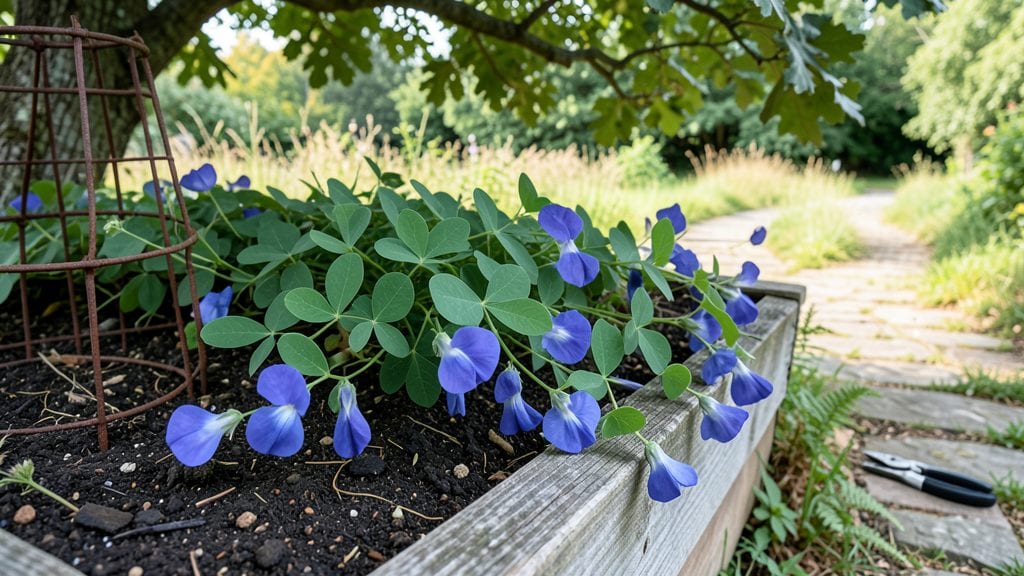
Blue butterfly pea flowers turn your garden into a living mood ring—shifting from violet to blue depending on the pH of their surroundings. 🌿 I first spotted these enchanting blooms in a tropical-themed garden, and they instantly became my go-to for adding drama with minimal effort.
Their unique color-changing ability makes them perfect for creative garden designs, whether you're crafting a pollinator haven or a whimsical cottage-style retreat.
The real magic lies in their versatility: they thrive in containers, blend seamlessly into tropical plantings, and even double as natural pH indicators for your tea or cocktails. Pair them with citrus-scented geraniums or purple-leaved coleus to create a cohesive color palette that pops in any season.
Plus, their delicate blooms attract butterflies and bees, turning your garden into a buzzing, vibrant ecosystem.
You’ll love how these flowers keep giving—re-blooming all season long with just occasional deadheading and moderate watering. The foliage stays lush and aromatic, adding texture to borders or hanging baskets.
Whether you’re designing a themed garden or simply refreshing your patio pots, blue butterfly peas bring effortless charm and a touch of scientific wonder.
Bonus: their edible flowers make stunning garnishes or infusions, and the tea they produce is a conversation starter. Let’s explore how to make the most of these garden superstars—from planting tips to creative displays that’ll make your neighbors green with envy.
📚 In This Guide
- What you need
- Instructions
- Tips and common mistakes
- Wrapping up and next steps
What you need
- ● Blue butterfly pea seeds: 10–20 seeds (organic or non-GMO preferred for best results).
- ● Well-draining potting mix: 1–2 bags (look for a blend labeled for tropical or flowering plants).
- ● Containers or garden bed: For containers: 4–6-inch pots (minimum 1 per plant) with drainage holes.
- ● For garden beds: Full sun to partial shade spot (6+ hours of sunlight daily).
- ● Watering can or spray bottle: With a gentle nozzle to avoid disturbing seedlings.
- ○ Fertilizer (optional but recommended): Balanced liquid fertilizer (e.g., 10-10-10 NPK ratio).
- ● OR slow-release granules (follow package instructions).
- ● Fresh or dried blue butterfly pea flowers: 10–15 flowers (harvest when fully bloomed).
- ● Distilled water: 1 cup (for color extraction).
- ● Heat source: Stovetop or microwave (for boiling or steeping flowers).
- ● Containers for infusion: Glass jar or bowl (for boiling method).
- ● OR heat-safe mug (for microwave method).
- ● Strainer or cheesecloth: To filter the flower-infused liquid.
- ● White or light-colored fabrics/paper: For dyeing (e.g., cotton, silk, or coffee filters).
- ○ Food coloring or citric acid (optional): To enhance or alter color changes (e.g., lemon juice for pH shifts).
- ○ Gloves (optional): To protect hands from sap or soil.
- ● Pruning shears: For harvesting flowers or trimming plants.
- ○ pH testing kit (optional): To monitor soil or liquid pH for optimal color changes.
- ● Patience & sunlight: Blue butterfly peas thrive in warmth (60–80°F) and humidity!
Step-by-Step guide to growing blue butterfly pea flowers
This stunning annual thrives with just a few key conditions—let's get your garden blooming with color-changing magic.
🌱 Step 1: Select the Perfect Planting Location
Blue butterfly pea flowers adore full sun to partial shade, with 6-8 hours of direct sunlight producing the most vibrant blooms. I always choose a spot with dappled afternoon shade in hot climates—this prevents the flowers from fading too quickly in intense heat. The soil should drain well but retain moisture; if your garden drains poorly, amend with 1-2 inches of compost before planting.
Watch for areas with afternoon shade from nearby trees or structures—these spots create ideal microclimates. The plant's vining habit makes it perfect for trellises or containers, so position it where it can climb or spill gracefully. You'll notice the most dramatic color shifts in blooms when they receive morning sun and gentle afternoon shade.
🌿 Step 2: Plant Seeds or Transplants at the Right Time
Start seeds indoors 8-10 weeks before your last frost date or sow directly in spring after soil reaches 60°F. I prefer direct sowing in warm climates, as butterfly pea handles transplant shock better than many annuals. Plant seeds 1/4 inch deep, spacing them 12 inches apart in rows 18 inches apart—this gives their vines room to sprawl without competition.
Germination takes 10-20 days, so keep the soil consistently moist but not soggy. You'll see the first true leaves emerge in 7-10 days after germination. If transplanting, choose established plants with 3-4 sets of leaves and bury them slightly deeper than their original containers to encourage strong root growth.
☀️ Step 3: Provide Consistent Water and Nutrients
Water deeply 2-3 times per week once established, allowing the top 1-2 inches of soil to dry between waterings. I always water at the base to prevent fungal issues on the delicate foliage. These flowers are drought-tolerant once mature, but consistent moisture during the first 4-6 weeks ensures robust growth.
Feed with a balanced 10-10-10 fertilizer every 4-6 weeks during the growing season. You'll notice a surge in blooms after the first feeding—this is when the plant rewards you with its signature color-changing display. Mulch around the base with 2-3 inches of organic mulch to retain moisture and suppress weeds.
✂️ Step 4: Prune and Encourage Continuous Blooming
Deadhead spent blooms regularly to encourage more flowers—this simple step keeps your plants producing vibrant blooms for months. I pinch back the tips of young plants to promote bushier growth, which leads to more abundant flowering. Avoid heavy pruning; just remove faded blooms and trim leggy stems to maintain shape.
The real magic happens when you harvest flowers for tea or arrangements—their color shifts dramatically with pH! You'll see purples deepen or blues intensify when exposed to acidic or alkaline conditions. Prune in the morning when stems are firm, and always use clean, sharp shears to prevent disease transmission.
🪴 Step 5: Extend the Season with Proper Care
Blue butterfly pea flowers thrive in warm climates but can be coaxed into a second bloom in cooler areas. I often cut back plants by 1/3 after the first flush of flowers to stimulate new growth. In containers, bring them indoors before frost and place near a sunny window—they'll continue blooming if kept in 60-70°F conditions.
Watch for powdery mildew in humid conditions—this is the plant's only major pest concern. At the first sign of white powder on leaves, spray with a mixture of 1 teaspoon baking soda, 1 quart water, and a drop of dish soap. With proper care, your butterfly pea flowers will reward you with months of vibrant, color-shifting blooms that outperform many commercial annuals.
Tips & tricks for perfect blue butterfly pea flower growth
These simple yet powerful tips will help you maximize your butterfly pea flowers' vibrant color-changing potential and keep them thriving all season.
Lighting Strategy: The 6-8 hours of direct sunlight mentioned in Step 1 is crucial, but timing matters just as much. Position your plants to receive morning sun and afternoon shade in hot climates—this prevents the flowers from fading too quickly. I've found that south-facing windows or areas with afternoon tree shade create the perfect microclimate for those dramatic color shifts we all love.
Germination Secret: When planting seeds at ¼ inch depth, don't be tempted to water too heavily during the 10-20 day germination period. Keep the soil consistently moist but not soggy—think of it like a damp sponge rather than a swamp. I've ruined multiple batches by overwatering at this stage, which leads to rot before the seeds even sprout.
Fertilizer Timing: The 4-6 week feeding schedule in Step 3 is perfect, but here's what nobody tells you: Apply your first fertilizer when you see the first true leaves emerge (around 7-10 days after germination). This jumpstarts growth and leads to more abundant blooms. For maximum impact, use a liquid fertilizer you can water directly into the soil.
Pruning Pro Tip: When deadheading spent blooms in Step 4, always cut just above a set of leaves rather than at the base of the stem. This encourages new growth from that node, which means more flowers. I've seen plants double their bloom production just by making this small adjustment. And remember—morning pruning is always best as the stems are firmest then.
Pro Tips for Blue Butterfly Pea Flowers
- These simple yet powerful tips will help you maximize your butterfly pea flowers' vibrant color-changing potential and keep them thriving all season.
- Lighting Strategy: The 6-8 hours of direct sunlight mentioned in Step 1 is crucial, but timing matters just as much.
- Germination Secret: When planting seeds at ¼ inch depth, don't be tempted to water too heavily during the 10-20 day germination period.
Frequently asked questions
Got questions about growing and using blue butterfly pea flowers? You’re not alone! Here are answers to the most common queries—from planting tips to color-changing tricks.
How do I make blue butterfly pea flowers change color?
To trigger their famous color shift, steep dried or fresh flowers in hot water (like tea) for 5–10 minutes. Add lemon juice or vinegar for a purple-blue hue, or baking soda for a vibrant blue. For food/drinks, use 1–2 tsp dried flowers per cup of liquid. Pro tip: The longer you steep, the deeper the color!
How long does it take for blue butterfly pea flowers to bloom?
From seed, expect blooms in 6–8 months in warm climates (USDA zones 9–11). In cooler zones, start seeds indoors 8–10 weeks before last frost or grow as an annual. Flowers appear summer to fall, with continuous blooms if deadheaded regularly. Patience pays off!
Can I grow blue butterfly pea flowers in containers?
They thrive in 5–7 gallon pots with well-draining soil and full sun to partial shade. Use a mix of potting soil and perlite for aeration. Containers keep roots warm, extending the growing season in cooler areas. Just ensure pots have drainage holes to prevent root rot. Bonus: Their trailing vines add drama to hanging baskets!
What if my blue butterfly pea flowers aren’t changing color?
Check these fixes:
- Water temperature: Use hot (not cold) water for steeping.
- pH matters: Acidic liquids (lemon, vinegar) turn purple; alkaline (baking soda) turns blue.
- Freshness: Dried flowers work best—fresh petals may fade faster.
- Light exposure: Grow in bright, indirect light for vibrant blooms.
Are there alternatives to blue butterfly pea flowers for color-changing effects?
Yes! Try these natural options:
Plant
Color Effect
Best For
Red cabbage leaves
Purple/blue (pH-sensitive)
Science experiments, cocktails
Hibiscus tea
Pink/red (acidic/alkaline)
Drinks, dyes
Butterfly pea leaves (young)
Mild blue-green tint
Salads, teas
Wrapping up and next steps
Blue butterfly pea flowers aren’t just stunning—they’re versatile, low-maintenance, and packed with natural magic. Whether you’re growing them for their mesmerizing color shifts, culinary uses, or garden charm, these flowers prove that beauty and function go hand in hand. 🌿✨
Ready to dive in? Start small—plant a few in your garden, experiment with teas or cocktails, or share the joy with fellow plant lovers. The world of blue butterfly peas is waiting for your creative touch!