
Watering
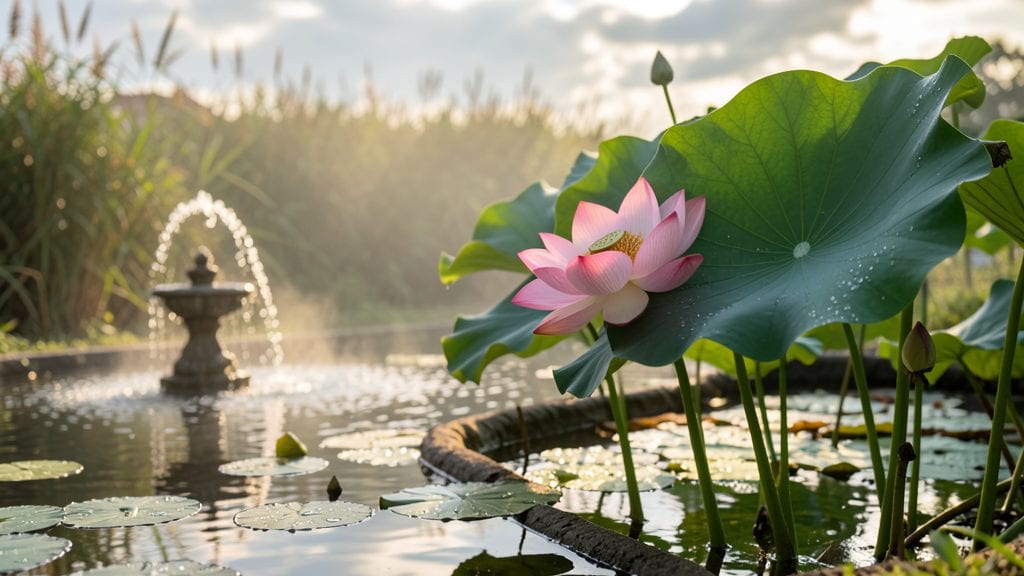
Transforming your water fountain into a year-round hummingbird haven starts with the right flowers—moisture-loving plants that thrive where others wilt. 🌸 I learned this the hard way after my first soggy garden disaster, but now my fountain edge bursts with blooms that hummingbirds can't resist.
The secret lies in choosing plants that love damp soil and don't mind occasional splashes, like water lilies, cannas, or impatiens. These beauties not only survive but flourish, creating a lush, vibrant display that keeps birds visiting from spring through fall—and sometimes even winter.
You don't need a complicated setup to make this work. Start with 3-5 moisture-tolerant perennials like asters, daylilies, or marsh marigolds, and add annuals like lobelia or columbine for extra color. Place them in containers or along the fountain's edge where they can access water without drowning.
The key is balancing saturation—too much water rots roots, but too little defeats the purpose. A drip irrigation system or self-watering planters can help maintain the perfect moisture level without overdoing it.
What you'll end up with is a garden that feels like a living postcard—bright blooms reflecting in the water, hummingbirds darting between flowers, and a space that stays stunning even when other gardens fade. The fragrance alone—sweet, earthy, and fresh—will make your fountain the centerpiece of your yard.
Plus, these plants attract pollinators all season, turning your water feature into a thriving ecosystem. Ready to turn your fountain into a magnet for both beauty and wildlife?
This approach works for any fountain size, from small tabletop models to large pond setups. Whether you're starting fresh or refreshing an existing water garden, the same principles apply—moisture-loving plants, strategic placement, and a little extra care make all the difference. Let's get those blooms growing!
📚 In This Guide
- What you need
- Instructions
- Tips and common mistakes
- Wrapping up and next steps
What you need
- ● Water fountain: A solar-powered or battery-operated fountain (1–2 gallons per hour flow rate). Pro tip: Choose one with a gentle mist or tiered design for extra appeal! 💡
- ● Waterproof planter: A shallow, wide container (12–18 inches in diameter) with drainage holes.
- ● Hummingbird-friendly flowers: 1–2 Salvia plants (red or purple varieties)
- ● 1 Fuchsia (trailing or bush type)
- ● 1–2 Lantana (compact or spreading)
- ● 1 Bee balm (scarlet or pink)
- ● Pebbles or gravel: 2–3 pounds (for drainage and decoration).
- ● Waterproof liner: A small sheet (6x6 feet) to protect surfaces.
- ● Trowel or small shovel
- ● Garden gloves
- ● Potting soil (2–3 bags, well-draining mix)
- ○ Optional: Solar panel or extension cord (if fountain isn’t battery-powered)
- ○ Optional: Decorative rocks or mosaic tiles (for aesthetic flair! ✨)
Step-by-Step guide to creating a hummingbird-friendly water fountain garden
Here’s how to design a vibrant, year-round water feature that blooms nonstop and keeps hummingbirds buzzing.
🌿 Step 1: Select Hummingbird-Favorite Flower Varieties for Continuous Blooms
Choose a mix of nearly everblooming annuals and perennials that thrive in your climate. I always include coral honeysuckle, bee balm, and salvia—these deliver bright tubular flowers that hummingbirds adore. For year-round interest, layer in evergreen shrubs like abelia or dwarf butterfly bush, which provide structure and subtle blooms even in winter.
Plant in full sun to partial shade, depending on your region. Hummingbirds favor red, pink, and purple blooms, so I avoid white flowers—they’re harder for them to spot. For example, fuchsia and pentstemon add striking color while attracting pollinators. Space plants 12-18 inches apart to ensure airflow and easy access for hummingbirds.
💧 Step 2: Install the Water Fountain with Strategic Placement
Position the fountain near—but not directly in—the planting area so birds can drink while foraging. A gentle bubbling or dripping sound (around 3-5 gallons per hour) mimics natural water sources and signals hummingbirds to visit. I like to place mine 3-5 feet from the flowers, so they can hover and sip without flying far.
Ensure the fountain has shallow edges (no deeper than 1-2 inches)—hummingbirds prefer flat surfaces to perch on while drinking. Use a solar-powered or battery-operated model for easy maintenance. If your fountain freezes in winter, opt for a submersible pump buried in the ground to keep water flowing year-round.
☀️ Step 3: Layer Plants for Season-Long Color and Nectar
Start with spring-blooming bulbs like crocus or bleeding heart to kick off the season. As they fade, summer annuals like cleome and zinnia take over, providing high-nectar blooms that hummingbirds crave. In late summer, fall-blooming asters and goldenrod extend the feast.
Add winter interest with evergreen ferns or ornamental grasses like maiden grass, which sway in the breeze and provide shelter. I also tuck in early-blooming hellebore—its bell-shaped flowers appear before snow melts, offering hummingbirds their first meal of the year.
✂️ Step 4: Maintain Blooms and Keep Water Fresh
Deadhead spent blooms weekly to encourage continuous flowering. Hummingbirds rely on fresh nectar, so I prune bee balm and salvia aggressively in early summer to trigger a second flush of blooms. Use clean, sharp shears to avoid damaging stems—ragged cuts invite disease.
Change fountain water every 2-3 days in summer (daily in 90°F+ heat) to prevent algae and bacteria. Add a small floating dechlorinator if your water is chlorinated—hummingbirds are sensitive to chemical residues. In winter, check the fountain weekly to ensure it’s still running, especially after hard freezes.
🪴 Step 5: Add Perches and Shelter for Hummingbirds
Install thin branches or horizontal perches (like bamboo stakes) near the fountain for resting. Hummingbirds use these to conserve energy between feeding sessions. I also include dense shrubs like boxwood or juniper to shield them from predators and wind.
Plant native flowers in your region—hummingbirds have evolved to recognize local blooms. For example, columbine and trumpet vine are high-energy nectar sources that keep birds lingering. Avoid pesticides—neonicotinoids are especially harmful to hummingbirds, and even organic sprays can reduce nectar production.
Tips & tricks for perfect hummingbird garden design
Creating a hummingbird haven isn't just about planting flowers—it's about crafting an ecosystem that mimics their natural habitat. Here are my go-to strategies for maximizing success.
Seasonal Layering: The key to year-round blooms lies in strategic layering. In Step 3, when you're planning your seasonal transitions, consider adding winter-blooming witch hazel alongside hellebore for extra early nectar. I've found that hummingbirds return to established gardens even in winter if they find reliable food sources. The continuous bloom cycle keeps them visiting throughout all seasons.
Fountain Placement Precision: When positioning your fountain in Step 2, aim for the southeast corner of your garden if possible. This placement gives birds morning sun for warming up while keeping them shaded during midday heat. The 3-5 feet distance from flowers is perfect—close enough for quick feeding but far enough to avoid disturbing the plants. I've noticed hummingbirds use this setup to conserve energy between feeding sessions.
Native Plant Advantage: While the instructions mention native flowers, I can't emphasize enough how crucial this is. In Step 5, when selecting perennials, prioritize locally adapted species like columbine or trumpet vine. These plants have evolved alongside hummingbirds and produce the exact nectar ratios they prefer. Non-native plants might look pretty but often lack the high-energy nectar hummingbirds need for migration.
Water Maintenance Hack: For the fountain care in Step 4, I've developed a simple system: use a small mesh net when changing water to catch any fallen leaves or debris. This prevents clogs in the pump and keeps the water crystal clear. During extreme heat (above 90°F), I add a floating dechlorinator tablet instead of just liquid—it lasts longer and provides consistent protection from chlorine that can harm hummingbirds.
Pro Tips for Water Fountain Flowers
- Creating a hummingbird haven isn't just about planting flowers—it's about crafting an ecosystem that mimics their natural habitat.
- Seasonal Layering: The key to year-round blooms lies in strategic layering.
- Fountain Placement Precision: When positioning your fountain in Step 2, aim for the southeast corner of your garden if possible.
Frequently asked questions
Got questions about creating a stunning water fountain flower display that keeps hummingbirds buzzing all year? Here are some of the most common queries—and their answers—to help you get started:
What are the best flowers to pair with a water fountain for hummingbirds?
Opt for native, nectar-rich blooms like bee balm, salvia, columbine, and trumpet vine. These thrive near water sources and attract hummingbirds year-round. Avoid invasive species—stick to local varieties for a sustainable haven. Pro tip: Plant in clusters for maximum appeal!
How often should I refill the water fountain to keep flowers and hummingbirds happy?
Check the water daily in hot weather (evaporation happens fast!) and every 2–3 days in cooler months. Stagnant water breeds mosquitoes—so keep it fresh! Bonus: Hummingbirds prefer shallow, moving water (1–2 inches deep) for safe drinking.
Can I use a water fountain with drought-tolerant flowers?
Pair your fountain with xeric plants like lavender, yarrow, or sedum to conserve water. Just ensure they’re not too far from the fountain (within 3–5 feet) so hummingbirds can easily transition between blooms and hydration. Win-win: Less maintenance, more pollinators!
Why aren’t hummingbirds visiting my fountain flowers?
Try these fixes:
- Add bright red accents (hummingbirds’ favorite color!)
- Place flowers near the fountain (within 10 feet for easy access).
- Keep it quiet—hummingbirds shy away from loud noises.
- Offer sugar water (1:4 ratio) in a separate feeder if blooms aren’t producing enough nectar.
How do I winterize a water fountain with flowers?
Drain and clean the fountain before the first frost. For flowers, mulch perennials (2–3 inches) and wrap tender plants in burlap. Leave seed heads for winter interest—hummingbirds still visit for insects! Pro move: Use a solar-powered fountain to keep water moving safely in cold months.
Wrapping up and next steps
Transforming your space into a hummingbird haven with water fountain flowers is simpler—and more rewarding—than you think! 🌸 From selecting the right blooms to setting up a low-maintenance fountain, every step brings you closer to a vibrant, buzzing garden that thrives year-round. Your efforts will not only delight these tiny pollinators but also elevate your outdoor oasis into a serene, wildlife-friendly retreat.
Ready to take the next step? Start by sketching a simple design for your fountain and flower beds—then gather your supplies and get planting!
Whether you’re a seasoned gardener or a beginner, this project is a joy to tackle. Happy gardening, and here’s to a garden that hums with life! 🐝✨