
Flowers
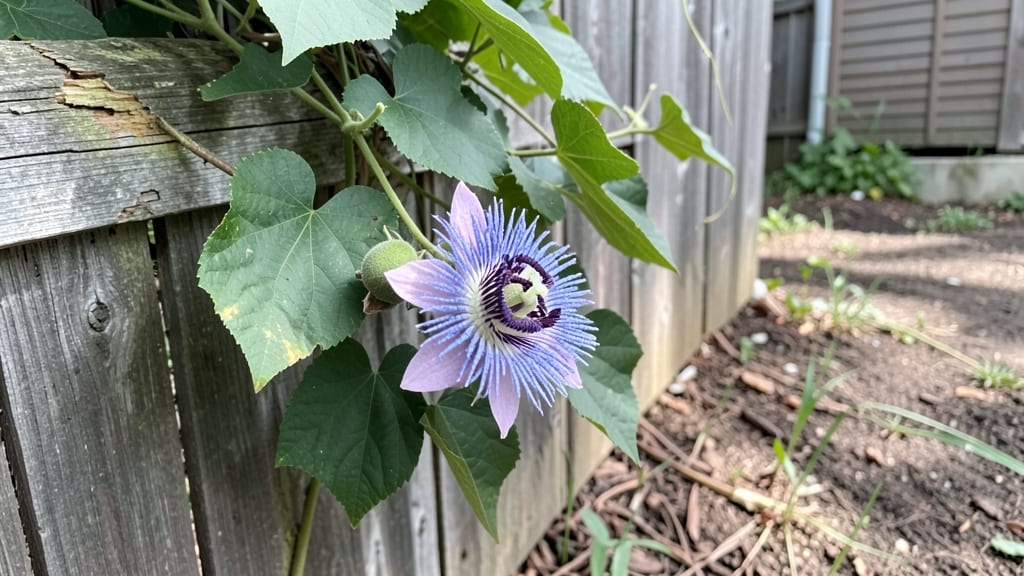
The blue crown passion flower vine (Passiflora caerulea) turns any garden into a hummingbird paradise with its fragrant, lavender-blue blooms that appear from spring through fall—and sometimes even winter in mild climates.
I fell in love with this vine after watching a cloud of hummingbirds swirl around mine one afternoon, their wings a blur of motion as they sipped nectar from flowers that smelled like sweet jasmine.
Unlike its tropical cousins, this hardy vine thrives in USDA zones 6-10, making it perfect for gardeners in cooler regions who still crave exotic beauty.
Growing it is simpler than you’d think—just give it 6 hours of sun daily, well-draining soil, and a sturdy trellis or fence to climb. It’s equally happy in containers or sprawled across the ground, and its deep roots make it drought-tolerant once established.
The real magic happens when you see those 3-inch-wide blooms unfurl at dawn, revealing their intricate, almost alien-like structure, or when tiny, edible (but tart) passion fruits appear in late summer. Even better? It’s deer-resistant and rarely bothered by pests, which means less fuss and more beauty.
Pruning is the only trick to keeping it lush and blooming heavily. In early spring, trim back last year’s growth by about one-third to encourage fresh, vigorous shoots. Throughout the season, pinch off spent blooms to redirect energy into new flowers.
By fall, you’ll have a vine so dense with blossoms that hummingbirds will treat your garden like their personal buffet. The best part? It’s perennial in warmer zones, so once planted, it keeps giving year after year with almost no effort.
Whether you’re training it up a trellis, letting it spill over a balcony railing, or using it as a living privacy screen, this vine delivers stunning visuals, wildlife benefits, and low-maintenance charm.
If you’ve ever wanted a garden that feels like a tropical escape without the fuss, this is your plant. Ready to grow one that’ll have your neighbors asking, “What is that?”
📚 In This Guide
- What you need
- Instructions
- Tips and common mistakes
- Wrapping up and next steps
What you need
- ● Blue Crown Passion Flower Vine (Passiflora incarna): 1–3 nursery-grown plants (for faster blooms) OR
- ● 5–10 seeds (for a budget-friendly, long-term project)
- ● Well-draining potting mix (6–8 qt bag): Mix 50% cactus/succulent soil + 30% perlite + 20% compost for optimal drainage.
- ● Container or garden bed: Container option: 5–10 gallon pot with drainage holes (terracotta or fabric recommended).
- ● Garden bed: Full sun (6+ hours/day) with sheltered, frost-free microclimate (USDA Zones 7–11).
- ● Slow-release fertilizer (10–20 lb bag): Look for a balanced 10-10-10 or organic option (e.g., fish emulsion or worm castings).
- ● Basic gardening tools: Trowel or small shovel
- ● Pruning shears (sterilized)
- ○ Gloves (optional but recommended—Passiflora can be thorny!)
- ○ Support structure (optional but highly recommended): Trellis, arbor, or sturdy fence (6+ ft tall to accommodate vigorous growth).
- ● Watering can or hose with gentle spray nozzle (for seedlings).
- ● Mulch (2–3 cubic feet): Use wood chips or straw to retain moisture and suppress weeds.
- ● Hardiness: Thrives in USDA Zones 7–11. In colder zones, grow as an annual or overwinter indoors.
- ● Best planting time: Seeds: Start indoors 8–10 weeks before last frost OR direct-sow in spring.
- ● Nursery plants: Plant in early spring after soil warms (60°F+).
- ● Humidity: Prefers 50–70% humidity; mist seedlings if air is dry.
Step-by-step guide to planting and cultivating blue crown passion flower vine
Here's how I grow this stunning vine with minimal fuss and maximum rewards.
Choose the Right Location for Planting
Blue crown passion flower thrives in full sun to partial shade, with at least 6 hours of direct sunlight daily. I always pick a spot where the vine can climb a trellis, fence, or pergola—this plant grows 10-20 feet annually if given space. The soil should drain well, so avoid low-lying areas where water pools after rain.
If your yard has heavy clay soil, amend it with 2-3 inches of compost before planting. This vine tolerates a range of soil types but performs best in slightly acidic to neutral soil (pH 6.0-7.5). Test your soil if possible, or simply add a handful of sulfur to lower pH if your area is alkaline.
Plant at the Correct Time and Depth
Plant bare-root vines in early spring after the last frost date in your zone, or container-grown plants in spring or early fall. Dig a hole twice as wide as the root ball but only as deep—the crown (where stems meet roots) should sit just above soil level. Planting too deep suffocates the vine.
Gently loosen the roots if they're circling in a container, then place the vine in the hole. Backfill with native soil, pressing lightly to remove air pockets. Water deeply to settle the soil and encourage root contact. Mulch around the base with 2-3 inches of organic mulch to retain moisture and suppress weeds.
Provide Support and Encourage Climbing
Install a strong trellis, fence, or arbor before planting—this vine grows aggressively and needs support from day one. I use metal or wooden trellises at least 8 feet tall for mature vines. Train the main stems along the support as they grow, tying them loosely with soft plant ties or twine every 2-3 feet.
Prune any weak or crossing stems early to direct energy into 2-3 strong primary vines. This prevents overcrowding and ensures better airflow, which reduces disease risk. Watch for new growth emerging from the base—these can be pruned back to encourage a bushier, more productive vine.
Water and Fertilize for Continuous Blooms
Water deeply once a week during the first growing season, allowing the top 2 inches of soil to dry between waterings. Mature vines are drought-tolerant but produce more blooms with consistent moisture. Avoid wetting the foliage when watering to prevent fungal issues like powdery mildew.
Fertilize in early spring with a balanced, slow-release fertilizer (10-10-10) or a low-nitrogen, high-phosphorus formula to encourage blooming. I also top-dress with compost annually in late winter to feed the roots. Stop fertilizing by mid-summer to avoid late-season growth that won’t harden off before winter.
Prune and Maintain Year-Round
Prune in late winter or early spring before new growth begins. Cut back one-third of the oldest wood to stimulate new, vigorous growth. Remove any dead, diseased, or crossing stems, and thin out overcrowded areas to improve airflow. This keeps the vine healthy and encourages year-round blooming.
Watch for aphids or spider mites, which can stress the vine. Spray with neem oil or insecticidal soap if needed, focusing on the undersides of leaves. Deadhead spent blooms regularly to redirect energy into new flowers. With proper care, this vine will reward you with stunning, fragrant blooms from spring through fall, and even occasional winter flowers in mild climates.
Tips & tricks for perfect blue crown passion flower vine cultivation
These practical tips will help you coax the most stunning blooms and vigorous growth from your blue crown passion flower vine—without the guesswork.
Sunlight Strategy: While the instructions mention full sun to partial shade, I've found that vines in partial shade (especially in hot climates) often produce more delicate blooms. If your vine isn't thriving in full sun, try moving it to a spot with morning sun and afternoon shade—you'll notice a difference in flower quality within weeks. The key is that 6 hours of sunlight should be spread throughout the day rather than concentrated in peak afternoon heat.
Support System: Don't wait until the vine is established to install support! I've seen vines struggle when forced to climb makeshift structures later. Install your trellis or fence at planting time, even if it's just a simple wooden post. The vine's natural growth habit means it will quickly wrap around any sturdy support, and you'll avoid the heartbreak of seeing those beautiful blooms droop from unsupported weight. For maximum airflow, space your trellis at least 3 feet from other plants.
Soil Secrets: The instructions mention slightly acidic to neutral soil, but I've had the best success with a pH slightly below 7.0 (around 6.5-6.8). Test your soil before planting—most garden centers sell affordable test kits. If your soil is too alkaline, the vine may struggle to absorb nutrients. A handful of sulfur mixed into the planting hole can work wonders for adjusting pH. Also, consider adding a layer of pine needles to the mulch—they naturally acidify the soil over time.
Pruning Precision: When pruning in late winter, focus on removing stems that are thinner than a pencil. These weak stems rarely produce quality blooms and compete with stronger growth for nutrients. I also recommend cutting back any stems that grew more than 12 inches the previous season—this encourages bushier growth and more flowers. The one-third reduction mentioned in the instructions is perfect, but don't be afraid to go slightly more aggressive if your vine looks overgrown.
Pro Tips for Blue Crown Passion Flower Vine
- These practical tips will help you coax the most stunning blooms and vigorous growth from your blue crown passion flower vine—without the guesswork.
- Sunlight Strategy: While the instructions mention full sun to partial shade, I've found that vines in partial shade (especially in hot climates) often produce more delicate blooms.
- Support System: Don't wait until the vine is established to install support!
Frequently asked questions
Got questions about growing and caring for the stunning blue crown passion flower vine? You’re not alone! Here are answers to the most common queries from gardeners eager to attract hummingbirds and enjoy year-round blooms.
How fast does the blue crown passion flower vine grow?
The blue crown passion flower vine (Passiflora vitifolia) is a fast grower, often climbing 10–20 feet per year with proper care. In ideal conditions (full sun, well-draining soil, and regular watering), you may see dramatic growth within a single season. Provide a sturdy trellis or fence to support its vigorous climbing habit!
Why aren’t hummingbirds visiting my vine?
Hummingbirds love blue crown passion flowers, but a few factors might keep them away. Ensure your vine is in full sun (6+ hours daily) and blooming (prune dead flowers to encourage new blooms). Also, avoid pesticides—hummingbirds are sensitive to chemicals. Add a shallow dish of sugar water (1:4 ratio) as a backup nectar source!
Is the blue crown passion flower frost-tolerant?
No, this tropical vine is not frost-hardy and will die back in temperatures below 25°F (-4°C). In colder climates, grow it as an annual or overwinter it indoors near a bright window. If you’re in a mild zone (USDA 9–11), mulch heavily to protect roots during light freezes.
Can I grow blue crown passion flower in a container?
This vine thrives in large containers (15+ gallons) with drainage holes. Use a well-draining potting mix and a trellis for support. Place the container in full sun and water regularly—containers dry out faster than garden beds. Fertilize monthly with a balanced liquid fertilizer during the growing season.
What pests should I watch for on my passion flower vine?
Common pests include aphids, spider mites, and whiteflies. Start with a strong spray of water to dislodge soft-bodied insects. For stubborn infestations, use neem oil or insecticidal soap. Encourage beneficial predators like ladybugs by planting companion flowers like marigolds. Avoid harsh chemicals to keep hummingbirds safe!
Wrapping up and next steps
The blue crown passion flower vine isn’t just a stunning addition to your garden—it’s a hummingbird haven and a year-round bloomer that brings life and color to any space! 🌸 With its easy-care nature and vibrant beauty, it’s perfect for both novice and experienced gardeners looking to attract pollinators and elevate their outdoor aesthetic.
Ready to transform your garden? Start by planting one today—whether in containers, trellises, or along fences. Watch as your space buzzes with activity and stays blooming from spring through winter. Happy gardening! 🌿