
Flowers
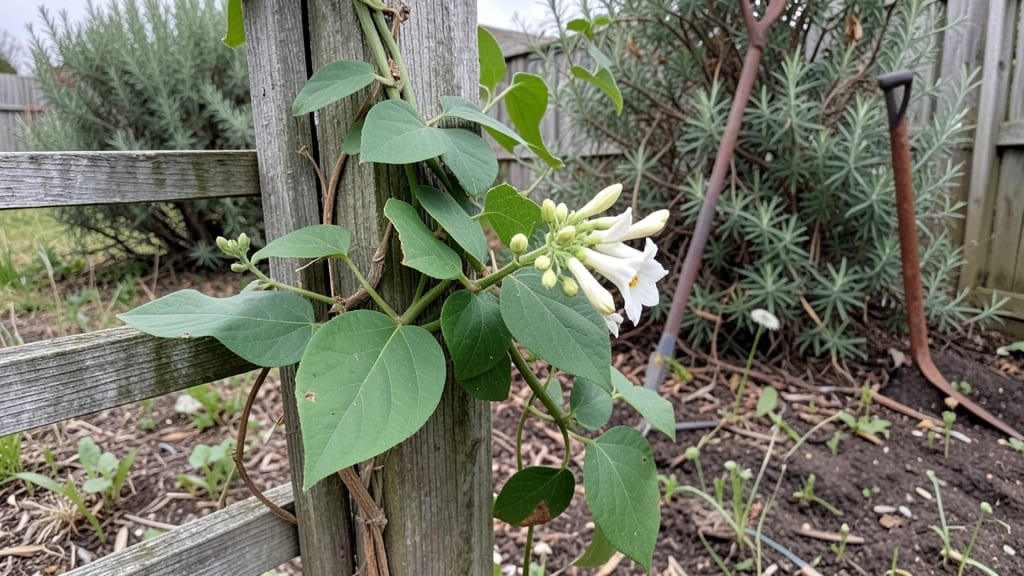
Your Pacific Northwest garden deserves a white flower vine that hums with life after sunset. 🌿 I planted clematis last spring, and its creamy blooms now draw hummingbirds at dusk while filling the air with sweet fragrance—exactly what transforms a yard into a twilight sanctuary.
The best part? These vines thrive with minimal effort. Pair them with sturdy trellises, pergolas, or arbors for vertical drama, or let them spill over borders for soft, romantic texture.
They bloom from early summer through fall, giving you months of effortless beauty with almost no upkeep beyond pruning spent flowers.
Imagine your garden alive with hummingbirds darting between fragrant white blossoms as evening light turns everything golden. The contrast against deep green foliage or purple blooms creates a dreamy, high-end look that costs next to nothing to achieve. Once established, these vines spread reliably year after year.
Works perfectly in cottage gardens, modern vertical spaces, or tropical-inspired designs. Let’s make your garden the neighborhood’s most coveted twilight retreat—hummingbirds and all.
📚 In This Guide
- What you need
- Instructions
- Tips and common mistakes
- Wrapping up and next steps
What you need
- ● White Flower Vine Plant: 1–2 Clematis lasiantha (white starflower vine) or Lonicera japonica (Japanese honeysuckle) nursery-grown plants (3–5 feet tall, potted).
- ● Organic or pH-neutral soil mix (5–10 gallons, depending on pot size).
- ● Growing Space: A sunny to partially shaded spot (6+ hours of sunlight daily for Clematis; 4–6 hours for honeysuckle).
- ● A trellis, arbor, or fence (6–10 feet tall) for climbing support.
- ● Watering Tools: Watering can (1–2 gallons) or hose with a gentle spray nozzle.
- ● Mulch (2–3 inches of shredded bark or pine needles to retain moisture).
- ● Fertilizer: Balanced 10-10-10 granular fertilizer (1–2 tbsp per plant, applied in early spring).
- ● Slow-release rose or vine fertilizer for extra blooms.
- ● Pruning shears (for shaping and deadheading).
- ● Hummingbird-friendly neighboring plants (e.g., bee balm, fuchsia, or penstemon).
- ● Decorative garden stakes or lights to highlight the vine at twilight!
How to grow and maintain a thriving white flower vine
This fragrant, hummingbird-loving vine thrives in the Pacific Northwest's cool climate—here's how to coax its delicate blooms.
🪴 Step 1: Choose the Right Location and Planting Time
White flower vines (like clematis or honeysuckle varieties) need a spot with morning sun and afternoon shade—perfect for PNW's mild summers. Plant in early spring or late fall when soil temperatures are cool but not frozen. I dig a hole twice as wide as the root ball but only as deep—sinking too low suffocates roots.
Mix the native soil with 2-3 inches of compost to improve drainage. These vines hate soggy roots, so if your yard stays damp, add a handful of perlite to the planting hole. Position the plant so the crown sits just 1 inch below soil level—any deeper and it rots.
☀️ Step 2: Provide Support and Proper Watering
Install a sturdy trellis, arbor, or fence within 2-3 feet of the planting site—vines need something to climb immediately. I use a metal trellis because it won't rot in our rainy climate. Water deeply right after planting, then once weekly for the first month until established.
Check soil moisture by sticking your finger 2 inches deep—if it feels dry, water again. These vines are drought-tolerant once established, but young plants need consistent moisture. Mulch with 2-3 inches of wood chips to retain moisture and protect roots from winter chill.
🌿 Step 3: Prune for Healthy Growth and Blooms
Prune in early spring before new growth appears. Remove any dead or crossing branches first—this improves air circulation and prevents disease. For most white-flowering vines, cut back last year's growth by one-third to encourage fresh, vigorous shoots.
Here's the thing—watch for new growth emerging from the base. These are your flowering stems. Never prune these! If you accidentally cut them, you'll lose that season's blooms. Thin out crowded stems to 3-4 inches apart for better air flow and bigger flowers.
💧 Step 4: Feed and Protect for Year-Round Beauty
Feed in early spring with a balanced 10-10-10 fertilizer (about 1 tablespoon per foot of vine height). I scatter it around the base and water it in—never apply directly to stems. Repeat in mid-summer for a second bloom cycle.
Protect young vines from late frosts with a lightweight frost cloth if temperatures dip below 25°F. Established vines handle our PNW winters fine, but new growth is tender. Watch for aphids or spider mites—spray with soapy water if you see sticky residue on leaves.
⏰ Step 5: Enjoy the Fragrance and Attract Hummingbirds
The best part comes at dusk when white flowers release their sweetest fragrance. Hummingbirds will visit daily if you plant nearby. Leave some spent blooms on the vine—they provide seeds for next year's growth and attract beneficial insects.
Deadhead faded flowers in late summer to encourage a second flush of blooms before winter. I use pruning shears to snip just above a set of leaves. This keeps the vine looking tidy while promoting new growth. With proper care, your white flower vine will thrive for years, becoming the Pacific Northwest's most fragrant hummingbird magnet.
Tips & tricks for perfect white flower vine growth
Don't let common gardening mistakes ruin your fragrant vine's potential—these simple tricks will help you grow a thriving, hummingbird-friendly plant.
Location and Soil Secrets: The PNW's cool climate is perfect for white flower vines, but the right spot makes all the difference. I always look for that sweet spot with morning sun and afternoon shade—this prevents leaf scorch while keeping flowers vibrant. If your yard stays damp, mix in perlite with the 2-3 inches of compost to prevent root rot. That crown should sit just 1 inch below soil level—any deeper and you'll suffocate those delicate roots.
Support System Matters: Install your trellis or fence within 2-3 feet of the planting site—these vines need immediate support to climb. Metal trellises last longer in our rainy climate, but wooden options work too if you treat them with a weatherproof sealant. I've seen vines struggle when support comes too late, so get it in place before planting!
Pruning Like a Pro: Timing is everything when pruning. Always wait until early spring when new growth begins to appear—never prune in fall or winter. Cut back last year's growth by one-third to encourage fresh shoots, but leave those new flowering stems alone! I use clean, sharp pruners and make cuts just above a set of leaves to prevent disease. Remember: those flowering stems are your ticket to summer blooms.
Frost Protection Strategy: Our PNW winters can be tricky for young vines. If temperatures dip below 25°F, cover with a lightweight frost cloth—it's breathable enough to prevent rot while protecting tender growth. I've seen vines survive our winters just fine once established, but those first few years are critical. Mulch with 2-3 inches of wood chips to add extra insulation during cold snaps.
Pro Tips for White Flower Vine
- Don't let common gardening mistakes ruin your fragrant vine's potential—these simple tricks will help you grow a thriving, hummingbird-friendly plant.
- Location and Soil Secrets: The PNW's cool climate is perfect for white flower vines, but the right spot makes all the difference.
- Support System Matters: Install your trellis or fence within 2-3 feet of the planting site—these vines need immediate support to climb.
Frequently asked questions
Is white flower vine toxic to pets or humans?
The white flower vine (Stephanotis floribunda) is generally non-toxic, but its milky sap can cause mild skin irritation in sensitive individuals. Keep it away from curious pets—ingestion may lead to stomach upset. Always wash hands after handling, and consult a vet if exposure occurs.
How long does it take for white flower vine to bloom?
With patience, you’ll see fragrant white blooms after 2–3 years of growth, assuming ideal conditions (partial shade, moist but well-drained soil). Young vines focus on establishing roots first—prune sparingly to encourage flowering. In the PNW’s mild climate, blooms often peak in late spring to early summer.
Can I grow white flower vine indoors?
Place it near a bright, east-facing window or under grow lights (12+ hours/day). Use a trellis for vertical growth, and mist leaves regularly to mimic humidity. Avoid drafts—this tropical vine thrives at 65–75°F. Just remember: Indoor vines may bloom less prolifically than outdoor counterparts.
Why aren’t hummingbirds visiting my white flower vine?
Hummingbirds adore the nectar, but a few factors might deter them:
- Timing: Blooms must be open (morning/evening).
- Location: Plant near feeders or other hummingbird favorites (e.g., fuchsia, salvia).
- Pests: Check for aphids—hummingbirds avoid infested plants.
- Red accents: Add red tags or nearby flowers to attract attention.
How do I overwinter white flower vine in the PNW?
While hardy to USDA Zone 10, PNW gardeners should:
- Move potted vines indoors (60°F+) before frost.
- Wrap outdoor plants in burlap and mulch heavily.
- Prune back by 1/3 in early spring to stimulate new growth.
Wrapping up and next steps
The white flower vine isn’t just a stunning addition to your Pacific Northwest garden—it’s a hummingbird magnet, a fragrant evening showstopper, and a low-maintenance dream.
Whether you’re drawn to its delicate blooms, its ability to attract pollinators, or its resilience in coastal climates, this vine offers beauty and functionality with minimal effort.
Ready to transform your space? Start small—plant a single vine in a sunny spot, or go bold with a trellis masterpiece. Watch as your garden comes alive with color, scent, and the joy of nature’s tiny visitors! 🌸✨