Flowers
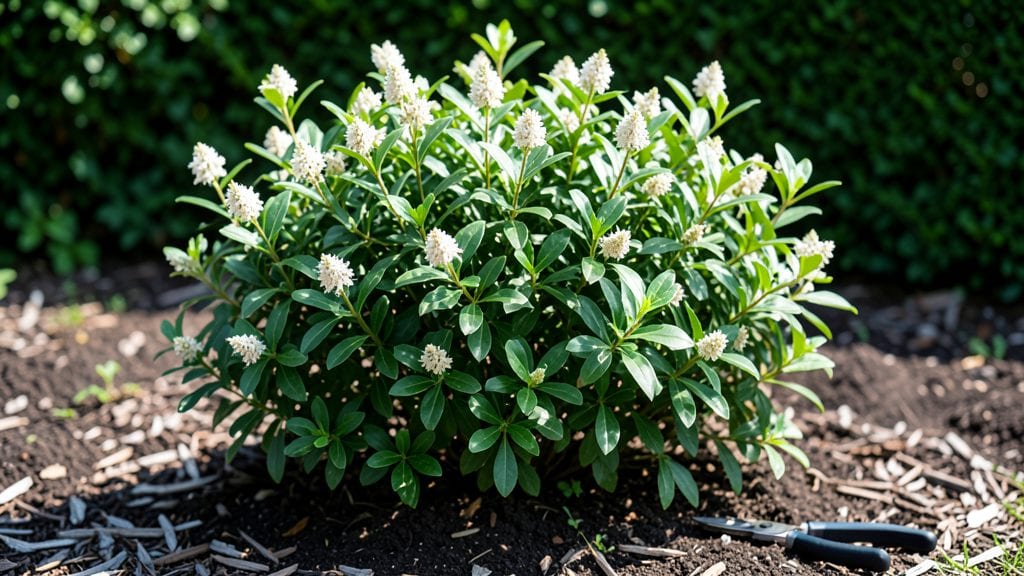
That sweet, honey-like fragrance of ligustrum vulgare flowers in late spring is one of my favorite garden memories—it turns a simple evergreen shrub into a star. 🌿 I’ve grown these for years, and they’re shockingly low-maintenance once you get the basics right.
The key is sunlight, well-drained soil, and a little strategic pruning to keep them blooming like crazy.
You’ll need a spot with full sun to partial shade (at least 6 hours of direct light daily) and soil that drains well—privet hates soggy roots. A 10-20 foot mature height means it’s perfect for hedges, privacy screens, or even a fragrant focal point.
The best part? Those tiny white flowers aren’t just pretty—they’re edible, too, though they’re more often used for their scent than their taste.
By summer, you’ll have clusters of fragrant blooms that attract pollinators and fill the air with a sweet, intoxicating scent. The shrub stays lush year-round, and with the right pruning (after flowering, never in fall), you’ll encourage even more blooms next season.
It’s the kind of plant that rewards patience with effortless beauty.
Works well in USDA zones 5-9, so whether you’re in a cold northern climate or a mild southern one, this shrub will thrive. Let’s get yours growing strong!
📚 In This Guide
- What you need
- Instructions
- Tips and common mistakes
- Wrapping up and next steps
What you need
- ● Ligustrum vulgare plants (1–3 nursery-grown shrubs or seeds/cuttings for propagation). Pro tip: 💡 Opt for 1–2-year-old plants for faster establishment.
- ● Well-draining potting mix (50% garden soil, 30% compost, 20% perlite/sand) or pre-mixed cactus/succulent soil (10–15 lbs per plant).
- ● Garden soil amendment (1 lb of balanced 10-10-10 fertilizer or organic compost per plant).
- ● Pruning shears (sterilized, sharp blades for clean cuts).
- ● Mulch (2–3 inches of wood chips or straw to retain moisture).
- ● Garden trowel or spade (for transplanting).
- ● Watering can or hose with a gentle spray nozzle (avoid over-saturating roots).
- ● Gloves (to protect hands from thorns on mature plants).
- ● Measuring tape (to space plants 3–6 feet apart).
- ○ Optional: Drip irrigation system (for automated watering in dry climates).
- ● A sunny location with 6+ hours of direct sunlight daily (partial shade tolerates but may reduce blooms).
- ● Well-draining soil (pH 6.0–7.5; amend clay soil with sand if needed).
- ● Patience! Ligustrum grows 1–2 feet per year; blooms appear in 2–3 years from seed.
- ● Local climate check: Hardy in USDA Zones 5–9 (protect young plants in Zone 4 with mulch).
Step-by-Step guide to planting and caring for ligustrum vulgare flowers
Ready to grow this fragrant, versatile shrub? Here’s the straightforward method I’ve used to establish healthy, blooming ligustrum plants.
🪴 Step 1: Choose the Right Location and Prepare the Soil
Ligustrum vulgare thrives in full sun to partial shade, with at least 6 hours of direct sunlight daily. Pick a spot where it has room to grow—this shrub can reach 10-15 feet tall and wide over time. Avoid low-lying areas where cold air settles, as ligustrum is hardy to USDA Zone 5 but can suffer damage in harsh winters.
Test your soil’s drainage—ligustrum hates soggy roots. If your soil feels compacted or stays wet after rain, mix in 2-3 inches of compost or organic matter to improve aeration. The ideal pH range is 6.0-7.5. You’ll know the soil is ready when it crumbles easily between your fingers and holds moisture without clumping.
🌱 Step 2: Plant Your Ligustrum Shrub Correctly
Dig a hole twice as wide as the root ball but no deeper—planting too low can suffocate the roots. Gently remove the shrub from its container and loosen any circling roots with your fingers. Place it in the hole so the top of the root ball sits 1 inch above ground level—this prevents water from pooling around the stem.
Backfill with native soil, pressing lightly to remove air pockets. Water deeply until the soil is evenly moist 6 inches down. You’ll see the soil settle slightly, which is normal. Mulch around the base with 2-3 inches of organic mulch, keeping it 3 inches away from the stem to prevent rot. This helps retain moisture and regulate soil temperature.
☀️ Step 3: Water and Fertilize for Strong Growth
Water your ligustrum once a week during the first growing season, giving it 1-2 gallons per plant until the soil is moist 6 inches deep. After establishment, it’s drought-tolerant but still needs deep watering every 2 weeks in dry spells. Overwatering is the biggest mistake—yellowing leaves or wilting mean you’re watering too much.
Fertilize in early spring with a balanced, slow-release fertilizer (10-10-10). Apply it 6 inches away from the stem and water it in. Skip fertilizer in the first year—you’re establishing roots, not flowers. You’ll know it’s happy when new growth appears in 4-6 weeks, with vibrant green leaves and no signs of stress.
✂️ Step 4: Prune for Shape and Blooms
Prune ligustrum in late winter or early spring before new growth begins. Remove any dead, diseased, or crossing branches first—cut them back to the main stem. Then shape the shrub by trimming 1/3 of the oldest stems to encourage new, vigorous growth. Ligustrum blooms on old wood, so avoid heavy pruning in fall or winter.
You’ll see clusters of fragrant white flowers in late spring to early summer. After blooming, trim back any spent flower clusters to redirect energy into foliage growth. Prune lightly again in summer if needed, but avoid heavy cuts—this shrub rewards patience with dense, lush growth and those signature blooms.
🌿 Step 5: Protect and Maintain Through the Seasons
In fall, apply a 2-inch layer of mulch to insulate roots from freezing temperatures. Ligustrum is hardy but benefits from winter protection in colder zones. Watch for pests like scale or spider mites—treat infestations early with insecticidal soap or neem oil. Healthy ligustrum rarely has issues, but yellowing leaves often signal overwatering or poor drainage.
By year two, your ligustrum should be established and blooming reliably. Enjoy the fragrant flowers, which attract pollinators and even produce small, edible berries (though they’re not as flavorful as the blooms). With minimal care, this shrub will thrive for decades, becoming a fragrant, evergreen centerpiece in your landscape.
Tips & tricks for perfect ligustrum vulgare flower growth
Growing fragrant ligustrum doesn't have to be complicated—just a few key tricks will help you avoid common pitfalls and get the most out of your fragrant evergreen.
Location and Lighting: Don't settle for just "full sun" - aim for at least 6 hours of direct sunlight daily in Step 1, with the afternoon sun being most critical. If your location gets intense afternoon heat, consider partial shade to prevent leaf scorch while still getting those essential morning rays. I've seen ligustrum struggle in spots where afternoon shade blocks more than half the sunlight.
Soil Preparation Secret: When testing your soil in Step 1, look for that perfect balance: it should crumble easily between your fingers but still hold moisture without clumping. If your soil feels too dense, mix in 2-3 inches of compost or organic matter—this improves aeration and drainage, which ligustrum absolutely craves. I've had the best success with soil that feels like a damp sponge rather than wet clay.
Planting Depth Matters: In Step 2, planting too deep is a silent killer. The top of the root ball should sit 1 inch above ground level—this prevents water from pooling around the stem. I've seen many gardeners bury the root ball too deeply, which leads to root suffocation and poor growth. A simple trick: use a pencil to mark the depth before planting, then check it after backfilling.
Watering Wisdom: The once-a-week watering in Step 3 is just a guideline—your actual watering needs depend on your climate. In hot, dry summers, you might need to water every 5-7 days, while cooler climates can stretch that to 10 days. Always check the soil 6 inches down before watering again. A good rule of thumb: if you can push a finger 6 inches deep and the soil feels dry, it's time to water.
Pro Tips for Ligustrum Vulgare Flower
- Growing fragrant ligustrum doesn't have to be complicated—just a few key tricks will help you avoid common pitfalls and get the most out of your fragrant evergreen.
- Location and Lighting: Don't settle for just "full sun" - aim for at least 6 hours of direct sunlight daily in Step 1, with the afternoon sun being most critical.
- Soil Preparation Secret: When testing your soil in Step 1, look for that perfect balance: it should crumble easily between your fingers but still hold moisture without clumping.
Frequently asked questions
When is the best time to plant Ligustrum vulgare?
The ideal time to plant Ligustrum vulgare is in early spring or fall, when soil temperatures are mild (50–70°F). This gives roots time to establish before extreme heat or cold sets in. Avoid planting in summer—young shrubs struggle with drought stress. Pro tip: Water deeply after planting to reduce transplant shock!
How long does it take for Ligustrum vulgare to flower?
With proper care, Ligustrum vulgare typically blooms 2–3 years after planting. Young shrubs may produce sparse flowers, but mature plants (5+ years old) burst into fragrant white clusters in late spring to early summer. Patience pays off—these shrubs reward long-term growers!
Are Ligustrum vulgare flowers safe for humans or pets?
While the flowers are technically edible (used in teas or garnishes), they’re not recommended for regular consumption due to mild toxicity risks. The berries are highly toxic to pets and humans—keep them out of reach! For pets, opt for non-toxic alternatives like Lavandula or Rosmarinus if you’re concerned.
What’s the best alternative if I want a fragrant, edible flower?
If you love Ligustrum vulgare’s scent but want a safer, easier-to-grow option, try:
- Jasmine (Jasminum officinale) – Highly fragrant, edible petals, and pet-friendly.
- Lavender (Lavandula) – Drought-tolerant, aromatic, and non-toxic.
- Hibiscus (Hibiscus rosa-sinensis) – Edible flowers with bold colors.
Why aren’t my Ligustrum vulgare flowers opening?
If buds fail to open, check for:
- Underwatering – Ligustrum needs 1–1.5 inches of water weekly (more in droughts).
- Over-fertilizing – Too much nitrogen = leafy growth, fewer flowers. Use a balanced 10-10-10 fertilizer in early spring.
- Poor sunlight – These shrubs crave full sun (6+ hours/day). Move to a sunnier spot if needed.
Wrapping up and next steps
Growing Ligustrum vulgare is a rewarding journey—its fragrant blooms and lush foliage bring beauty and even culinary potential to your garden! 🌿 Whether you’re drawn to its edible flowers, privacy-friendly hedges, or low-maintenance charm, this evergreen shrub is a fantastic addition.
Now that you’re equipped with the right knowledge, why not plant one today and enjoy its sweet rewards for years to come?
🌱 Next Steps:
- Pick a sunny spot and prepare your soil—your Ligustrum is ready to thrive!
- Start small with a cutting or young plant, and watch it grow into a fragrant, functional masterpiece.
- Share your progress or blooms with fellow gardeners—inspiration spreads like pollen! 🌸