
Container Gardens
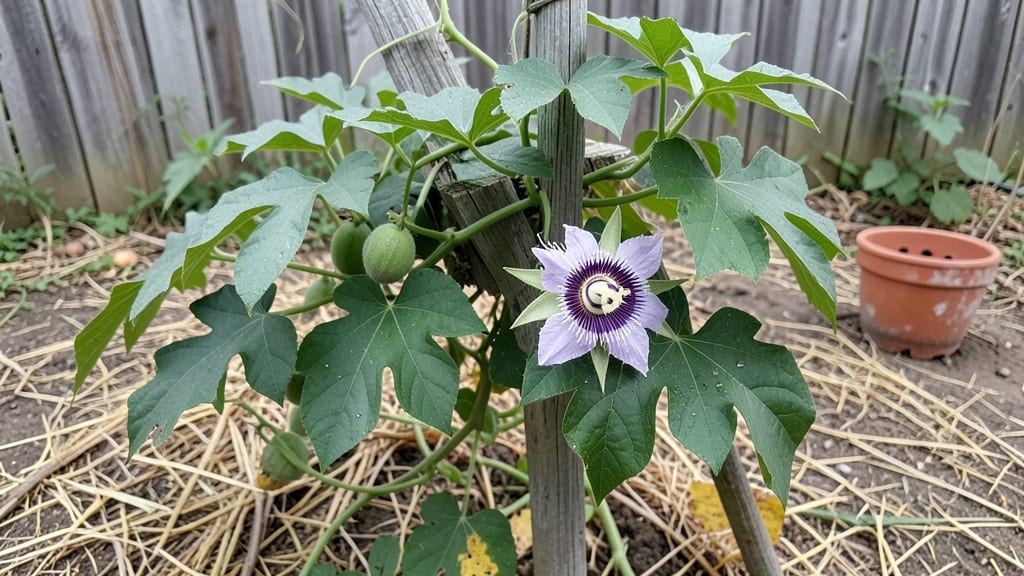
Growing a passion flower in a container isn’t just possible—it’s one of the most rewarding ways to attract hummingbirds and fill your patio with exotic blooms. 🌿 I’ve watched mine climb a trellis in a 15-gallon pot, its fragrant flowers drawing hummingbirds within weeks of planting.
The key? Matching the right container, soil, and sunlight to this tropical beauty’s needs.
You’ll need a container at least 12 inches wide and deep (bigger is better for long-term growth) with drainage holes, well-draining potting mix, and a sturdy trellis or cage for support.
Passion vines grow fast—up to 10 feet in a single season—so choose a spot where they can sprawl without crowding other plants. The right setup means fewer problems with root-bound conditions and more abundant blooms.
Once established, you’ll enjoy velvety, fragrant flowers that bloom from summer through fall, along with the constant hum of hummingbirds feeding at them. The vines stay lush with proper watering (keep soil consistently moist but not soggy) and monthly feedings of balanced fertilizer.
Prune in late winter to control size and encourage new growth—it’s the secret to keeping your container passion flower thriving year after year.
This method works for balconies, patios, or even sunny windowsills (with a strong trellis). Whether you’re in a small apartment or a courtyard, you can create a hummingbird haven without needing a yard. Let’s get those vines climbing!
📚 In This Guide
- What you need
- Instructions
- Tips and common mistakes
- Wrapping up and next steps
What you need
- ● Passion flower plant (Passiflora spp.) – Choose a compact variety like Passiflora caerulea (blue passionflower) or Passiflora incarnata (maypop). Look for a healthy, potted plant (3–5 gallons) with at least 2–3 vines.
- ● Container – A 10–15 gallon pot with drainage holes (ceramic, fabric, or plastic). Ensure it’s at least 12–18 inches deep to support root growth.
- ● High-quality potting mix – A well-draining blend (e.g., 60% peat moss, 20% perlite, 20% compost). Avoid garden soil—it compacts too easily!
- ● Support structure – A trellis, obelisk, or sturdy cage (4–6 feet tall) to guide vines upward. Metal or wooden options work best.
- ● Slow-release fertilizer – A balanced, organic fertilizer (10-10-10 or 5-5-5) to nourish your plant for 2–3 months.
- ● Mulch – 2–3 inches of organic mulch (e.g., shredded bark or straw) to retain moisture and suppress weeds.
- ● Garden trowel or shovel – For transplanting and mixing soil.
- ● Pruning shears – To trim dead or overgrown vines (sterilize with rubbing alcohol!).
- ● Watering can or hose with a gentle spray nozzle – Passion flowers love consistent moisture but hate soggy roots.
- ○ Gloves (optional but recommended) – Passion flowers can have tiny, irritating hairs on their leaves!
- ● Epsom salt – A teaspoon mixed into water monthly boosts magnesium for vibrant blooms.
- ● Hummingbird feeder – Place it near your container to attract pollinators (bonus: they’ll love the nectar!).
- ● Self-watering pot – If you travel often, this keeps roots hydrated without overwatering.
- ● Decorative stones or pebbles – For a polished, aesthetic finish around the base of your container.
Step-by-step instructions for growing passion flower in containers
Here's how to coax these tropical vines into thriving, hummingbird-friendly displays on your patio or balcony.
🪴 Step 1: Select the Right Container and Drainage
Passion vines need 10-15 gallon containers with multiple drainage holes—their roots despise soggy conditions. I use unglazed terra cotta pots because they wick away excess moisture through the walls. If your container lacks drainage, drill ¼-inch holes along the bottom and cover them with landscape fabric to prevent soil loss.
Choose a pot that's at least 12-18 inches wide to accommodate the vine's sprawling habit. The wider the base, the more stable the plant stays as it grows. For four plants, you'll need four containers—passion vines are aggressive growers and shouldn't be crowded.
🌱 Step 2: Prepare the Soil Mix
Passion flowers thrive in well-draining, slightly acidic soil with a pH of 6.0-7.5. Mix equal parts premium potting mix, perlite, and compost to create a loose, airy medium. Avoid garden soil—it compacts in containers and suffocates roots.
Fill each container ¾ full with your mix, leaving 3 inches of space at the top for watering. Tap the pot gently to settle the soil without compacting it. The goal is a fluffy texture that holds moisture but drains freely. Add a slow-release fertilizer (10-10-10) at ½ the recommended rate to give roots a nutrient boost without burning.
☀️ Step 3: Plant and Position for Sunlight
Dig a hole twice as wide as the root ball but no deeper. Gently remove the plant from its nursery pot and loosen the roots if they're circling. Position it so the top of the root ball sits ½ inch below the soil line—this prevents stem rot from sitting water.
Passion vines demand full sun (6-8 hours daily) for optimal flowering. Place containers in a south-facing spot or under bright artificial grow lights if natural light is limited. In hot climates, provide afternoon shade to prevent leaf scorch. You'll notice new growth within 2-3 weeks if conditions are right.
💧 Step 4: Water and Fertilize for Vigorous Growth
Water deeply once a week, allowing 1 inch of water to soak through the soil. Check moisture by sticking your finger 2 inches deep—water only when the soil feels dry but not bone-dry. Overwatering is the #1 killer of container-grown passion flowers.
Feed every 4-6 weeks with a balanced liquid fertilizer (diluted to ½ strength) during the growing season. Reduce feeding in fall and winter as growth slows. You'll see lush foliage and abundant blooms when the plant gets consistent care.
✂️ Step 5: Prune and Support for Compact Growth
Install a strong trellis or obelisk at planting to guide the vine upward. Passion vines can reach 10-20 feet in a season, but containers limit their spread. Prune new growth back by ⅓ in early spring to encourage bushier growth and more flowers.
Deadhead spent blooms regularly to redirect energy into new flowers. In fall, cut back leggy growth to ½ its height before bringing containers indoors if frost threatens. With proper pruning, your passion vine will stay compact yet productive in its container.
Tips & tricks for perfect passion flower container growth
These insider tips will help you transform your balcony into a hummingbird haven—without the usual challenges of growing passion vines in containers.
Container Selection Wisdom: Unglazed terra cotta isn't just my recommendation—it's a game-changer for passion vines. The porous material helps regulate moisture, preventing the root rot that plagues so many container-grown tropicals. If you're repurposing an existing container, drill those drainage holes strategically along the bottom edges rather than just the center. This creates a more even water drainage pattern that mimics natural conditions. For extra stability with larger containers, consider adding weights like smooth river rocks in the bottom third before adding soil.
Soil Texture Secrets: The equal parts potting mix, perlite, and compost ratio is non-negotiable for passion vines, but here's what nobody tells you: pre-moisten your soil mix before filling the containers. This eliminates air pockets that can form when you water afterward, ensuring even moisture distribution right from planting. I also recommend adding a handful of orchid bark to the mix—it improves aeration and mimics the vine's natural epiphytic growing habits. The fluffy texture you're aiming for should resemble crumbled styrofoam rather than packed dirt.
Sunlight Strategy: That 6-8 hours of sunlight requirement is critical, but timing matters just as much. Position your containers to receive morning sun first, then gradually shift them to avoid the harsh afternoon rays in hot climates. I've found that rotating containers ¼ turn weekly helps prevent lopsided growth toward the light source. For indoor growers, supplement with full-spectrum LED grow lights positioned 12-18 inches above the plants for 12-14 hours daily. You'll notice new growth within those 2-3 weeks if you've nailed the light exposure—look for vibrant new leaves emerging from the vine tips.
Pruning Pro Tips: When you're pruning back new growth by ⅓ in spring, focus on removing the longest, leggiest stems first. These are the ones that will grow back bushier with more lateral branches. For fall pruning, cut back to just above a leaf node where new growth can emerge. I always sterilize my pruning shears with rubbing alcohol between cuts to prevent spreading any potential diseases. The key to compact growth is regular, light pruning throughout the season—think of it like giving your vine a haircut every 4-6 weeks rather than one big trim.
Pro Tips for Passion Flower Container
- These insider tips will help you transform your balcony into a hummingbird haven—without the usual challenges of growing passion vines in containers.
- Container Selection Wisdom: Unglazed terra cotta isn't just my recommendation—it's a game-changer for passion vines.
- Soil Texture Secrets: The equal parts potting mix, perlite, and compost ratio is non-negotiable for passion vines, but here's what nobody tells you: pre-moisten your soil mix before filling the containers.
Frequently asked questions
Got questions about growing passion flowers in containers? You’re not alone! Here are some of the most common queries—and their easy, expert-backed answers—to help you cultivate a thriving, fragrant hummingbird magnet in your compact space.
Can passion flowers grow well in containers?
Passion flowers (Passiflora spp.) thrive in containers as long as you choose the right variety (like Passiflora caerulea or Passiflora incarnata) and provide adequate support (trellises or cages). Just ensure your pot has drainage holes and is at least 12–18 inches deep to accommodate their vigorous roots. Pro tip: Use a well-draining potting mix with added compost for optimal growth!
How long does it take for passion flowers to bloom in a container?
Patience is key! Most passion flowers grown in containers take 1–2 years to mature and bloom, depending on the variety and growing conditions. Young plants may produce flowers in their first year if given plenty of sunlight (6+ hours daily) and consistent care. Hot tip: Deadhead spent blooms to encourage more flowers!
How often should I water my container-grown passion flower?
Container plants dry out faster than in-ground ones. Water your passion flower when the top 1–2 inches of soil feel dry—typically 2–3 times per week in warm weather, but adjust for humidity and pot size. Overwatering can lead to root rot, so ensure your pot has drainage holes. Bonus: Mulch the soil surface to retain moisture!
Why aren’t hummingbirds visiting my container passion flowers?
Hummingbirds love passion flowers, but a few factors might deter them: 1) Lack of nectar-rich blooms (ensure you’re growing a hummingbird-friendly variety like Passiflora incarnata), 2) Limited food sources nearby (plant companion flowers like salvia or bee balm), or 3) Poor visibility (place your container near a window or sunny spot). Quick fix: Add a small hummingbird feeder nearby to attract them!
What can I plant with passion flowers in a container?
Passion flowers pair beautifully with companion plants that share similar care needs. Try:
- Salvia (attracts pollinators)
- Sweet potato vine (fast-growing filler)
- Lantana (drought-tolerant and colorful)
- Mint or lemon balm (repels pests naturally)
Can passion flowers survive winter in a container?
Most passion flowers are tender perennials and need winter protection. If you live in a cold climate (below 20°F), move your container to a sheltered spot (like a garage or basement) and reduce watering. Cold-hardy varieties like Passiflora caerulea can tolerate light frosts but may need mulch or a frost blanket. Prune back dead growth in early spring!
Wrapping up and next steps
Growing passion flower in a container isn’t just about adding beauty—it’s about creating a thriving, fragrant haven that hummingbirds adore! Whether you’re working with limited space or simply love the idea of a compact, high-impact garden, this versatile plant delivers big rewards with minimal effort. 🌸
Ready to transform your balcony, patio, or windowsill? Start by choosing your favorite variety, gather your supplies, and give your passion flower the love it deserves. Next up: Watch as your container garden bursts into life, filling the air with sweet fragrance and your space with vibrant color.
Happy planting! 🌿