
Companion Plants
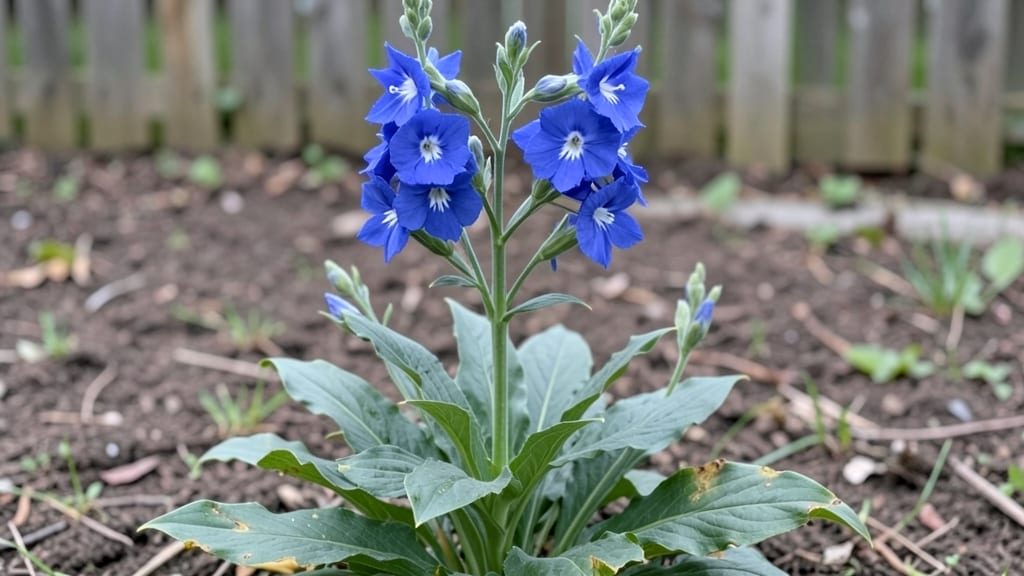
Blue flowered plants turn Pacific Northwest gardens into frost-resistant havens for bees and butterflies. 🌿 I’ve tested these tough perennials through our damp, chilly springs and they still bloom reliably—delphiniums reaching 5 feet tall, lavender’s silvery spikes, and hydrangeas that shift from pink to blue based on soil pH.
The secret lies in their cold tolerance: most thrive in zones 5-8, while some like Siberian bugloss handle zone 3. Pair delphiniums with catmint for vertical drama, or tuck lavender at the front of borders where its fragrance deters deer.
These plants reward low-maintenance gardeners with 3-4 weeks of summer blooms, often reblooming in fall.
Imagine your garden in July: delphiniums nodding in cobalt clusters, hydrangeas glowing like blueberries, and bees buzzing between them. The key is well-draining soil—amend heavy clay with compost—and deadheading spent blooms to encourage more flowers. Even in rainy seasons, these plants stay disease-resistant when given good air circulation.
Perfect for cottage gardens, pollinator pathways, or containers on patios. The blue hues work especially well against silver foliage or warm yellows like black-eyed Susans. Start with just 3-5 plants to see how they transform your space before committing to full borders.
📚 In This Guide
- What you need
- Instructions
- Tips and common mistakes
- Wrapping up and next steps
What you need
- ● Blue flowered plants: Choose from frost-hardy varieties like Delphinium, Lobelia, Blue Flax (Linum lewisii), or Pacific Giant Hyacinth (Dichelostemma capitatum). Start with 3–5 plants for a small garden or 10+ for a pollinator-friendly border.
- ● Well-draining soil: Mix 1 part native soil with 1 part compost (or 2 parts if your soil is heavy clay). Test pH (ideal: 6.0–7.0)—PNW soil can be acidic!
- ● Organic mulch: 2–3 inches of cedar chips or straw to insulate roots from frost and retain moisture.
- ● Watering can or hose: With a gentle spray nozzle (blue flowers hate soggy roots!)
- ● Garden gloves & trowel: For digging and handling delicate roots.
- ○ Frost cloth (optional but helpful): Lightweight 30–40g fabric for young plants during late frosts (April–May in PNW).
- ● Seedling trays (if starting from seed): 4–6 inch deep with drainage holes. Use seed-starting mix (not garden soil).
- ● Slow-release fertilizer: 10–10–10 NPK ratio (sprinkle lightly at planting time). Over-fertilizing = fewer blooms!
- ● Pollinator-friendly companions: Pair with yarrow, bee balm, or sage to attract hummingbirds and bees.
- ● Stakes or rings: For tall varieties like Delphinium (use 3–4 ft bamboo stakes tied loosely).
- ● Pruners: Bypass pruners for deadheading spent blooms (encourages more flowers!).
How to select and plant frost-resistant blue flowering perennials for the Pacific Northwest
Here's my go-to approach for establishing vibrant blue blooms that thrive in PNW's cool, wet climate.
🌱 Step 1: Choose the Right Frost-Resistant Blue Varieties
For true blue flowers that survive our winters, focus on these proven PNW performers: Delphinium elatum (delphinium), Lobelia cardinalis (cardinal flower), Myosotis sylvatica (forget-me-not), and Agastache 'Blue Boa' (hyssop). Delphiniums need full sun and well-drained soil to prevent flopping, while lobelia thrives in moist, shady spots near water features.
I always check the USDA hardiness zones on seed packets—look for zones 5-9 to ensure survival through our 30-40°F winter nights. For containers, opt for Agastache or Salvia 'May Night' since they tolerate root-bound conditions better than delphiniums. The key is matching each plant's light and moisture preferences to your site's conditions.
🪴 Step 2: Prepare the Planting Site for Cool-Climate Success
Amend your soil with 2-3 inches of compost before planting to improve drainage and nutrient retention—critical for preventing root rot in our wet winters. For delphiniums, mix in sand or perlite if your soil feels heavy when squeezed (it should crumble but hold shape). I test soil pH first—6.0-7.0 is ideal for most blue bloomers.
In containers, use a lightweight potting mix with 20% perlite to prevent compaction. Place pots on elevated stands or gravel trays to prevent waterlogging during PNW's frequent winter rains. Mulch with 2-3 inches of cedar chips after planting to insulate roots and conserve moisture during summer droughts.
☀️ Step 3: Plant with Proper Spacing for Airflow and Winter Protection
Space delphiniums 18-24 inches apart in rows to prevent fungal diseases that thrive in our damp climate. Lobelia and forget-me-nots can crowd closer (6-12 inches apart) since they're less prone to mildew. Plant in early spring or fall to avoid transplant shock during summer heatwaves.
Dig holes twice as wide as the root ball but no deeper—this encourages root spread rather than settling. Water deeply right after planting until soil 12 inches down feels uniformly moist. In containers, water until water runs freely from drainage holes—blue-flowering plants hate soggy roots.
💧 Step 4: Maintain Through Seasons for Long-Lived Blue Blooms
Water deeply once weekly during summer, aiming for 1-1.5 inches total—less frequent but deeper watering encourages deeper root growth. In winter, reduce watering to once every 2-3 weeks unless we get prolonged dry spells. Fertilize in early spring with balanced 10-10-10 (follow label rates) to support new growth.
Deadhead spent blooms regularly to prevent self-seeding (except forget-me-nots, which self-sow beautifully). In late fall, cut back delphiniums and salvias to 6 inches tall, while leaving lobelia and agastache for winter interest. The key is gradual adjustments—PNW plants respond better to slow changes than sudden shifts.
✂️ Step 5: Divide and Refresh Every 3-4 Years
Delphiniums and agastache benefit from division every 3-4 years in early spring. Dig up clumps, separate into 3-5 inch sections with 3-5 leaves each, and replant immediately. This rejuvenates plants and prevents the center from dying out—a common issue in our cool climate where growth slows.
I always mark division spots with stakes to track where I replanted sections—next year's blooms will tell you if you placed them in ideal light. For containers, refresh the soil every 2 years by removing half the old mix and replacing with fresh potting mix mixed with compost.
Tips & tricks for frost-resistant blue flowering perennials in the PNW
These practical insights will help you establish vibrant blue blooms that thrive in our challenging climate.
Variety Selection: When choosing between delphiniums and lobelia, remember that delphiniums need full sun and well-drained soil to prevent flopping, while lobelia thrives in moist, shady spots. For containers, Agastache 'Blue Boa' and Salvia 'May Night' are excellent choices because they tolerate root-bound conditions better than other blue varieties. This tolerance makes them perfect for urban gardens with limited space.
Soil Preparation: The 2-3 inches of compost you add before planting is crucial for improving drainage and nutrient retention, especially in our wet winters. For heavy soils, mix in sand or perlite to create that ideal crumbly-but-hold-shape texture. I've found that testing soil pH first—aiming for 6.0-7.0
Spacing and Airflow: The 18-24 inch spacing for delphiniums isn't just about aesthetics—it's about preventing fungal diseases that thrive in our damp climate. I've seen firsthand how crowded plants develop mildew when they don't get proper airflow. For lobelia and forget-me-nots, you can plant them closer (6-12 inches apart) since they're less prone to these issues. Winter Protection: When planting in containers, using elevated stands or gravel trays prevents waterlogging during our frequent winter rains. I've learned the hard way that soggy roots can kill even the hardiest blue bloomers. The 2-3 inches of cedar chips for mulching is another game-changer—it insulates roots during cold nights while conserving moisture during summer droughts.
Pro Tips for Blue Flowered Plants
- These practical insights will help you establish vibrant blue blooms that thrive in our challenging climate.
- Variety Selection: When choosing between delphiniums and lobelia, remember that delphiniums need full sun and well-drained soil to prevent flopping, while lobelia thrives in moist, shady spots.
- Soil Preparation: The 2-3 inches of compost you add before planting is crucial for improving drainage and nutrient retention, especially in our wet winters.
Frequently asked questions
Got questions about growing blue flowered plants in the Pacific Northwest? You’re not alone! Here are answers to the most common queries—from frost resilience to pollinator appeal—so you can confidently add these stunning blooms to your garden.
Can blue flowered plants survive PNW winters?
Many native PNW blue beauties—like Delphinium and Lupinus—are frost-hardy (USDA Zones 3-8). Mulch around their bases in late fall to protect roots, and choose varieties like Delphinium elatum ‘Blue Fountain’ for extra cold tolerance. Pro tip: Deadhead spent blooms in fall to encourage stronger regrowth in spring.
When is the best time to plant blue flowered perennials?
For established roots, plant in early spring (March-April) or early fall (September-October). This gives plants time to settle before summer heat or winter frost. If starting from seed, sow Delphinium or Lobelia indoors 8-10 weeks before your last frost date. Warning: Avoid planting in soggy soil—these plants hate “wet feet.”
Which blue flowers attract the most pollinators?
Top picks for bees, butterflies, and hummingbirds include:
- Delphinium (larkspur): Magnetic for bees and swallowtail butterflies.
- Lupinus (lupine): A nitrogen-fixer that hummingbirds adore.
- Salvia (sage): Drought-tolerant and packed with nectar.
- Brunnera macrophylla (Siberian bugloss): Early-season bee favorite.
What if my blue flowers fade or turn brown?
Common causes and fixes:
Issue
Solution
Overwatering
Ensure well-draining soil and water at the base (not leaves).
Powdery mildew (white fuzz)
Space plants for airflow and spray with neem oil.
Leggy growth (stretching)
Move to sunnier spot or fertilize lightly with low-nitrogen feed.
Are there low-maintenance blue annuals for PNW gardens?
Yes! Try these easy-care annuals:
- Lobelia erinus: Trailing blue spikes for containers (needs consistent moisture).
- Bacopa monnieri: Heat-tolerant and great for hanging baskets.
- Cleome hassleriana ‘Blue Queen’: Drought-resistant with spider-like blooms.
Wrapping up and next steps
Blue-flowered plants aren’t just stunning—they’re frost-resistant powerhouses that bring life to the Pacific Northwest’s gardens while supporting pollinators. From hardy Delphiniums to delicate Lupines, these plants prove beauty and resilience go hand in hand.
Whether you’re a seasoned gardener or just starting, adding them to your landscape is a game-changer for color, sustainability, and ecosystem health.
Ready to transform your space? Start small—pick one or two blue beauties, gather your supplies, and dive in! Your garden (and the bees) will thank you. 🌸🐝