
Flowers
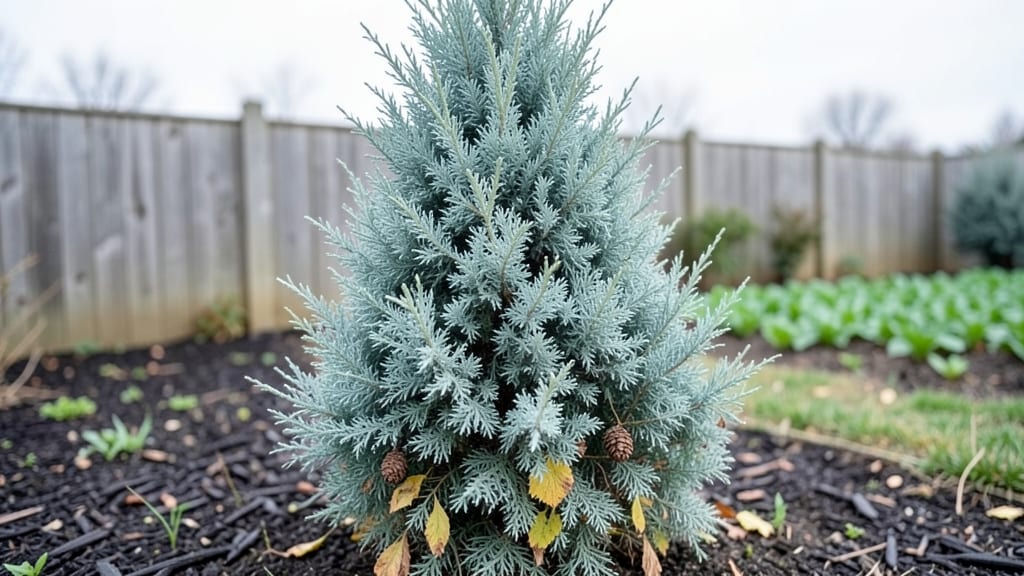
Growing blue spur flowers—those towering, sky-blue delphiniums—has become my Pacific Northwest garden’s signature. ✨ Their frost-resistant nature makes them perfect for our cool, wet springs, and once established, they come back year after year with dramatic height and bold color.
The key is starting with the right soil prep and planting timing, which I’ll walk you through step by step.
You’ll need full sun (at least 6 hours daily) and well-draining soil rich in organic matter—think compost mixed into the top 12 inches of your garden bed. Delphiniums hate soggy roots, so amend heavy clay with sand or grit if your yard holds moisture.
Plant seeds indoors 8-10 weeks before your last frost for stronger starts, or buy nursery-grown plants in early spring.
By midsummer, you’ll be rewarded with 3-5 foot spikes of blue, purple, or white blooms that attract pollinators like bees and butterflies. The secret to keeping them thriving? Regular deadheading (removing spent flowers) and staking tall varieties before they flop in summer rains.
They’re surprisingly tough once established, but young plants need consistent moisture—water deeply 1-2 times per week during dry spells.
Pair them with catmint, lavender, or salvia for a dreamy cottage-garden look, and watch how they dominate the back of borders. Even in our damp climate, they’ll reward you with months of color—just don’t skip the winter mulch to protect their crowns. Ready to grow your own blue giants?
📚 In This Guide
- What you need
- Instructions
- Tips and common mistakes
- Wrapping up and next steps
What you need
- ● Blue spur flower seeds: 10-20 seeds (or 1-2 nursery-grown plants for faster results)
- ● Well-draining potting mix: 5-10 gallons (look for a blend with perlite or sand for aeration)
- ○ Garden soil (optional): Amend with compost (2-3 gallons) for nutrient-rich planting
- ● Organic fertilizer: Slow-release 10-10-10 or a phosphorus-heavy formula (e.g., 5-10-10) for root development
- ● Garden gloves: 1 pair (to protect from thorns and soil)
- ● Trowel or small shovel: For transplanting seedlings
- ● Watering can or hose with a gentle nozzle: 1 (avoid overwatering)
- ○ Spray bottle (optional): For misting seeds during germination
- ● Pruning shears: 1 pair (for shaping mature plants)
- ○ Mulch (optional): 2-3 inches of straw or wood chips to retain moisture
- ● Sunlight: Full sun (6+ hours/day) or partial shade (4-6 hours) in hotter PNW summers
- ● Climate zone: Hardy in USDA zones 7-10 (thrives in frost-resistant PNW conditions!)
- ● Water source: Consistent access to water (drought-tolerant once established)
- ● Patience: Seeds may take 2-4 weeks to germinate; plants bloom in 1-2 years
Step-by-step guide to cultivating blue spur flower in the Pacific Northwest
Here's my battle-tested approach for thriving blue spur flowers in cold climates.
🌱 Step 1: Select the Right Location and Soil Conditions
Blue spur flowers (Chorizanthe spp.) thrive in well-draining soil with a slightly alkaline pH between 7.0-8.0. In the Pacific Northwest's damp climate, I always amend native soil with 3-4 inches of coarse sand or perlite to prevent root rot. Choose a spot with partial shade—morning sun and afternoon shade protect the delicate foliage from harsh coastal winds.
The ideal site mimics their natural habitat of open woodlands. Test your soil's drainage by digging a 12-inch deep hole—if water pools after 30 minutes, amend with more gritty material. I swear by a 50/50 mix of native soil and sand for container plantings, which gives me better control over moisture levels.
☀️ Step 2: Time Planting for Optimal Frost Hardiness
Plant blue spur flowers in early spring (March-April) or late summer (August-September) to establish roots before winter. The Pacific Northwest's Zone 7-9 climate means these perennials can handle 20-25°F once established, but young plants need protection during their first winter. I always plant 4-6 weeks before the first frost date to allow root development.
Dig holes twice as wide as the root ball but only as deep as the container. The crown should sit just above soil level—burying it too deep invites rot in our wet winters. Water deeply immediately after planting to eliminate air pockets, then mulch with 2-3 inches of wood chips to insulate roots while suppressing weeds.
💧 Step 3: Establish a Watering Routine for Drought Tolerance
Blue spur flowers are drought-tolerant once established, but young plants need consistent moisture during their first growing season. Water deeply 2-3 times per week during the first year, ensuring the soil 6 inches down stays moist but not soggy. In our rainy climate, I often reduce to weekly deep watering once leaves show first true growth—this encourages deep root development.
Here's the trick: water in the early morning to allow foliage to dry before evening. Wet leaves overnight invite fungal diseases like powdery mildew, which can devastate these delicate perennials. You'll know your watering is right when the soil feels like a wrung-out sponge—firm but not dripping.
✂️ Step 4: Prune for Winter Hardiness and Spring Bloom
Cut back dead or damaged foliage in late winter (February) before new growth appears. I never remove more than one-third of the plant at once—this ensures enough leaf surface to photosynthesize early in the season. Use clean, sharp pruners to make cuts at a 45-degree angle just above a leaf node.
In late summer, after the first flush of blooms, I deadhead spent flowers to redirect energy to root development. This is crucial for Pacific Northwest winters—stronger roots mean better frost resistance. Apply a light layer of compost around the base after pruning to replenish nutrients without smothering the plant.
🪴 Step 5: Protect During Extreme Winter Conditions
While mature blue spur flowers handle 20-25°F, our region can see colder snaps or prolonged wet periods. For the first two winters, I cover plants with burlap or frost cloth when temperatures drop below 20°F. Secure the covering with bricks or stakes—wind can tear delicate foliage.
Remove protective coverings gradually in early spring as temperatures rise. Sudden warmth can shock dormant plants. Watch for new growth as your signal to remove covers completely. In our coastal climate, I've seen plants emerge as early as February if protected properly—this gives them a head start on the growing season.
Tips & tricks for perfect blue spur flower cultivation
These battle-tested strategies will help you coax vibrant blue spur flowers to thrive in our challenging Pacific Northwest climate.
Soil Test First: Before amending your soil, grab a simple pH test kit from your local garden center. Blue spur flowers demand that 7.0-8.0 pH range—if your soil tests lower, mix in 1/2 cup of garden lime per square foot and re-test in 2-3 months. I've seen plants struggle in acidic soil despite perfect drainage, so don't skip this step! The 30-minute drainage test in Step 1 is your second critical check—if water lingers, add more perlite until it drains freely.
Container Advantages: For urban gardeners, container planting gives you complete control. Use pots with drainage holes that are at least 12 inches deep—shallow containers restrict root growth. My go-to mix is 50% native soil, 30% coarse sand, 20% compost for containers. This combination prevents both waterlogging and nutrient depletion, which are common issues in our rainy climate.
Winter Protection Hacks: When covering plants below 20°F, use bricks or landscape pins to secure frost cloth—wind can shred delicate foliage in seconds. I've had success with mini hoop tunnels made from PVC pipes for small plants, creating a microclimate that protects without overheating. For established plants, a 2-inch layer of straw mulch before covering adds extra insulation.
Pruning Precision: When deadheading in late summer, look for the small triangular seed pods that form after blooms. Snip these off cleanly just above the next set of leaves—this redirects energy to root development rather than seed production. For winter pruning in February, wait until you see new growth buds before cutting back, even if it's still cold outside. This ensures you're not removing potential spring growth.
Pro Tips for Blue Spur Flower
- These battle-tested strategies will help you coax vibrant blue spur flowers to thrive in our challenging Pacific Northwest climate.
- Soil Test First: Before amending your soil, grab a simple pH test kit from your local garden center.
- Container Advantages: For urban gardeners, container planting gives you complete control.
Frequently asked questions
Got questions about growing blue spur flower (Chorizema cordatum) in the Pacific Northwest? You’re not alone! Here are some of the most common queries—plus straightforward answers to help you cultivate these stunning frost-resistant blooms with confidence.
How cold can blue spur flowers tolerate?
These hardy beauties thrive in USDA Zones 7–10 and can handle light frosts down to 20°F (-6°C). In the PNW, they’re perfect for exposed gardens or coastal areas where wind and chill are common. Just mulch lightly in winter to protect roots!
When is the best time to plant blue spur flowers?
For spring planting, aim for late March to early April after the last frost. If starting from seed, sow indoors 8–10 weeks before your last frost date. Fall planting (September–October) also works in milder PNW microclimates—just ensure roots establish before winter.
How often should I water blue spur flowers?
Water deeply but infrequently: 1–2 times per week in dry spells, but reduce in winter (they’re drought-tolerant once established). Overwatering can cause root rot, so ensure well-draining soil (sandy loam is ideal). Mulch helps retain moisture without suffocating roots.
What pests or diseases should I watch for?
Blue spur flowers are resistant to most pests, but keep an eye out for:
- Aphids (spray with soapy water if clusters appear).
- Powdery mildew (improve airflow; avoid overhead watering).
- Slugs (use beer traps or diatomaceous earth in damp areas).
Can I grow blue spur flowers in containers?
Yes! Use a 5–7 gallon pot with fast-draining mix (add perlite or coarse sand). Choose a sunny spot (6+ hours of light) and water consistently—containers dry out faster. Dwarf varieties like ‘Compact Blue’ are ideal for patios. Just fertilize lightly (balanced 10-10-10) in spring.
Do blue spur flowers come back every year?
They’re perennial in the PNW, returning with vibrant blooms year after year if given well-draining soil and full sun. Deadhead spent flowers to encourage more blooms, and prune lightly in early spring to shape the plant. With minimal care, they’ll reward you for decades!
Wrapping up and next steps
Growing blue spur flower in the Pacific Northwest’s chilly climate is not only possible—it’s a rewarding adventure! 🌿 With the right soil, sunlight, and frost-resistant care, you’ll enjoy vibrant blooms year after year.
Whether you’re a seasoned gardener or just starting, this resilient beauty makes a stunning addition to any landscape.
Ready to dive in? Start small—plant a few seeds or young sprouts this season and watch your garden transform. Happy gardening! 🌸