
Flowers
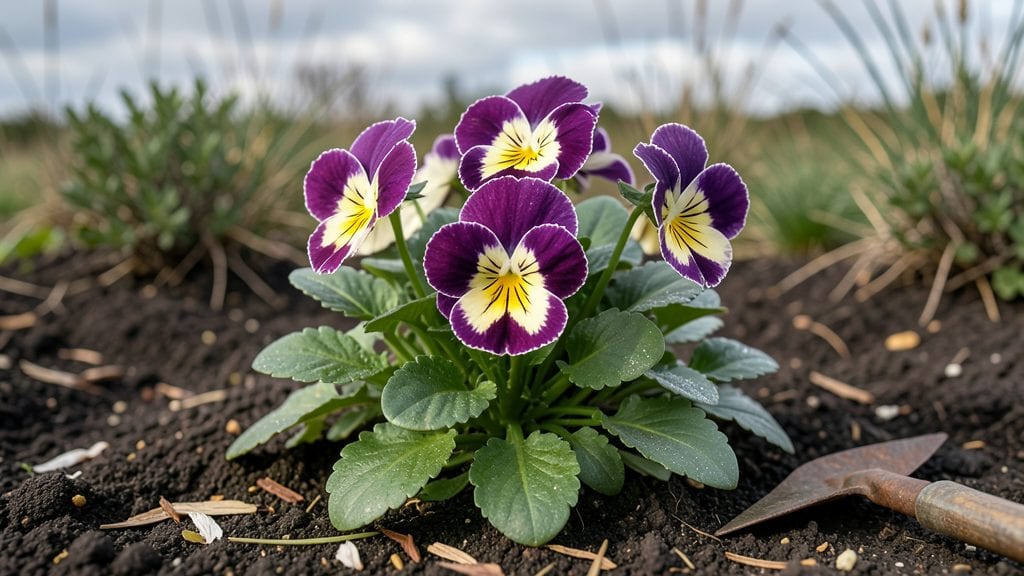
Taking care of pansy flowers means unlocking those cheerful faces in your garden from early spring through frost—they’re the only annual that thrives in cool weather and keeps blooming like a stubborn little optimist. 🌱 I’ve grown them for years, and the secret isn’t complicated: they just need consistent moisture, bright light without scorching heat, and a little protection when winter sneaks in early.
Most people overwater or let them bake in summer, which turns their vibrant blooms into sad, wilted shadows.
You’ll need well-draining soil (amend with compost if yours is heavy clay), a spot with 4-6 hours of sunlight daily, and a gentle hand with watering—pansies hate soggy roots but also dry spells.
A balanced 10-10-10 fertilizer every 4-6 weeks keeps them blooming, and deadheading spent flowers encourages nonstop production. The frost-resistant varieties like ‘Cool Wave’ or ‘Matrix’ will reward you with color even when your tomatoes are long gone.
By midsummer, you’ll have a carpet of blooms that outlasts most annuals, with colors ranging from deep purple to sunny yellow—perfect for cutting or letting pollinators feast.
The key is staying ahead of slugs (they adore pansies) and giving them a light mulch to protect roots when temperatures dip. Once you master their simple needs, they’ll bloom until the first hard freeze, then pop right back up in spring.
Whether you’re tucking them into window boxes, edging a path, or filling containers, pansies adapt to almost any spot—just avoid hot, dry areas. Here’s how to keep them thriving through every season without the guesswork.
📚 In This Guide
- What you need
- Instructions
- Tips and common mistakes
- Wrapping up and next steps
What you need
- ● Pansy plants – Choose healthy seedlings or transplants (6-12 plants per 10 sq ft for full coverage). Opt for Viola × wittrockiana varieties for best results!
- ● Well-draining potting soil – A high-quality, peat-based mix (e.g., Miracle-Gro Potting Mix) or garden soil amended with compost (1 part compost to 3 parts soil).
- ● Containers or garden bed – For containers: 6–12-inch pots with drainage holes (1–2 pansies per 6-inch pot).
- ● For garden beds: Full sun to partial shade (4–6 hours of sunlight daily).
- ● Balanced fertilizer – Slow-release granules (e.g., 10-10-10 NPK) or liquid fertilizer (e.g., Miracle-Gro All-Purpose).
- ● Mulch – Organic mulch (e.g., straw or shredded bark) to retain moisture and protect roots from frost (2–3 inches thick).
- ● Watering can or hose with a gentle spray nozzle – Avoid splashing soil onto leaves to prevent disease.
- ● Pruning shears – For trimming dead or yellowing leaves/flowers.
- ● Gloves – To protect your hands from soil and thorns (some pansy varieties have mild prickles!).
- ● Frost cloth or row covers – For extra protection in extreme cold (below 20°F/-7°C).
- ● pH test kit – To ensure soil pH is 6.0–7.0 (pansies prefer slightly acidic to neutral soil).
- ● Epsom salt – A magnesium boost (1 tbsp per gallon of water) if leaves show yellowing between veins.
Step-by-Step instructions for growing and maintaining pansy flowers
Pansies thrive with minimal fuss—here’s how to keep them blooming beautifully all season long.
🌱 Step 1: Plant in Well-Draining Soil with Partial Sun
Pansies love partial shade to morning sun, especially in hotter climates. Choose a spot that gets 4-6 hours of sunlight daily—too much afternoon sun wilts their delicate petals. Dig a hole twice as wide as the root ball but only as deep as the container they came in. This prevents burying the crown, which can cause rot.
Amend the soil with compost if it’s heavy clay or sandy—pansies hate soggy roots. Press the soil gently around the plant after setting it in the hole, then water deeply to settle everything. You’ll know it’s right when the soil surface looks slightly compressed but still loose enough to push a finger into easily.
💧 Step 2: Water Consistently Without Overdoing It
Water pansies when the top inch of soil feels dry—they’re drought-tolerant but won’t rebloom if stressed. In containers, check daily; in garden beds, every 2-3 days works. Water at the base in the morning to avoid fungal issues from damp foliage at night. You’ll see healthy plants with firm stems and vibrant petals that don’t droop by midday.
Never let them sit in saucers of water—pansies hate wet feet. If your pot has drainage holes, empty the saucer after 10 minutes to prevent root rot. Overwatering is the #1 killer of pansies, so when in doubt, wait an extra day before watering again.
☀️ Step 3: Fertilize Lightly for Continuous Blooms
Feed pansies every 2-3 weeks with a balanced, water-soluble fertilizer (10-10-10 or 20-20-20). Dilute it to half-strength to avoid burning their tender roots. You’ll notice a burst of new blooms within a week of fertilizing—this is their way of saying “thank you!” Stop fertilizing in late summer to encourage plants to toughen up for fall and winter.
Deadhead spent blooms regularly by pinching them off at the base. This redirects energy to new flowers instead of seed production. I use my fingernail to gently twist off faded blooms—no need for scissors. You’ll see fresh buds forming within 5-7 days if the plant is healthy.
✂️ Step 4: Protect from Harsh Weather and Pests
Pansies are frost-resistant but can get leggy in winter. If stems grow too tall, trim them back by one-third in early spring to encourage bushier growth. Use clean, sharp scissors and cut just above a leaf node. You’ll see new shoots emerging within 10-14 days—this is their natural way of rebounding.
Watch for aphids or slugs, which love pansy leaves. Spray infested areas with soapy water (1 tsp mild dish soap per gallon) or set out beer traps for slugs. Aphids will curl leaves, while slugs leave ragged holes. Act fast—once pests take hold, pansies wilt quickly. I check plants weekly after rain, when pests are most active.
🌿 Step 5: Overwinter for Year-Round Color
In cold climates, mulch around pansies with 2-3 inches of straw or shredded leaves after the first frost. This insulates roots without smothering the plants. In containers, move pots to a sheltered spot or wrap them in burlap. You’ll see them push through snow in early spring—it’s like magic.
Resist the urge to fertilize in winter. Pansies go semi-dormant and need minimal care. Just keep soil from freezing solid by adding a thin layer of mulch if temperatures drop below 20°F. With proper winter care, the same plants can bloom for 2-3 years, saving you money and effort.
Tips & tricks for perfect pansy care
These simple tricks will help your pansies thrive with minimal effort and maximum beauty all season long.
Sunlight Secret: In Step 1, when choosing that perfect spot, remember pansies can actually handle a bit more shade than many flowers. If your garden gets intense afternoon sun, especially in summer, consider placing them where they'll get morning sun and afternoon shade. This prevents those delicate petals from wilting while still giving them enough light to bloom beautifully. I've seen pansies in my own garden thrive in spots that would scorch tomatoes!
Soil Test Tip: Before amending your soil in Step 1, do a quick moisture test: Grab a handful of soil and squeeze it. If it forms a tight ball that doesn't crumble easily, you've got heavy clay soil that needs compost. If it falls apart completely, you've got sandy soil that also benefits from compost. The goal is that slightly compressed-but-still-loose texture mentioned in the instructions—the perfect balance for pansy roots.
Watering Watch: In Step 2, when checking that top inch of soil, use your finger to test moisture at different depths. Sometimes the top inch can feel dry while moisture lingers below, tricking you into overwatering. I like to check both the surface and about an inch deeper to get the full picture. And remember—those saucer drainage holes? Set a timer for exactly 10 minutes after watering to empty them. This prevents soggy roots while still keeping the soil moist.
Fertilizer Frequency: The 2-3 week feeding schedule in Step 3 works perfectly, but here's a pro trick: If you notice new blooms fading faster than usual, that's your cue to cut back to every 4 weeks. Over-fertilizing can actually stress pansies, leading to fewer blooms. And when you do fertilize, always dilute that water-soluble mix to half-strength—tender pansy roots can't handle concentrated fertilizer!
Pro Tips for Take Care Of Pansy Flowers
- These simple tricks will help your pansies thrive with minimal effort and maximum beauty all season long.
- Sunlight Secret: In Step 1, when choosing that perfect spot, remember pansies can actually handle a bit more shade than many flowers.
- Soil Test Tip: Before amending your soil in Step 1, do a quick moisture test: Grab a handful of soil and squeeze it.
Frequently asked questions
Got questions about keeping your pansies thriving?
Here are answers to some of the most common concerns—from frost survival to pest control—so you can enjoy their vibrant blooms all season long!
Can pansies survive frost, and how do I protect them in winter?
Yes! Pansies are one of the hardiest annuals, tolerating light frosts down to 20°F (-7°C). For heavy freezes (<15°F/-9°C), cover them with a lightweight frost cloth or mulch with straw. Avoid heavy blankets, which can smother plants. In spring, remove covers once temps rise above freezing to prevent rot.
How often should I water pansies, and do they need special soil?
Water pansies 1–2 times per week, keeping soil consistently moist but not soggy. They thrive in well-draining soil with a pH of 6.0–7.0. Amend heavy clay with compost or sand. Mulch (like shredded bark) helps retain moisture and regulate soil temp—perfect for their shallow roots!
What pests or diseases should I watch for, and how do I treat them?
Pansies are prone to aphids, slugs, and powdery mildew. For aphids, spray with neem oil or blast off with water. Slugs? Use beer traps or diatomaceous earth. Powdery mildew (white dust on leaves) thrives in humidity—space plants for airflow and treat with baking soda spray (1 tsp baking soda + 1 quart water + drop of soap).
Do I need to deadhead pansies, and how do I encourage more blooms?
Deadheading (removing spent blooms) promotes continuous flowering. Snip stems just above the first set of leaves with clean shears. For extra blooms, fertilize lightly every 4–6 weeks with a balanced 10-10-10 or fish emulsion (avoid high-nitrogen fertilizers—they boost leaves over flowers).
Can I grow pansies in containers, and what’s the best setup?
Pansies love containers with drainage holes. Use a 5–7 inch pot per plant (or cluster 3–4 in a larger container). Fill with potting mix + perlite for drainage. Place in partial shade (morning sun, afternoon shade) to prevent wilting. Rotate pots weekly for even growth!
Wrapping up and next steps
Caring for pansies is a rewarding journey that brings vibrant color to your garden—even through chilly seasons! 🌸 With the right balance of sunlight, water, and soil prep, these frost-resistant beauties will thrive year-round. Remember, regular checks for pests, deadheading, and winter protection are key to keeping them flourishing.
Now that you’re armed with expert tips, roll up your sleeves and give your pansies the love they deserve! Start by picking a spot in your garden or containers and watch them bloom into a stunning display. Happy gardening! 🌱