
Flowers
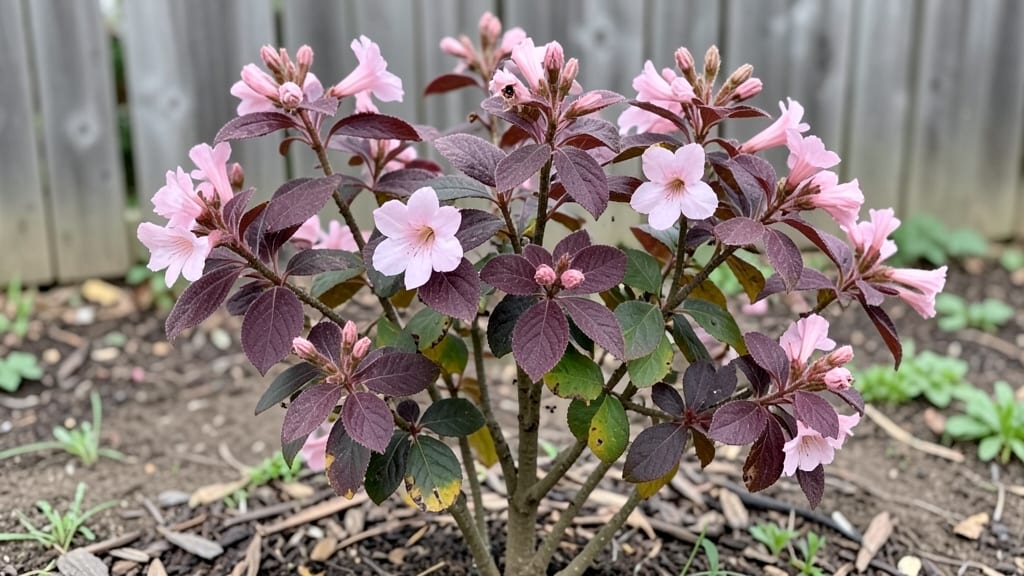
Your garden just found its year-round color champion—plants with bush purple leaves and pink flowers that steal the show from spring through winter. 🌿 I’ve been hunting for these showstoppers for years, and the right ones transform any space from ordinary to extraordinary with minimal effort.
The secret lies in pairing bold foliage with soft blooms, creating a look that’s both dramatic and inviting.
Start with Weigela or Abelia, two standouts that deliver deep purple leaves and clusters of pink flowers from early spring until frost. They thrive in full sun to partial shade, making them perfect for borders, containers, or as a focal point near patios.
For a lower-growing option, Heuchera (coral bells) adds texture and color with its purple leaves, while Dianthus brings delicate pink blooms that last all summer.
You’ll end up with a garden that feels lush and intentional, even in winter when many plants fade. The purple leaves provide a rich backdrop that makes pink flowers pop, while the plant’s natural shape adds structure.
These varieties also attract pollinators, so you’ll get extra benefits from your stunning display. Ready to design a border that turns heads all year?
Works beautifully in containers for patios, as a mixed border for structure, or as a focal point near seating areas. The key is balancing heights and textures—pair taller Weigela with shorter Heuchera for visual interest. Let’s get planting!
📚 In This Guide
- What you need
- Instructions
- Tips and common mistakes
- Wrapping up and next steps
What you need
- ● Plant: A Callistemon (e.g., Callistemon viminalis 'Little John' or Callistemon citrinus 'Splendens') or Lagerstroemia (e.g., Lagerstroemia indica 'Tuscarora') bush. Check local nurseries or online plant shops for availability.
- ● Pot or Garden Space: For potted plants: 1–2 15–20 gallon containers with drainage holes (terracotta or fabric pots work best).
- ● For in-ground planting: A sunny, well-draining spot (6+ hours of sunlight daily) with loose, slightly acidic soil (pH 5.5–6.5).
- ● Soil Mix: Potted plants: 1 bag high-quality potting mix (e.g., Miracle-Gro Moisture Control) + 1 part perlite or sand for drainage.
- ● In-ground: Amend native soil with 2–3 inches of compost or peat moss to improve texture.
- ● Fertilizer: Balanced, slow-release granular fertilizer (e.g., 10-10-10 or 20-20-20) or liquid bloom booster (like Fox Farm Big Bloom). Follow label instructions for dosage!
- ● Watering Tools: 1 watering can with a rose attachment (for gentle watering).
- ● 1 hose with adjustable nozzle (for in-ground plants).
- ● Pruning Tools: 1 pair bypass pruners (for clean cuts).
- ● 1 hand pruner or loppers (for thicker stems).
- ● Mulch: 2–3 inches of pine bark or wood chips to retain moisture and suppress weeds.
- ● Plant Support: 1 small stake or cage (if your bush is top-heavy or prone to wind).
- ● Epsom Salt: 1–2 tablespoons dissolved in water monthly for extra pink flower intensity (magnesium boost!).
- ● Garden Gloves: A pair to protect your hands during pruning or soil prep.
- ● Plant Food Spikes: Slow-release spikes for seasonal feeding (spring and summer).
How to grow and care for bushes with purple leaves and pink flowers
Here's my go-to approach for cultivating these vibrant, low-maintenance shrubs that deliver year-round color.
🌱 Step 1: Select the Right Variety and Planting Site
Start with a proven performer like Callistemon (bottlebrush) or Weigela florida (pink flowering weigela), both known for their striking purple foliage and abundant pink blooms. These thrive in USDA zones 5-9, so check your climate zone before purchasing. I always plant mine in full sun—at least 6-8 hours of direct sunlight daily—to ensure vibrant foliage and prolific flowers.
Choose a location with well-draining soil. If your soil is heavy clay, amend it with 2-3 inches of compost mixed into the top 12 inches of soil. These shrubs hate soggy roots, so avoid low spots where water pools after rain. I dig a hole twice as wide as the root ball but only as deep—planting too deep buries the stem and invites rot.
☀️ Step 2: Plant and Establish for Strong Growth
Remove the shrub from its container and loosen the roots gently if they're circling. Place it in the hole so the top of the root ball sits 1 inch below soil level—this prevents stem rot while allowing for settling. Backfill with native soil mixed with 1 cup of slow-release granular fertilizer (10-10-10 ratio) to kickstart growth.
Water deeply right after planting to eliminate air pockets, then mulch with 2-3 inches of shredded bark around the base (keep mulch 3 inches away from the stem). This conserves moisture and regulates soil temperature. You'll see new growth within 3-4 weeks if conditions are right—watch for bright green flushes between the purple leaves as a sign of vigorous establishment.
💧 Step 3: Water and Fertilize for Year-Round Color
Water once a week during the first growing season, providing 1-1.5 gallons per plant each time. After establishment, these shrubs are drought-tolerant but still need deep watering every 10-14 days in dry spells. I check soil moisture by sticking my finger 2 inches down—if it feels dry, it's time to water. Overwatering causes yellowing leaves and root rot, so always let the top 1-2 inches of soil dry out between waterings.
Feed plants in early spring with ½ cup of balanced fertilizer (10-10-10) spread over the root zone. In late summer, switch to a low-nitrogen, high-phosphorus fertilizer (5-10-10) to encourage fall blooming. Prune back one-third of the oldest stems after flowering to promote bushier growth and more vibrant foliage next season.
✂️ Step 4: Prune and Maintain for Longevity
Prune late winter or early spring before new growth appears. Remove dead, diseased, or crossing branches first, then cut back any leggy growth to just above a leaf bud. I shape mine into a rounded form for fuller coverage—this encourages dense foliage and more flower buds. Never prune after mid-summer, as new growth won't harden off before winter.
Watch for aphids or spider mites on new growth—these pests drain plants and dull leaf color. Spray infested areas with neem oil or introduce ladybugs for natural control. In fall, apply a 2-inch layer of mulch to insulate roots and protect against freezing temperatures. With proper care, these shrubs reward you with pink blooms from spring to fall and purple foliage year-round.
Tips & tricks for perfect purple-leaved pink-flowering bushes
These simple secrets will help you coax out the most vibrant purple foliage and abundant pink blooms from your shrubs.
Sunlight Secret: While 6-8 hours of sunlight is ideal, I've found that morning sun (east-facing) plus afternoon shade (west-facing) actually protects the purple leaves from fading in hot climates. If your shrubs aren't getting enough light, you'll notice the purple tones turning green—this is your plant's way of telling you it needs more sun.
Soil Prep Strategy: The 2-3 inches of compost I mentioned isn't just for clay soil—it's a game-changer for any heavy or compacted soil. I mix in an extra handful of perlite or coarse sand to improve drainage, especially important since these shrubs can't handle soggy roots. This simple amendment prevents that dreaded yellowing you see when roots get waterlogged.
Watering Wisdom: Those 1-1.5 gallons per watering during the first year might seem like a lot, but it's crucial for establishing strong roots. I water at the base rather than overhead to prevent fungal issues, and always water in the morning so leaves have time to dry before evening. This helps maintain that gorgeous purple color instead of dulling it.
Fertilizer Timing: The early spring feeding with ½ cup of 10-10-10 fertilizer is non-negotiable for vibrant blooms, but I also add a handful of bone meal (about ¼ cup) at planting time for extra phosphorus—this gives the roots a phosphorus boost right from the start. The late summer switch to 5-10-10 is what triggers those fall blooms, so don't skip it!
Pro Tips for Bush Purple Leaves Pink Flowers
- These simple secrets will help you coax out the most vibrant purple foliage and abundant pink blooms from your shrubs.
- Sunlight Secret: While 6-8 hours of sunlight is ideal, I've found that morning sun (east-facing) plus afternoon shade (west-facing) actually protects the purple leaves from fading in hot climates.
- Soil Prep Strategy: The 2-3 inches of compost I mentioned isn't just for clay soil—it's a game-changer for any heavy or compacted soil.
Frequently asked questions
What’s the best time to plant purple-leafed bushes with pink flowers?
Plant these stunning bushes in early spring or fall when temperatures are mild (50–70°F). Avoid extreme heat or frost, as young roots are sensitive. Spring planting gives them time to establish before summer, while fall allows them to root before winter dormancy. Pro tip: Water deeply after planting to reduce transplant shock!
How often should I water my purple-leafed pink-flowering bush?
Water 1–2 times per week, depending on your climate. Newly planted bushes need deep watering (1–1.5 inches) to encourage root growth. Once established, they’re drought-tolerant but thrive with consistent moisture. Watch for: Wilting leaves (underwatering) or yellowing (overwatering). Mulch around the base to retain moisture!
Why aren’t my pink flowers blooming as much as expected?
Pink flowers may decline due to over-fertilizing (too much nitrogen), poor sunlight (they need 6+ hours of sun), or stress (like pests or disease). Prune spent blooms to encourage new growth, and feed with a balanced fertilizer (10-10-10) in early spring. Bonus: Deadheading also keeps foliage vibrant!
What pests or diseases should I watch for with these bushes?
Common issues include:
- Aphids or spider mites: Spray with water or use neem oil.
- Powdery mildew: Improve airflow and avoid overhead watering.
- Leaf spot: Remove infected leaves and apply fungicide if needed.
Are there any low-maintenance alternatives with similar color?
Yes! If you want purple foliage + pink blooms with less upkeep, try:
- Abelia ‘Kaleidoscope’: Drought-tolerant, semi-evergreen, and blooms spring to fall.
- Weigela ‘Wine & Roses’: Cold-hardy with deep purple leaves and pink flowers.
- Dwarf Fothergilla ‘Mount Airy’: Fragrant blooms and fiery fall color.
Wrapping up and next steps
Transforming your garden into a vibrant haven with bush purple leaves pink flowers is easier than you think! These stunning plants bring year-round color, effortless beauty, and low-maintenance charm to any outdoor space. Whether you’re a seasoned gardener or just starting, this plant is your ticket to a showstopping landscape.
Ready to get growing? Start by choosing your favorite variety—then grab your gloves and dig in! Plant one today, and watch your garden bloom with purple magic in no time. 🌸✨