
Flowers
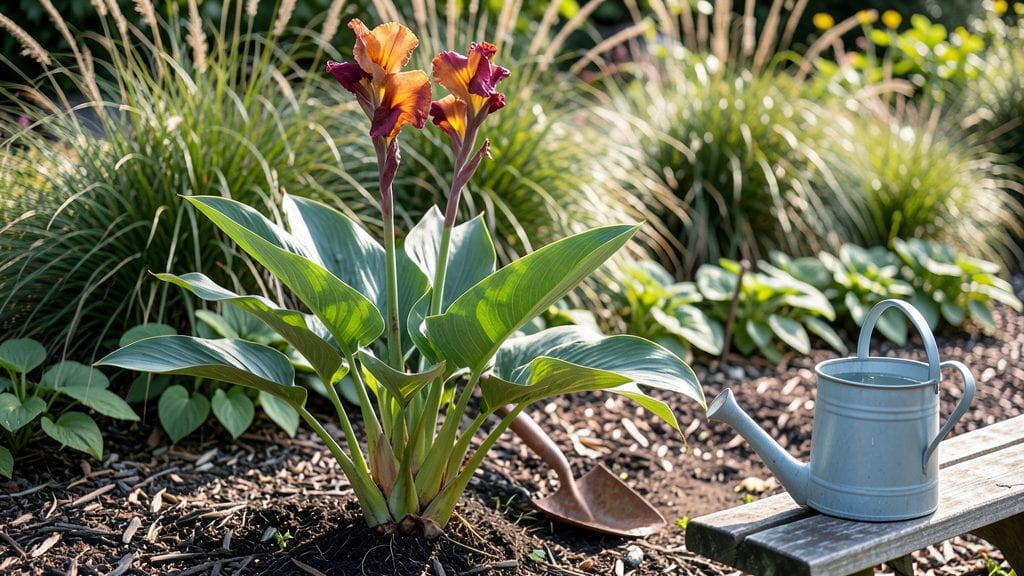
Mastering canna lily flower care transforms your garden into a summer paradise of vibrant, tropical blooms—so lush you’ll swear you’re on vacation in every pot. 🌿 I’ve grown them for years, and the secret to their year-round thriving isn’t complicated—just a few key habits that keep them happy from spring to frost.
The biggest mistake? Overwatering or letting them bake in full sun all day. These plants are forgiving but not lazy; they reward consistency with foot-high stalks of vibrant red, yellow, or pink flowers that last for weeks.
You’ll need a sunny spot with at least 6 hours of light, rich soil that drains well (think compost mixed with garden soil), and a watering routine that keeps the roots moist but not soggy.
Fertilize lightly every 4-6 weeks with a balanced formula, and don’t skimp on mulch—it keeps roots cool and conserves moisture. Pruning dead leaves in early spring jumpstarts growth, and by midsummer, you’ll have blooms that outshine anything from a nursery. The effort? Minimal.
The payoff? Stunning, low-maintenance drama that lasts all season.
Winter care is where most people trip up, but canna lilies are tougher than they look. In colder zones, dig up tubers after frost, store them in dry peat moss, and replant when soil warms to 60°F.
Even in mild climates, a thick layer of mulch keeps them dormant but alive. Pests like aphids or spider mites are rare, but a blast of water usually clears them up before they cause trouble.
With these simple steps, your cannas will bounce back bigger and better every year—no green thumb required.
Here’s the best part: these plants thrive in containers, along ponds, or tucked into garden beds where nothing else grows. Whether you’re a beginner or a seasoned gardener, cannas deliver bold color with almost no fuss. Let’s get yours growing like a pro—your summer garden will thank you.
📚 In This Guide
- What you need
- Instructions
- Tips and common mistakes
- Wrapping up and next steps
What you need
- ● Canna Lily Tubers: 3–5 healthy, firm tubers (size varies by variety; aim for 2–4 inches in diameter).
- ● Well-Draining Potting Mix: 1 bag (5–10 gallons) of high-quality, organic potting soil blended with 20–30% perlite or coarse sand for aeration.
- ● Containers (if not planting in-ground): 1–2 large pots (12–18 inches deep) with drainage holes, or
- ● A raised garden bed (minimum 12 inches deep).
- ● Fertilizer: Balanced 10-10-10 granular fertilizer (1–2 cups per season), or
- ● Slow-release osmocote (5–10 lbs for in-ground planting).
- ● Mulch: 2–3 inches of organic mulch (straw, shredded bark, or pine needles) to retain moisture.
- ● Garden Trowel or Shovel (for planting/dividing tubers).
- ● Pruning Shears (to trim dead foliage or spent blooms).
- ● Watering Can or Hose with Adjustable Nozzle (for deep, even watering).
- ○ Gloves (optional but recommended—tubers can be prickly!).
- ● Sunlight Spot: Full sun (6+ hours/day) or partial shade (4–6 hours) in hot climates.
- ● Water Source: Consistent access to water (canna lilies love moisture!).
- ● Epsom Salt (1 tbsp/month in water for magnesium boost).
- ● Compost Tea (monthly foliar spray for extra nutrients).
- ● Stakes or Trellis (if your variety grows tall—up to 6 feet!).
- ● Thermometer (to monitor soil temps if growing in cooler zones).
Step-by-step instructions for canna lily flower care
Here's how I keep my canna lilies blooming boldly with just a few simple routines.
🌱 Step 1: Plant in Well-Draining Soil with Full Sun Exposure
Canna lilies thrive in rich, well-draining soil with plenty of organic matter. I always mix in 2-3 inches of compost when planting to give them a nutrient boost for their first season. Choose a location that gets 6-8 hours of direct sunlight—they'll reward you with bigger, brighter blooms when they get enough light.
Dig a hole twice as wide as the root ball but only as deep as the container it came in. This prevents the tubers from sitting too deep, which can cause rot. Gently loosen the roots if they're tightly packed before placing them in the hole. Water thoroughly right after planting to help settle the soil around the tubers.
☀️ Step 2: Water Deeply and Consistently
Once planted, keep the soil evenly moist but not soggy. Canna lilies love water but hate wet feet. I water deeply 2-3 times per week during the growing season, aiming for 1-2 inches of water per week. You'll know you're doing it right when the top 1-2 inches of soil feel damp but not waterlogged.
During hot spells, you might need to water daily—just check the soil with your finger. If it's dry by the time you reach 1 inch down, it's time to water again. Mulching with 2-3 inches of organic mulch helps retain moisture and keeps roots cool.
✂️ Step 3: Fertilize Monthly for Vibrant Blooms
Feed your canna lilies with a balanced, water-soluble fertilizer (like 10-10-10) every 4-6 weeks during the growing season. I start fertilizing when new growth appears in spring and stop after the first frost. Always dilute the fertilizer to half-strength to avoid burning the roots.
You'll notice the difference in just a few weeks—healthier foliage and more abundant blooms. If you see yellowing leaves, it might be a sign of over-fertilizing. Cut back on feeding and focus on watering deeply instead.
🪴 Step 4: Divide and Overwinter Tubers Properly
Every 3-4 years, canna lilies need dividing to prevent overcrowding. In early spring or fall, dig up the tubers, gently separate them with your hands, and replant the largest, healthiest ones. Store the extras in a cool, dry place until you're ready to replant them next season.
For winter care, cut back the foliage to 2-3 inches above the ground after the first frost. Leave the tubers in the ground if your winters are mild, or dig them up and store them in a cool, dark place with 40-50°F temperatures and 50-60% humidity in a container of dry peat moss or vermiculite.
🌿 Step 5: Deadhead and Monitor for Pests
Remove spent blooms regularly to encourage more flowers. Simply pinch or cut off the faded flowers with clean pruners. This also helps keep the plant looking tidy and prevents seed production, which can drain energy from the plant.
Keep an eye out for common pests like aphids or spider mites. If you spot any, treat them with a strong spray of water or an insecticidal soap. Healthy canna lilies are less prone to pests, so proper care goes a long way in keeping them thriving.
Tips & tricks for perfect canna lily flower care
Here's what nobody tells you about keeping canna lilies thriving with minimal fuss.
Sunlight Secret: Those 6-8 hours of sunlight are non-negotiable for vibrant blooms. If your garden gets less, consider a sunny windowsill or grow lights during winter months. I've seen cannas in partial shade still produce flowers, but they'll be smaller and less frequent. Position your plants where they get morning sun and afternoon shade if you're in a hot climate—this prevents leaf scorch while still giving them enough light.
Watering Wisdom: The 2-3 times per week guideline works for average conditions, but your watering needs might change. Test soil moisture by sticking your finger 1-2 inches down—if it's dry, water thoroughly until it runs out the bottom of the pot. In containers, you'll need to water more frequently than in-ground plants. And here's the thing: cannas hate soggy roots, so always ensure proper drainage whether you're planting in soil or pots.
Fertilizer Timing: That 4-6 week feeding schedule gives your cannas just the right nutrients without overdoing it. I like to fertilize right after watering to prevent root burn. If you notice yellowing leaves between feedings, it's a sign you're overdoing it—cut back immediately and focus on deep watering instead. For organic gardeners, fish emulsion works wonderfully as a substitute for synthetic fertilizers, giving you that same balanced boost.
Winter Prep Strategy: When cutting back foliage to 2-3 inches, don't be tempted to cut too low—you want to leave enough growth to protect the emerging shoots in spring. For overwintering tubers, I use a mix of peat moss and perlite (50/50) in a sealed container. This keeps the humidity stable while preventing rot. Place the container in your garage or basement where temperatures stay between 40-50°F—consistency is key here.
Pro Tips for Canna Lily Flower Care
- Here's what nobody tells you about keeping canna lilies thriving with minimal fuss.
- Sunlight Secret: Those 6-8 hours of sunlight are non-negotiable for vibrant blooms.
- Watering Wisdom: The 2-3 times per week guideline works for average conditions, but your watering needs might change.
Frequently asked questions
about canna lily flower care—because even the easiest plants have their quirks! Here’s what gardeners ask most often, answered in a flash.How often should I water my canna lilies?
Water your canna lilies consistently—they love moisture but hate soggy roots. Aim for 1-2 inches of water per week, either from rainfall or manual watering. During hot summers, check soil daily; if the top inch feels dry, it’s time to water. Mulching helps retain moisture and keeps roots cool. Pro tip: Water in the morning to reduce fungal risks.
When is the best time to plant canna lilies?
Plant canna lilies after the last frost in spring (USDA zones 8-11) when soil temps hit at least 60°F (15°C). In cooler zones, start them indoors 8-10 weeks before the last frost or wait until summer for container growing. Never plant in freezing soil—they’re tropical divas! For overwintering, dig up tubers in fall and store them dry.
Why aren’t my canna lilies blooming?
Blooms fade when plants lack sunlight, nutrients, or proper care. Ensure they get full sun (6+ hours daily) and feed with a balanced fertilizer (10-10-10) every 4-6 weeks during growing season. Overcrowded tubers or poor drainage can also stunt blooms. Try this: Divide tubers every 2-3 years to refresh growth.
Can I grow canna lilies in containers?
Containers are perfect for canna lilies, especially in cooler climates. Use a large pot (12+ inches deep) with drainage holes and well-draining soil. Add compost for nutrients, and place in full sun. In winter, move pots indoors or protect them with frost cloth. Bonus: Container growing makes them mobile—follow the sun!
What pests or diseases should I watch for?
Canna lilies are tough but can attract aphids, slugs, or fungal issues like leaf spot. Prevent pests with neem oil or diatomaceous earth. For fungal problems, improve airflow and avoid overhead watering. Yellow leaves? Check for overwatering or nutrient deficiency—adjust care and monitor.
| Quick Fixes | Problem |
|---|---|
| Trim dead leaves | Fungal spots |
| Reduce watering | Yellowing leaves |
| Add compost | Poor blooms |
Wrapping up and next steps
Caring for canna lilies is all about embracing their bold beauty with just a little patience and consistency! 🌿 With the right soil, sunlight, and occasional TLC, these tropical stars will reward you with vibrant blooms season after season.
Whether you’re a seasoned gardener or a beginner, their forgiving nature makes them the perfect low-maintenance addition to your garden.
Ready to watch your canna lilies thrive? Start by planting your first batch this spring—or if you’re feeling adventurous, try growing them in containers for a pop of color on patios and balconies. The key is to observe, adjust, and enjoy the process. Happy gardening! 🌸