
Flowers
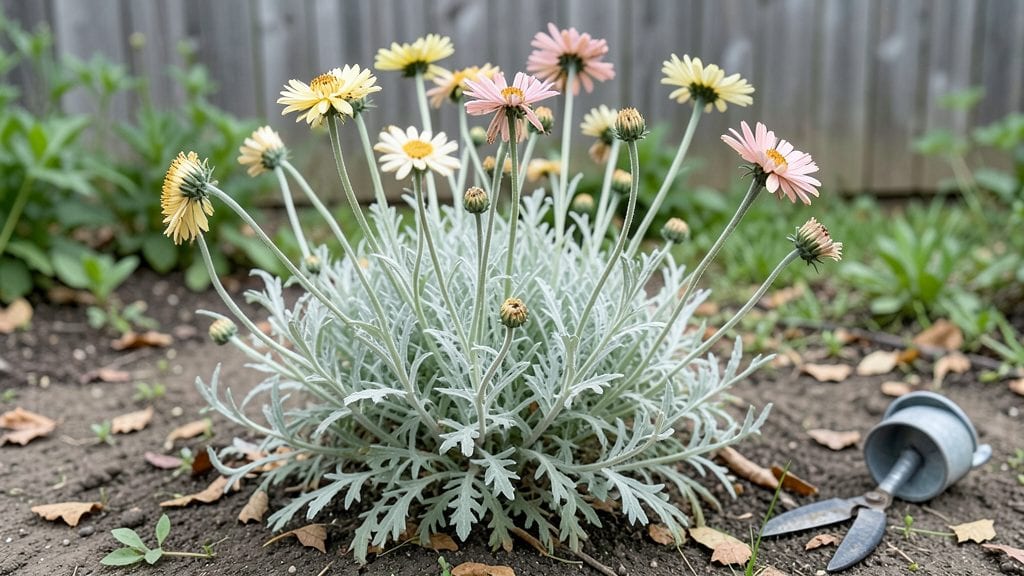
Straw flowers (Helichrysum spp.) bring that shockingly lush golden-yellow charm to gardens and vases, but their care isn’t as fussy as you’d think. 🌻 I’ve kept mine thriving for years with just three pruning tricks—no fancy tools or complicated schedules.
The real secret? Understanding their dry-loving nature and when to give them a little trim.
These hardy perennials love bright, indirect sunlight and well-draining soil, whether in pots or garden beds. Water only when the top inch of soil feels dry—overwatering is their #1 enemy. That said, they’re drought-tolerant once established, making them perfect for low-maintenance gardeners or forgetful plant parents.
With the right pruning, you’ll get vibrant blooms for months, even indoors. Snip spent flowers to encourage new growth, shape them lightly in spring, and cut back leggy stems in fall. The result? A plant that looks fresh year-round, whether in your garden or a bouquet that lasts.
Works for both outdoor borders and indoor decor—just adjust light and water based on your space. Here’s how to keep them looking their best, no matter where they live.
📚 In This Guide
- What you need
- Instructions
- Tips and common mistakes
- Wrapping up and next steps
What you need
- ● Straw flowers (Helichrysum spp.) – Choose healthy, mature plants with vibrant blooms (1-3 plants, depending on desired size).
- ● Pruning shears or sharp scissors – Must be clean and sterilized (rubbing alcohol works great!).
- ○ Gloves (optional but recommended) – Protects hands from thorns and dust while pruning.
- ● Watering can or spray bottle – For post-pruning hydration (straw flowers prefer light watering).
- ● Damp cloth or paper towels – To gently wipe dust off petals before arranging or displaying.
- ● Drying rack or clean, dry surface – If preserving flowers long-term (e.g., hanging to dry upside down).
- ● Floral preservative spray – Extends vase life if displaying cut stems.
- ● Small vase or container – For temporary water arrangements (change water every 2-3 days).
- ● Soft-bristle brush – For delicate cleaning of petals without damaging them.
- ● Plant food or mild fertilizer (low-nitrogen) – Occasionally boosts health during growing seasons.
- ● Twine or floral wire – Useful for crafting or securing stems during drying.
Step-by-Step instructions for pruning and maintaining straw flowers
Here's how I keep my straw flowers thriving for months—no green thumb required.
✂️ Step 1: Deadhead Regularly to Encourage New Blooms
Straw flowers (Helichrysum) reward consistent deadheading with fresh blooms. Grab your pruning shears and snip spent flower heads at the base where the stem meets the foliage. I like to do this every 2-3 weeks during the growing season—you'll notice new buds forming within 10-14 days.
Don't cut too far down the stem—leave at least 1 inch of healthy growth above the next set of leaves. This prevents damage to the plant's energy reserves. If you see any wilted or yellowing leaves during this process, trim those off too—they're just sapping resources.
🌿 Step 2: Prune for Shape and Airflow After Flowering
Once the main flowering cycle slows (usually in late summer), give your straw flowers a light structural pruning. Cut back 1/3 of the plant's height to encourage bushier growth. I focus on opening up the center where stems get crowded—this improves airflow and reduces fungal risks.
Use sharp, clean shears to make cuts at a 45-degree angle just above a leaf node. You'll see new shoots emerge from these nodes within 3-4 weeks. Avoid heavy pruning in fall—this is when straw flowers build energy for next season's blooms.
⏰ Step 3: Winter Pruning to Prepare for Spring Growth
In late winter (around February in most climates), give your straw flowers a final prune before new growth begins. Cut back all stems to 2-3 inches above the base. This might look drastic, but trust me—it prevents leggy growth and encourages strong new shoots.
Remove any dead or damaged stems completely. You'll notice fresh green growth appearing within 4-6 weeks as temperatures rise. Water sparingly during this period—straw flowers are drought-tolerant, but they need moisture to establish new roots after pruning.
☀️ Step 4: Maintain Year-Round with Seasonal Adjustments
Straw flowers are perennials in warm climates and can be overwintered indoors in cooler zones. If bringing them inside, trim back by half before moving to a bright, cool spot (50-60°F). Reduce watering to every 2-3 weeks until spring.
Outdoor plants need minimal care beyond seasonal pruning. Watch for pale leaves or slow growth—these are signs of overwatering or nutrient deficiency. A light application of balanced fertilizer in early spring keeps them vibrant without excessive leaf growth at the expense of flowers.
Tips & tricks for perfect straw flower care
Keeping your straw flowers thriving year-round takes just a few strategic pruning tricks that make all the difference.
Tool Selection Matters: Invest in sharp, clean pruning shears designed for delicate stems—dull blades crush tissue and invite disease. I sterilize mine with rubbing alcohol between cuts to prevent bacterial spread. For large plants, bypass pruners with a 45-degree cutting angle work beautifully for Step 2's structural pruning.
Seasonal Timing Secret: The 2-3 week deadheading schedule in Step 1 creates a feedback loop—new buds appear within 10-14 days because you're removing spent blooms when they're just past their prime. In late summer, that 1/3 height reduction in Step 2 isn't about quantity but quality: opening the center prevents fungal issues by improving airflow through the plant's structure.
Winter Preparation Insight: That February pruning in Step 3 might seem drastic, but cutting to 2-3 inches above the base forces the plant to focus energy on developing strong new shoots rather than maintaining weak stems. The 4-6 week regrowth window gives you a head start on spring's growing season when days lengthen naturally.
Indoor Transition Strategy: When overwintering indoors, that 50-60°F temperature range is critical—too warm and you'll get leggy growth, too cool and growth stalls. Place your plants near an east-facing window where they'll get gentle morning light without harsh afternoon sun that can scorch delicate new growth.
Pro Tips for Care Of Straw Flowers
- Keeping your straw flowers thriving year-round takes just a few strategic pruning tricks that make all the difference.
- Tool Selection Matters: Invest in sharp, clean pruning shears designed for delicate stems—dull blades crush tissue and invite disease.
- Seasonal Timing Secret: The 2-3 week deadheading schedule in Step 1 creates a feedback loop—new buds appear within 10-14 days because you're removing spent blooms when they're just past their prime.
Frequently asked questions
Got questions about keeping your straw flowers fresh and fabulous? You’re not alone! Here are answers to the most common queries—because even faux blooms deserve some TLC.
How long do straw flowers last?
With proper care, straw flowers can last years! Indoors, they thrive for 1–3 years in dry, low-humidity spaces like closets or shelves. Outdoors, they’re nearly indestructible—resisting rain, sun, and even snow. Just avoid direct sunlight for extended periods to prevent fading.
Can straw flowers get wet?
Yes, but with caution. Straw flowers are water-resistant, but prolonged soaking can weaken their structure. For outdoor displays, give them a quick shake after rain to remove excess moisture. If storing wet flowers, dry them thoroughly in a shaded area before bringing them inside.
How do I clean straw flowers?
Dust is their worst enemy! Use a soft-bristle brush or compressed air to gently remove debris. For deeper cleaning, dip them in lukewarm, soapy water (no bleach!), rinse well, and air-dry in a well-ventilated area. Avoid harsh chemicals—they can degrade the straw over time.
Why are my straw flowers losing color?
Fading usually means too much sun or UV exposure. Move them to a shaded spot or indoors if colors dull. If they’re already faded, a quick fix is to lightly spray them with hairspray (clear, alcohol-free) to revive vibrancy temporarily.
Are there eco-friendly alternatives to straw flowers?
Try dried flowers (like lavender or baby’s breath) for a natural look, or opt for recycled paper flowers made from upcycled materials. Both are sustainable and just as versatile for crafts or decor. Just note: dried flowers lack straw’s durability.
Wrapping up and next steps
Caring for straw flowers is simpler than you think—just a little love and the right tricks keep them vibrant all year! With three easy pruning steps, you can preserve their charm, extend their lifespan, and even refresh their color.
Whether you’re a seasoned gardener or a newbie, these tips make maintenance a breeze.
Ready to give your straw flowers the TLC they deserve? Grab your tools and start pruning today! Your blooms will thank you with long-lasting beauty that brightens any space. 🌸✨