
Flowers
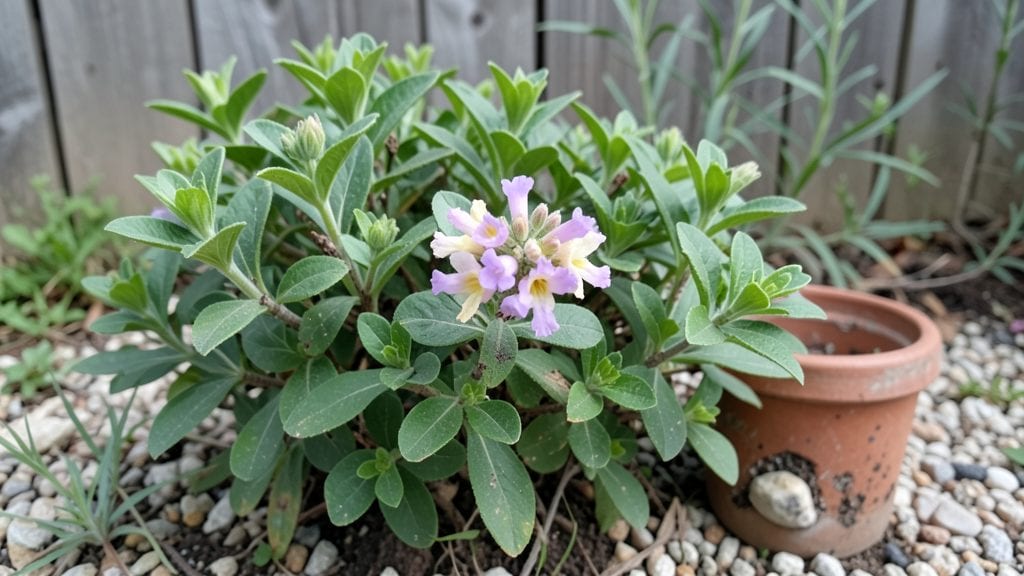
Flowers around the house don’t just brighten spaces—they create a living connection between indoors and out, especially when chosen for Pacific Northwest resilience. 🌸 I’ve turned my front porch into a year-round floral display using hardy varieties like hellebores, camellias, and ornamental grasses that shrug off rain and cool summers.
The key isn’t just picking pretty plants—it’s matching them to microclimates, whether that’s a sunny window box or a shady corner by the door.
You’ll need just a few basics: containers with drainage, weather-resistant planters, and a mix of evergreen and seasonal bloomers to keep color flowing. My go-to setup includes 12-inch pots for focal flowers, window boxes for herbs and trailing petunias, and vertical planters on the fence to maximize small-space impact.
The best part? Most of these plants thrive with minimal fuss—think "plant and forget" varieties that still look intentional.
What you’ll end up with is a home that feels like a garden in every season. Imagine fresh-cut roses from your porch planter in June, fragrant winter daphne in February, and lush ferns filling the gaps year-round.
The arrangement ideas are endless—mix textures with grasses and blooms, add solar lights for evening charm, or line your walkway with fragrant lavender for a sensory experience at every step.
This approach works for apartments, cottages, or sprawling yards—just adjust the scale. Start small with one container, then expand as you discover what thrives in your particular corner of the PNW. The secret? Let the plants lead, and the beauty will follow naturally.
📚 In This Guide
- What you need
- Instructions
- Tips and common mistakes
- Wrapping up and next steps
What you need
- ● Flowering plants: Choose Pacific Northwest natives or resilient varieties like: 1–3 Heuchera (Coral Bells) – 6–12" pots
- ● 1–2 Rhododendrons – 1-gallon containers
- ● 3–5 Sedum (Stonecrop) – 4" pots
- ● 1 Fuchsia – Hanging basket (10–12" diameter)
- ● 1–2 Salal (Gaultheria shallon) – 1-gallon pots
- ● Containers: 3–5 terracotta or ceramic pots (8–12" diameter) – with drainage holes
- ● 1 hanging planter (for fuchsias or trailing plants)
- ○ 1 window box or long planter (12–18" length) – optional for cascading displays
- ● Soil: 1 5-gallon bag of well-draining potting mix (look for peat-free or cactus/succulent blend)
- ○ 1 small bag of perlite or orchid bark (for aeration – optional but recommended)
- ● Basic tools: 1 trowel or small hand shovel
- ● 1 pair of gardening gloves
- ● 1 spray bottle (for misting delicate flowers)
- ● 1 measuring cup (for soil amendments)
- ○ Decorative touches (optional but fun!): 1–2 solar-powered garden lights (for evening ambiance)
- ● 1 small pebble tray (to catch water runoff)
- ● 1 spray paint (to customize pots – non-toxic, weather-resistant)
- ● A sunlight assessment of your space (most PNW flowers thrive in partial shade to full sun)
- ● Access to water (a self-watering planter is a great investment for busy schedules!)
- ● Basic knowledge of plant care (or willingness to learn—we’ve got tips coming up!)
Instructions for designing a year-round flower display
Here’s how I create a resilient, ever-changing floral display that thrives in Pacific Northwest conditions.
🌿 Step 1: Plan for Seasonal Layers and Climates
Start by dividing your space into four seasonal zones—spring, summer, fall, and winter—and select plants that naturally bridge these transitions. For the PNW’s mild but wet winters, focus on evergreens like heather, winter jasmine, and hellebores for structure, then layer in spring bulbs (daffodils, crocuses) and late-season bloomers (sedum, asters). I sketch a rough layout, marking sun exposure (most spots get partial shade to full sun) and moisture levels—PNW soil stays damp, so prioritize well-draining beds or raised planters.
Group plants by height: tall perennials (delphiniums, foxgloves) at the back, mid-height shrubs (hydrangeas, abelia) in the middle, and spillers (ajuga, creeping thyme) at the front. This creates depth year-round. For example, a winter-blooming camellia behind a spring-blooming bleeding heart ensures no bare patches. Test your soil’s pH—PNW soil often leans acidic, so amend with sulfur or peat moss if needed for acid-loving plants.
☀️ Step 2: Install Drainage and Mulch for Resilience
Dig a 6-inch deep trench around the perimeter of your bed and fill it with gravel or broken pottery shards to improve drainage—critical in the PNW’s rainy winters. Next, mix 3 inches of compost into the top 12 inches of native soil to boost organic matter. I use a broadfork to loosen compacted layers without disturbing roots, then top with 4 inches of mulch (cedar bark or shredded leaves) to suppress weeds and retain moisture.
Leave a 2-inch gap between mulch and plant stems to prevent rot. For containers, ensure pots have drainage holes and elevate them on feet or saucers to avoid waterlogging. In the PNW, container plants (like pansies or petunias) need extra protection—wrap pots in burlap during heavy rains to insulate roots. Water deeply once a week (or more in summer) until soil feels moist 2 inches down—overwatering is just as harmful as drought.
🌱 Step 3: Plant for Overlapping Blooms and Pollinator Support
Space plants 12–24 inches apart, depending on mature size—crowding invites disease in the humid PNW climate. Start with perennial staples that return yearly: peony, lavender, and Russian sage for structure, then add annuals (calendula, snapdragons) for seasonal pops of color. I plant bulbs in layers—tulips at the front (shorter), alliums in the middle, and daffodils at the back—so they bloom at different times, extending the season.
Include native pollinator favorites like beebalm, yarrow, and Oregon grape to support local ecosystems. For winter interest, add ornamental grasses (feather reed grass, fountain grass) and evergreen shrubs (boxwood, pieris). Label each plant with its name and peak bloom time—this helps track succession planting. After planting, water deeply to settle soil, then let it dry slightly before watering again to encourage root growth.
✂️ Step 4: Prune and Maintain for Longevity
Prune dead or diseased foliage in early spring, then shape perennials after they bloom (e.g., cut back black-eyed Susans in late summer). For shrubs like hydrangeas, prune in late winter to encourage new growth. In the PNW, avoid heavy pruning in fall—it leaves plants vulnerable to winter damage. I also deadhead spent blooms regularly to redirect energy into root and stem growth, not seed production.
Fertilize lightly in early spring with a balanced, organic fertilizer (5-5-5)—PNW soil often has enough nutrients, so avoid overdoing it. Top-dress with compost annually in fall to replenish organic matter. Monitor for slugs and snails (common in damp climates) and use beer traps or diatomaceous earth as needed. A weekly check for pests or nutrient deficiencies (like yellowing leaves) keeps issues manageable.
⏰ Step 5: Adjust for Seasonal Shifts
In spring, add spring bulbs (tulips, hyacinths) and cool-season annuals (pansies, violas). As summer arrives, replace fading spring blooms with heat-tolerant annuals (zinnias, marigolds) and mulch heavily to retain moisture. In fall, plant winter-blooming pansies, hellebores, and witch hazel for early color. Winter care is minimal—just protect tender plants with burlap wraps during hard freezes and remove dead foliage in late winter to prevent disease.
Rotate plants every 2–3 years to prevent soil depletion and pest buildup. For example, swap out last year’s annuals with new varieties in late summer for a fresh look. Keep a planting journal to track what thrives (or flops) in your microclimate—this helps refine future designs. With these adjustments, your display stays vibrant without gaps from spring through winter.
Tips & tricks for year-round flower displays in the Pacific Northwest
A few key strategies will help you create a thriving, low-maintenance garden that blooms beautifully through every season.
Seasonal Layering Strategy: In Step 1, when planning your seasonal zones, consider adding evergreen shrubs like boxwood or pieris as foundational elements—they provide year-round structure while allowing seasonal plants to shine. For example, position winter jasmine near a south-facing window to catch sunlight even in the darkest months. This creates visual interest even when other plants are dormant. I also recommend sketching your layout on graph paper first, using different colored markers for each season to visualize how blooms will transition.
Drainage is Non-Negotiable: The 6-inch deep trench and gravel layer in Step 2 are critical for preventing soggy roots in the PNW's rainy climate. If you're working with containers, add a layer of hydroponic clay pebbles at the bottom before your soil mix—this creates an extra drainage barrier. For raised beds, consider adding a perforated drainage pipe at the lowest point to handle excess water during heavy winter rains. Remember, the 2-inch mulch gap prevents rot while still protecting roots from temperature fluctuations.
Pollinator-Friendly Plant Pairings: When selecting plants in Step 3, pair beebalm with Russian sage—they bloom at different times but attract the same pollinators. I've found that adding Oregon grape near your berry-producing plants creates a mini ecosystem where bees and butterflies will visit both. For winter interest, winter aconite and Christmas rose provide early nectar when few other flowers are available. These strategic pairings create a self-sustaining pollinator habitat that requires minimal intervention from you.
Pruning Calendar: The pruning instructions in Step 4 can be confusing—here's my simplified schedule. Early spring is for cleaning up dead growth only. After blooms fade, prune perennials like black-eyed Susans but leave late-season bloomers like asters until after their final bloom. For hydrangeas, mark your calendar for late winter pruning—this is the only time you should prune them in our climate. I keep a small garden notebook with these dates to avoid mistakes.
Pro Tips for Flowers Around The House
- A few key strategies will help you create a thriving, low-maintenance garden that blooms beautifully through every season.
- For example, position winter jasmine near a south-facing window to catch sunlight even in the darkest months.
- Drainage is Non-Negotiable: The 6-inch deep trench and gravel layer in Step 2 are critical for preventing soggy roots in the PNW's rainy climate.
Frequently asked questions
Got questions about keeping your home blooming with Pacific Northwest-friendly flowers? Here are some common ones—and their answers—to help you grow with confidence!
What are the easiest flowers to grow indoors around the house?
For low-maintenance indoor blooms, try peace lilies, snake plants, or ZZ plants—they thrive in low light and need minimal water. Outdoors, salmonberries and western columbines are hardy PNW natives that handle rain and cooler temps beautifully.
When is the best time to plant flowers around the house?
In the Pacific Northwest, spring (March–May) is ideal for most flowers, but spring-blooming bulbs (like daffodils) should go in fall (September–October). Perennials can also be planted in early fall for strong root growth before winter. Check your zone (PNW is mostly 6–9) for specifics!
How often should I water flowers in my home or garden?
Indoor flowers usually need water every 1–2 weeks, but check soil moisture first—overwatering is a common killer! Outdoors, deep watering 2–3 times per week (more in summer) works best. Mulch helps retain moisture and protect roots from PNW’s damp winters.
Can I use artificial flowers as a low-maintenance alternative?
Artificial flowers are perfect for high-traffic areas (like hallways or bathrooms) or if you’re renting. Look for realistic, UV-resistant options to mimic fresh blooms. For a hybrid approach, try dried flowers (like lavender or statice) in vases—they last months and add texture!
Why are my flowers wilting or dying despite good care?
Wilting often signals overwatering (check for yellow leaves) or underwatering (brown, crispy edges). Pests (like aphids) or fungus (from humidity) can also strike. Isolate affected plants, trim dead growth, and adjust care. If indoors, ensure good drainage—PNW’s damp air can suffocate roots!
Are there flowers that thrive in shady spots around the house?
Yes! For full shade, try heucheras (coral bells), astilbes, or foxgloves. In partial shade, hydrangeas and bleeding hearts shine. Even indoors, philodendrons or pothos add greenery without sunlight. Embrace the PNW’s moody light!
Wrapping up and next steps
Bringing flowers into your home isn’t just about aesthetics—it’s about creating a space that feels alive, vibrant, and uniquely yours. From hardy Pacific Northwest blooms to low-maintenance indoor plants, the right flowers can transform any room into a sanctuary of color and life. Whether you’re a seasoned gardener or just starting out, the key is to start small, stay consistent, and let nature inspire your creativity.
Ready to take the next step? Pick one plant from this guide, gather your supplies, and begin your floral journey today! 🌸 Your home—and your soul—will thank you.