
Flowers
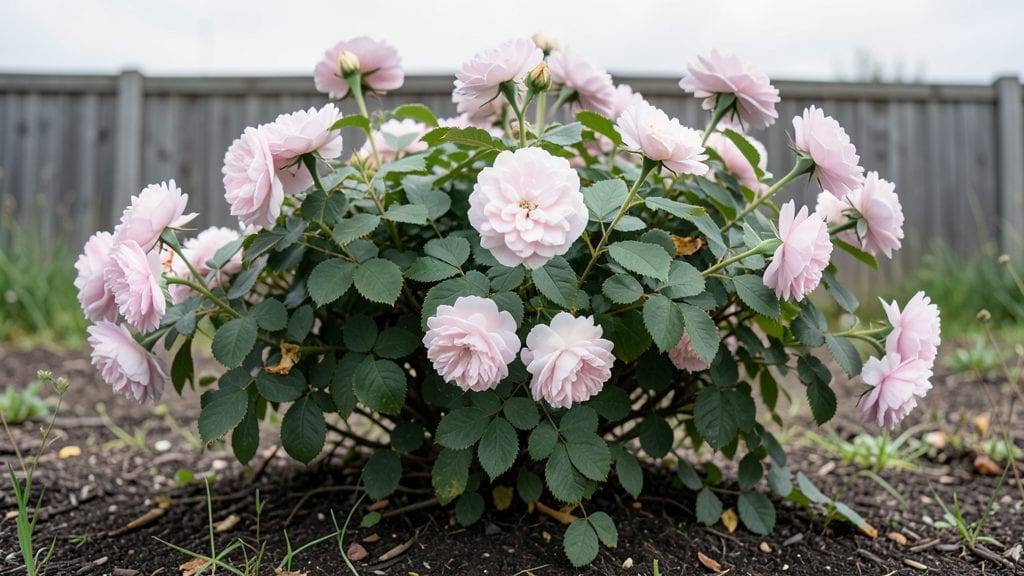
That carpet rose flower never stops blooming—layer upon layer of velvety petals covering every branch from spring to frost. 🌸 I remember the first time I saw one in a neighbor’s yard: a cloud of pink and red, so dense you could barely see the stems.
These roses aren’t just pretty; they’re the workhorses of the garden, thriving where other roses falter.
The secret starts with the right spot: full sun (at least 6 hours daily) and well-draining soil that’s rich but not soggy. Most gardeners overwater them—carpet roses hate wet feet, so aim for 1-2 inches of water per week, adjusting for rain.
Once established, they’re tougher than they look, handling heat and humidity like champions.
By midsummer, your bushes will be covered in blooms, each one lasting 2-3 weeks before giving way to the next flush. The key is light pruning—cutting back spent blooms and shaping in early spring—to keep energy flowing to new growth.
No deadheading? No problem; these roses are forgiving, but you’ll get even more flowers if you stay on top of it.
They work in borders, containers, or as a living hedge, their cascading petals softening fences and adding romance to any space. Whether you’re a first-time gardener or a seasoned pro, carpet roses deliver nonstop color with minimal fuss. Let’s get yours planted!
📚 In This Guide
- What you need
- Instructions
- Tips and common mistakes
- Wrapping up and next steps
What you need
- ● Carpet Rose Plants: Choose disease-resistant varieties like Rosa 'The Fairy' or Rosa 'Flower Carpet'. Buy 3–5 plants for a full, layered look.
- ● Well-Draining Soil: Mix 60% garden soil with 40% compost or peat moss for optimal drainage. A 5-gallon bag of compost suffices for 3–5 plants.
- ● Sunlight Access: Ensure a location with 6–8 hours of direct sunlight daily—carpet roses thrive in full sun.
- ● Watering Can or Hose: A 1–2 gallon watering can with a rose attachment works best for gentle hydration.
- ● Fertilizer: Use a balanced 10-10-10 or 20-20-20 fertilizer (1 lb per 100 sq ft) or organic options like fish emulsion.
- ● Mulch: Apply 2–3 inches of organic mulch (e.g., shredded bark or straw) to retain moisture and suppress weeds.
- ● Garden Gloves: A pair of durable, breathable gloves to protect your hands while planting and pruning.
- ● Trowel or Spade: A small trowel for planting and a spade for digging soil (1 each).
- ● Pruning Shears: Sharp, sterilized shears to trim dead blooms and shape the plant (1 pair).
- ○ Stakes or Trellis (Optional): Lightweight stakes (4–6 per plant) or a small trellis to support climbing varieties.
- ○ Pest Control (Optional):strong> Neem oil or insecticidal soap for aphids or spider mites (1 small bottle).
- ● Weather Check: Monitor local frost dates—carpet roses prefer USDA Zones 5–10 and may need winter protection in colder climates.
Step-by-Step instructions for planting and caring for carpet roses
Here's how to grow these lush, continuous-blooming roses that transform any garden into a floral masterpiece.
🪴 Step 1: Choose the Perfect Location and Prepare the Soil
Carpet roses thrive in full sun—at least 6-8 hours daily. Pick a spot where they'll get morning sun and afternoon shade if you live in a hot climate. I always test the soil first with a simple pH test kit; carpet roses prefer a slightly acidic soil between 6.0-6.5. If your soil is too alkaline, mix in 1 pound of sulfur per 100 square feet and work it into the top 6 inches.
Loosen the soil to a depth of 12 inches with a garden fork, breaking up any compacted layers. I like to blend in 2-3 inches of compost to improve drainage and fertility. Carpet roses hate soggy roots, so if your soil drains poorly, create a raised bed or amend with 1/3 sand to improve aeration. The goal is soil that feels like a damp sponge—not muddy or powdery.
🌱 Step 2: Plant Bare-Root Roses at the Right Time
Plant your carpet roses in early spring, just as new growth begins, or in fall at least 6 weeks before your first frost. Soak bare-root roses in lukewarm water for 4-6 hours before planting to rehydrate the roots. While they soak, dig a hole twice as wide as the root ball but only 6 inches deep—carpet roses grow shallow.
Position the plant so the graft union (the swollen bump near the base) sits 2 inches below soil level. This prevents it from being exposed later. Spread the roots gently outward and backfill with soil, tamping lightly as you go. Water deeply until the soil settles, then add a 2-inch layer of mulch around the base, keeping it 3 inches away from the stem to prevent rot.
☀️ Step 3: Water and Fertilize for Continuous Blooms
Water carpet roses deeply twice weekly during the first growing season, aiming for 1-1.5 inches of water per week. You'll know you're doing it right when water runs out the drainage holes of your pot or seeps 6 inches into the ground. I set a rain gauge nearby to track moisture—overwatering is the fastest way to kill these roses.
Feed them with a balanced rose fertilizer (10-10-10) every 4-6 weeks starting in early spring. Switch to a low-nitrogen, high-phosphorus formula (5-10-5) when buds form to encourage more blooms. I also add 1 tablespoon of Epsom salt per plant every 2 months—it boosts magnesium and makes the flowers even more vibrant.
✂️ Step 4: Prune Strategically for Bushier Growth
Prune carpet roses twice a year: once in early spring just as new growth starts, and again after the first flush of blooms in late spring. Remove any dead, diseased, or crossing branches first—these compete for energy. Then cut back 1/3 of the oldest canes to the ground to encourage new growth from the base.
For shaping, trim the remaining canes back to an outward-facing bud, leaving 4-5 buds per stem. This creates a bushier plant with more blooms. I always sterilize my pruners with rubbing alcohol between cuts to prevent spreading disease. After pruning, give the plant a light feeding with a fish emulsion to help it recover.
🌿 Step 5: Maintain Year-Round for Nonstop Color
Deadhead spent blooms immediately by cutting back to the first set of five leaves below the flower. This redirects the plant's energy into producing new blooms instead of seeds. I do this every 2-3 days during peak bloom season—it keeps the plant looking tidy and encourages continuous flowering.
In late fall, give your carpet roses a final trim by cutting back 1/3 of the oldest canes and removing any weak or diseased growth. Apply a 3-inch layer of mulch around the base to insulate the roots over winter. In spring, remove the old mulch, add fresh compost, and repeat the cycle. With this care, your carpet roses will reward you with nonstop blooms from early summer until frost.
Tips & tricks for perfect carpet rose flower care
Here's what nobody tells you about growing carpet roses that'll make all the difference between a few blooms and a nonstop floral show.
Location and Sunlight: In Step 1, those 6-8 hours of sunlight are non-negotiable for carpet roses. If your garden gets afternoon shade, place them where they'll catch morning sun—this prevents heat stress in hot climates. I've seen roses in containers thrive with 8 hours of morning sun plus a few hours of filtered afternoon light. The key is avoiding direct afternoon sun if temperatures regularly exceed 90°F.
Soil Preparation: The 12-inch deep soil loosening in Step 1 is crucial for root development. I like to add a handful of mycorrhizal fungi to the planting hole—it helps roots absorb nutrients more efficiently. For heavy clay soils, mix in 1/3 sand and a bit of perlite to improve aeration. Think of your soil as a sponge: it should hold moisture but not stay soggy.
Planting Timing: When you plant in Step 2, the 4-6 hour soak is essential but don't overdo it—roots can get waterlogged. I always check the water temperature with my finger; it should feel warm but not hot to the touch. For fall planting, aim for at least 6 weeks before frost—this gives roots time to establish before winter dormancy. I've had great success planting in late October in my zone 6 garden.
Watering Strategy: The twice-weekly deep watering in Step 3 is perfect, but timing matters. Water in the morning so foliage has time to dry before evening. I use a soaker hose for 20-30 minutes to ensure that 1-1.5 inches of water reaches the roots. A simple rain gauge helps track moisture—overwatering is the #1 killer of carpet roses, even more than pests!
Pro Tips for Carpet Rose Flower
- Here's what nobody tells you about growing carpet roses that'll make all the difference between a few blooms and a nonstop floral show.
- Location and Sunlight: In Step 1, those 6-8 hours of sunlight are non-negotiable for carpet roses.
- Soil Preparation: The 12-inch deep soil loosening in Step 1 is crucial for root development.
Frequently asked questions
Got questions about growing and caring for carpet roses? You’re not alone! These low-growing beauties are stunning but can be tricky for beginners. Here are answers to the most common questions to help you keep your roses thriving all season long.
How do I keep carpet roses blooming all season?
Carpet roses thrive with consistent care. Prune lightly after each bloom cycle to encourage new growth, and fertilize every 4-6 weeks with a balanced rose fertilizer. Deadheading spent blooms also signals the plant to produce more flowers. Pro tip: Mulch around the base to retain moisture and protect roots from temperature swings!
How long does it take for carpet roses to bloom after planting?
Patience is key! Most carpet roses take 6-8 weeks to establish roots after planting. Once settled, you’ll see the first blooms in 4-6 weeks during their first growing season. For faster results, choose established plants (1-2 years old) over bare-root seedlings.
Do carpet roses need full sun, or can they grow in partial shade?
While carpet roses love full sun (6+ hours daily), they can tolerate partial shade—especially in hot climates. In shadier spots, blooms may be fewer but larger. If growing in partial shade, ensure the area gets at least 4 hours of direct sunlight to prevent leggy growth.
What pests or diseases should I watch for with carpet roses?
Common issues include aphids, spider mites, and black spot fungus. Inspect leaves regularly for holes or yellowing. Treat aphids with a strong spray of water or insecticidal soap. For fungal diseases, improve airflow, avoid overhead watering, and apply fungicide at the first sign of spots.
Can I grow carpet roses in containers, or do they need garden beds?
Carpet roses adapt well to containers (12"+ pots) as long as they have good drainage. Use a high-quality potting mix with perlite, and repot every 2 years. Just ensure they get enough sunlight and water—containers dry out faster than garden beds.
Bonus Tip: Quick Troubleshooting Guide
| Issue | Likely Cause | Fix |
|---|---|---|
| No blooms | Over-fertilizing with nitrogen or not enough sun | Switch to bloom-boosting fertilizer (low nitrogen) and ensure 6+ hours of sun |
| Yellow leaves | Overwatering or nutrient deficiency | Let soil dry slightly between waterings; add iron supplement if needed |
| Leggy growth | Too little light or overcrowding | Prune back by 1/3 and move to sunnier spot |
Wrapping up and next steps
The carpet rose is a showstopper in any garden—its lush, layered blooms and endless summer-long color make it a dream for both novice and seasoned gardeners.
With the right sunlight, soil, and care, you’ll enjoy vibrant petals that seem to never quit, turning your outdoor space into a fragrant paradise. 🌸
Ready to transform your garden? Start by planting your carpet rose this season—whether in containers, borders, or as a stunning hedge—and watch as it rewards you with months of effortless beauty. Grab your gloves, pick a sunny spot, and let the magic begin! 🌞
Next step: Browse our rose care calendar for month-by-month tips to keep your blooms thriving year-round.