
Flowers
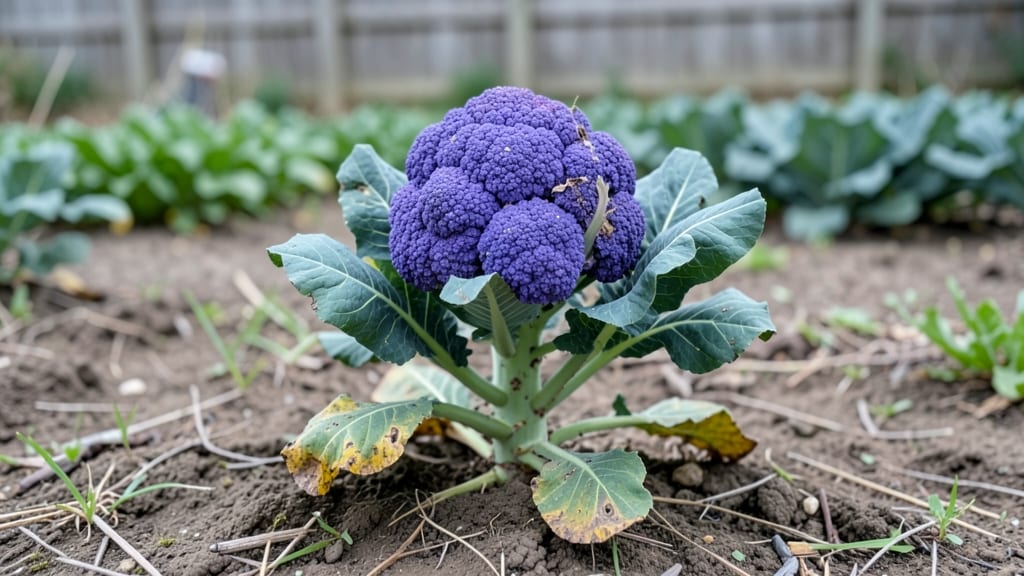
Growing Purple of Sicily cauliflower means bringing a taste of the Mediterranean to your garden—its deep purple curds and nutty flavor stand out against standard white varieties. 🌱 This heirloom thrives where heat would normally stress cauliflower, making it perfect for zones 7-10 or even winter plantings in mild climates.
The key? Cool roots and warm days, which this variety handles better than most.
You’ll need well-draining soil rich in compost (think 3 inches of organic matter mixed in) and partial shade during peak afternoon heat to prevent bolting. Plant seeds ½ inch deep, 18 inches apart, in early spring or late summer for fall harvests—just avoid temperatures above 80°F at planting.
The purple hue deepens as it matures, making it a stunning (and edible) garden centerpiece.
Harvest when heads are firm and fully purple (about 80-90 days), cutting with a sharp knife to avoid bruising. Roast whole for caramelized edges or shred raw into salads—its peppery bite pairs perfectly with garlic and olive oil.
For pests, row covers deter cabbage moths, and a compost tea spray keeps diseases at bay without harsh chemicals.
Unlike standard cauliflower, Purple of Sicily won’t bolt as easily in heat, and its ornamental value makes it a standout in garden beds. If your curds split or stay small, check soil moisture (consistent is critical) and shade levels.
With these adjustments, you’ll enjoy year-round harvests—and neighbors begging for cuttings.
📚 In This Guide
- What you need
- Instructions
- Tips and common mistakes
- Wrapping up and next steps
What you need
- ● Seeds: Cauliflower Purple Sicily (non-GMO, heirloom preferred) – 1 packet (50-100 seeds)
- ● Potting Mix: High-quality, well-draining organic soil (or seed-starting mix) – 10-15 lbs
- ● Containers (if starting indoors): 3-4" biodegradable pots or seed trays – 6-10 units
- ● Fertilizer: Balanced organic fertilizer (5-5-5 or 10-10-10) – 1 lb
- ● Mulch: Straw or wood chips – 2-3 lbs (for moisture retention)
- ● Gloves: Gardening gloves (for handling soil and plants)
- ● Trowel: Small hand trowel for transplanting
- ● Watering Can: Spray nozzle for gentle watering
- ○ Row Cover (optional): Lightweight fabric for early protection (if needed in cooler climates)
- ○ Pruning Shears (optional): For trimming yellow leaves or side shoots
- ● Climate: Warm-season crop; thrives in USDA Zones 7-10 (or cooler zones with season extension)
- ● Sunlight: Full sun (6-8+ hours/day)
- ● Water Access: Consistent moisture (avoid waterlogging)
- ● Space: 18-24" apart in rows (or container depth of 12"+)
Step-by-Step guide to growing cauliflower purple Sicily in hot climates
This stunning purple variety thrives where others bolt—here’s how to coax bold, heat-resistant heads.
🌱 Step 1: Start Seeds Indoors for Early Heat Tolerance
Sow seeds 6-8 weeks before last frost in 2-inch deep trays filled with sterile seed-starting mix. Purple Sicily germinates best at 70-75°F, so use a heat mat if your home runs cooler. Press seeds just below the surface—½ inch deep—and keep soil consistently moist but never soggy.
Once seedlings show 2-3 true leaves (not just the initial cotyledons), transplant them to individual 3-inch pots to prevent root competition. This variety develops slowly, so don’t rush—wait until seedlings are 4-5 inches tall before hardening off. Purple Sicily’s deep purple hues start showing up early, so you’ll spot them around the 4-leaf stage.
☀️ Step 2: Harden Off and Transplant in Late Afternoon
Begin hardening off 10-14 days before transplanting by placing seedlings outside in partial shade for 2 hours daily. Gradually increase exposure, ending with full sun by day 7. Purple Sicily handles heat better than most cauliflowers, but sudden temperature swings can stress it—avoid transplanting during extreme heat waves.
Choose a site with partial shade in peak afternoon sun (especially in zones 8-10). Amend the soil with 2-3 inches of compost and work in a handful of balanced organic fertilizer (10-10-10) per plant. Space transplants 24-30 inches apart to allow for their broad, leafy growth habit.
💧 Step 3: Water Deeply and Mulch to Retain Moisture
Water 1-2 inches per week, focusing on the soil around the base—not the leaves—to prevent fungal diseases. Purple Sicily’s thick stems help it tolerate some drought, but consistent moisture produces tighter, more uniform heads. Use a 3-inch layer of straw mulch to retain soil moisture and keep roots cool.
Here’s the thing—this variety bolts less than others, but it still needs protection from extreme heat. If temperatures exceed 90°F for more than 3 days, provide afternoon shade with a floating row cover. You’ll know it’s working when the leaves stay a vibrant purple instead of yellowing.
✂️ Step 4: Tie Heads for Uniform Growth and Harvest at Peak
When heads reach 3-4 inches in diameter, gently wrap them in cheesecloth or butter muslin to blanch and encourage tight curds. Secure with a rubber band or twist tie—this prevents the head from splitting in direct sun. Purple Sicily’s color intensifies under partial shade, so don’t remove the wrap until harvest.
Harvest when heads are 6-8 inches wide and firm to the touch. Use a sharp knife to cut the stem 1 inch below the head, leaving the base for potential regrowth (though Purple Sicily rarely produces a second head). The deeper purple color develops fully at harvest, so wait until the outer leaves turn a rich violet hue.
🌿 Step 5: Succession Plant for Year-Round Harvests in Warm Climates
In zones 8-10, plant every 4-6 weeks from early spring through late summer for continuous harvests. Purple Sicily’s heat tolerance lets you grow it well into fall, even after other varieties have bolted. For winter crops, use black plastic mulch to warm the soil and extend the season.
Save seeds by allowing a few plants to bolt—Purple Sicily’s deep purple flowers are stunning and attract pollinators. Dry the seed heads fully before storing in a cool, dark place. This variety’s slow maturity makes it ideal for small spaces or container growing (use 15-gallon pots for single plants).
Tips & tricks for perfect purple Sicily cauliflower growth
A few key strategies will help you coax those stunning purple heads from this heat-loving variety.
Seed Starting Precision: In Step 1, those 70-75°F germination temps are critical—don't use a heat mat if your home stays above 75°F, as seeds can dry out. I've found that placing trays on a sunny windowsill (south-facing) often maintains perfect temps without extra equipment. The ½-inch depth for planting is important too—seeds buried too deep won't have enough energy to reach the surface in hot climates.
Heat Protection Strategy: When temperatures hit that 90°F threshold mentioned in Step 3, I recommend setting up your floating row cover on day 2 of the heat wave, not waiting for day 3. Purple Sicily shows stress signs faster than it appears—watch for leaves starting to yellow at the edges. The cheesecloth wrapping in Step 4 becomes even more important during heat waves, as it helps maintain that vibrant purple color while protecting the developing head.
Succession Planting Math: For the 4-6 week succession planting window in Step 5, I calculate based on your last frost date plus 12 weeks of growth time. In zone 9, that means I start my first batch in early February and continue through July. The key is spacing these plantings so you always have mature plants ready to harvest while new ones establish—this creates a continuous purple harvest through fall.
Container Growing Hack: When growing in 15-gallon pots as mentioned, I use a 50/50 mix of potting soil and compost to maximize nutrients in the limited space. Add a time-release fertilizer pellet at planting, then top-dress with compost every 6 weeks. The pots need to be at least 12 inches deep to accommodate those broad roots—shallower containers restrict growth and reduce head size.
Pro Tips for Cauliflower Purple Sicily
- A few key strategies will help you coax those stunning purple heads from this heat-loving variety.
- Seed Starting Precision: In Step 1, those 70-75°F germination temps are critical—don't use a heat mat if your home stays above 75°F, as seeds can dry out.
- Heat Protection Strategy: When temperatures hit that 90°F threshold mentioned in Step 3, I recommend setting up your floating row cover on day 2 of the heat wave, not waiting for day 3.
Frequently asked questions
Got questions about growing Cauliflower Purple Sicily? You’re not alone!
This heat-tolerant variety is a game-changer, but like any plant, it has quirks. Below, we’ve rounded up the most common questions—and answers—to help you grow lush, purple heads all season long.
Can Purple Sicily cauliflower handle extreme heat?
Absolutely! This variety is bred for Mediterranean climates and thrives in temperatures up to 90°F (32°C). Unlike traditional cauliflower, it won’t bolt or turn bitter in the heat—just keep it well-watered and mulched. For 100°F+ (38°C+) days, provide afternoon shade to prevent stress.
How long does it take to harvest Purple Sicily cauliflower?
From transplanting, expect 60–80 days to harvest for mature heads. Smaller "baby" heads (great for salads!) may be ready in 45–55 days. Watch for tight, firm curds—once they’re 6–8 inches wide, it’s time to pick! Pro tip: Harvest in the morning for crispest texture.
What’s the best way to prevent purple discoloration?
The deep purple hue is natural, but if it fades or looks dull, check your soil pH (6.0–7.0 is ideal) and nutrient levels. Add compost or aged manure for rich organic matter. Over-fertilizing with nitrogen can mute the color—balance with phosphorus and potassium. Bonus: Mulch with straw to protect from sun scorch!
Can I grow Purple Sicily in containers?
Yes!
This variety adapts well to containers 12+ inches deep with good drainage. Use a high-quality potting mix and a 5-gallon pot per plant (or 3 plants in a large trough). Just ensure it gets 6+ hours of sunlight daily and water consistently—containers dry out faster!
What pests should I watch for with Purple Sicily?
Common culprits include cabbage worms, aphids, and flea beetles. Use row covers early to deter pests, or spray with neem oil or insecticidal soap. Prevention tip: Interplant with basil or marigolds to repel bugs naturally.
What can I do if my cauliflower bolts prematurely?
Bolting (sending up flower stalks) usually happens due to heat stress, poor soil, or inconsistent watering. To prevent it:
- Keep soil consistently moist (not soggy!).
- Use shade cloth in peak summer.
- Harvest side shoots to redirect energy.
- Try succession planting in cooler months.
Wrapping up and next steps
Growing Cauliflower Purple Sicily is your ticket to vibrant, heat-tolerant harvests that defy seasonal limits! 🌱 This stunning variety not only thrives in Mediterranean climates but also brings bold color and flavor to your table.
Whether you're a seasoned gardener or just starting, its resilience and adaptability make it a standout choice.
Ready to dive in? Start small with a few plants—experiment with companion planting, and soon you’ll be enjoying homegrown purple cauliflower year-round. Happy growing! 🌿