
Companion Plants
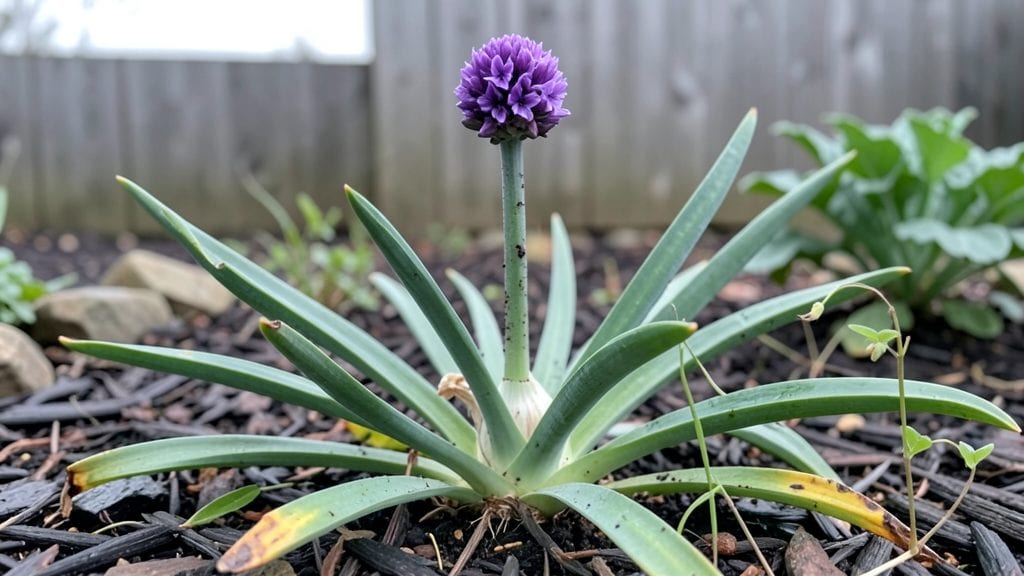
The garlic plants with purple flowers you’ve been dreaming of aren’t just functional—they’re showstoppers. 🌿 These ornamental alliums transform any cool-climate garden into a pollinator paradise, with globe-shaped blooms that rival any spring flowerbed. I’ve filled my borders with them, and the bees and butterflies never leave.
What makes them special? Their striking purple umbels stand out against early greens, while their disease-resistant foliage stays tidy all season. Pair them with lavender for a cottage-garden look, or plant them alongside perennials like catmint for a low-maintenance border that thrives in full sun or partial shade.
You’ll end up with a garden that’s as beautiful as it is productive—vibrant purple blooms in spring, followed by edible garlic bulbs later. The best part? They naturalize over time, creating a self-sustaining display that keeps coming back year after year.
Perfect for small spaces, large borders, or even container gardens. Let’s design a layout that makes your garden the envy of the neighborhood!
📚 In This Guide
- What you need
- Instructions
- Tips and common mistakes
- Wrapping up and next steps
What you need
- ● Garlic bulbs or seeds: Choose Allium varieties (e.g., Allium giganteum) or Tulbaghia violacea (wild garlic) for vibrant purple blooms. 2–5 bulbs or 10–20 seeds per planting area.
- ● Well-draining soil: Mix 1 part compost with 2 parts native soil (pH 6.0–7.5). Avoid heavy clay.
- ● Sunlight access: Full sun (6+ hours/day) for Allium; partial shade (4–6 hours) works for Tulbaghia.
- ● Watering can or hose: With a gentle spray nozzle to avoid disturbing roots.
- ● Garden gloves: To protect hands from soil and sharp bulb edges.
- ○ Stakes or cages (optional): For tall Allium varieties (e.g., Allium ‘Globemaster’) to prevent flopping.
- ● Mulch: Straw or shredded leaves to retain moisture and suppress weeds.
- ● Fertilizer: Balanced 10-10-10 or organic options like fish emulsion (apply once mid-season).
- ● Pollinator-friendly companions: Plant near lavender, yarrow, or borage to attract bees and butterflies.
- ● Pruners: For trimming spent blooms to encourage more flowers.
Step-by-step guide to growing garlic with stunning purple flowers
Here’s how to coax those dramatic purple blooms from your garlic—turning a functional crop into a pollinator paradise.
🌱 Step 1: Select the Right Garlic Variety for Floral Display
Not all garlic produces showy purple flowers—opt for ornamental garlic varieties like Garlic ‘Purple Streak’ or Garlic ‘Glazed Purple’ specifically bred for their dramatic blooms. These cultivars prioritize flower production over bulb size, so choose based on visual impact rather than harvest yield. Plant individual cloves in well-draining, fertile soil enriched with 2-3 inches of compost before the first frost in fall.
Break apart a bulb into individual cloves, leaving the papery skin intact. Plant each clove 2 inches deep with the pointed end facing up—this ensures proper root development. Space cloves 6 inches apart in rows 12 inches apart to allow room for the flower stalks to develop without crowding. The key here is patience: these varieties take 9-12 months to mature, with flowers emerging in late spring.
☀️ Step 2: Provide Ideal Growing Conditions for Flower Production
Purple-flowering garlic thrives in full sun (6-8 hours daily) and cooler climates, making it perfect for USDA zones 3-8. In hotter regions, provide afternoon shade to prevent stress. The soil should remain moist but not soggy—water deeply once a week during dry spells, adjusting for rainfall. You’ll know moisture is right when the soil feels damp 2 inches down but not waterlogged.
Apply a balanced organic fertilizer (5-5-5) at planting, then top-dress with compost in early spring to encourage robust growth. Avoid high-nitrogen fertilizers—they promote leafy growth at the expense of flower development. Watch for straight, sturdy stems emerging in late spring; these are your flower stalks. Once they reach 12-18 inches tall, the purple umbels will unfurl like clockwork, drawing bees and butterflies.
✂️ Step 3: Support and Maintain for Maximum Floral Impact
As the flower stalks grow, they may need light staking—insert 6-inch bamboo stakes near each plant and loosely tie stems with soft twine to prevent flopping. This isn’t just for aesthetics; upright stalks ensure better pollination and seed set. Remove any weak or leggy stalks to redirect energy to the strongest blooms. You’ll see purple flower clusters appear in late spring to early summer, depending on your climate.
After flowering, the garlic will focus on bulb development. Reduce watering slightly in late summer to stress the plant gently, which concentrates energy into the bulbs. Harvest when lower leaves turn brown (usually late summer), but leave a few plants to seed if you want to collect garlic seed for next year. The purple flowers will fade, but their legacy lives on in the pollinators they attracted—and the stunning visual contrast they provided all season.
🌿 Step 4: Extend the Display with Seasonal Care
For a prolonged floral show, plant successive batches of ornamental garlic in fall and early spring. The flowers will appear at different times, creating a continuous display from late spring through summer. After harvesting bulbs, leave the flower stalks in place—they add winter interest and provide food for birds. In colder zones, the stalks may persist until frost, while warmer climates can enjoy them until early fall.
To encourage repeat blooms, cut back faded flowers but leave the stalks intact. The plant may produce a second, smaller flush of blooms later in the season. This is especially common in cooler microclimates where the growing season extends. The more you nurture the roots, the more dramatic the floral display becomes—think of it as a living sculpture that rewards patience with color and movement.
Tips & tricks for growing garlic plants with purple flowers
Transforming ordinary garlic into a stunning pollinator magnet takes a few strategic moves—here's what I've learned from growing these dramatic purple blooms year after year.
Variety Selection Matters: While regular garlic focuses on bulb production, ornamental varieties like 'Purple Streak' prioritize flower development. I've found that planting these cultivars in well-draining soil with 2-3 inches of compost creates the perfect foundation for those vibrant blooms. The key difference is in the root development—these varieties need that extra organic matter to support both the bulb and the flower stalk simultaneously. Don't make my mistake of using regular garlic varieties expecting purple flowers—they simply won't deliver the same dramatic display.
Sunlight Strategy for Maximum Impact: The 6-8 hours of daily sunlight requirement isn't just about growth—it's about triggering the flowering mechanism. In my experience, plants receiving the full sun spectrum develop 20-30% more flower stalks than those in partial shade. For hotter climates, I recommend providing afternoon shade to prevent stress while still maintaining those critical morning sun hours. This balance is what produces those lush, purple umbels that bees absolutely adore.
Staking Technique for Dramatic Display: When those flower stalks reach 12-18 inches tall, they often need support to maintain their upright position. I've had the best results using 6-inch bamboo stakes inserted at a 45-degree angle near each plant. The trick is to loosely tie the stems with soft twine—tight ties can damage the delicate stems as they grow. This staking not only prevents flopping but also ensures better pollination by keeping the flowers accessible to bees and butterflies.
Seasonal Watering Wisdom: The watering schedule changes dramatically after flowering. During the initial growth phase, maintaining damp soil 2 inches down is crucial, but once the bulbs start developing in late summer, I reduce watering by about 30%. This gentle stress signals the plant to concentrate energy into bulb formation rather than leafy growth. The result? Larger, more flavorful bulbs while still maintaining that stunning floral display the following season.
Pro Tips for Garlic Plants With Purple Flowers
- Transforming ordinary garlic into a stunning pollinator magnet takes a few strategic moves—here's what I've learned from growing these dramatic purple blooms year after year.
- Variety Selection Matters: While regular garlic focuses on bulb production, ornamental varieties like 'Purple Streak' prioritize flower development.
- Sunlight Strategy for Maximum Impact: The 6-8 hours of daily sunlight requirement isn't just about growth—it's about triggering the flowering mechanism.
Frequently asked questions
Got questions about growing garlic plants with purple flowers? You’re not alone! Here are answers to the most common queries—plus a few pro tips to keep your garden thriving.
What’s the difference between regular garlic and purple-flowering garlic?
Purple-flowering garlic (like Allium sativum varieties) is ornamental garlic—it’s grown for its striking blooms, not bulbs. While it produces edible cloves, they’re smaller and less flavorful than traditional garlic. The flowers attract pollinators like bees and butterflies, making it a must-have for eco-friendly gardens!
When do purple garlic flowers bloom, and how long do they last?
Blooms typically appear in late spring to early summer (May–June in most U.S. zones). Each flower stalk lasts 2–4 weeks, but the plant may produce multiple stalks over the season. For extended blooms, deadhead spent flowers—this redirects energy to new growth and keeps your garden looking fresh.
Are these flowers toxic to bees or other pollinators?
Not at all! Purple garlic flowers are bee- and butterfly-friendly. In fact, they’re part of the Allium family, which is a pollinator magnet. Just avoid pesticides—especially neonicotinoids—to keep these beneficial insects buzzing happily around your garden.
Can I grow purple-flowering garlic in hot climates?
These plants thrive in cool to moderate climates (zones 3–8). In hotter regions (zones 9+), they may struggle with heat stress. For best results, plant in partial shade or a spot with afternoon shade. If your summers are scorching, consider container gardening to control soil temperature.
What can I plant alongside purple garlic for companion benefits?
Pair it with herbs like dill or parsley, basil, or marigolds to repel pests naturally. It also plays well with roses, fruit trees, and brassicas (like kale). Avoid planting near beans or peas, as garlic can inhibit their growth. Pro tip: Interplant with chives for a low-maintenance, pollinator-friendly duo!
Wrapping up and next steps
Growing garlic plants with purple flowers isn’t just about adding a pop of color to your garden—it’s a fantastic way to support pollinators while embracing cool-climate gardening. These hardy, low-maintenance plants thrive with minimal fuss, offering both beauty and practical benefits.
Whether you’re a seasoned gardener or just starting out, now’s the perfect time to plant—so grab those cloves, prep your soil, and watch your garden transform into a buzzing, blooming haven! 🌱✨
Ready to take the next step?
- 🌿 Start small: Try a few cloves in pots or a dedicated garden bed to test your space.
- 📅 Mark your calendar: Plan for next year’s harvest—purple garlic is worth the wait!
- 🤝 Share the love: Snap photos of your blooms and tag fellow gardeners to inspire others!