
Flowers
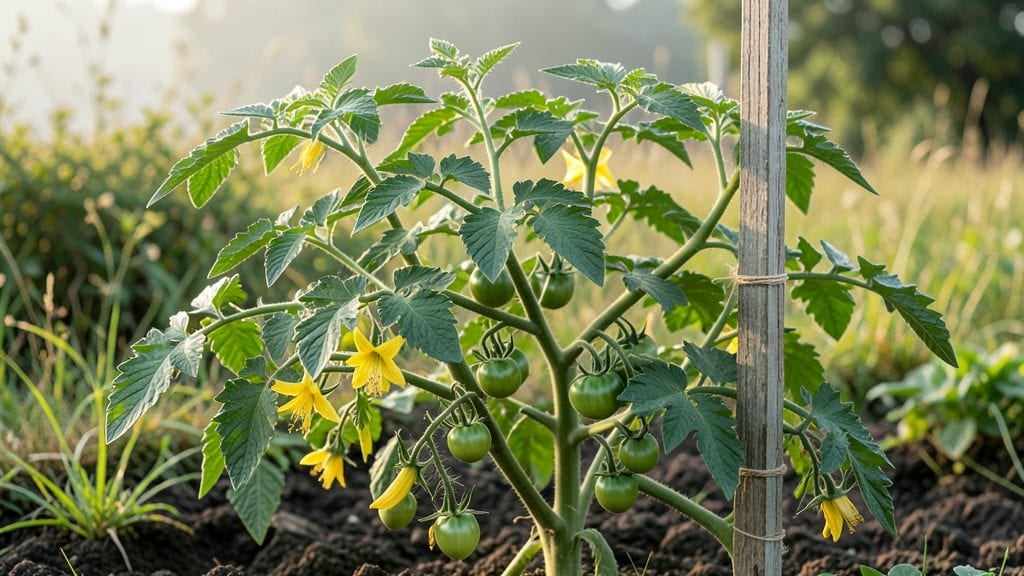
Growing tomatoes with flowers isn’t just about pretty blooms—it’s a game-changer for bigger harvests and fewer pests. 🌱 I learned this the hard way after my tomatoes struggled with aphids until I planted marigolds at their base.
The flowers repel bugs, attract pollinators, and even improve flavor by keeping the plants healthy.
You’ll need full sun (6+ hours daily), well-draining soil rich in compost, and a sturdy trellis for tomatoes. Marigolds and nasturtiums thrive in the same conditions, so you’re not adding extra work—just better results.
Start seeds indoors 6-8 weeks before your last frost, or buy transplants for a head start.
By mid-summer, you’ll have vibrant red tomatoes and cheerful blooms that double as pest control. The flowers will keep producing all season, while your tomatoes grow sweeter and more abundant. Plus, your garden will look like a postcard—no extra effort required.
This combo works in containers, raised beds, or in-ground plots. Whether you’re a first-time gardener or a seasoned pro, these dual-purpose plants make every season easier and more rewarding. Let’s get those seeds in the ground!
📚 In This Guide
- What you need
- Instructions
- Tips and common mistakes
- Wrapping up and next steps
What you need
- ● Tomato Seeds or Seedlings: Choose disease-resistant varieties like Cherry Tomatoes or Roma (6-12 plants, depending on space).
- ● Flower Seeds: Opt for pollinator-friendly flowers like Marigolds (10-20 seeds), Nasturtiums (5-10 seeds), or Basil (companion plant, 3-5 seeds).
- ● Well-Draining Soil: A mix of potting soil and compost (50/50 ratio, ~10-15 gallons).
- ● Containers or Garden Beds: Large pots (12"+ diameter, 2-3 per tomato plant) or raised beds (4’x8’ minimum).
- ● Balanced Fertilizer: 10-10-10 or organic options like fish emulsion (1 tbsp per plant every 4-6 weeks).
- ● Mulch: Straw or shredded leaves (2-3 inches to retain moisture).
- ● Watering Can or Hose: With a gentle spray nozzle for even watering.
- ● Stakes or Cages: 5-6 ft tall for indeterminate tomato varieties (2-3 per plant).
- ● Pruning Shears: For trimming and shaping plants.
- ● Slow-Release Fertilizer Pellets: For steady nutrient supply (follow package instructions).
- ● Drip Irrigation System: To automate watering and save time.
- ● Row Covers: Lightweight fabric to protect seedlings from pests.
- ● Epsom Salt: (1 tbsp per gallon of water) for magnesium boost (every 2 weeks).
- ● Compost Tea: Homemade or store-bought for extra microbial activity.
- ● Decorative Stones or Mulch: For aesthetics and weed suppression.
Step-by-Step guide to planting tomatoes and flowers together
Here’s how to create a thriving garden where tomatoes and flowers coexist beautifully.
🌱 Step 1: Select Complementary Plants for Pollination and Pest Control
Choose flowers that attract pollinators like bees and butterflies—marigolds, nasturtiums, or borage work wonders. These plants also deter pests naturally, reducing the need for chemical interventions. I always plant marigolds around the base of my tomato plants because their strong scent repels nematodes and aphids while drawing in beneficial insects.
Space your flowers strategically: place them 6-12 inches away from tomato stems to avoid shading the foliage. Tall flowers like sunflowers can act as trellises for indeterminate tomato varieties, saving you the hassle of installing separate stakes. Just ensure the flowers don’t compete for nutrients by planting them in their own 12-inch-wide strips between tomato rows.
🪴 Step 2: Prepare the Soil for Dual-Purpose Planting
Test your soil’s pH—tomatoes thrive in 6.0-6.8, while many flowers prefer slightly alkaline conditions. Amend the soil with 2-3 inches of compost mixed into the top 12 inches to provide organic matter and improve drainage. I add a handful of aged manure or worm castings to boost microbial activity, which helps both plants absorb nutrients more efficiently.
For containers, use a well-draining potting mix with added perlite or vermiculite to prevent root rot. If planting directly in the ground, till in a slow-release fertilizer like bone meal or fish emulsion to support both the tomatoes’ heavy fruiting needs and the flowers’ steady growth. Avoid fresh manure—it can burn young roots.
☀️ Step 3: Plant Tomatoes and Flowers at the Right Time and Depth
Start tomatoes 4-6 weeks before the last frost date indoors or purchase sturdy transplants. Flowers like marigolds and nasturtiums can go in the ground 2 weeks after the last frost, once soil temperatures reach 55°F. Plant tomato seedlings 18-24 inches apart in rows 3-4 feet apart, leaving space for flowers to fill the gaps without overcrowding.
Dig holes twice as wide as the root ball but no deeper—this encourages roots to spread horizontally. Gently loosen the roots of both tomatoes and flowers before placing them in the soil to prevent transplant shock. Water deeply right after planting to settle the soil and remove air pockets. Mulch with 2-3 inches of straw or shredded leaves to retain moisture and suppress weeds.
💧 Step 4: Water and Fertilize for Optimal Growth
Water deeply once a week (or more during dry spells) to encourage deep root growth in both plants. Tomatoes need 1-2 inches of water per week, while flowers like marigolds are more drought-tolerant but still benefit from consistent moisture. I water in the early morning to reduce evaporation and fungal risks. Avoid wetting the leaves of tomatoes to prevent disease.
Fertilize tomatoes with a balanced 10-10-10 or 5-5-5 formula every 3-4 weeks once they start flowering. Flowers typically don’t need extra fertilizer unless they look pale or leggy. A light application of compost tea every 4-6 weeks keeps both plants healthy without overfeeding. Watch for signs of nutrient deficiency—yellowing leaves on tomatoes or slow growth in flowers signal it’s time to feed.
✂️ Step 5: Prune and Maintain for Bountiful Harvests and Blooms
Prune tomato suckers (the small shoots that grow between the main stem and branches) regularly to direct energy toward fruit production. Deadhead spent flowers on your companion plants like marigolds to encourage more blooms and deter pests. I also pinch back leggy flower stems to promote bushier growth, which provides better shade for tomato roots on hot days.
Monitor for pests—aphids on flowers can spread to tomatoes, so spray affected plants with neem oil or introduce ladybugs for natural control. Rotate crops annually to prevent soil-borne diseases from building up. By mid-summer, your tomatoes should be heavy with fruit, and your flowers will still be blooming brightly, attracting pollinators and keeping pests at bay.
Tips & tricks for perfect tomato-flower companion planting
These simple yet powerful strategies will help you maximize your garden's potential while keeping both tomatoes and flowers thriving together.
Soil Prep Secret: When amending your soil with the 2-3 inches of compost in Step 2, add a thin layer of wood ash (about 1/4 cup per square foot) to raise the pH slightly for flowers that prefer alkaline conditions. This subtle adjustment creates the perfect balance between tomatoes' 6.0-6.8 range and flowers that might need a touch more alkalinity. Just be careful not to overdo it—too much ash can make soil too alkaline for tomatoes.
Transplant Timing Tip: The 2-week window after last frost for flowers is perfect, but don't rush! Wait until soil temperatures consistently reach 55°F—you can check this with a soil thermometer or simply press your hand into the ground. If it feels warm to your touch, it's ready. Cold soil can shock delicate flower roots, setting them back when they should be establishing quickly alongside your tomatoes.
Pollinator Power Boost: In Step 1, while selecting flowers, consider adding a few bee balm or coneflower plants in addition to marigolds. These attract even more pollinators and provide continuous blooms throughout the season. Plant them near the edges of your tomato rows rather than directly adjacent to stems—this creates a pollinator-friendly border that still allows easy harvest access to your tomatoes.
Watering Wisdom: The once-weekly deep watering in Step 4 works beautifully, but here's the pro move: use a soaker hose or drip irrigation system to deliver water directly to the soil rather than overhead. This prevents fungal diseases on tomato leaves while still providing the 1-2 inches of water per week your tomatoes crave. For flowers, you can water slightly less frequently—they're more drought-tolerant, so let their soil dry out a bit between waterings to encourage deeper root growth.
Pro Tips for Growing Tomatoes Flowers
- These simple yet powerful strategies will help you maximize your garden's potential while keeping both tomatoes and flowers thriving together.
- Soil Prep Secret: When amending your soil with the 2-3 inches of compost in Step 2, add a thin layer of wood ash (about 1/4 cup per square foot) to raise the pH slightly for flowers that prefer alkaline conditions.
- Transplant Timing Tip: The 2-week window after last frost for flowers is perfect, but don't rush!
Frequently asked questions
Got questions about growing tomatoes and flowers together?
You’re not alone! Here are answers to the most common queries to help you create a thriving, dual-purpose garden.
Can I grow tomatoes and flowers in the same pot?
Yes, but choose companions wisely! Tomatoes thrive with marigolds ( pest-repelling), basil ( improves flavor), or nasturtiums ( attracts pollinators). Avoid planting them with fennel or dill, which can stunt tomato growth. Use a large pot (12"+ diameter) with well-draining soil and ensure each plant has enough space.
How long does it take for tomato flowers to turn into fruit?
After pollination, tomato flowers typically take 45–60 days to ripen into fruit, depending on the variety. Warmth, sunlight (6+ hours/day), and consistent watering speed up the process. If flowers drop off without fruiting, check for underwatering, extreme heat, or poor pollination—give them a gentle shake to help!
Which flowers attract pollinators to tomato plants?
Plant these pollinator magnets near your tomatoes:
- Marigolds ( repel pests like nematodes)
- Borage ( draws bees and improves tomato flavor)
- Nasturtiums ( edible and deter aphids)
- Sunflowers ( provide shade and attract bees)
Why are my tomato flowers falling off before fruiting?
This is called blossom drop, and it’s usually caused by:
- Temperature stress: Tomatoes need daytime temps below 90°F (32°C) and nighttime temps above 55°F (13°C).
- Inconsistent watering: Drought or overwatering shocks plants.
- Poor pollination: Hand-pollinate by gently shaking plants on calm days.
- Nutrient deficiency: Add phosphorus-rich fertilizer (like bone meal) to support flowering.
Can I grow tomatoes and flowers indoors?
Try compact varieties like ‘Tiny Tim’ tomatoes or ‘Cherry Cascade’ in containers with a sunny windowsill or grow light (14+ hours/day). Pair them with edible flowers like nasturtiums or pansies for a dual-purpose setup. Use a self-watering planter to maintain moisture and fertilize every 2–3 weeks.
Wrapping up and next steps
Growing tomatoes alongside flowers isn’t just practical—it’s a rewarding way to boost your garden’s beauty and productivity! 🌸🍅 From companion planting to pest control, these dual-purpose plants create a thriving ecosystem that’s easier to maintain than you’d think.
Whether you’re a beginner or a seasoned gardener, the key is to start small, stay consistent, and enjoy the process.
Ready to harvest the rewards? Pick one variety to try this season—maybe a fragrant marigold paired with cherry tomatoes? Grab your gloves, sketch a simple layout, and let nature do the rest. Your future self (and your dinner plate!) will thank you.