
Flowers
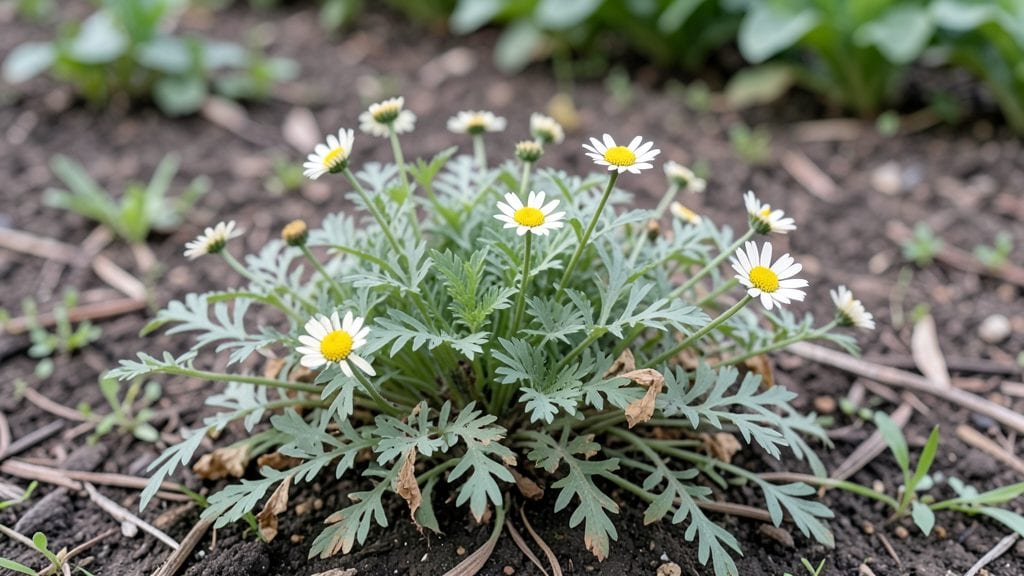
Transforming your garden into a fragrant sanctuary starts with chamomile tea fresh flowers—those delicate, daisy-like blooms that double as a soothing tea and a stunning decorative accent. 🌼 The first time I scattered them along my garden path, I realized they weren’t just pretty; they invited bees, repelled pests, and added a soft, dreamy texture to every arrangement.
Their pale petals and golden centers create a timeless contrast that works in bouquets, wreaths, or even as edging for flower beds.
Harvesting is simple: pick flowers in the morning after the dew dries, when their scent is strongest. Use them fresh in arrangements or dry them for winter-long beauty.
In my own garden, I weave them into bouquets alongside lavender and roses, or tuck them into hanging baskets where their subtle perfume lingers in the breeze. The best part? They’re low-maintenance, thriving in full sun to partial shade, and their roots even improve soil health.
Beyond their visual appeal, these flowers bring practical benefits—calming aromatherapy when dried, a gentle tea when steeped, and a natural remedy for stress when tucked into pillowcases.
The key is balancing their use: too many in a bouquet can overwhelm, but a few strategically placed create a serene, cottage-core vibe that’s impossible to resist. Let’s explore how to make them the star of your garden and home.
Whether you’re designing a pollinator-friendly garden or crafting a hand-tied bouquet, chamomile’s versatility makes it a must-have. Start small—try a single pot on your patio or a handful in your next floral arrangement—and watch how it elevates every space it touches. The possibilities are as endless as the petals themselves.
📚 In This Guide
- What you need
- Instructions
- Tips and common mistakes
- Wrapping up and next steps
What you need
- ● Dried chamomile flowers: 2 tablespoons (for a mild, floral flavor) or 3 tablespoons (for a bolder infusion). Look for Matricaria chamomilla or German chamomile for the best aroma.
- ● Fresh edible flowers: ½ cup (a mix of 3-4 types for variety). Try pansies, violets, nasturtiums, or rose petals (ensure they’re pesticide-free!).
- ● Hot water: 2 cups (212°F/100°C, freshly boiled for optimal flavor).
- ○ Honey or sweetener: 1-2 teaspoons (optional, for taste—skip if you prefer it natural!).
- ○ Lemon slices or fresh mint: 1-2 slices or 3-4 leaves (optional, for brightness).
- ● Teapot or heatproof pitcher (glass or ceramic preferred for infusion).
- ● Fine-mesh strainer or cheesecloth (to filter petals and chamomile).
- ○ Mortar and pestle (optional, for gently crushing delicate petals like roses to release oils).
- ○ Tea infuser or small muslin bag (optional, to contain flowers if straining is tricky).
- ● Fresh flower source: A local garden, farmers' market, or organic store (avoid flowers from florists—often treated with preservatives!).
- ● Clean glass jars: 1-2 (for storing infused tea or gifting).
Step-by-Step guide to growing chamomile for fresh flower tea
Here’s how to cultivate your own chamomile blossoms for the most fragrant, calming tea—no store-bought flowers needed.
🌱 Step 1: Choose the Right Chamomile Variety and Planting Time
German chamomile (Matricaria chamomilla) is the classic choice for tea, while Roman chamomile (Chamaemelum nobile) offers a milder flavor. Plant seeds in early spring after the last frost or late summer for a fall harvest. I’ve found that starting seeds indoors 6-8 weeks before the last frost gives me a head start.
Sow seeds ¼ inch deep in well-draining soil with full sun to partial shade. Chamomile thrives in 60-75°F soil temperatures, so wait until the ground warms up before planting. If you’re in a hot climate, afternoon shade prevents bolting (premature flowering). Watch for the first true leaves—those tell you germination succeeded.
💧 Step 2: Water and Maintain Until Flowering
Keep the soil evenly moist but not soggy until seedlings are established. Chamomile dislikes wet feet, so water at the base and avoid overhead spraying. Once plants reach 4-6 inches tall, reduce watering slightly—this encourages strong root development and prevents leggy growth.
Fertilize lightly with a balanced organic fertilizer (like 10-10-10) every 4-6 weeks during the growing season. Too much nitrogen makes plants bushy but flower-sparse. You’ll know it’s working when stems stay sturdy and leaves stay vibrant green. Harvest begins when white daisy-like blooms open fully—pick them on a dry morning for the best flavor.
☀️ Step 3: Harvest and Dry Flowers for Tea
Cut stems when at least 50% of the flower heads are open but before they turn brown. Use clean scissors to snip just above a leaf node. I like to harvest in the early morning when essential oils are most concentrated. Spread flowers on a clean, dry towel in a single layer, away from direct sunlight.
Once completely dry (about 3-5 days), store in an airtight container like a glass jar. For tea, use 1 tablespoon of dried flowers per cup of hot water. Steep for 5-10 minutes—longer steeping releases more calming compounds like apigenin. Real talk: if flowers smell faint or taste bitter, they’re past their prime.
⏰ Step 4: Encourage Regrowth and Seasonal Care
After the first harvest, trim stems back by half their height to promote bushier growth. Chamomile often self-seeds, so thin seedlings to 12-18 inches apart for optimal airflow. In fall, cut back plants to 2 inches tall before the first frost to prevent overwintering pests.
Mulch around the base with 2-3 inches of straw in winter to protect roots. Come spring, you’ll often see new growth from the same plants—chamomile is a perennial in many climates. This means fewer seeds to plant each year and more tea flowers for your stash.
Tips & tricks for perfect chamomile flower tea
Here's how to maximize your chamomile harvest and tea quality without the guesswork.
Timing Secret: The 5-10 minute steeping range is crucial—start with 5 minutes for a delicate flavor, then extend to 10 minutes for stronger calming effects. I've found that steeping longer than 10 minutes releases bitter compounds that overpower the floral notes. For extra potency, try a second infusion by reusing dried flowers with fresh hot water.
Harvest Strategy: In Step 3, aim to harvest when at least 50% of the flower heads are open but before they turn brown. I always harvest in the early morning when essential oils are most concentrated—this gives you the strongest flavor profile. Use clean scissors and cut just above a leaf node to encourage more blooms to form. Don't harvest more than 1/3 of the flowers at a time to avoid stressing the plant.
Drying Wisdom: Spread your harvested flowers in a single layer on a clean, dry towel away from direct sunlight. The 3-5 day drying time is critical—too fast can make them brittle, too slow can cause mold. I like to place them in a well-ventilated area with indirect light. Once dry, store in an airtight container to preserve freshness and flavor.
Seasonal Care: After your first harvest, trim stems back by half their height to encourage bushier growth. In fall, cut back to 2 inches before the first frost to prevent overwintering pests. Mulch with 2-3 inches of straw to protect roots—this simple step has saved my plants through multiple winters and given me consistent harvests each spring.
Pro Tips for Chamomile Tea Fresh Flowers
- Here's how to maximize your chamomile harvest and tea quality without the guesswork.
- Timing Secret: The 5-10 minute steeping range is crucial—start with 5 minutes for a delicate flavor, then extend to 10 minutes for stronger calming effects.
- Harvest Strategy: In Step 3, aim to harvest when at least 50% of the flower heads are open but before they turn brown.
Frequently asked questions
Got questions about crafting your own chamomile tea with fresh flowers?
Here are some of the most common ones—and their answers—to help you brew like a pro!
Can I use any fresh flowers for chamomile tea, or are there specific types to avoid?
While chamomile is the star, you can experiment with mild, edible flowers like lavender, hibiscus, or rose petals (organic, pesticide-free only!). Avoid toxic varieties like foxglove or daffodils—when in doubt, check a trusted guide or app. Stick to petals over leaves to keep flavors gentle and safe!
How long should I steep fresh chamomile flowers to get the best flavor?
For a delicate, floral taste, steep fresh chamomile flowers for 5–7 minutes in hot (not boiling) water. Over-steeping can turn the tea bitter. If using a mix (e.g., chamomile + lavender), start with 3–5 minutes and taste-test. Pro tip: Strain immediately—fresh petals release oils quickly!
What’s the difference between using dried vs. fresh chamomile flowers?
Fresh flowers yield a brighter, more vibrant flavor but require more petals (about 3x the amount of dried). Dried chamomile is convenient and potent, with a deeper, earthier taste. For a hybrid approach, try half fresh, half dried for a balanced infusion. Always rinse fresh petals to remove dirt or pesticides!
Why does my homemade chamomile tea taste bitter or grassy?
Bitterness usually means over-steeping or using too many leaves/stems. For a grassy flavor, you might’ve included too many green parts—stick to petals! Try these fixes:
- Reduce steeping time by 2–3 minutes.
- Use 1 tbsp fresh petals per cup (or 1 tsp dried).
- Add a pinch of honey or a slice of lemon to mask harsh notes.
Can I reuse the same chamomile flowers for multiple brews?
Fresh petals are best used once for peak flavor, but you can gently squeeze them dry after the first steep and reuse them 1–2 more times for a milder tea. Dried chamomile, however, can often be reused 3–4 times. Store unused petals in the fridge (wrapped in a damp paper towel) for up to 3 days to preserve freshness.
Wrapping up and next steps
Chamomile tea infused with fresh flowers is the perfect blend of serenity and natural beauty—ideal for winding down after a long day. Whether you're sipping a soothing cup or gifting a handcrafted bouquet, this recipe brings calm, creativity, and a touch of elegance to your routine. 🌸
Ready to elevate your self-care? Start small: brew a fresh batch tonight, or explore floral arrangements to brighten your space. Your mind (and senses) will thank you! ☕✨