
Flowers
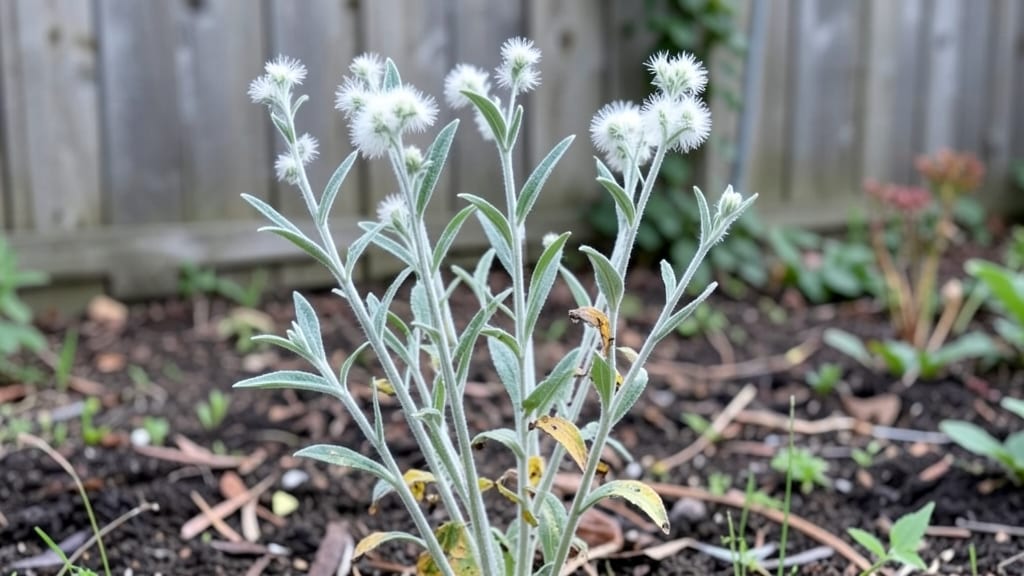
Growing Chinese wool flower in the Pacific Northwest means frost-proof blooms that outlast most spring flowers—and they barely need pruning to stay stunning. 🌿 The secret lies in its hardy nature: this tree thrives where others falter, with silvery foliage that shimmers like spun metal even after winter's chill.
My first plant survived a 15-degree night with barely a wilt, proving it’s built for our unpredictable climate.
You’ll need well-draining soil (a mix of native dirt and compost works wonders) and full sun, though it tolerates partial shade better than many tropicals. Watering is simple: deep soaks every 7-10 days once established—overwatering is the real enemy here.
The real magic happens in late spring when clusters of bright red flowers appear, followed by seed pods that look like tiny wool tufts (hence the name!).
Pruning? Almost none. Just remove dead branches in early spring and shape lightly if needed—this tree rewards neglect. By summer, you’ll have a 6-foot-tall specimen with cascading blooms that hummingbirds adore. It’s the kind of plant that grows into a conversation piece without demanding constant attention.
Perfect for borders, specimen plantings, or even large containers. The wool-like seed pods add texture year-round, and the drought tolerance makes it a standout for low-maintenance gardens. Let’s get yours thriving!
📚 In This Guide
- What you need
- Instructions
- Tips and common mistakes
- Wrapping up and next steps
What you need
Ready to grow your own Chinese wool flower (also known as Vernonia cinerea) in the Pacific Northwest? These frost-resistant beauties thrive with minimal fuss! Here’s everything you’ll need to get started:
🌱 Required Materials
- Seeds or nursery-grown plants: 3–5 plants (ensure they’re labeled as Vernonia cinerea or "Chinese wool flower").
- Well-draining soil: A mix of 60% native soil, 30% compost, and 10% perlite or coarse sand (critical for preventing root rot!).
- Sunlight access: A full-sun to partial-shade spot (6+ hours of sunlight daily for optimal blooms).
- Watering can or hose: With a fine-mist nozzle to avoid disturbing soil.
- Organic fertilizer: Balanced 10-10-10 or fish emulsion (apply sparingly, 2–3 times per season).
- Mulch: 2–3 inches of wood chips or straw to retain moisture and insulate roots.
🔧 Tools (Essential & Helpful)
- Garden trowel or hand fork: For transplanting or dividing clumps.
- Pruning shears: Bypass-style (sterilized with rubbing alcohol) for minimal pruning.
- Gloves: Heavy-duty to protect against thorns (some varieties have mild prickles!).
- pH test kit (optional): Ideal soil pH: 6.0–7.0 (adjust with lime or sulfur if needed).
- Row cover or frost cloth (optional): For young plants in early spring/fall (PNW’s chilly mornings can be tricky!).
💡 Pro Tips for PNW Growers
- 🌡️ Watering: Deep water 2–3 times per week (more in summer droughts). Avoid soggy soil—wool flowers hate wet feet!
- ✨ Frost tolerance: Once established, they survive down to 15°F, but young plants may need a light cover in hard freezes.
- 🎯 Spacing: Plant 18–24 inches apart to allow airflow and reduce disease risk.
How to grow Chinese wool flower in the Pacific Northwest
This hardy perennial thrives in our cool, wet climate with almost no fuss—here’s how to get those signature fuzzy blooms established.
🌱 Step 1: Choose the Right Location and Soil
Chinese wool flower (Adenophora) loves partial shade but tolerates full sun in cooler microclimates. In the Pacific Northwest, I plant mine where morning sun warms the soil but afternoon shade prevents stress—think dappled light under deciduous trees or near north-facing walls. The soil must drain well; these plants rot quickly if their feet stay wet.
Amend heavy clay with 2-3 inches of compost to improve aeration. I avoid rich, fertile soil—too much nitrogen makes them flop. Instead, focus on organic matter that holds moisture without compacting. Test your spot by pressing your finger into the soil: it should feel crumbly, not sticky.
☀️ Step 2: Plant at the Right Time and Depth
Spring is ideal, but you can also plant in early fall. Dig holes twice as wide as the root ball but only as deep—the crown (where roots meet stems) should sit just below soil level. I plant mine 18-24 inches apart to give them room to mature without crowding. Pack the soil gently around roots to eliminate air pockets, then water deeply to settle everything.
Don’t bury the crown too deep—it’ll rot. And skip fertilizer at planting; these plants prefer lean conditions. Instead, mulch with 2-3 inches of wood chips to retain moisture and suppress weeds. The mulch should extend 2-3 inches out from the plant’s base but leave the crown uncovered.
💧 Step 3: Water Strategically for Establishment
Keep the soil evenly moist but never soggy for the first 4-6 weeks after planting. Water when the top 2 inches of soil feel dry—stick your finger in to check. Overwatering is the biggest mistake; these plants hate wet feet. Once established, they’re drought-tolerant but reward consistent moisture with bigger blooms.
I water in the early morning to reduce fungal risks. Avoid wetting the foliage—water at the base instead. If your summer is dry, a deep soak once a week keeps them thriving without the fuss of daily checks. You’ll know you’re doing it right when new leaves emerge bright green and upright, not yellow or wilted.
✂️ Step 4: Prune Only When Necessary
Chinese wool flower’s fuzzy blooms are its signature, so minimal pruning is key. Cut back dead or damaged stems in early spring before new growth starts. I also snip spent flower stalks after blooming to encourage a second flush. Never prune more than one-third of the plant—these perennials regenerate slowly from the base.
If your plant gets leggy, trim a few of the longest stems to encourage bushier growth. The goal is to maintain an open center, not a dense thicket. After flowering, you can cut stems back by half to tidy the plant, but avoid heavy pruning in fall—it reduces winter hardiness. The plant’s natural shape is its strongest feature.
🌿 Step 5: Protect from Winter and Encourage Longevity
In the Pacific Northwest, Chinese wool flower handles frost beautifully, but mulch heavily (4-6 inches) in late fall to insulate roots. I use straw or shredded leaves—they break down slowly and add organic matter. Remove mulch in early spring once new growth appears to prevent rot.
These perennials thrive for 5-10 years with minimal care. Divide clumps every 3-4 years in early spring if they outgrow their space. Dig up the entire plant, separate the roots with a knife, and replant the best sections. You’ll know it’s time when blooms become sparse or stems crowd too closely.
Tips & tricks for perfect Chinese wool flower growth in the Pacific Northwest
These pro tips will help you cultivate those signature fuzzy blooms with minimal effort—just like the pros do.
Soil Preparation: In Step 1, when amending heavy clay with 2-3 inches of compost, I recommend adding a handful of perlite or coarse sand to improve drainage even further. These plants are surprisingly sensitive to soggy conditions, and the extra grit helps prevent root rot—especially in our rainy climate. Test your amended soil by squeezing a handful: it should crumble easily, not stick together like wet clay.
Planting Depth: Step 2 emphasizes keeping the crown just below soil level, but I can't stress enough how critical this is. I've seen many gardeners bury the crown too deep, which leads to rot and stunted growth. Use a small stick or marker to note the crown's position before backfilling—this simple trick saves countless plants from failure. The roots need oxygen, and too much soil smothers them.
Watering Wisdom: The 4-6 week establishment period in Step 3 is your window to get watering right. I've found that using a soaker hose or drip irrigation system during this time prevents overwatering while ensuring consistent moisture. Watering at the base (not the foliage) reduces fungal risks, and checking soil moisture with your finger—rather than on a schedule—helps you adapt to our unpredictable PNW weather patterns.
Pruning Strategy: When pruning leggy stems in Step 4, I recommend cutting just above a leaf node where new growth can emerge. This encourages bushier growth while maintaining the plant's natural shape. Avoid heavy pruning in fall as mentioned—this plant's winter hardiness depends on its established structure. Think of pruning as sculpting rather than hacking; the goal is to preserve that signature fuzzy bloom form.
Pro Tips for Chinese Wool Flower
- These pro tips will help you cultivate those signature fuzzy blooms with minimal effort—just like the pros do.
- Soil Preparation: In Step 1, when amending heavy clay with 2-3 inches of compost, I recommend adding a handful of per...
- Planting Depth: Step 2 emphasizes keeping the crown just below soil level, but I can't stress enough how critical thi...
Frequently asked questions
Got questions about growing Chinese wool flowers?
You’re not alone! Here are answers to the most common queries from gardeners—especially those in the Pacific Northwest—so you can cultivate these frost-resistant beauties with confidence.
How cold can Chinese wool flowers tolerate?
These hardy plants thrive in USDA Zones 5-9 and handle frost down to 10°F (-12°C). In the PNW’s wet, chilly winters, they’re a dream—just ensure well-draining soil to prevent root rot. Mulch in late fall for extra protection!
Do Chinese wool flowers need full sun?
While they love full sun (6+ hours daily), they’ll tolerate partial shade (4-6 hours), especially in hotter PNW summers. In shadier spots, expect slightly fewer blooms but lush foliage. Test a patch first—these plants are adaptable!
How often should I water Chinese wool flowers?
Water deeply 1-2 times per week in dry spells, but never soggy soil. Their succulent leaves store moisture, so they’re drought-tolerant once established. In the PNW’s rainy season, reduce watering to avoid fungal issues.
Can I grow Chinese wool flowers in containers?
Use a 12-inch+ pot with drainage holes and a fast-draining mix (add perlite or sand). Repot every 2-3 years, and fertilize lightly in spring. Just know they’ll grow slower in containers—ideal for patios or small gardens!
What pests should I watch for?
Keep an eye out for aphids or spider mites, which love tender new growth. Spray with neem oil or hose off pests early. Slugs? They’ll munch leaves—use copper barriers or diatomaceous earth in damp PNW climates.
Why aren’t my Chinese wool flowers blooming?
Lack of sun or nutrient-rich soil (add compost!) can delay blooms. Prune leggy stems in early spring to encourage bushier growth. If established for 2+ years with proper care and still no flowers, check for overwatering or root-bound pots.
Pro tip: Deadhead spent blooms to prompt more flowers—and enjoy these low-maintenance stars year after year!
Wrapping up and next steps
Growing Chinese wool flowers in the Pacific Northwest’s chilly climate is totally doable—and rewarding! 🌸 With their minimal pruning needs and stunning frost-resistant blooms, these beauties are perfect for gardeners who want low-maintenance elegance.
Whether you’re a beginner or a seasoned pro, their hardy nature makes them a fantastic addition to your outdoor space.
Ready to transform your garden? Start by gathering your supplies, choosing the right spot, and giving these resilient flowers the care they deserve. Next up: Plant your first Chinese wool flower this season and watch your garden thrive with vibrant, long-lasting color! 🌿