
Flowers
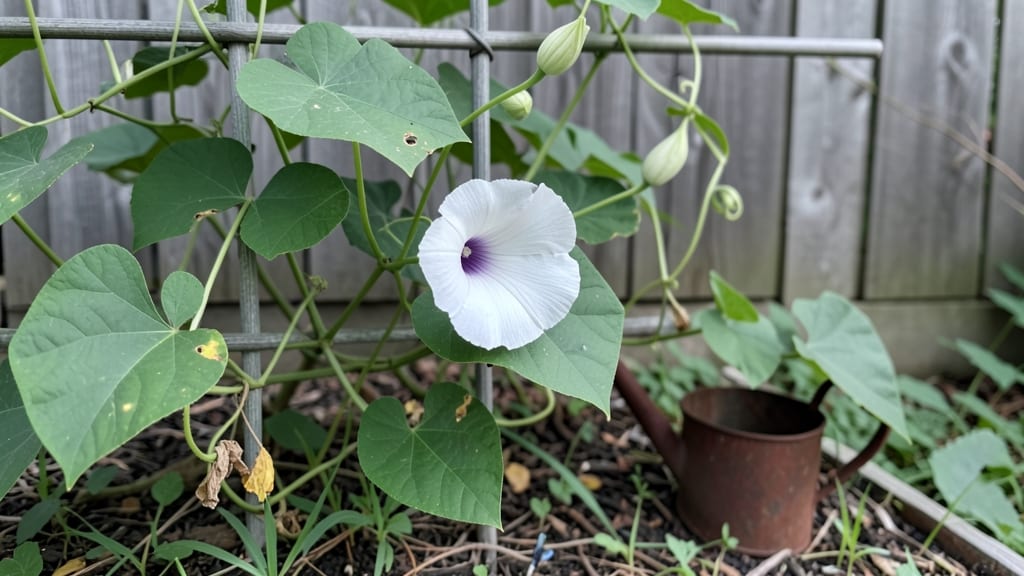
Moon flower care in the Pacific Northwest turns out to be shockingly simple once you know the right tricks. 🌿 These silvery-white blooms thrive where other flowers struggle, and the secret lies in matching their natural rhythm with minimal intervention—no fuss, no fussing.
The key is patience and letting them climb. Moon flowers love partial shade, which is perfect for our cloudy summers, and they’re happy in average garden soil as long as it drains well.
Water them when the top inch feels dry, but don’t drown them—overwatering is the fastest way to invite pests. I’ve seen these vines stretch 15 feet in a single season with almost no help from me.
What you’ll end up with is a lush, fragrant curtain of blooms that open at night, filling the air with a sweet, citrusy scent. The flowers last just one evening, but the vines keep producing all summer long.
And here’s the best part: you can prune them back once a year to keep them tidy, but they’ll bounce back stronger than ever.
Works beautifully on trellises, fences, or even sprawling along the ground. Perfect for gardeners who want beauty without the upkeep—just plant, water occasionally, and enjoy the show. Let’s get those vines growing!
📚 In This Guide
- What you need
- Instructions
- Tips and common mistakes
- Wrapping up and next steps
What you need
- ● Moonflower seeds – 5–10 seeds (or a small pack for a cluster of blooms). Opt for organic, non-GMO seeds for best results.
- ● Well-draining potting mix – 2–3 gallons (for containers) or enriched garden soil (for in-ground planting). Pacific Northwest soil often benefits from a mix of compost and perlite (1:1 ratio).
- ○ Containers (optional but handy) – 1–2 gallon pots with drainage holes (if growing in pots). Terracotta works great for heat retention!
- ● Watering can or hose with a gentle spray nozzle – Moonflowers love hydration but hate soggy roots.
- ● Fertilizer (light touch!) – A balanced, slow-release organic fertilizer (5-5-5 or 10-10-10) or compost tea. Skip heavy nitrogen—it’ll focus on leaves, not flowers!
- ○ Support structure (optional but fun!) – A trellis, fence, or tall stake (4–6 feet) for vining varieties. Bamboo stakes or a simple DIY wire frame work too!
- ● Sunlight – At least 6 hours of direct sun daily (morning sun + afternoon shade works in hotter PNW summers).
- ● Warmth – Seeds need soil temps of 70–85°F to germinate (use a heat mat if starting indoors).
- ● Patience – Germination takes 7–14 days, and blooms arrive 60–90 days after planting.
- ● Minimal pruning tools – A pair of sterilized pruners (for shaping, not heavy pruning—moonflowers thrive with almost no trimming!).
- ● Mulch – 1–2 inches of straw or wood chips to retain moisture and cool roots.
- ● Epsom salt (occasional treat) – 1 tbsp dissolved in water monthly for magnesium boosts (great for lush foliage!).
- ● Moonflower companion plants – Try marigolds (pest control) or nasturtiums (color contrast) nearby!
Step-by-Step moon flower care for Pacific Northwest gardens
Here’s how to keep your moon flowers thriving with almost no fuss—just a few key moves!
🌱 Step 1: Pick the Perfect Spot in Your Garden
Moon flowers love partial shade to full sun, but in the Pacific Northwest, they’ll do best with morning sun and afternoon shade—especially in hotter summer months. I always plant mine where they’ll get at least 4-6 hours of sunlight daily, but they’re forgiving if it’s a bit less. Avoid deep shade, or you’ll end up with leggy, weak stems that flop over.
They’re happy in well-draining soil, but don’t stress if yours isn’t perfect—they tolerate a range of conditions. The key is not letting them sit in soggy soil, which can rot their roots. If your garden holds water, plant them on a slight mound or amend the soil with compost to improve drainage.
☀️ Step 2: Water Deeply but Infrequently
Moon flowers are drought-tolerant once established, so I water them deeply once a week during dry spells. That means soaking the soil 6 inches down—you’ll know you’ve done it right when water runs out the drainage holes if you’re in containers. In the Pacific Northwest’s cooler, wetter climate, you might only need to water every 10-14 days unless you’re in a hot microclimate.
Here’s the thing—overwatering is the real enemy. Yellowing leaves or wilting despite moist soil? You’re probably watering too much. Let the top 1-2 inches of soil dry out between waterings. If you’re unsure, stick your finger in—if it feels damp, wait a day or two.
🌿 Step 3: Skip the Pruning (Seriously, They Hate It)
Moon flowers are low-maintenance superstars—they don’t need pruning unless you want to encourage bushier growth. If you do prune, cut back leggy stems in early spring to shape the plant, but avoid heavy pruning. I usually just deadhead spent blooms to keep the plant looking tidy and encourage more flowers. Just pinch off the faded blossoms with your fingers—no tools needed!
They’re self-cleaning in a way—old flowers drop on their own, so you won’t have to fuss over them. The only time I prune is if a stem looks diseased or dead, and then I cut it back to healthy growth with clean, sharp shears. Always sterilize your tools with rubbing alcohol to prevent spreading anything to the rest of the plant.
✂️ Step 4: Protect from Frost and Wind (When Needed)
Moon flowers are annuals in most of the PNW, so they’ll die back with the first frost. But if you’re growing them in containers, you can bring them indoors before temperatures drop below 30°F—they’ll keep blooming if you give them a sunny windowsill. I’ve kept mine going through winter with a grow light and minimal care, but they’re not built for cold winters.
In windy areas, stake taller stems if they start to lean. A simple bamboo stake or a small cage works—just insert it gently into the soil near the plant and tie the stems loosely with soft twine. Avoid tight ties, or you’ll restrict growth. If you’re in a sheltered spot, they’ll probably stand on their own.
🌱 Step 5: Feed Lightly (If At All)
Moon flowers aren’t heavy feeders, so skip the fertilizer unless your soil is truly poor. If you do feed them, use a balanced, water-soluble fertilizer (like 10-10-10) once in early spring and again after they bloom. Dilute it to half strength—too much fertilizer leads to lush foliage but fewer flowers. I usually just top-dress with compost in spring, and that’s enough.
Here’s where I get picky: never fertilize in late summer. It encourages new growth that won’t harden off before frost, and you’ll end up with sad, weak stems. Let the plant focus on blooming and storing energy instead.
Tips & tricks for perfect moon flower care in the Pacific Northwest
These simple secrets will help your moon flowers thrive with minimal effort—because who has time for high-maintenance plants?
Sunlight Secret: While moon flowers tolerate 4-6 hours of sunlight as mentioned in Step 1, I've found they actually reward you with more blooms when you give them that extra hour or two of morning sun. The key is to avoid the harsh afternoon sun in summer—it can scorch those delicate petals. If your garden gets intense afternoon heat, a sheer curtain or dappled shade from nearby trees works perfectly. Trust me, the difference in bloom quantity is noticeable!
Watering Wisdom: The "deeply once a week" rule in Step 2 is spot-on, but here's what nobody tells you: water in the morning. This gives the soil time to dry out properly between waterings, reducing the risk of fungal issues. I also recommend using a moisture meter for the first few weeks—it's the only way to know for sure when that top 1-2 inches has truly dried out. You'll be surprised how often we think soil is dry when it's actually still damp.
Pruning Hack: When deadheading those spent blooms in Step 3, don't just pinch them off—look for the first set of healthy leaves below the flower. Snip just above that leaf node. This little trick encourages stronger branching and more flowers down the line. And if you're feeling lazy (like me), just grab a pair of clean scissors and snip the whole stem back to about 6 inches from the base—it's a dramatic reset that often results in bushier growth.
Frost Protection: The 30°F threshold in Step 4 is your warning sign, but here's my real tip: watch the weather forecast for "wind chill factors." Even if temps stay above 30°F, a 20°F wind chill can damage your plants. I've learned this the hard way—always protect containers when winds are predicted to be 15 mph or stronger, even if temps are mild. A simple frost blanket draped over the pot does wonders and can extend your blooming season by weeks.
Pro Tips for Moon Flower Care
- These simple secrets will help your moon flowers thrive with minimal effort—because who has time for high-maintenance plants?
- Sunlight Secret: While moon flowers tolerate 4-6 hours of sunlight as mentioned in Step 1, I've found they actually reward you with more blooms when you give them that extra hour or two of morning sun.
- Watering Wisdom: The "deeply once a week" rule in Step 2 is spot-on, but here's what nobody tells you: water in the morning.
Frequently asked questions
Got questions about moon flower care?
You’re not alone—this delicate beauty thrives with a little know-how! Here are answers to the most common queries from gardeners in the Pacific Northwest and beyond.
How often should I water my moon flower?
Moon flowers (Ipomoea alba) love consistent moisture but hate soggy roots. Water deeply 2–3 times per week during dry spells, ensuring the top 1–2 inches of soil stay damp. In the PNW’s humid climate, reduce to once a week unless heatwaves strike. Mulch helps retain moisture—just avoid piling it against the stem.
When is the best time to plant moon flowers?
For the Pacific Northwest, plant seeds or transplants after the last frost (late spring) when soil temps reach 60°F+. They’re tender annuals, so avoid early planting—they’ll bolt or rot in cold soil. If you’re in a warmer microclimate (like coastal Oregon), you can start as early as April.
Can moon flowers grow in containers?
Choose a large container (10+ inches deep) with drainage holes and fill it with well-draining potting mix. Moon flowers can climb a trellis or trail over the rim. Just ensure the pot gets at least 6–8 hours of sun and water regularly—containers dry out faster than garden beds.
Why aren’t my moon flowers blooming?
No blooms? Check these fixes:
- Not enough sun: Moon flowers need full sun (6+ hours/day). Move to a sunnier spot if yours is in shade.
- Over-fertilizing: Too much nitrogen = leafy growth, no flowers. Use a balanced 10-10-10 fertilizer lightly every 4–6 weeks.
- Stress: Sudden drought, pests (like aphids), or root disturbance can halt blooms. Inspect leaves and adjust care.
Are moon flowers toxic to pets?
Yes, moon flowers are mildly toxic to cats and dogs if ingested in large quantities. They contain alkaloids that can cause vomiting, drooling, or lethargy. Keep them out of reach of pets, and consult your vet if ingestion occurs. Opt for pet-safe alternatives like morning glories (Ipomoea purpurea) if needed.
How do I overwinter moon flowers?
Moon flowers are annuals, so they won’t survive winter in the PNW. However, you can save seeds from dried pods for next year! Let a few flowers fade on the vine, collect the seeds, and store them in a cool, dry place. Start new plants from seed in spring—no overwintering required!
Wrapping up and next steps
Caring for a moon flower in the Pacific Northwest is simpler than you think—just embrace its low-maintenance charm! 🌙 With the right spot, minimal pruning, and a little patience, these delicate blooms will reward you with stunning evening displays year after year.
Whether you’re a seasoned gardener or a beginner, your moon flower is ready to thrive with confidence and joy.
Now that you’re armed with the essentials, why not take the next step? Grab your gardening gloves, mark that sunny spot, and watch your moon flower transform your garden into a magical nighttime retreat! 🌸