Flowers
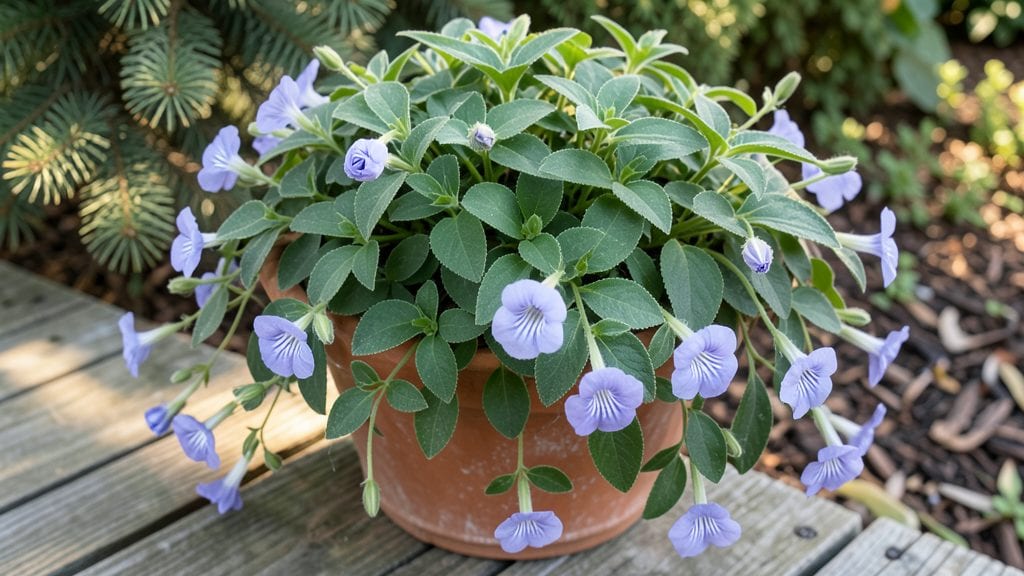
Proper wishbone flower care ensures these velvety Torenia blooms thrive effortlessly—just provide shade and let their trailing charm take center stage in gardens or hanging baskets.
I’ve grown them for years, and the secret lies in mimicking their natural woodland habitat: bright indirect light, consistently moist soil, and zero drama when it comes to pruning. These delicate beauties reward patience with nonstop blooms from spring through fall, even in containers on a sunny patio.
Their care routine is simpler than most flowers demand: a well-draining potting mix with added organic matter, water when the top inch feels dry, and occasional pinching to encourage bushiness. Wishbone flowers hate soggy roots but bounce back fast if you catch wilting early.
Deadhead spent blooms only if you want more flowers—otherwise, let them self-seed for surprise pops of color next season. The real magic? They thrive indoors near east-facing windows too, making them the ultimate low-maintenance houseplant.
Outdoors, they’ll spill over edges like a waterfall of tiny blossoms, while indoors they bring that same effortless charm to shelves or tables. Just keep them away from harsh afternoon sun, and they’ll reward you with months of blooms—no fancy fertilizers or weekly pruning required.
That’s the wishbone flower’s superpower: beauty without the upkeep. Ready to grow yours?
Whether you’re growing them in a shady corner garden or a sunny windowsill, the same rules apply. Wishbone flowers adapt beautifully to different conditions, as long as you remember two things: they love humidity (mist them occasionally) and hate being root-bound.
A little extra TLC in winter keeps them blooming year-round. Let’s get those plants thriving!
📚 In This Guide
- What you need
- Instructions
- Tips and common mistakes
- Wrapping up and next steps
What you need
- ● Wishbone flower plant: 1–3 plants (depending on desired display size)
- ● Choose healthy seedlings or mature plants with vibrant foliage
- ● Well-draining potting mix: 1–2 bags (1–2 cubic feet each) of light, airy mix (e.g., 60% peat moss, 30% perlite, 10% vermiculite)
- ○ Optional: Add compost (10–20%) for extra nutrients
- ● Containers: 1–3 pots (6–8 inches in diameter) with drainage holes
- ● Or a hanging basket (10–12 inches wide) for a cascading look
- ● Watering can or spray bottle: With a fine rose nozzle for gentle watering
- ● Fertilizer: Balanced liquid fertilizer (10-10-10 or 20-20-20, diluted to half-strength)
- ○ Slow-release granular fertilizer (optional, for convenience)
- ● Pruning shears: Small, sharp pair for trimming spent blooms
- ○ Gloves (optional): To protect hands from soil or thorns (if growing near spiky plants)
- ● Bright, indirect light: A spot with 4–6 hours of morning sun or dappled shade (avoid harsh afternoon sun)
- ● Humidity: Ideal for 50–70% humidity; use a humidity tray or pebble tray if your home is dry
- ● Temperature: Keep between 60–75°F (15–24°C)—avoid drafts or cold windows
- ● Patience: Wishbone flowers bloom best with consistent care (they’re not drought-tolerant!)
Wishbone flower care: essential steps for year-round growth
This resilient plant thrives with surprisingly little effort—here’s how to keep it lush and blooming.
Select the Right Light and Position
Wishbone flowers (Torenia) crave bright, indirect light—think east or west-facing windows where sunlight filters gently. Direct midday sun scorches delicate leaves, while dim corners cause leggy, sparse growth. I position mine 3-4 feet from a south-facing window during summer, then rotate the pot weekly to prevent uneven growth toward the light.
Watch for yellowing leaves—a sign of too much sun—or stretched stems with pale foliage, indicating insufficient light. If your space lacks natural light, supplement with a grow light placed 6-12 inches above the plant for 12-14 hours daily. Fluorescent bulbs work well, but avoid LEDs with a blue tint, which can stress the plant.
Maintain Consistent Moisture Without Overwatering
Wishbone flowers despise soggy roots but wilt quickly if dried out. Water when the top inch of soil feels dry to the touch, typically every 2-3 days in warm weather or 4-5 days in cooler months. I use a self-watering pot to regulate moisture—just fill the reservoir and let capillary action do the work.
Always water at the base to avoid dampening leaves, which invites fungal diseases. If water pools in the saucer, empty it within 10 minutes—root rot is the silent killer of wishbone flowers. In winter, reduce watering to every 5-7 days as growth slows.
Feed Lightly During Active Growth
Use a balanced liquid fertilizer (10-10-10) diluted to half-strength every 4-6 weeks during spring and summer. Overfeeding causes salt buildup, which browns leaf edges. I mix fertilizer with water in a spray bottle to avoid root burn—just mist the soil surface lightly after watering.
Skip fertilizer in fall and winter unless you’re growing under grow lights. Yellowing between veins signals nutrient overload, while pale stems mean it’s time for another feeding. Wishbone flowers are light eaters—more is not better.
Prune Strategically to Encourage Bushiness
Minimal pruning keeps wishbone flowers compact and blooming. Pinch back leggy stems to the nearest leaf node when they exceed 6 inches in height. This redirects energy to side shoots, creating a fuller plant. Use clean, sharp scissors to avoid crushing stems.
Deadhead spent blooms by snipping the stem just above the next set of leaves. This prevents seed formation and encourages continuous flowering. I prune in the morning when stems are stiffest—it’s easier to see where to cut, and the plant recovers faster.
Adjust Care for Seasonal Changes
In summer, wishbone flowers tolerate 60-75°F temperatures but need daily misting if humidity drops below 50%. Move them outdoors to a shaded patio if nights stay above 55°F. Winter care is simpler: reduce watering, stop fertilizing, and place the pot away from drafts or heating vents.
If grown as an annual, wishbone flowers will fade by late fall. If you’re wintering yours indoors, increase humidity by placing the pot on a pebble tray with water or grouping it with other plants. They’ll reward you with sporadic blooms even in colder months.
Real talk: Wishbone flowers are forgiving, but they do need consistency. The key is observing—watch the leaves, stems, and soil, and adjust gradually. You’ll have a thriving plant that blooms nearly year-round with minimal fuss.
Tips & tricks for perfect wishbone flower care
A few simple strategies will help you keep your wishbone flowers thriving with minimal effort—once you know these insider tricks.
Light Rotation Strategy: In Step 1, when positioning your wishbone flowers 3-4 feet from a south-facing window, I recommend rotating the pot every 5-7 days rather than weekly. This prevents the plant from leaning toward the light source, creating a more symmetrical growth habit. The key is to turn the pot a quarter-turn each time—this subtle adjustment makes all the difference in maintaining that compact, bushy shape we love.
Moisture Testing Technique: For Step 2's moisture check, I've found that using a wooden skewer or chopstick works better than your finger for testing soil dryness. Insert it into the soil up to the first inch—if it comes out clean, it's time to water. This method gives you a more accurate reading, especially if you have dry hands or oily fingertips that might interfere with the moisture test. Trust me on this.
Fertilizer Application Hack: When applying that half-strength 10-10-10 fertilizer in Step 3, I mix it with water in a spray bottle and apply it to the soil surface rather than pouring it directly. This foliar feeding method helps prevent root burn while still delivering nutrients. The bonus? It also gives the leaves a light rinse, which can help remove dust and improve photosynthesis. Just be sure to water afterward to rinse off any fertilizer residue.
Pruning Timing Secret: For Step 4's pruning, morning is indeed ideal, but I've discovered that late afternoon works too—just avoid pruning when the plant is stressed from heat or drought. The critical factor is making clean cuts just above a leaf node. If you're unsure where to cut, look for the tiny bump where leaves emerge—this is your target spot. A pair of clean, sharp scissors is non-negotiable here.
Pro Tips for Wishbone Flower Care
- A few simple strategies will help you keep your wishbone flowers thriving with minimal effort—once you know these insider tricks.
- Light Rotation Strategy: In Step 1, when positioning your wishbone flowers 3-4 feet from a south-facing window, I recommend rotating the pot every 5-7 days rather than weekly.
- Moisture Testing Technique: For Step 2's moisture check, I've found that using a wooden skewer or chopstick works better than your finger for testing soil dryness.
Frequently asked questions
Got questions about keeping your wishbone flower (also known as Torenia) happy and healthy? You’re not alone! Here are some of the most common concerns—plus quick, practical answers to keep your blooms thriving with ease.
How often should I water my wishbone flower?
Keep the soil consistently moist but not soggy—water when the top inch feels dry. These tropical beauties love humidity! Pro tip: Use a moisture meter or stick your finger in the soil to check. Avoid letting them dry out completely, or the leaves may wilt.
Can wishbone flowers survive winter outdoors?
Not without help! They’re tender perennials and can’t handle frost. Grow them as annuals in colder zones or bring pots indoors before temps drop below 50°F. A sunny windowsill or grow light keeps them blooming year-round!
Why are my wishbone flowers’ leaves turning yellow?
Yellow leaves usually mean overwatering or poor drainage. Check for root rot—if the soil smells musky or roots look black, repot in fresh, well-draining mix. Fix it: Trim damaged roots, reduce watering, and ensure pots have drainage holes.
How do I encourage more blooms?
Deadhead spent flowers regularly (snip just above a leaf node) to prompt new growth. Also, feed with a balanced liquid fertilizer (10-10-10) every 4–6 weeks during spring/summer. Bonus: Rotate pots for even sunlight exposure to prevent leggy stems.
Are wishbone flowers toxic to pets?
Good news! They’re non-toxic to cats and dogs, according to the ASPCA. Still, if your pet munches on plants, monitor for stomach upset—though wishbone flowers are generally safe, individual reactions vary.
Wrapping up and next steps
Caring for your wishbone flower (Torenia) is simpler than you think—and the reward is a vibrant, year-round display of color! With the right balance of light, water, and occasional pruning, you’ll enjoy its delicate blooms for seasons to come. Remember, these beauties thrive on consistency, not perfection.
Now that you’re armed with the know-how, grab your shears and get pruning! 🌸 Start small—pick a single stem to practice—and soon, your wishbone flowers will be the star of your garden. Happy growing!