
Flowers
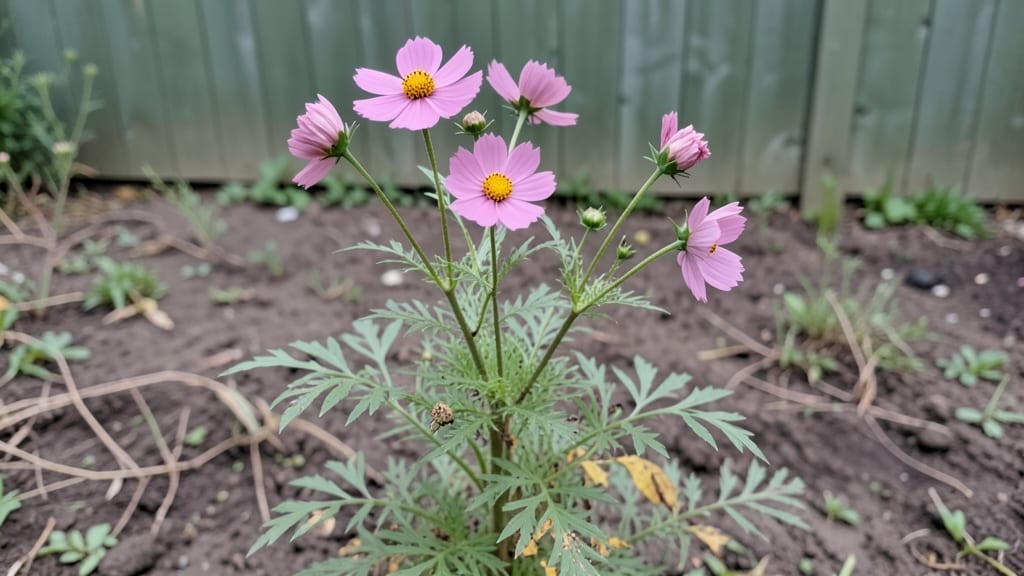
Pink cosmos flowers (Cosmos bipinnatus) bring effortless charm to any garden, blooming from summer until frost with almost no fuss. 🌸 I fell in love with them after my first season—no deadheading, no wilting, just weeks of vibrant pink flowers that attract butterflies and hummingbirds.
They’re the perfect plant for beginners who want color without the drama.
These sun-loving annuals thrive in average garden soil and full sun, making them ideal for borders, containers, or wildflower meadows. Start seeds indoors 4-6 weeks before your last frost, or sow directly outside after soil warms—they germinate in just 5-10 days.
Once established, they’re drought-tolerant and bounce back from neglect, so even forgetful gardeners can’t kill them.
By mid-summer, you’ll have a cloud of airy pink blooms that keep coming until frost, with minimal care. Deadhead spent flowers to encourage more blooms, and watch bees and butterflies flock to your garden.
The secret to their success? Plant them in groups for maximum impact—single stems look cute, but a drift of cosmos is magical.
Works beautifully in USDA Zones 3-11, whether you’re in a hot desert climate or a cooler mountain region. Perfect for cutting gardens too—stems stay fresh in vases for 5-7 days. Ready to grow a garden that practically takes care of itself?
📚 In This Guide
- What you need
- Instructions
- Tips and common mistakes
- Wrapping up and next steps
What you need
- ● Pink cosmos seeds – Choose Cosmos bipinnatus (most common) or Cosmos sulphureus for extra frost hardiness. Buy 1-2 packets (50-100 seeds per packet) for a full display.
- ● Well-draining potting mix – A blend of 50% peat moss or coco coir, 30% perlite or vermiculite, and 20% compost (sterilized). Avoid heavy clay soil.
- ● Containers or garden bed – For seedlings: 2-3 inch biodegradable pots (or small plastic cell trays) for starting indoors.
- ● For transplanting: 6-inch diameter pots or a garden bed with 12-18 inches of spacing between plants.
- ● Slow-release fertilizer – A balanced 10-10-10 or organic option (e.g., fish emulsion or compost tea) to nourish roots.
- ● Hand trowel – For transplanting seedlings.
- ● Spray bottle – To mist seeds lightly (if starting indoors).
- ○ Gloves – Optional but helpful for handling soil and seeds.
- ● Pruning shears – For deadheading spent blooms (encourages more flowers!).
- ● Mulch (straw or shredded leaves) – 2-3 inches to retain moisture and protect roots from frost.
- ● Grow lights – If starting seeds 4-6 weeks before last frost indoors.
- ● Epsom salt – A tablespoon per gallon of water for magnesium boost (promotes lush foliage).
- ● Decorative stakes or cages – To support taller varieties (up to 3-4 feet).
- ● Companion plants – Marigolds or nasturtiums deter pests naturally!
Step-by-step instructions for planting and cultivating pink cosmos flowers
Here’s how to grow these cheerful, hardy blooms with minimal fuss—no greenhouse needed.
🌱 Step 1: Choose the Perfect Planting Location
Pink cosmos thrive in full sun, so pick a spot that gets at least 6-8 hours of direct sunlight daily. They’re drought-tolerant once established, so avoid low-lying areas where water pools after rain. I like to plant mine where they’ll get morning sun and afternoon shade in hot climates—this prevents the flowers from wilting too quickly.
Test your soil’s drainage by digging a 6-inch hole, filling it with water, and timing how long it takes to drain. If water lingers for more than an hour, amend the soil with 2-3 inches of compost or plant in a raised bed. Cosmos tolerate poor soil but bloom more prolifically when nutrients are balanced.
🌱 Step 2: Direct-Sow Seeds After Frost
Cosmos seeds germinate best in warm soil, so wait until 2-3 weeks after your last frost date when nighttime temperatures stay above 50°F. Scatter seeds ¼ inch deep in rows or clusters, spacing them 12-18 inches apart—they self-seed aggressively, so thin seedlings to avoid overcrowding later.
Lightly cover seeds with soil and mist the area until the surface looks evenly moist but not soggy. I tap the soil gently with my fingers to ensure good seed-to-soil contact. Place a row cover or cloches over the area if nighttime temps dip below 45°F—this protects tender seedlings without smothering them.
☀️ Step 3: Provide Minimal Care for Fast Growth
Once seedlings emerge—usually within 7-14 days—remove any protective coverings and let them grow freely. Water deeply once a week (or when the top 2 inches of soil feel dry), aiming for the base of the plant to avoid fungal issues. Overhead watering can cause powdery mildew, especially in humid climates.
Fertilize lightly at planting with a balanced, slow-release fertilizer (like 10-10-10) and avoid nitrogen-heavy feeds—too much greenery means fewer flowers. Pinch back the top set of leaves when seedlings reach 6 inches tall to encourage bushier growth and more blooms.
✂️ Step 4: Deadhead and Extend the Blooming Season
Cut back spent blooms just above the first set of healthy leaves to encourage continuous flowering. I deadhead mine every 2-3 days during peak bloom—this keeps the plants looking tidy and prolongs the season by 4-6 weeks. The more you remove faded flowers, the more the plant redirects energy into new buds.
In fall, leave a few stems to self-seed naturally for next year’s garden. Cosmos are frost-tolerant, so they often resprout after light freezes. If you live in a cold climate, mulch the base with 2 inches of straw in late autumn to protect roots during winter.
🌿 Step 5: Prevent Common Pests Without Chemicals
Cosmos rarely face serious pests, but aphids and Japanese beetles may target the flowers. Spray affected areas with neem oil or a soapy water solution (1 tsp mild dish soap per quart of water) in the early morning to avoid harming beneficial insects. I also interplant cosmos with marigolds—the strong scent deters pests naturally.
Watch for powdery mildew in humid conditions, which appears as white, powdery patches on leaves. Improve airflow by spacing plants 18 inches apart and watering at the base. If mildew appears, remove infected leaves immediately and treat with a baking soda spray (1 tbsp baking soda + 1 quart water + a drop of dish soap).
Tips & tricks for perfect pink cosmos flower growth
These simple yet game-changing tips will help you coax even more vibrant blooms from your pink cosmos—without extra effort.
Sunlight Strategy: While 6-8 hours of sunlight is ideal, I’ve found that morning sun with afternoon shade in hot climates prevents wilting while still producing abundant blooms. If your garden gets intense afternoon sun, consider planting near taller plants or using shade cloth during peak heat hours to protect those delicate petals.
Germination Hack: The 2-3 week wait after frost might feel long, but here’s a pro move: soak seeds in warm water for 24 hours before planting to jumpstart germination. This works especially well if you’re planting in cooler spring conditions where soil warmth is inconsistent. Just be sure to plant them at the same ¼-inch depth afterward.
Watering Wisdom: That "deeply once a week" guideline is perfect, but I’ve learned to adjust based on rainfall. After a heavy rain, skip your scheduled watering entirely—cosmos are drought-tolerant once established. The key is maintaining that 2-inch dry soil test, not sticking to a rigid schedule. A simple screwdriver makes checking soil moisture effortless.
Frost-Proofing: The 2-inch straw mulch in cold climates is brilliant, but I take it a step further by adding a layer of leaves or pine needles first. This creates better insulation while preventing soil compaction. In my zone 5 garden, this extra layer lets cosmos resprout even after hard freezes—something I wouldn’t have believed before trying it.
Pro Tips for Pink Cosmos Flower
- These simple yet game-changing tips will help you coax even more vibrant blooms from your pink cosmos—without extra effort.
- Sunlight Strategy: While 6-8 hours of sunlight is ideal, I’ve found that morning sun with afternoon shade in hot climates prevents wilting while still producing abundant blooms.
- Germination Hack: The 2-3 week wait after frost might feel long, but here’s a pro move: soak seeds in warm water for 24 hours before planting to jumpstart germination.
Frequently asked questions
Got questions about growing pink cosmos flowers?
You’re not alone! Here are answers to the most common queries—from planting tips to troubleshooting—to help your garden bloom beautifully.
How long does it take for pink cosmos flowers to grow from seed?
Pink cosmos flowers are fast growers! From seed, expect Cosmos bipinnatus to sprout in 7–10 days and reach full bloom in just 60–70 days. They thrive in warm soil, so wait until the last frost has passed in your area. Patience pays off—those vibrant blooms will arrive sooner than you think!
Are pink cosmos flowers truly frost-resistant?
Yes! Pink cosmos are annuals that tolerate light frost, but they’re not perennials like some frost-resistant flowers. They’ll survive brief chills down to 20–25°F but may wilt if exposed to prolonged cold. For year-round blooms, plant new seeds in spring or fall—just avoid frost-prone months. Bonus: Their self-seeding nature means they often return on their own!
What’s the best way to keep pink cosmos blooming all season?
Deadhead spent blooms regularly to encourage non-stop flowering! Trim back stems by 1/3 after the first flush of blooms to promote bushier growth. Avoid over-fertilizing—cosmos prefer lean soil. Water at the base (not leaves) to prevent mildew, and they’ll reward you with continuous color from summer to frost.
Why aren’t my pink cosmos flowers opening?
Bud blast? Check these fixes:
- Too much shade: Cosmos need full sun (6+ hours/day)—move to a sunnier spot.
- Overcrowding: Thin seedlings to 12–18 inches apart for better airflow.
- Pests: Aphids or spider mites can stress buds. Spray with neem oil if needed.
- Cold snaps: Buds may drop if temps dip below 50°F at night.
Can I grow pink cosmos in containers?
Cosmos adapt well to containers, pots, or hanging baskets as long as the pot is at least 12 inches deep and has drainage holes. Use a lightweight potting mix and place them in a sunny spot. For extra height, pair them with Lantana or Zinnias. Just remember: They’ll self-seed aggressively—prune or collect seeds to control spread!
Wrapping up and next steps
The pink cosmos flower is a stunning, low-maintenance addition to any garden, offering vibrant blooms and resilience against frost—perfect for year-round beauty! 🌸 With the right soil, sunlight, and care, you’ll enjoy a thriving garden that’s both rewarding and visually striking. Ready to transform your outdoor space?
🌱 Next Steps:
- Plant your seeds or seedlings this season—spring or fall are ideal!
- Monitor soil moisture and deadhead spent blooms for continuous flowers.
- Share your progress with fellow gardeners for tips and inspiration!