
Flowers
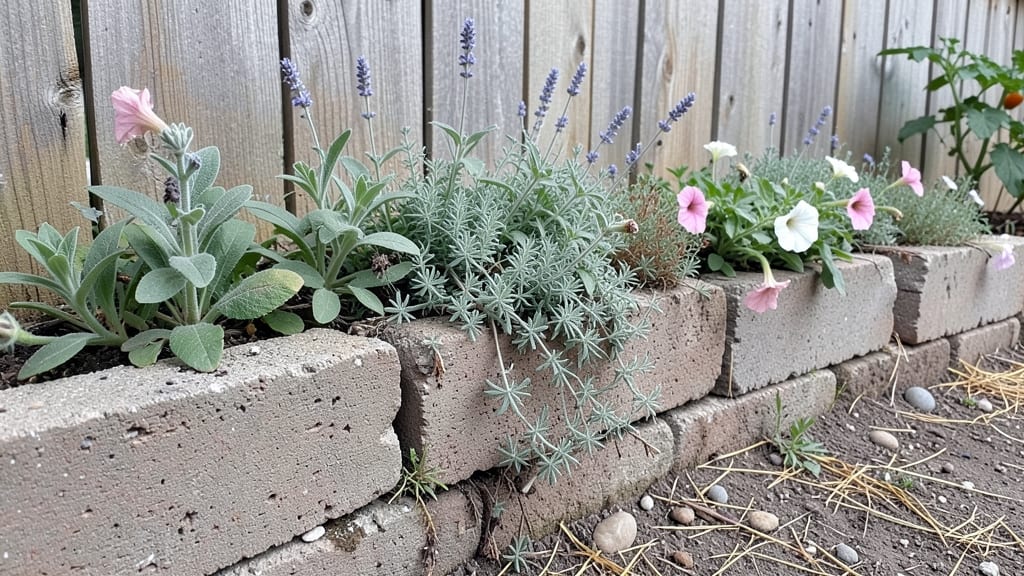
Building a cinder block flower wall turns dead space into a living tapestry of color and texture—something I never thought possible until I stacked mine last spring.
The blocks create sturdy pockets for plants while keeping costs low and assembly simple, even for beginners who’ve only grown tomatoes in pots before. My first wall now hosts trailing nasturtiums, drought-tolerant sedum, and fragrant lavender that spill over the edges like a waterfall.
You’ll need just 12-15 cinder blocks, a level, some landscape fabric, and plants that love vertical spaces—think ferns, succulents, or herbs like thyme that thrive in shallow pockets. The key?
Pre-drilling drainage holes in the blocks and filling the gaps with moisture-retentive soil mix to keep roots happy without waterlogging. My wall stays lush through summer heat and even puts out fresh blooms in late fall when planted right.
What you’ll end up with is a year-round vertical garden that doubles as art. The blocks’ rough texture contrasts beautifully with soft foliage, while the height saves precious ground space for veggies or seating.
Add solar-powered string lights for evening ambiance, and suddenly your wall becomes the garden’s centerpiece—no green thumb required, just smart plant choices and basic care.
Want to go further? Try a tiered design with wider blocks at the base or mosaic-style blocks for visual interest. Pair it with a trellis for climbing roses or a small bench below for a cozy reading nook.
The possibilities are limited only by your imagination—and the plants you love most.
📚 In This Guide
- What you need
- Instructions
- Tips and common mistakes
- Wrapping up and next steps
What you need
- ● Cinder blocks: 20–30 blocks (depending on wall size; standard 16"x8"x8" blocks work best).
- ● Landscape fabric: 1 roll (to prevent weeds and retain moisture).
- ● Potting soil: 2–3 bags (lightweight, well-draining mix like miracle-gro potting soil).
- ○ Mulch: 1 bag (optional, helps retain moisture and suppress weeds).
- ● Perennials/succulents: 10–20 plants (choose drought-resistant varieties like sedum, lavender, or ferns).
- ● Measuring tape (to plan block layout).
- ● Level (ensures blocks are straight).
- ● Hammer & nails (or masonry screws for securing blocks to a wall).
- ● Utility knife (for cutting landscape fabric).
- ● Gloves & safety glasses (for handling blocks and soil).
- ● Wheelbarrow or bucket (for mixing soil).
- ● Sturdy wall: Ensure your wall (brick, wood, or fence) can support the weight of blocks and soil.
- ● Sunlight access: 4–6 hours of sunlight daily for most flowering plants.
- ● Drainage plan: If building on a deck or roof, add a tray or slope for runoff.
- ○ Watering system (optional): Drip irrigation or a hose with a spray nozzle for easy maintenance.
Step-by-step instructions for building a cinder block flower wall
Here's the straightforward method I've used to create thriving vertical gardens that add beauty and productivity to any space.
Gather and Prepare Materials
You'll need 4 cinder blocks (standard 16" x 8" x 8"), landscape fabric, potting mix, gravel, a trowel, a level, a drill with 1/4-inch bit, outdoor-rated screws, a measuring tape, and plants suitable for vertical growing (like succulents, herbs, or trailing flowers). Start by cleaning the cinder blocks thoroughly with soapy water to remove any dirt or debris. Let them dry completely in the sun.
Next, measure and mark 1/4-inch holes on the top of each block, spaced about 4 inches apart in a staggered pattern. This creates drainage paths while allowing roots to spread between blocks. Drill carefully—cinder blocks are porous, so take it slow to avoid cracking. I like to wear a dust mask for this step since the blocks can be quite dusty.
Assemble the Base and Add Drainage
Lay the first cinder block on a flat, level surface where you want your wall to stand. Check with your level to ensure it's perfectly straight—this prevents wobbling later. Place a 2-inch layer of gravel at the bottom of the first block for drainage. This keeps water from pooling and rotting roots, which is especially important in vertical gardens where excess moisture lingers.
Cut a piece of landscape fabric to fit snugly over the gravel. This prevents soil from washing out while still allowing water to drain. Secure it with a staple gun or small screws if needed. Now stack the remaining blocks on top, ensuring each one is level and aligned with the one below. The staggered holes will create pockets for soil and roots to connect between blocks.
Fill and Plant the Flower Wall
Fill the first block with potting mix, leaving about 1 inch from the top to allow for watering. Use a trowel to press the soil gently into the holes so it stays in place. Plant your first row of succulents or herbs in the holes, spacing them about 3-4 inches apart. Press the soil around the base of each plant to secure it.
For the second block, fill it halfway with soil, then place it on top of the first. The holes should align to create a continuous soil path. Add more soil to the top block, then plant your second row. Repeat this process until all blocks are filled and planted. I like to use trailing plants like sweet potato vine or nasturtiums in the top block—they spill over beautifully and create a lush, cascading effect.
Water and Maintain for Long-Term Growth
Water the wall thoroughly after planting, allowing water to run through the holes and drain out the bottom. You'll need to water every 2-3 days during the first week to help the plants establish roots. After that, check the soil moisture—if the top inch feels dry, it's time to water again. Vertical gardens dry out faster than ground-level ones, so keep an eye on them.
Fertilize lightly with a balanced, water-soluble fertilizer every 4-6 weeks during the growing season. Avoid over-fertilizing, as this can burn delicate roots in a confined space. Prune any dead or yellowing leaves promptly to encourage new growth. With proper care, your cinder block flower wall will thrive year-round, providing beauty and a bounty of greenery in even the smallest spaces.
Tips & tricks for perfect cinder block flower walls
A few simple strategies will help you avoid common pitfalls and create a vertical garden that truly thrives.
Block Prep Matters: Before drilling those 1/4-inch holes, trace a pattern on each block first. I use painter's tape to mark the 4-inch spacing—this prevents uneven holes that could compromise stability. Confession: I skipped this step once and ended up with crooked holes that made stacking difficult. Also, wear safety glasses when drilling—the cinder block dust can be surprisingly aggressive!
Drainage is Non-Negotiable: That 2-inch gravel layer at the bottom isn't just for show—it's the secret to preventing root rot. I've seen walls fail when people skipped this step, especially in rainy climates. For extra insurance, consider adding a small plastic drain pipe at the base if your wall sits in a particularly wet spot. The landscape fabric keeps soil in while letting water flow freely.
Plant Selection Strategy: Not all plants thrive in vertical gardens. For your first block, choose plants with shallow roots like thyme or creeping thyme—they'll establish quickly in the limited soil. Reserve trailing plants like nasturtiums for the top block where they can spill over dramatically. I've learned this the hard way after watching heavy plants pull blocks apart over time.
Watering Wisdom: The "every 2-3 days" guideline is just a starting point—your actual watering schedule depends on your climate and sun exposure. I check moisture by sticking my finger about an inch into the soil. If it's dry, water thoroughly until it runs out the bottom. In hotter months, I've found I need to water daily, while winter might only require weekly watering. A simple spray bottle helps keep soil evenly moist without over-saturating.
Pro Tips for Cinder Block Flower Wall
- A few simple strategies will help you avoid common pitfalls and create a vertical garden that truly thrives.
- Block Prep Matters: Before drilling those 1/4-inch holes, trace a pattern on each block first.
- Drainage is Non-Negotiable: That 2-inch gravel layer at the bottom isn't just for show—it's the secret to preventing root rot.
Frequently asked questions
Got questions about building a stunning cinder block flower wall? We’ve got answers!
Whether you’re a beginner or a seasoned gardener, these FAQs will help you plan, build, and maintain your vertical garden like a pro.
How long does it take to build a cinder block flower wall?
A small cinder block wall (4–6 blocks wide, 3–4 blocks tall) can be built in 1–2 hours by one person. Larger projects (like a 10-foot-long wall) may take 3–5 hours, depending on your experience. Pro tip: Pre-mix mortar or use concrete adhesive to speed up the process!
Do I need special soil for a cinder block flower wall?
Yes! Use a lightweight, well-draining potting mix (like a blend of peat moss, perlite, and compost) to prevent waterlogging. Avoid garden soil—it compacts and suffocates roots. For extra drainage, add a layer of gravel or coconut coir at the bottom of each pocket.
Can I reuse cinder blocks from an old project?
Clean and inspect used blocks for cracks or debris before reuse. If they’re structurally sound, they’re perfect for your flower wall. Just ensure they’re free of old mortar or mold. Bonus: Painting them with non-toxic sealant adds a pop of color!
What flowers thrive in cinder block walls?
Opt for compact, drought-tolerant plants like:
- Succulents (e.g., sedum, echeveria)
- Herbs (thyme, oregano, rosemary)
- Annuals (petunias, pansies, nasturtiums)
- Perennials (lavender, salvia, ferns)
Why are my plants wilting or dying in the wall?
Common culprits:
- Poor drainage: Ensure excess water escapes through the bottom.
- Overwatering: Check soil moisture—cinder blocks dry out fast!
- Root-bound plants: Repot or divide crowded roots every 1–2 years.
- Pests: Inspect for aphids or spider mites; use neem oil if needed.
Can I build this wall against a fence or house?
Yes, but secure it properly! If attaching to a house, use masonry screws into studs. For fences, anchor blocks with landscape stakes or a concrete footing. Leave a 1-inch gap between the wall and structure to prevent moisture damage.
Wrapping up and next steps
A cinder block flower wall isn’t just a stylish addition to your garden—it’s a functional and low-maintenance way to bring life, color, and texture to any space. Whether you’re a seasoned gardener or a beginner, this project proves that creativity and sustainability go hand in hand.
With the right materials and a little patience, you’ll create a thriving vertical garden that keeps blooming year-round! 🌸
Ready to transform your space? Start small—sketch your design, gather supplies, and let your green thumb shine! For extra inspiration, browse local nurseries or check out online communities for cinder block garden ideas. Happy planting! 🌱