Blooming
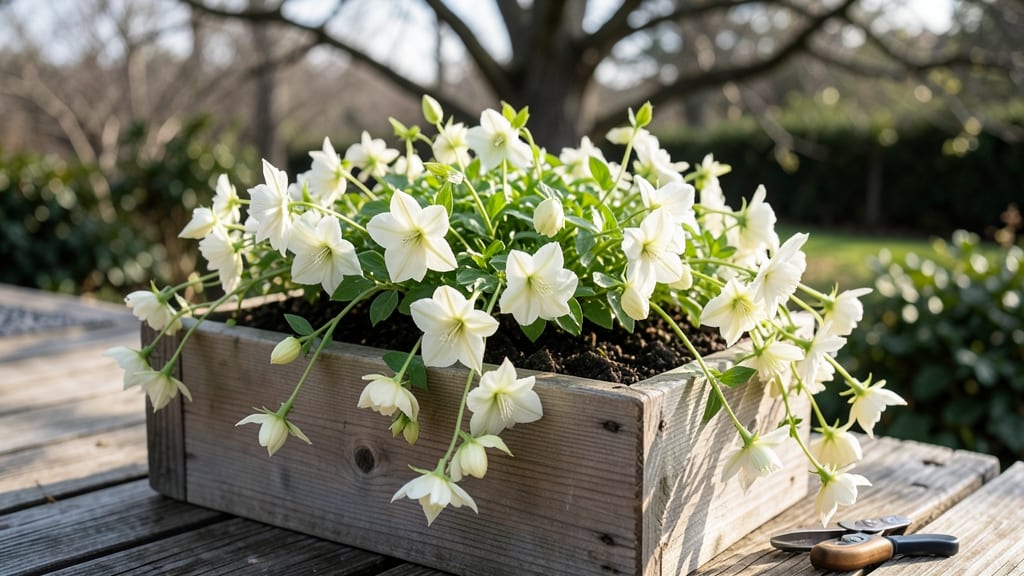
Clematis flowering time in the Pacific Northwest peaks when summer heat meets late-season sunlight—typically between mid-July and September, but the exact timing depends on your variety. 🌸 I’ve watched my own vines transform from lush green tendrils to cascades of blooms during this window, and the key to getting those showstopping flowers lies in understanding your plant’s pruning group and local microclimate.
Most gardeners assume all clematis bloom the same way, but there are three pruning groups that dictate timing: early-season bloomers (Group 1) wake up in spring, mid-season varieties (Group 2) shine in summer, and late-season stars (Group 3) put on their best show when days grow shorter.
In our damp, mild PNW climate, Group 3 clematis—like ‘Jackmanii’ and ‘Niobe’—often outperform others by flowering reliably into September, when many other vines have already faded.
To maximize blooms, focus on three critical adjustments: prune at the right time (late winter for Group 3), ensure they get 6+ hours of morning sun (afternoon shade prevents scorching), and feed them with phosphate-rich fertilizer in early summer when buds form.
I’ve seen vines double their flower count just by moving them to a sunnier spot—sometimes a simple shift in location makes all the difference.
If your clematis is playing hard to bloom, check for three common culprits: over-pruning, poor drainage, or competing with aggressive roots. In my own garden, a late spring frost once delayed blooms by three weeks—but adjusting watering and adding mulch helped them recover in time for the late-summer show.
The right care turns these vines into the star performers of any Pacific Northwest garden.
📚 In This Guide
- What you need
- Instructions
- Tips and common mistakes
- Wrapping up and next steps
What you need
- ● Clematis plants: Choose Pacific Northwest-friendly varieties like 'Jackmanii,' 'Niobe,' or 'Hagley Hybrid' (3–5 plants for optimal display).
- ● Well-draining potting mix: 5–10 gallons (or enough to fill your planters). Mix 50% garden soil, 30% compost, and 20% perlite/sand for aeration.
- ● Support structure: Trellis, arbor, or obelisk (6–10 feet tall, depending on variety). Metal or PVC works best for durability.
- ● Pruners: Sharp, sterilized bypass pruners (for clean cuts and disease prevention).
- ● Organic mulch: 2–3 inches of wood chips or straw to retain moisture and regulate soil temp.
- ● Balanced fertilizer: 10-10-10 or low-phosphorus formula (e.g., 5-10-5). Apply 2–3 times per season (spring, early summer, post-bloom).
- ● Watering can or hose: With a gentle spray nozzle to avoid damaging flowers.
- ● Gloves: Heavy-duty gardening gloves for thorny varieties like 'Multiblue.'
- ● Slow-release fertilizer spikes: For hassle-free nutrition (insert 2–3 per plant in spring).
- ● Epsom salt: 1 tablespoon per gallon of water (monthly spray for magnesium boost and vibrant blooms).
- ● Drip irrigation system: Automates watering and saves time (ideal for large gardens).
- ● Plant ties: Soft fabric or rubber bands to secure vines to supports gently.
- ● Fungal spray: Neem oil or copper fungicide (preventative measure for humid PNW climates).
- ● Notebook or app: To track pruning dates, blooming cycles, and fertilizer schedules.
How to time clematis blooms for peak late-summer color
Here's how I time clematis blooms to transform your Pacific Northwest garden into a late-summer floral showstopper.
🌱 Step 1: Prune for Flowering Type and Seasonal Timing
First, identify your clematis type—early bloomers (like 'Jackmanii') flower on previous year's growth, while late bloomers (like 'Nelly Moser') flower on new wood. I prune early bloomers right after flowering (June-July) to avoid cutting off next year's blooms, while late bloomers get their hard prune in early spring when new shoots emerge.
For Pacific Northwest gardens, focus on late-season varieties like 'Perle d'Azur' or 'Vyvyan Pennell'—they'll reward you with July-August blooms when most gardens fade. Mark your calendar now: late February to early March is the ideal pruning window for new-growth varieties to maximize summer color.
☀️ Step 2: Provide Strategic Light and Support
Clematis needs 6-8 hours of morning sun in our cooler Pacific Northwest climate—afternoon shade prevents leaf scorch. I position mine with their roots shaded by shrubs (like hydrangeas) while their vines climb toward sunlit walls or trellises. This mimics their natural woodland habitat and extends flowering.
Install sturdy supports now—5-6 foot trellises work best for vigorous varieties. I use powder-coated metal or cedar to prevent rot in our damp summers. Watch for new shoots emerging in April—these will become your flowering stems if pruned correctly.
💧 Step 3: Water Deeply During Critical Growth Phases
Consistent moisture is key—water deeply 2-3 times weekly during May-July when roots establish and buds form. I check by pushing my finger 2 inches into soil; if it's dry, that's your watering cue. Pacific Northwest summers can be unpredictable, so drip irrigation near the base prevents surface drying that stresses roots.
Here's the thing—overwatering causes bud drop. You'll see it when buds form but suddenly detach. Reduce frequency slightly in August when growth slows, but keep soil evenly moist—not soggy. Mulch with 3 inches of shredded bark to retain moisture and regulate soil temperature.
✂️ Step 4: Deadhead and Fertilize for Extended Blooms
After the first flush of flowers fades, deadhead spent blooms to encourage reblooming on late-season varieties. I use clean pruners and cut back to the first healthy leaf below the bloom—this redirects energy to new growth. For Pacific Northwest gardens, late June is the magic window to stimulate that second flush of color.
Feed with balanced 10-10-10 fertilizer in early spring and low-phosphorus 5-10-5 when buds form (May). I avoid high-nitrogen fertilizers—they produce lush foliage but fewer flowers. Look for new shoots with flower buds in July; these will become your August-September blooms if you've timed everything right.
⏰ Step 5: Prepare for Winter to Ensure Next Year's Blooms
As temperatures drop below 40°F, reduce watering but keep soil slightly moist. In November, cut back late-blooming varieties to 1-2 feet tall (early bloomers get minimal pruning). I wrap young plants with burlap in exposed locations—our Pacific Northwest winters can be harsh.
This winter prep is crucial: healthy roots = next summer's blooms. I mark pruning spots with stakes so I don't accidentally cut back too early in spring. By late February, you'll see new purple shoots emerging—your signal to start fertilizing again for the coming season.
Tips & tricks for perfect clematis flowering timing
Timing clematis blooms for late-summer color takes patience and precision—here's how to get it right every time.
Pruning Precision: In Step 1, when pruning late bloomers in early spring, look for the first pair of healthy leaves below the bud—this is your cut point. I learned this the hard way after accidentally cutting too far and losing potential blooms. Use clean, sharp pruners to avoid damaging stems, and always prune on a dry day to prevent disease. For early bloomers, the June-July timing is critical—wait until after the first flush of flowers completely fades before pruning.
Light Strategy: The 6-8 hours of morning sun in Step 2 is non-negotiable for Pacific Northwest gardens. If your clematis isn't getting enough light, you'll notice smaller blooms and fewer flowers. I've found that positioning them near north or east-facing walls works best—this gives them the morning sun while protecting from afternoon heat. For trellises, install them vertically to maximize upward growth toward sunlight, especially important for varieties like 'Vyvyan Pennell' that can grow 10-12 feet.
Watering Wisdom: During the critical May-July period in Step 3, I've discovered that the 2-inch soil check is more important than the weekly schedule. Our Pacific Northwest summers can bring sudden heatwaves, so I set up a reminder on my phone to check soil moisture every few days. The key is consistency—sudden dry spells cause buds to drop, and soggy soil leads to root rot. Mulching with 3 inches of shredded bark helps maintain even moisture while preventing weeds that compete for water.
Deadheading Technique: When deadheading in late June (Step 4), cut back to the first healthy leaf below the bloom rather than just snipping the flower stem. This redirecting of energy is what stimulates that second flush of blooms we all love. I've noticed that if you cut too close to the stem, you can accidentally remove developing buds. For varieties like 'Perle d'Azur', this technique can extend blooming into September when other plants are fading.
Pro Tips for Clematis Flowering Time
- Timing clematis blooms for late-summer color takes patience and precision—here's how to get it right every time.
- Pruning Precision: In Step 1, when pruning late bloomers in early spring, look for the first pair of healthy leaves below the bud—this is your cut point.
- Light Strategy: The 6-8 hours of morning sun in Step 2 is non-negotiable for Pacific Northwest gardens.
Frequently asked questions
Got questions about timing your clematis blooms in the Pacific Northwest? You’re not alone! Here are some common concerns—and answers—to help you enjoy your late-summer floral show.
When exactly do clematis bloom in the PNW?
Most clematis varieties in the Pacific Northwest bloom from mid-June to September, with late-summer (July–August) being the peak. Early bloomers (Group 1) may start in June, while late varieties (Group 3) shine in August–September. Check your specific cultivar’s label for the best estimate!
Why isn’t my clematis flowering this year?
Missing blooms? Common culprits include over-pruning (cut back too early or too late), poor sunlight (6+ hours of sun is ideal), or nutrient deficiencies. Fertilize with a balanced bloom booster in early spring, and prune at the right time for your group (Group 1: late winter; Groups 2–3: post-bloom).
Does rainy PNW weather affect clematis blooms?
Rain isn’t the enemy—consistent soggy soil is. Clematis thrive with well-draining soil and morning sun to dry leaves quickly. If your plant looks wilted or yellow, improve drainage with compost or raised beds. Mulch (but keep it away from the stem) to regulate moisture without smothering roots.
Can I force clematis to bloom earlier or later?
While you can’t drastically alter blooming time, you can extend the season! Deadhead spent blooms (for Group 2–3 varieties) to encourage reblooming. For earlier flowers, plant Group 1 varieties (like ‘Jackmanii’) or provide winter protection (mulch heavily in fall). Late bloomers (Group 3) often reward patience—just avoid heavy pruning until after flowering!
What’s the best clematis for PNW’s short summers?
Opt for hardy, late-blooming varieties like:
- ‘Hagley Hybrid’ (Group 2): Fragrant, repeat blooms from July–September.
- ‘Niobe’ (Group 2): Dark purple blooms, thrives in partial shade.
- ‘Perle d’Azur’ (Group 3): Blue flowers, blooms late into fall.
Wrapping up and next steps
Understanding clematis flowering time in the Pacific Northwest’s late-summer blooms is key to unlocking a garden full of vibrant color! 🌸 From choosing the right varieties to pruning and care, each step ensures your clematis thrives and dazzles.
With the right knowledge, you’re well on your way to creating a stunning, low-maintenance display that lasts well into fall.
Ready to transform your garden? Start by selecting your clematis varieties—visit a local nursery or order online to bring home your new blooming stars. Happy gardening! 🌿