Flowers
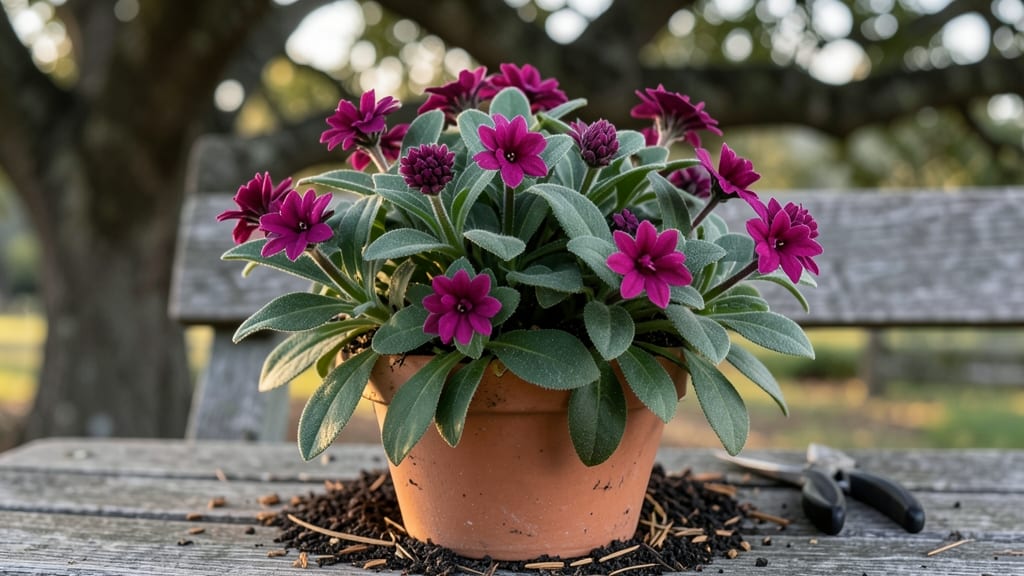
Growing cluster star flowers in your Pacific Northwest garden means frost-proof blooms that outshine most perennials. 🌿 These tropical-looking stars thrive where others freeze, their glossy leaves and tight clusters of white flowers defying winter’s chill. The secret lies in mimicking their native humidity and rich soil—no greenhouse needed.
You’ll need partial shade and well-draining soil that stays moist but never soggy. A spot near a tree or under a shade cloth works best, while containers let you adjust drainage for heavier soils. Most nurseries carry them as potted plants, but propagation from seed is rewarding (though slower).
By summer, you’ll see those signature star-shaped blooms lighting up shady corners, their fragrance drawing bees even on cool days. Prune spent flowers to encourage more growth, and mulch heavily in winter to protect roots. These plants reward patience with years of effortless beauty.
Perfect for gardeners who want drama without fuss—ideal for borders, woodland gardens, or even large containers. Once established, they’re nearly indestructible, handling everything from rain to light frost like a champ. Let’s get yours growing!
📚 In This Guide
- What you need
- Instructions
- Tips and common mistakes
- Wrapping up and next steps
What you need
- ● Cluster star flower seeds or nursery plants: 3–5 plants (for a lush, clustered look). Opt for Pentagramma triangularis or similar frost-hardy perennials.
- ● Well-draining soil: Mix 1 part native soil with 1 part compost (or potting mix for containers). Aim for a pH of 6.0–7.0.
- ● Organic mulch: 2–3 inches of cedar chips, straw, or leaf litter to retain moisture and protect roots.
- ● Slow-release fertilizer: 10-10-10 or a balanced organic fertilizer (e.g., fish emulsion or worm castings).
- ● Garden trowel or transplant spade (for digging holes).
- ● Garden gloves (to protect hands from prickly stems).
- ● Watering can or hose with a gentle spray nozzle (avoid overwatering!).
- ● Measuring tape or ruler (for spacing plants 12–18 inches apart).
- ○ Optional but helpful: Pruners (for trimming dead foliage).
- ● Drip irrigation kit (for consistent moisture in dry spells).
- ● Shade cloth (if planting in full sun to prevent stress).
- ● Sunlight: Partial shade to full sun (morning sun + afternoon shade works best in hotter PNW summers).
- ● Climate: USDA Hardiness Zones 5–9 (perfect for frost-resistant PNW gardens!).
- ● Timing: Plant in early spring (March–April) or fall (September–October) for best root establishment.
Step-by-Step guide to planting and establishing cluster star flowers
This hardy perennial thrives in Pacific Northwest conditions—here's how to get it growing strong.
🌱 Step 1: Select the Perfect Planting Location
Cluster star flowers (Pentaclethra macroloba) love partial shade to full sun, but in the PNW's cooler climate, I always choose a spot with morning sun and afternoon shade. This prevents leaf scorch while still giving them enough light to bloom reliably. Look for areas with well-draining soil—they hate soggy roots—and avoid low spots where winter moisture pools.
I dig a hole twice as wide as the root ball but only as deep as the container's base. This encourages roots to spread horizontally rather than settling too deep, which can cause rot. If your soil is heavy clay (common in the PNW), mix in 2-3 inches of compost to improve drainage before planting.
💧 Step 2: Plant at the Right Time and Water Deeply
Fall is ideal for planting cluster star flowers in the Pacific Northwest—6-8 weeks before first frost gives roots time to establish before winter. If you must plant in spring, do it as soon as soil is workable (around late March or April). Water the hole 24 hours before planting to help the root ball settle properly.
Place the plant so the top of the root ball sits level with the surrounding soil—burying too deep can suffocate the base. Backfill with native soil mixed with 1 part compost, then water deeply until moisture reaches 6 inches down. You'll know it's enough when water pools on the surface but drains within 15-20 minutes. Mulch with 2-3 inches of wood chips to retain moisture and suppress weeds.
☀️ Step 3: Maintain Consistent Moisture and Fertility
Cluster star flowers are drought-tolerant once established, but young plants need consistent moisture for the first 2 growing seasons. Water once a week during dry spells, aiming for 1 gallon per plant—you'll see the soil 1-2 inches deep stay damp but not soggy. Overwatering in winter can cause root rot, so reduce to every 2-3 weeks unless we get heavy rain.
Feed lightly in early spring with a balanced 10-10-10 fertilizer (about 1 tablespoon per plant). I skip summer fertilizing—too much nitrogen encourages leafy growth at the expense of those stunning star-shaped blooms. Instead, side-dress with compost in late fall to build soil health for next year.
✂️ Step 4: Prune for Shape and Encourage Blooms
Prune right after flowering in late summer to shape the plant and remove spent blooms. Cut back one-third of the oldest stems to encourage new growth and prevent the center from getting woody. I also snip off any leggy or crossing branches—this keeps airflow circulating and reduces disease risk.
In early spring, remove any dead or damaged branches at the base with clean, sharp pruners. Avoid heavy pruning in winter, as the plant's natural dormancy helps it tough out PNW winters. If you see yellowing leaves, it's usually a sign of overwatering—cut back to once every 3 weeks until new growth appears.
⏰ Step 5: Protect from Late Frosts and Winter Prep
Young cluster star flowers need light frost protection their first winter. I mound 4-6 inches of mulch around the base in late fall, then add a thin layer of burlap over the plant if we're expecting below 20°F. Established plants handle frost just fine, but new growth in spring can get damaged if temperatures dip suddenly.
In early spring, remove winter protection once daytime temps stay above 40°F for a week. Watch for new shoots emerging from the base—this is your cue to start light fertilizing and gradually resume regular watering. The first blooms appear in late spring to early summer, so be patient if yours take a year to establish.
Tips & tricks for perfect cluster star flower establishment
These tried-and-true strategies will help your cluster star flowers thrive in Pacific Northwest conditions with minimal fuss.
Soil Prep Secret: Before planting, I always test my soil's drainage by digging a small hole and filling it with water. If it takes longer than 15-20 minutes to drain completely (as mentioned in Step 2), I know I need to add more compost or sand. This simple test prevents the number one reason cluster stars fail—soggy roots. In heavy clay soils, I mix in 4-6 inches of compost rather than the standard 2-3 inches to create that perfect loose, airy texture they crave.
Timing is Everything: The 6-8 weeks before first frost window for fall planting is non-negotiable for PNW gardeners. I check my local frost date online and count backward to schedule my planting. For spring planting, I wait until soil temperatures consistently reach 50°F at 4 inches deep—this prevents cold shock to tender roots. Pro tip: Use a soil thermometer for accuracy rather than guessing by hand.
Watering Wisdom: When establishing your cluster star, I recommend using a moisture meter to verify your 1-2 inch deep soil moisture rather than relying on the calendar. These plants hate soggy feet but also can't tolerate drought stress during their first two years. In particularly hot PNW summers, I water twice weekly instead of once to maintain that perfect damp-but-not-wet condition. The 1 gallon per plant guideline is ideal, but adjust based on your soil type and weather.
Winter Protection Hacks: For that first critical winter, I double up on protection when temperatures dip below 20°F. Beyond the 4-6 inches of mulch, I wrap the plant in a breathable frost blanket rather than just using burlap. This creates an insulating air pocket while still allowing airflow. In spring, I remove protection gradually over 3-4 days once daytime temps consistently stay above 40°F—this prevents shock from sudden temperature swings that can occur in PNW spring.
Pro Tips for Cluster Star Flower
- These tried-and-true strategies will help your cluster star flowers thrive in Pacific Northwest conditions with minimal fuss.
- Soil Prep Secret: Before planting, I always test my soil's drainage by digging a small hole and filling it with water.
- Timing is Everything: The 6-8 weeks before first frost window for fall planting is non-negotiable for PNW gardeners.
Frequently asked questions
How cold-hardy is the cluster star flower in the PNW?
The cluster star flower is a true frost-resistant powerhouse—it thrives in USDA zones 3-8, making it perfect for the Pacific Northwest’s chilly winters. Just ensure it’s planted in well-draining soil to prevent root rot from excess moisture. Mulch lightly in winter for extra protection!
When is the best time to plant cluster star flowers?
For optimal growth, plant cluster star flowers in early spring or early fall. This gives roots time to establish before summer heat or winter frost. If transplanting, water deeply after planting to reduce shock. Pro tip: Avoid planting in late summer—hot, dry conditions can stress young plants.
How often should I water cluster star flowers?
These perennials are drought-tolerant once established (after 1-2 years), but young plants need regular watering—about once a week during dry spells. Water at the base (not overhead) to prevent fungal issues. Yellowing leaves? It might signal overwatering—let the soil dry slightly between waterings.
Are cluster star flowers deer- or pest-resistant?
Good news! Cluster stars are deer-resistant (thanks to their mild toxicity) and rarely bothered by pests like aphids or slugs. However, Japanese beetles may munch on leaves—handpick them early or use neem oil if needed. Their fern-like foliage also deters many garden critters naturally!
Why aren’t my cluster star flowers blooming?
No blooms? Check these fixes:
- Age: Young plants (under 2 years) focus on root growth—be patient!
- Sunlight: Ensure they get partial shade (morning sun, afternoon shade works best). Too much sun = fewer flowers.
- Fertilizer: Feed lightly in early spring with a balanced, low-phosphorus fertilizer (e.g., 5-10-5) to encourage blooms.
Deadhead spent blooms to encourage a second flush of flowers in some varieties.
Wrapping up and next steps
The cluster star flower is a true gem for Pacific Northwest gardeners—its hardy nature, stunning blooms, and low-maintenance charm make it a standout perennial. Whether you're a seasoned gardener or just starting, this frost-resistant beauty rewards patience with vibrant displays year after year.
Ready to transform your garden? Start by selecting a sunny spot, gathering your supplies, and planting with confidence. Before you know it, your yard will be bursting with color—happy gardening! 🌸