
Propagation
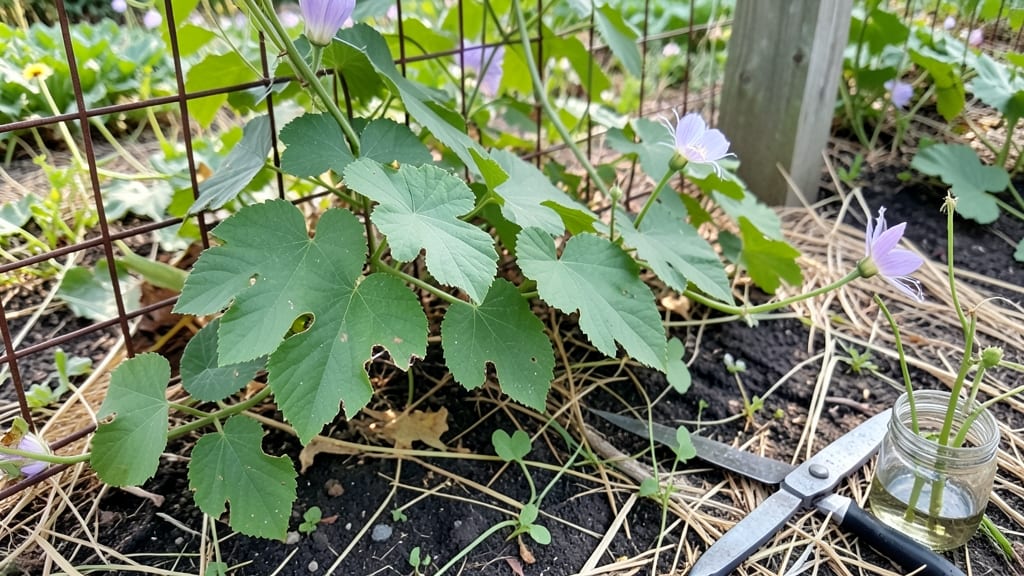
Rooting passion flower cuttings in water before planting gives them a fighting chance—especially when those delicate vines are just starting out. 🌱 I’ve propagated dozens of passion flowers this way, and the key is patience combined with the right timing.
The best window is late spring or early summer when new growth is vigorous but not yet hardened off by summer heat.
You’ll need just a few simple tools: sharp pruning shears, clean water, a clear glass jar, and rooting hormone (optional but helpful). Cut 4- to 6-inch sections just below a leaf node, strip the lower leaves, and place them in water.
Within 2-3 weeks, you’ll see tiny white roots forming—proof the cutting is ready for soil.
The payoff is a thriving vine with lush foliage and those iconic, exotic blooms by next season. Just be patient—passion flowers grow fast once rooted, but they need consistent moisture and bright, indirect light to avoid leggy stems.
A humidity dome or plastic bag speeds things up, especially in dry climates.
Common pitfalls? Overwatering (which causes rot) or letting cuttings dry out. If your water gets cloudy, refresh it every few days. Once roots hit 1-2 inches, transplant carefully into well-draining soil, and keep an eye out for those first tendrils climbing toward the sky.
📚 In This Guide
- What you need
- Instructions
- Tips and common mistakes
- Wrapping up and next steps
What you need
- ● Passion flower cuttings: 4–6 healthy, semi-hardwood cuttings (4–6 inches long), taken from non-flowering stems with at least 2–3 nodes.
- ● Clean, sharp pruners or scissors: Sterilized to prevent disease (rubbing alcohol or bleach wipe works!).
- ○ Rooting hormone (optional but recommended): A gel or powder to boost root growth (e.g., Rootone or Clonex).
- ● Clear glass or plastic jar: Wide-mouth (8–12 oz) for water propagation.
- ● Filtered or distilled water: Tap water left out for 24 hours (to remove chlorine) or spring water.
- ● Small pebbles or marbles: 3–5 pieces to weigh down cuttings and keep stems submerged.
- ● Well-draining potting mix: For transplanting later (e.g., 50% perlite + 50% coconut coir or peat moss).
- ● 6-inch pots or seed trays: With drainage holes for young plants.
- ● Spray bottle: For misting cuttings to maintain humidity.
- ○ Plastic wrap or humidity dome: To create a mini greenhouse effect (optional for indoor setups).
- ● Grow lights or sunny windowsill: Bright, indirect light (6+ hours/day) for rooting.
- ○ pH test strips (optional): To check water pH (ideal: 5.5–6.5 for rooting).
- ● Labels & markers: To track cutting dates and varieties.
How to root passion flower cuttings in water
Here's my foolproof method for turning passion flower cuttings into thriving new plants.
🌱 Step 1: Select Healthy Cuttings
Choose 4-6 inch stems from the current season's growth—look for thick, woody sections with at least 2-3 leaf nodes. The best cuttings come from non-flowering tips just below a leaf joint. Use clean, sharp scissors to make a 45-degree angle cut just above a node, which is where roots will emerge.
Remove all but the top 2-3 leaves to reduce moisture loss. If the leaves are large, trim them in half to prevent excessive transpiration. You'll want 4-6 cuttings to maximize your chances of success—passion flowers root best when you have multiple attempts.
💧 Step 2: Prepare and Place in Water
Fill a clean glass or jar with room-temperature water—tap water works fine, but avoid chlorinated water if possible. Change the water every 3-4 days to prevent bacterial growth. Place the cuttings in the water so only the bottom node is submerged, keeping the rest of the stem above water.
Find a spot with bright, indirect light—direct sun will overheat the water and stress the cuttings. You'll see tiny white root hairs appear in 2-3 weeks, followed by 1-inch roots in another 2-3 weeks. Be patient; passion flowers root slower than some plants but reward you with strong growth.
☀️ Step 3: Monitor and Encourage Root Growth
Check the water level daily and top off as needed—never let the cuttings dry out. If the water gets cloudy or develops an odor, dump it and refresh with clean water immediately. You'll know the roots are ready for planting when they reach 2-3 inches in length and look thick and fibrous.
During this time, mist the leaves lightly every 2-3 days to maintain humidity. If the leaves start yellowing, it's a sign of overwatering or too much direct light. Move the cuttings to a shadier spot if this happens. Healthy cuttings will develop new growth at the top while roots strengthen below.
🪴 Step 4: Transplant to Soil
Once roots are 2-3 inches long, prepare a well-draining potting mix—I use a blend of 50% peat moss, 30% perlite, and 20% coconut coir. Fill a 6-inch pot with the mix and dig a hole slightly larger than the root ball. Gently remove the cutting from the water, being careful not to damage the roots.
Plant the cutting at the same depth it was rooted in water, firming the soil around the base. Water lightly to settle the mix, but don't soak it—passion flowers hate soggy roots. Place the pot in bright, indirect light for the first week to help it adjust. After a week, gradually introduce it to morning sun to harden it off.
⏰ Step 5: Maintain and Care for New Plants
Keep the soil evenly moist but not soggy—water when the top inch feels dry. Fertilize lightly with a balanced liquid fertilizer every 4-6 weeks once new growth appears. Passion flowers are vigorous climbers, so provide a trellis or support early to encourage upward growth.
Watch for new leaves emerging from the top—this is your sign the cutting has successfully established. Once the plant is 6-8 inches tall and showing strong growth, you can transplant it outdoors to a permanent spot. Choose a location with full sun to partial shade and well-draining soil for the best results.
Tips & tricks for perfect passion flower propagation
A few simple tricks can make all the difference in helping your passion flower cuttings thrive.
Selection Tip: In Step 1, when choosing your 4-6 inch cuttings, focus on stems that feel firm but slightly bendable—not brittle or mushy. The thicker the stem, the better chance for strong root development. I've found that cuttings with a slight woody texture at the base root most successfully. Look for stems that have at least 2-3 leaf nodes, as these are the growth points where roots will emerge.
Water Quality Matters: For Step 2, while tap water works fine, I've noticed better results when using filtered or rainwater. If you must use tap water, let it sit out overnight to allow chlorine to evaporate. The 3-4 day water change schedule is crucial—don't skip it! Cloudy or smelly water means bacteria are growing, which can rot your cuttings before roots even form.
Lighting Secret: The bright, indirect light mentioned in Step 2 is absolutely critical. East-facing windows are perfect for this stage. I've seen cuttings fail when placed in direct afternoon sun—the water overheats and the stems can cook before roots develop. If you don't have ideal lighting, a simple grow light on a timer works wonders for consistent results.
Transplanting Wisdom: When you reach Step 4 and your roots are 2-3 inches long, don't rush the transplant! Gently swish the roots in fresh water to remove any bacteria from the water before planting. I've made the mistake of transplanting too soon, and the delicate roots would break easily. Plant at the same depth they were in water, and resist the urge to bury them deeper—this can cause rot at the stem base.
Pro Tips for Cuttings From Passion Flower
- A few simple tricks can make all the difference in helping your passion flower cuttings thrive.
- Selection Tip: In Step 1, when choosing your 4-6 inch cuttings, focus on stems that feel firm but slightly bendable—not brittle or mushy.
- Water Quality Matters: For Step 2, while tap water works fine, I've noticed better results when using filtered or rainwater.
Frequently asked questions
Got questions about propagating passion flower from cuttings? You’re not alone! Here are some of the most common concerns—and their straightforward answers—to help you grow with confidence.
How long does it take for passion flower cuttings to root in water?
Most passion flower cuttings will show signs of root growth in 2–4 weeks when placed in water. Patience is key—keep the water fresh and the cutting in bright, indirect light. Once roots reach 1–2 inches, it’s time to transplant!
Can I root passion flower cuttings directly in soil instead of water?
Yes! While water rooting is beginner-friendly, you can also root cuttings in moist, well-draining soil (like a mix of perlite and potting soil). Use a humidity dome or plastic bag to retain moisture. Just ensure the soil stays damp—not soggy—to prevent rot.
Why are my passion flower cuttings turning yellow or mushy?
Yellowing or mushy stems usually signal overwatering or rot. If rooting in water, change it every 3–4 days and avoid letting the cutting sit in stagnant water. In soil, ensure proper drainage and let the top layer dry slightly between waterings. Trim any mushy sections with clean scissors.
What’s the best time of year to take passion flower cuttings?
The ideal time is during the plant’s active growing season—typically late spring to early summer. Avoid winter when growth slows. Healthy, semi-hardwood cuttings (not too soft, not too woody) root best. Early morning is the perfect time to cut, as the plant is hydrated.
Do I need to use rooting hormone for passion flower cuttings?
Not necessarily! Passion flower cuttings often root well without hormone, especially in water. However, if you’re struggling, a natural rooting hormone (like cinnamon powder or willow water) can give a gentle boost. Just dip the cut end and let it dry slightly before planting.
Wrapping up and next steps
Growing passion flower from cuttings is a rewarding journey that combines patience and care—just like nurturing any new plant! 🌱 By rooting your cuttings in water first, you’re giving them the best possible start before transitioning them to soil.
Whether you’re a seasoned gardener or a beginner, this method boosts success rates and helps you expand your garden with ease.
Now that you’re armed with tips and tricks, take the plunge and try it yourself! Grab those cuttings, set up your water propagation station, and watch your passion flower thrive. Happy gardening—your future vines will thank you! 🌿✨