
Flowers
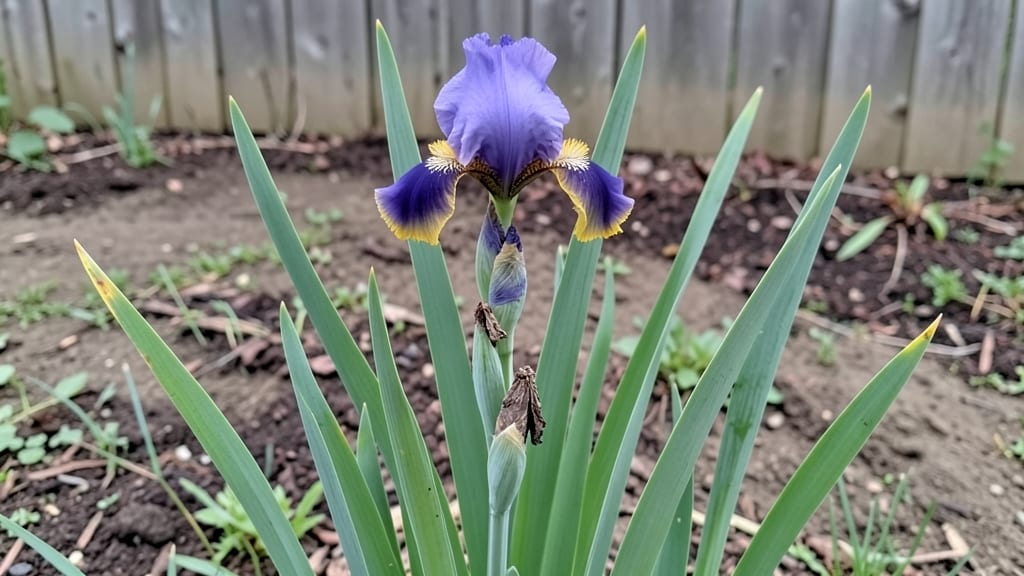
The dark purple iris flower is the bold statement your garden borders have been missing—its velvety petals command attention while adding drama to any space. 🌿 I fell in love with them after seeing how they transformed a plain fence line into a jewel-toned masterpiece, their rich hue standing out against greenery like a spotlight.
These aren't just flowers; they're the secret weapon for gardeners who want impact without overwhelming their space.
They thrive in part sun to full sun and moist but well-drained soil, making them perfect for borders, containers, or even as focal points near water features.
Pair them with silver foliage plants like lamb's ear or dusty miller to make the purple pop even more, or contrast them with soft yellows or whites for a striking contrast. The key is giving them enough room to establish their rhizomes—crowding leads to fewer blooms.
Imagine walking through your garden in late spring when these irises burst into bloom, their deep purple petals catching the sunlight just right. They attract pollinators like bees and butterflies, adding life to your borders while keeping maintenance low.
With the right placement, they'll reward you with months of color and a garden that feels like a curated art piece.
Works beautifully in both formal and cottage-style gardens, and they come back year after year stronger. Whether you're designing a new border or refreshing an old one, these irises are the easy way to add drama without the fuss. Let's get them planted!
📚 In This Guide
- What you need
- Instructions
- Tips and common mistakes
- Wrapping up and next steps
What you need
- ● Dark purple iris rhizomes: 3–5 per square foot (choose Iris germanica or Iris xiphium varieties for deep hues).
- ● Well-draining soil: Mix 60% garden soil, 30% compost, and 10% coarse sand or perlite (irises hate soggy roots!).
- ● Organic fertilizer: 5-10-10 or a bulb-specific formula (apply at planting and mid-season).
- ● Mulch: 1–2 inches of pine bark or gravel (keeps rhizomes cool and deters weeds).
- ● Garden trowel or spade (for digging trenches 4–6 inches deep).
- ● Pruning shears (to trim dead foliage after blooming).
- ● Garden hose with spray nozzle (irises need 1–1.5 inches of water weekly).
- ● Sunlight access: Full sun (6+ hours daily) for optimal blooms.
- ○ Optional (but helpful!): Rhizome divider (for splitting clumps every 3–4 years).
- ● Slow-release fertilizer spikes (for low-maintenance care).
- ● Metal edging (to define borders and prevent rhizome spread).
Step-by-step guide to planting and caring for dark purple iris
Here's how to bring bold drama to your garden borders with these showstopping blooms.
🌱 Step 1: Select and Prepare the Planting Site
Dark purple iris thrives in full sun with at least 6-8 hours of direct light daily. Choose a location with well-draining soil—iris roots rot quickly in soggy conditions. If your soil is heavy clay, amend it with 2-3 inches of coarse sand or perlite mixed into the top 12 inches of soil. I always test drainage by digging a 6-inch hole, filling it with water, and checking if it drains within 30 minutes. If not, improve the site before planting.
Iris grows best in slightly acidic to neutral soil with a pH between 6.0 and 7.0. A simple soil test kit (available at garden centers) will tell you if you need to adjust pH. For acidic soil, add elemental sulfur; for alkaline soil, use lime. Spread amendments 2-3 weeks before planting to let them integrate naturally.
🪴 Step 2: Plant Iris Rhizomes at the Right Depth and Spacing
Plant iris rhizomes in early fall or late winter for the best root establishment. Position them so the top of the rhizome is just above soil level—burying them too deep causes rot, while planting too shallow leads to weak stems. Space rhizomes 12-24 inches apart in rows, depending on your desired border density. I like 18 inches apart for a lush but manageable look.
Dig a trench 4-6 inches deep and wide enough to lay the rhizomes flat. Gently firm the soil around them, but don’t pack it down—iris roots need air. Water deeply right after planting to settle the soil and encourage root contact. Avoid overwatering; the rhizomes should feel firm to the touch, not mushy.
☀️ Step 3: Provide Consistent Water and Fertilizer for Strong Growth
Water iris deeply once a week during the first growing season, allowing the top 2-3 inches of soil to dry out between waterings. Once established, iris is drought-tolerant but still needs 1 inch of water weekly during dry spells. You’ll know it’s thirsty when the leaves start to droop slightly in the afternoon—this is their natural way of conserving moisture.
Fertilize lightly in early spring with a balanced, slow-release fertilizer (10-10-10). Apply ½ cup per 10 feet of row, working it into the soil around the rhizomes. Avoid high-nitrogen fertilizers—they encourage leafy growth at the expense of blooms. I also add a handful of bone meal in fall to support root development and next year’s flowers.
✂️ Step 4: Prune and Divide for Long-Term Health
After the blooms fade, cut back the flower stalks to ground level with clean pruners. Never cut the fan-shaped leaves—they feed the rhizome. In late summer or early fall, dig up clumps that have more than 3-4 fans and divide them. Use a sharp spade to separate the rhizomes, ensuring each has at least one fan of leaves. Replant immediately in a new location to prevent transplant shock.
Dividing every 3-4 years keeps iris vigorous and prevents overcrowding. I mark the spots where I’ve planted iris so I don’t accidentally dig them up later—trust me, you’ll forget where they are once they’re established! Mulch lightly with 2 inches of shredded bark in winter to protect the rhizomes from freezing temperatures.
⏰ Step 5: Enjoy and Maintain for Seasonal Impact
Dark purple iris blooms in late spring to early summer, often for 2-3 weeks. To prolong the show, deadhead spent blooms immediately—this redirects the plant’s energy to new flowers instead of seed production. You’ll notice the stems producing smaller side blooms if you keep up with deadheading.
In late fall, after the first hard frost, cut back the leaves to 3-4 inches tall. This prevents them from flopping in winter winds and makes it easier to spot new growth in spring. Iris is one of the most low-maintenance perennials, but this simple seasonal care ensures bold, healthy blooms year after year.
Tips & tricks for perfect dark purple iris planting
Transforming your garden with these dramatic blooms takes more than just planting—here are my go-to tricks for showstopping results.
Sunlight Secret: While 6-8 hours of sun is ideal, dark purple iris can actually tolerate up to 10 hours in hotter climates. I've seen them thrive in full sun all day long, but if your summers are scorching, provide afternoon shade to prevent leaf scorch. The key is watching your plants—if leaves start yellowing in late afternoon, they're getting too much heat.
Rhizome Placement: That top-of-the-rhizome rule is critical, but here's what nobody tells you—if you plant too shallow, you'll get weak stems that flop over. I like to make a small mound of soil and place the rhizome on top, then cover just the roots with soil. This gives you that perfect 1/2-inch exposure while keeping the roots properly covered.
Watering Wisdom: The "drought-tolerant" label can be misleading—newly planted iris needs that weekly deep watering to establish roots. I use a soaker hose for 20 minutes to ensure water penetrates the full 12 inches where the roots will grow. Once established, you can reduce to weekly watering during dry spells, but don't let the soil dry out completely.
Fertilizer Timing: That spring feeding is non-negotiable, but here's my pro tip: split that ½ cup of 10-10-10 fertilizer into two applications—half in early spring when leaves emerge, and half after blooming ends. This two-step approach gives you strong early growth AND supports next year's flowers without overfeeding.
Pro Tips for Dark Purple Iris Flower
- Transforming your garden with these dramatic blooms takes more than just planting—here are my go-to tricks for showstopping results.
- Sunlight Secret: While 6-8 hours of sun is ideal, dark purple iris can actually tolerate up to 10 hours in hotter climates.
- Rhizome Placement: That top-of-the-rhizome rule is critical, but here's what nobody tells you—if you plant too shallow, you'll get weak stems that flop over.
Frequently asked questions
Got questions about the dark purple iris flower? You’re not alone! Here are some of the most common inquiries—plus quick, practical answers to help you grow and enjoy these showstoppers with confidence.
When is the best time to plant dark purple irises?
Plant your dark purple irises in early fall or late winter (before new growth starts). This timing lets roots establish before summer heat. Avoid planting in spring—irises dislike soggy soil when leaves are growing. Pro tip: If you miss the window, plant in cool, damp weather (like late fall) for best results.
How often should I water dark purple irises?
Once established, dark purple irises are drought-tolerant—water deeply 1-2 times per week during the first growing season. After that, water only when soil is bone-dry (usually every 2-3 weeks). Overwatering causes rot, so skip the sprinkler unless your region faces extreme heat.
Do dark purple irises need pruning? If so, when?
Yes! Trim dead or yellowed foliage in late summer or early fall (after blooming). Never cut back leaves until they’ve turned brown—they feed the rhizomes for next year’s flowers. Use clean, sharp shears and avoid cutting more than 1/3 of the foliage at once.
What pests or diseases should I watch for with dark purple irises?
Common issues include iris borers (larvae that tunnel into rhizomes) and thrips (which cause streaked petals). Prevent borers by removing and destroying damaged leaves in fall. For thrips, spray with neem oil during blooming season. Pro tip: Healthy soil (amended with compost) boosts natural resistance!
Can I grow dark purple irises in containers? What’s the best setup?
Use a large, shallow container (at least 12 inches wide) with well-draining soil (mix potting soil with perlite or sand). Plant rhizomes half-buried and place in full sun. Containers dry out faster, so water more frequently than in-ground plants. Drainage holes are a must—no exceptions!
Wrapping up and next steps
The dark purple iris flower isn’t just a stunning addition to your garden—it’s a bold statement that brings drama, elegance, and effortless charm to any space.
Whether you’re drawn to its velvety petals, symbolic depth, or low-maintenance beauty, this flower proves that striking contrast can transform even the simplest borders into a breathtaking focal point. 🌸
Ready to make your garden shine? Start small—plant a single dark purple iris as a centerpiece or mix it with complementary blooms for a show-stopping display.
With the right care (and a little patience), you’ll have a garden that turns heads—and maybe even inspires your neighbors to follow suit! 🌿