
Flowers
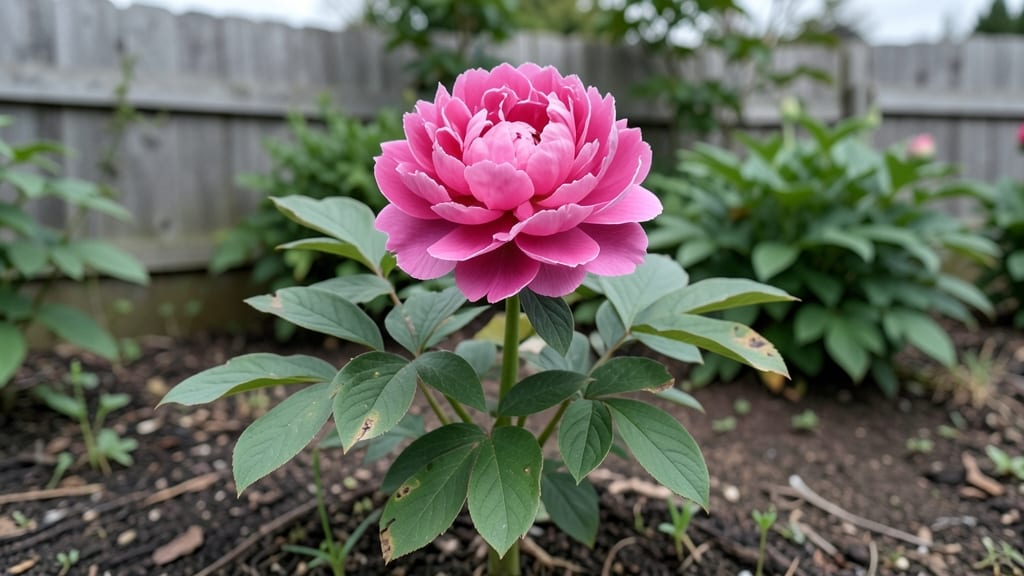
Double peony flowers transform gardens into living silk tapestries when given the right conditions. 🌸 I still remember the first time I saw their layered petals unfurling in late spring—like nature’s own ruffled lace.
The secret to those dramatic blooms lies in mimicking their natural habitat: rich, well-draining soil, full sun, and patient care that rewards you with blooms so lush they make other flowers look shy.
You’ll need a spot with at least 6 hours of direct sun daily, a fork to loosen heavy clay soil, and a 5-7 gallon container if your ground is less than ideal. Double peonies thrive when planted 2-3 feet apart—crowding steals their strength.
The real magic happens in the soil: mix in aged compost and a handful of bone meal at planting time for those signature velvety blooms. Honestly, the first year is all about setting them up right; the payoff comes in years two and three.
By summer’s end, you’ll be harvesting blooms that last 5-7 days in a vase, their scent lingering like a secret. The key is minimal pruning—just deadheading spent blooms and trimming back leggy growth in early fall.
They’re surprisingly low-maintenance once established, though Japanese beetles might throw a party on your peonies. A neem oil spray keeps those pests at bay without harming the plants or pollinators. The best part? These divas reward patience with blooms that outshine everything else in the garden.
Works in USDA zones 3-8, though southern gardeners should plant them in partial shade to prevent wilting. Container-growing extends their range to urban balconies—just use a pot with drainage and move it to shade during heatwaves.
Whether you’re a first-timer or a seasoned grower, double peonies deliver drama with surprisingly little fuss. Let’s get those roots in the ground!
📚 In This Guide
- What you need
- Instructions
- Tips and common mistakes
- Wrapping up and next steps
What you need
- ● Peony plants: Choose Paeonia lactiflora or Paeonia suffruticosa varieties (bare-root or potted). Aim for 3–5 plants for a stunning display.
- ● Well-draining soil: Mix 1 part compost with 2 parts native soil (peonies hate soggy roots!). Test pH—ideal range is 6.0–7.5.
- ● Sunlight: A full-sun location (6+ hours/day)—peonies thrive in bright, open spaces.
- ● Watering can or hose: With a gentle spray nozzle to avoid disturbing the crown.
- ● Mulch: 2–3 inches of organic mulch (straw or shredded bark) to retain moisture and regulate soil temp.
- ● Fertilizer: Low-phosphorus, balanced fertilizer (5-10-5 or 10-10-10)—apply early spring and after blooming.
- ● Garden stakes or rings: To support heavy blooms (especially for Paeonia suffruticosa varieties).
- ● Pruning shears: Sharp, sterilized shears for deadheading and shaping.
- ● Soil amendments: Gypsum (if soil is clay-heavy) or perlite (for extra drainage).
- ● Peony food: Specialized peony fertilizer for longer vase life and bigger blooms.
- ● Protective netting: To shield buds from late-season frost or deer.
Step-by-step guide to cultivating double peony flowers
Here’s how to coax those lush, layered petals from dormant eyes—where patience meets precision.
🌱 Step 1: Select and Prepare Healthy Root Cuttings
Choose established peony roots with 3-5 healthy eyes (buds) per section, cutting with sterilized pruners to avoid disease. I always look for thick, white, carrot-like roots—thin or woody ones struggle to establish. Soak the cuttings in lukewarm water for 4-6 hours to stimulate root growth before planting.
Double peonies need well-draining soil with a pH of 6.5-7.0. Amend heavy clay with 2-3 inches of compost and 10% perlite to prevent rot. Dig a trench 6-8 inches deep—this mimics their natural woodland habitat while ensuring drainage. Space roots 18-24 inches apart to allow future blooms room to unfurl.
☀️ Step 2: Plant in Full Sun with Strategic Depth
Position the trench in full sun (6+ hours daily)—double peonies reward sunlight with larger, more layered petals. Place roots 2-3 inches deep, with the topmost eye just below soil level. Burying them too deeply smothers blooms; too shallow risks frost damage. I firm the soil gently around the roots, then water deeply to eliminate air pockets.
Mulch with 2-3 inches of shredded bark in early spring to regulate soil temperature. Avoid organic mulch like leaves—it can mat and suffocate roots. The mulch should feel lightly damp but not soggy when pinched; adjust watering to maintain this texture until new shoots appear (4-6 weeks).
✂️ Step 3: Prune and Support for Maximum Bloom Impact
Wait until late spring (after last frost) to prune—cut back last year’s foliage to 2 inches tall with sterilized shears. This prevents disease and redirects energy to next year’s buds. I always wear gloves: peony foliage can irritate skin. Install sturdy stakes (3-4 feet tall) now—double peonies develop heavy blooms that flop without support.
Fertilize lightly in early spring with 5-10-10 (½ cup per plant) and again after blooming with low-nitrogen (0-10-10) to encourage root growth. Over-fertilizing leads to lush foliage but fewer flowers. Water at the base 1-2 times weekly, aiming for 1 inch of moisture per week. You’ll know you’re on track when buds swell in late spring—they’ll feel firm like small marbles.
🌿 Step 4: Deadhead and Winterize for Repeat Performance
Snip off spent blooms at the first set of leaves (not the stem base) to prevent seed formation and encourage more flowers. I use clean pruners and dispose of cuttings immediately—peony debris can harbor fungal spores. After blooming, let foliage die back naturally; never cut it all off—the leaves photosynthesize nutrients for next year’s buds.
In late fall, apply 4-6 inches of mulch to insulate roots through winter. Double peonies are hardy to Zone 3, but young plants benefit from extra protection. I mark their location with flagging stakes—forgetting where you planted them is a common mistake, and peonies take 2-3 years to reach full bloom potential.
Tips & tricks for perfect double peony flowers
These insider secrets will help you coax those breathtaking layered petals from your peony roots—where proper technique meets nature's patience.
Root Selection Secret: When choosing roots, look for those with plump, white "eyes" that feel firm to the touch. Thin or shriveled roots won't establish well, and woody roots signal an older plant that may not produce as many blooms. I've found that roots with 3-5 healthy eyes per section give the best balance of establishment and flowering potential in their first season. The 4-6 hour lukewarm water soak isn't just about hydration—it kickstarts root growth by activating enzymes that prepare the roots for planting.
Planting Depth Precision: The 2-3 inch planting depth is critical because double peonies need just enough light to encourage blooming, but not so much that they bake in summer heat. Here's my trick: use a pencil to mark the soil level on your trench walls before planting. This visual guide ensures the topmost eye sits just below the final soil line every time. Too deep, and you'll get lush foliage but few flowers; too shallow risks frost damage in winter.
Sunlight Strategy: While double peonies thrive in full sun, the quality matters just as much as quantity. I've noticed the most spectacular blooms come from plants receiving morning sun with afternoon shade in hot climates. If your garden gets intense afternoon sun, consider planting near a fence or wall that provides natural shade during peak heat hours. The 6+ hours of sunlight promise in the instructions is a minimum—more sun equals more dramatic petal layers, but balance is key.
Seasonal Care Calendar: Create a simple checklist for each season: Spring (prune after frost, stake, fertilize), Summer (water deeply weekly, monitor for pests), Fall (deadhead, add mulch), Winter (leave foliage until spring). I mark my calendar with the 4-6 week timeline for new shoots to appear—this helps me track progress and adjust watering accordingly. The 2-3 years to full bloom potential means patience pays off, but consistent seasonal care accelerates that timeline significantly.
Pro Tips for Double Peony Flowers
- These insider secrets will help you coax those breathtaking layered petals from your peony roots—where proper technique meets nature's patience.
- Root Selection Secret: When choosing roots, look for those with plump, white "eyes" that feel firm to the touch.
- Planting Depth Precision: The 2-3 inch planting depth is critical because double peonies need just enough light to encourage blooming, but not so much that they bake in summer heat.
Frequently asked questions
Got questions about growing double peony flowers? You’re not alone! Here are some of the most common queries—plus quick answers to help you cultivate these show-stopping blooms with confidence.
How long does it take for double peony flowers to bloom after planting?
Patience is key! Double peonies typically take 2–3 years to establish roots and produce their first blooms. Once mature (around year 3–5), they’ll reward you with lush, layered petals in late spring to early summer. For faster results, plant established root cuttings (not bare roots) in early fall.
Why aren’t my double peony flowers opening fully?
If your blooms stay tightly closed, it’s often due to overcrowding, poor sunlight, or excessive rain. Ensure they get 6+ hours of full sun daily and space plants 3–4 feet apart. Trim spent blooms (but leave foliage) to encourage next year’s growth. Pro tip: A light prune after flowering helps redirect energy to roots!
Can I grow double peonies in containers?
Yes, but with limits! Double peonies thrive in large containers (18"+ diameter) with well-draining soil and winter protection (mulch or move indoors). Choose dwarf varieties like ‘Sarah Bernhardt’ for better success. Avoid small pots—they’ll struggle to support heavy blooms and need frequent watering.
What’s the difference between double and single peony flowers?
Double peonies boast layered, ruffled petals (30+ layers!) that resemble silk or fabric, while single peonies have 5–10 petals with prominent stamens. Doubles are prized for their lush, full appearance and longer vase life. Trade-off? They often bloom slightly later and may need more care to thrive.
Are double peonies deer-resistant?
Unfortunately, no—deer love peonies! While they’re not as deer-magnet as hostas, hungry critters will nibble them. Protect young plants with chicken wire cages or repellents. Once established, their thorny stems may deter some browsers, but don’t count on it!
Quick Troubleshooting Table
| Issue | Likely Cause | Fix It! |
|---|---|---|
| No blooms | Too much shade or fertilizer | Move to sun; reduce nitrogen (use low-phosphorus fertilizer) |
| Leaf spots | Fungal disease (humidity) | Prune affected leaves; improve airflow |
| Floppy stems | Overwatering or weak roots | Water at base; stake plants early |
Wrapping up and next steps
Double peony flowers are a stunning reward for gardeners willing to nurture their delicate beauty—with patience, the right soil, and plenty of sunshine, you’ll be greeted by layers of velvety petals that feel like nature’s own masterpiece. 🌸 Whether you’re a seasoned gardener or just starting, these blooms prove that even the most intricate dreams can grow with care. Ready to take the next step? Grab your gloves, mark your planting calendar, and watch your garden transform into a fragrant, petal-filled paradise!
- 🌱 Pro Tip: Start small—try planting just one double peony this season to refine your technique before expanding!
- 📅 Next Action: Check your local frost dates and plan your spring or fall planting here.